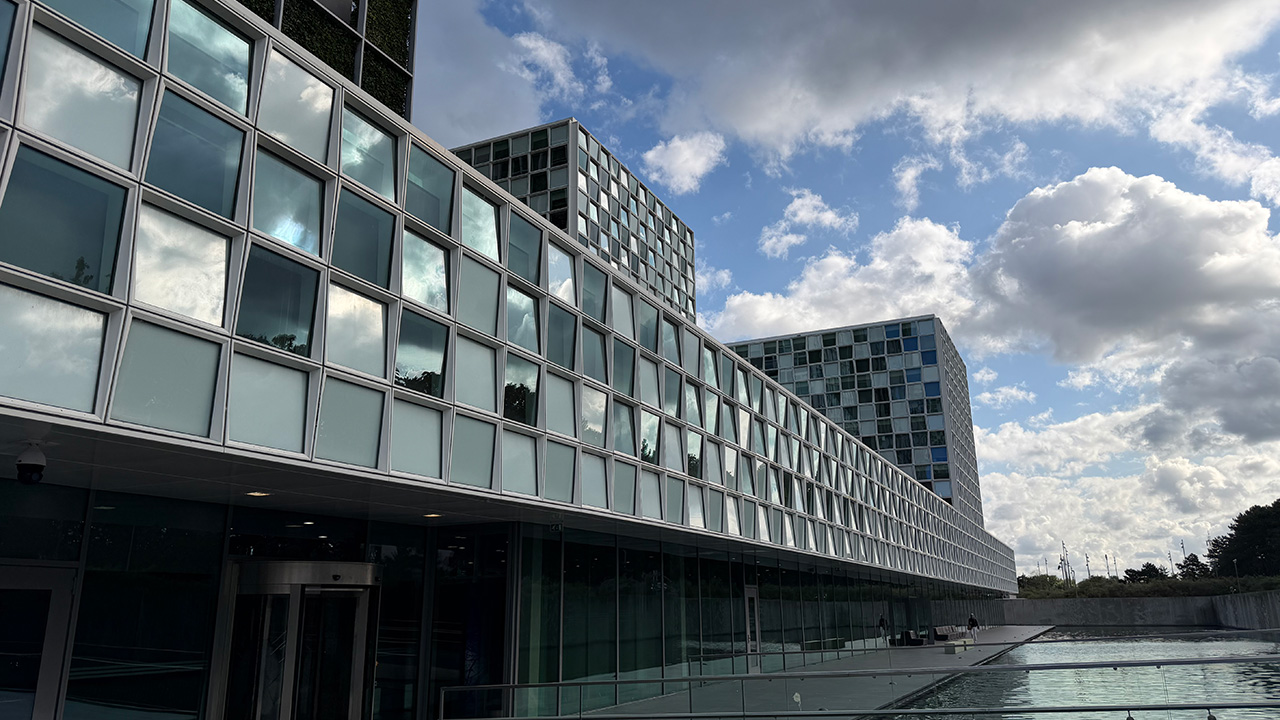



a. Al Hasan Case [Appeals Chamber confirms the sufficient gravity of the Case]
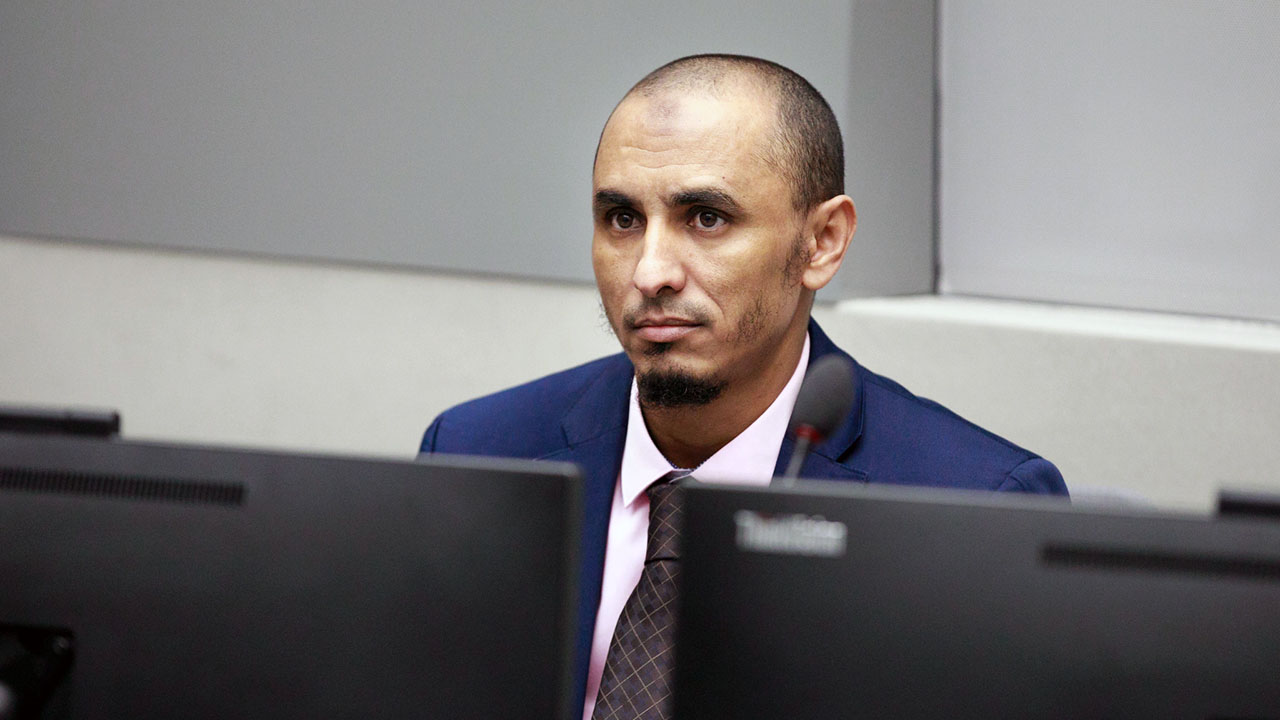
- On 19 February 2020, the Appeals Chamber rejected Mr. Al Hasan’s appeal and confirmed the Pre-Trial Chamber I’s decision of 27 September 2019.
- On 23 April 2020, Pre-Trial Chamber I issued a confidential decision partially granting the Prosecutor’s request to modify the charges against Al Hasan. The Chamber included in the charges already confirmed, and included additional charges of crimes against humanity, including; sexual slavery, rape, persecution and other inhumane acts, including forced marriage, and charges of war crimes, namely: cruel treatment, sexual slavery, rape, outrages upon personal dignity and passing of sentences without previous judgment pronounced by a regularly constituted court affording all judicial guarantees which are generally recognized as indispensable.
b. Ongwen Case [Trial Chamber to decide on conviction or acquittal]
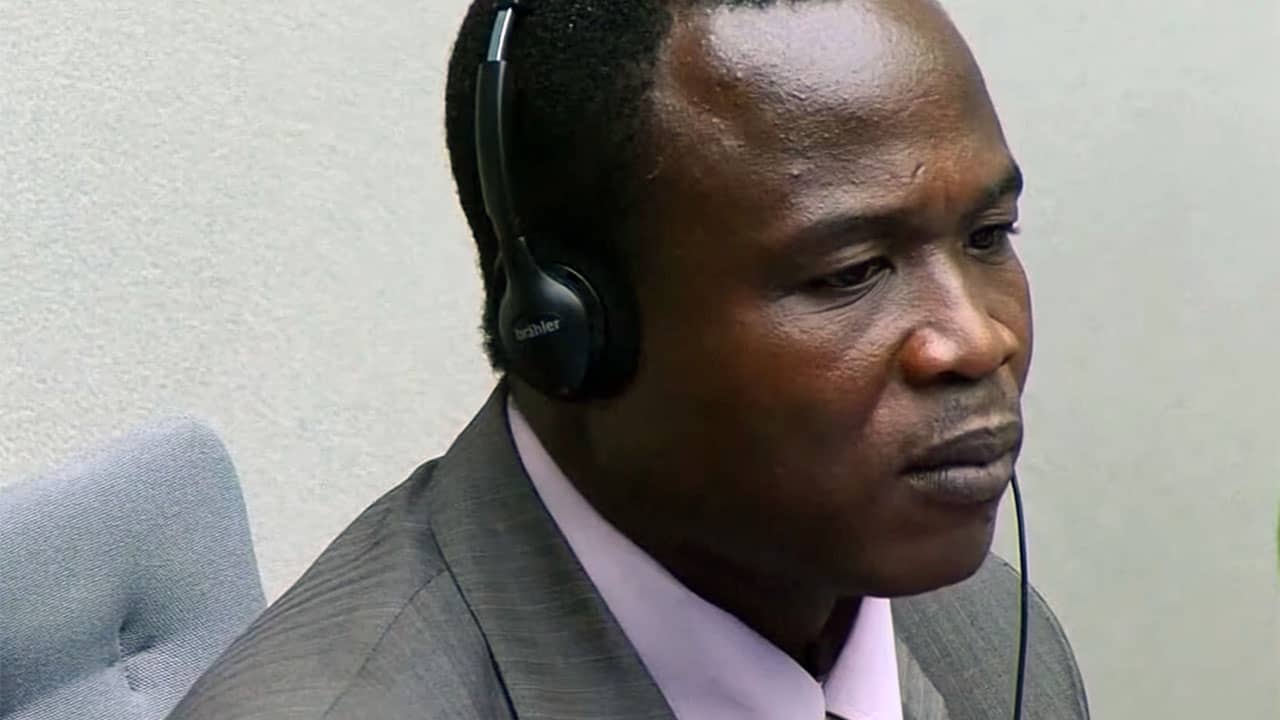
- From 10 to 12 March 2020, the Court held closing statements in the Ongwen case. During the hearings, the Prosecution, the Legal Representatives of Victims, and the Defense presented their final arguments.
- The ICC Trial Chamber IX will deliberate on the proceedings and, within a reasonable period, pronounce its decision on conviction or acquittal.
c. Saif Al-Islam Gaddafi Case [Admissibility of the Case before the Court confirmed]
- On 8 March 2020, the Appeals Chamber of the ICC unanimously confirmed the admissibility of the case and rejected his appeal against the Pre-Trial Chamber I’s decision dismissing his challenge to the admissibility of this case.

d. Yekatom and Ngaïssona Case [Trial Chamber V constituted]
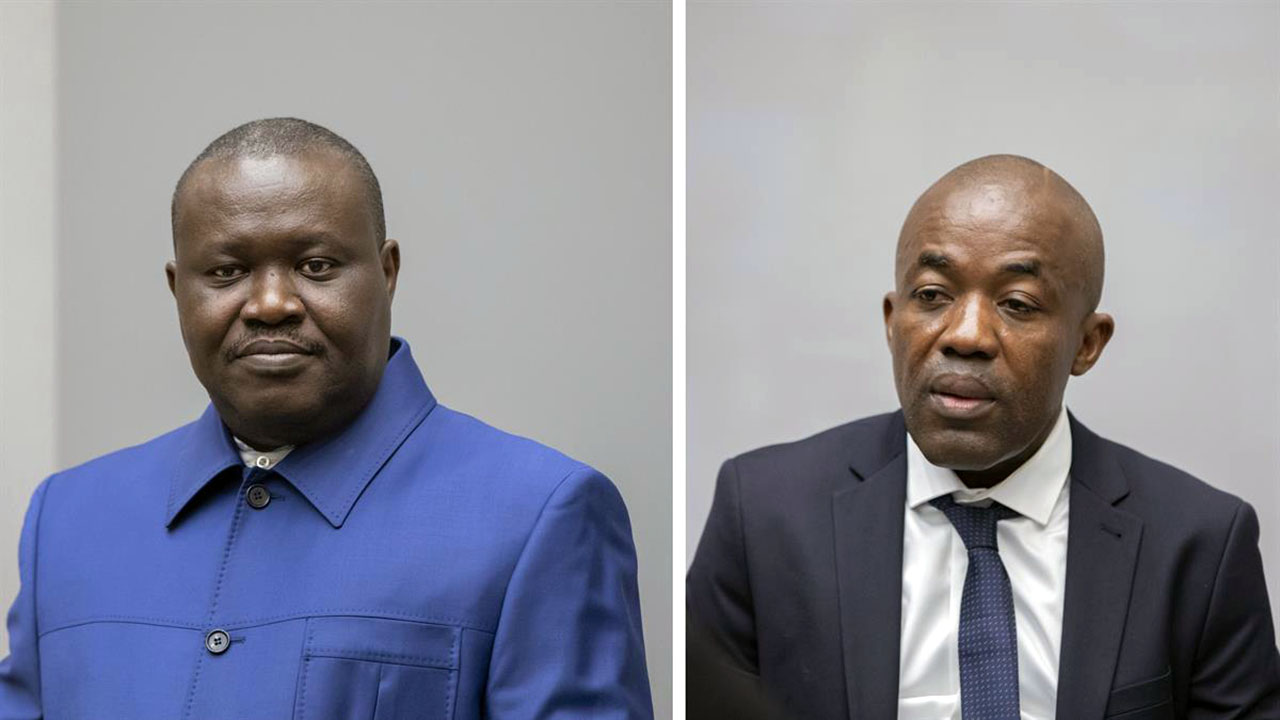
- On 11 December 2019, Pre-Trial Chamber II partially confirmed the charges of war crimes and crimes against humanity brought by the Prosecutor against Alfred Yekatom and Patrice-Edouard Ngaïssona and committed them to trial.
- On 17 March 2020, the ICC President constituted Trial Chamber V, which will be in charge of the conduct of the trial in this case
a. Situation in Afghanistan:
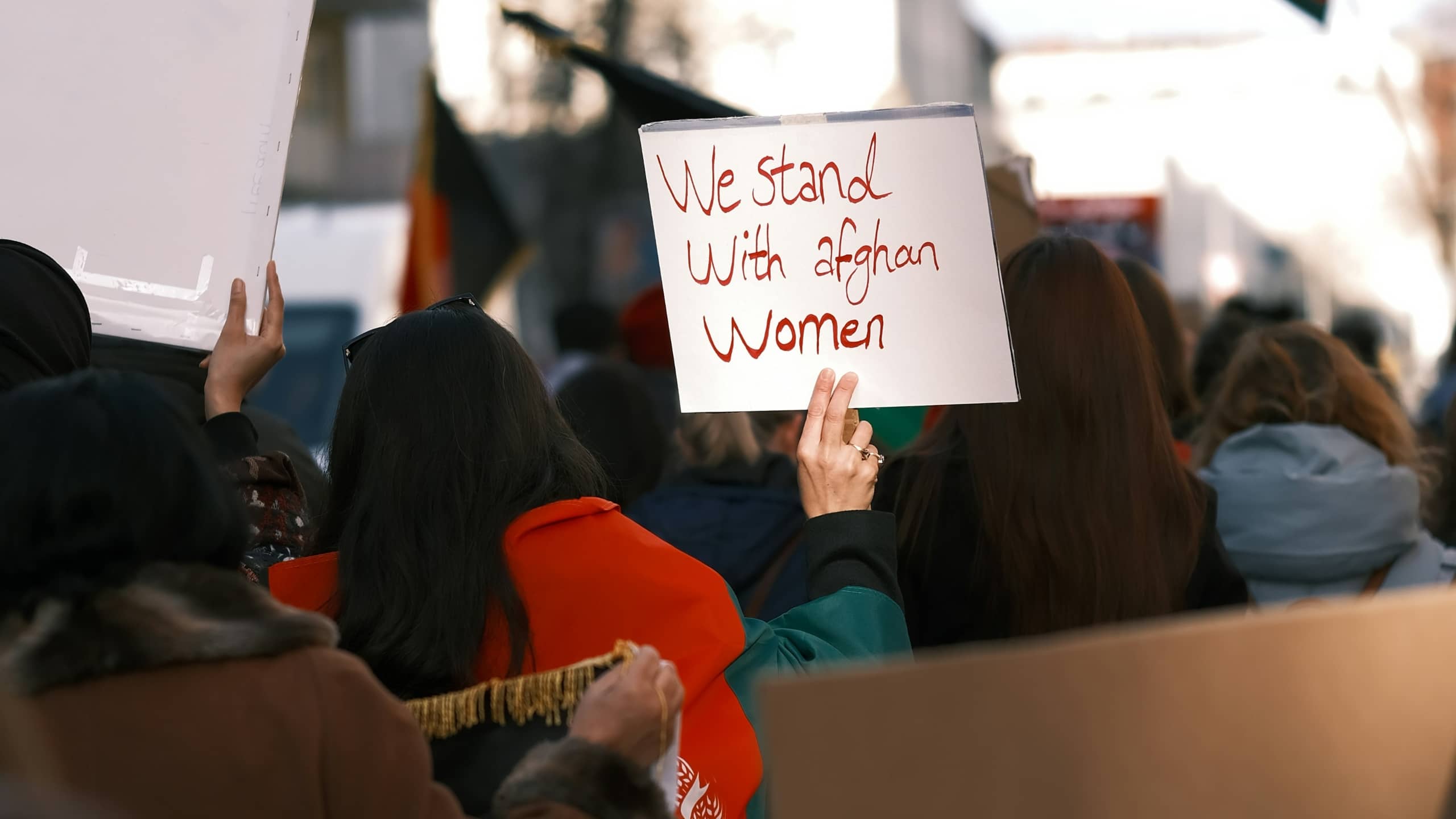
 Following the oral arguments held on 4-6 December 2019 on the Prosecutor’s appeal against the Pre-Trial Chamber decision not to open an investigation into the situation in Afghanistan, on March 5 2020, the Appeal Chamber decided unanimously to authorize the Prosecutor to commence an investigation into alleged crimes under the jurisdiction of the Court.
- The Appeals Chamber decided to authorize the opening of an investigation itself, rather than to send the matter back to the Pre-Trial Chamber for a new decision.
 Following the
 b. Situation in Palestine:
 On 28 January 2020, Pre-Trial Chamber I issued an order setting the procedure and schedule for the submissions relating to the scope of the Court’s territorial jurisdiction in the situation of Palestine.
- The Pre-Trial Chamber invited the State of Palestine, Israel, and other States, as well as victims, organizations and persons, to file written observations on the matter.
- On 30 April 2020, the OTP submitted a document to the Pre-Trial Chamber responding to the observations of amici curiae, legal representatives of victims, and States concerning the situation in the State of Palestine. In the Document, the Prosecutor re-affirms her position that there is a reasonable basis to initiate an investigation and that the Court has consequently territorial jurisdiction.
 On 28 January 2020, Pre-Trial Chamber I issued an order setting the procedure and schedule for the submissions relating to the scope of the Court’s territorial jurisdiction in the
 c. Situation in Venezuela:
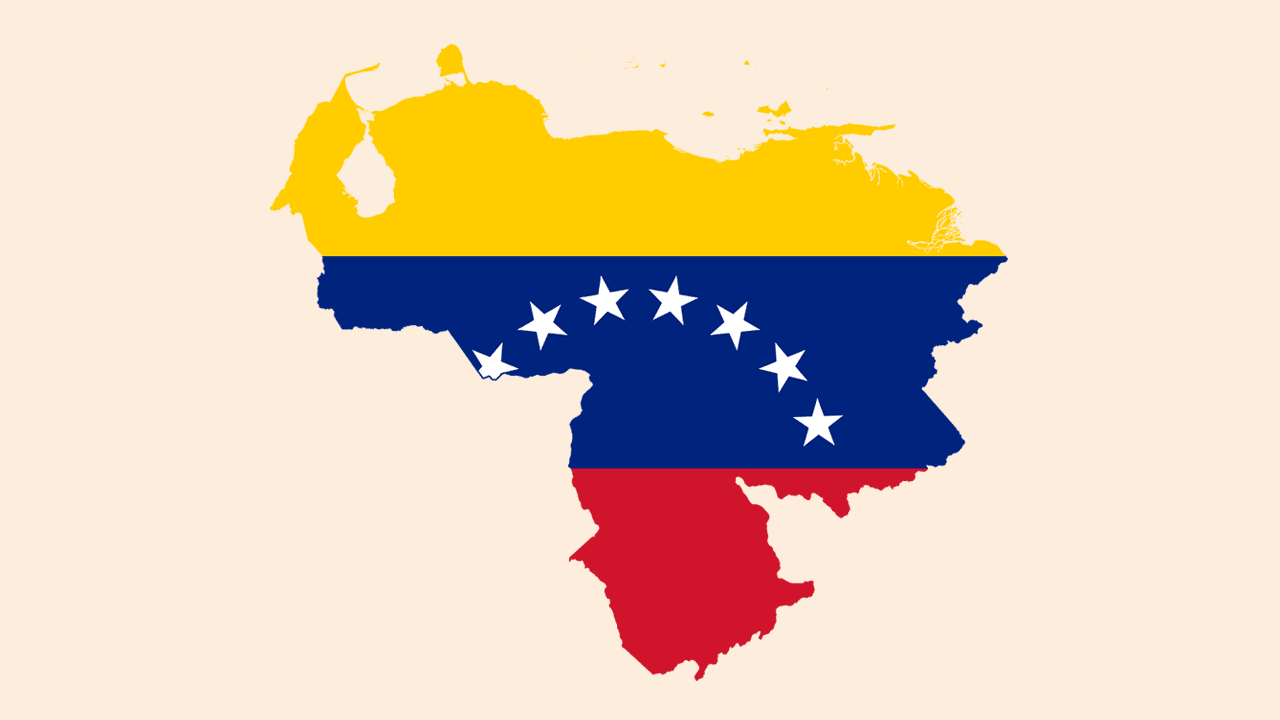 On 13 February 2020, the Office of the Prosecutor (OTP) received a second referral from the Government of the Bolivarian Republic of Venezuela regarding the alleged crimes against humanity being committed within its own territory.
- This referral came presided by the referral made on 27 September 2018 by a group of States Parties (first one to be submitted by a group of States), namely: Canada, the Republic of Argentina, the Republic of Colombia, the Republic of Chile, the Republic of Paraguay, and the Republic of Peru.
 On 13 February 2020, the Office of the Prosecutor (OTP) received a