


Loading...

Campagne de promotion de la sécurité nucléaire et radiologique

Le défi :

La Convention pour la Protection Physique des Matières Nucléaires (CPPNM) a été adoptée le 26 octobre 1979 et est entrée en vigueur le 8 février 1987. La CPPNM prévoit certains niveaux de protection physique pendant le transport international de matières nucléaires, en plus d'établir un régime général cadre de coopération entre les États pour la protection, la récupération et le retour des matières nucléaires volées. La CPPNM énumère également certaines infractions graves impliquant des matières nucléaires devant être prescrites et punies par les États parties, et pour lesquelles les contrevenants font l'objet d'un système d'extradition ou de poursuites.

En 1996, le Secrétaire Général des Nations Unies (SGNU) a préparé un rapport conformément à la résolution 50/53 de l'Assemblée générale des Nations Unies (A / RES / 50/53), qui analysait les instruments juridiques internationaux en place relatifs au terrorisme international. Le rapport concluait à la nécessité d'élaborer des cadres internationaux supplémentaires dans des domaines non envisagés dans les traités existants. L'une des initiatives proposées était la prévention de l'utilisation d'armes de destruction massive (ADM) par des terroristes.

Dans la période qui a immédiatement suivi les attentats terroristes du 11 septembre 2001 aux États-Unis d'Amérique, le risque de terrorisme lié aux ADM, y compris le terrorisme nucléaire, a commencé à recevoir une attention plus urgente de la part de la communauté internationale. Les matières nucléaires et radiologiques sur le marché illicite, en parallèle, sont également devenues un point d'alerte important, en particulier dans le cadre des révélations entourant les Réseaux de contrebande nucléaire d’A.Q. Khan dans les années 1980 et 1990.

La capacité des acteurs non étatiques, y compris des terroristes et des organisations terroristes, non seulement d'obtenir et d'utiliser des armes de destruction massive (ADM), mais aussi d'accéder à des matières chimiques, biologiques, radiologiques et nucléaires (CBRN), continue de poser problème. une grave menace pour la paix et la sécurité internationales. Ces dernières années, des acteurs non étatiques ont recherché de nouveaux moyens d'acquérir et d'utiliser des ADM dans la commission d'actes terroristes. Avec la croissance et l'expansion sans cesse croissantes des circuits commerciaux légaux et illégaux, le potentiel d'accès à ces armes et matériaux constitutifs n'est malheureusement devenu que plus facile.

La Convention Internationale pour la Répression des Actes de Terrorisme Nucléaire (ICSANT) a été adoptée le 13 avril 2005. L'ICSANT criminalise la possession, l'utilisation ou la menace d'utilisation d'engins radioactifs par des acteurs non étatiques, leurs complices et organisateurs « avec l'intention causer la mort ou des blessures corporelles graves » ou des dommages environnementaux ou matériels. L'ICSANT exige également que les gouvernements des États parties poursuivent les suspects de terrorisme devant les tribunaux nationaux ou les extradent vers leur pays d'origine et fournit également un cadre pour un échange d'informations accru et une plus grande coopération entre les États dans la poursuite des suspects de terrorisme. L'ICSANT exhorte également les États à assurer la protection des matières radioactives, « en tenant compte » des recommandations de l'Agence internationale de l'énergie atomique (AIEA). L'ICSANT classe également comme infraction punissable toute attaque contre des installations nucléaires qui pourrait risquer le rejet de matières radioactives.

Cependant, étant donné que la quantité de matières nucléaires en circulation à des fins civiles n'a cessé d'augmenter, la CPPNM et l'ICSANT ont été jugées insuffisantes pour la protection des installations nucléaires ou des matières nucléaires utilisées, stockées et transportées au niveau national. Conformément à l'article 2, la CPPNM s'applique aux matières nucléaires utilisées à des fins pacifiques lors du transport nucléaire international. Le 8 juillet 2005, les États parties à la CPPNM ont adopté l’amendement à la CPPNM. La Convention amendée rend juridiquement contraignante pour les États parties la protection des installations et des matières nucléaires utilisées à des fins pacifiques, au stockage et au transport. L'amendement prévoit également une coopération accrue entre les États et entre les États en ce qui concerne les mesures rapides pour localiser et récupérer les matières nucléaires volées ou introduites en contrebande, atténuer les conséquences radiologiques du sabotage et prévenir et combattre les infractions connexes.

CPPNM Amendement à la CPPNM ICSANT

Adopté : 26 octobre 1979

Adopté : 8 juillet 2005

Adopté : 13 avril 2005

Ouvert à signature : 3 mars 1980

Ouvert à Signature : N/A

Ouvert à Signature : 14 septembre 2005

Entrée en vigueur : 8 février 1987

Entrée en vigueur : 8 mai 2016

Entrée en vigueur : 7 juillet 2007

Nombre d'États Parties : 162

Nombre d'États Parties : 125

Nombre d'États Parties :/strong> 117

Nombre de Signataires : 44

Nombre de Signataires : N/A

Nombre de Signataires : 115

Dépositaire:

Agence Internationale de l'Énergie Atomique (IAEA)

Dépositaire:

Agence Internationale de l'Énergie Atomique (IAEA)

Dépositaire

Secrétaire Général des Nations Unies


La CPPNM oblige les États Parties:

  • Prendre des mesures spécifiques et respecter les normes de protection physique définies pour les transferts internationaux de matières nucléaires à des fins pacifiques (plutonium, uranium 235, uranium 233 et combustible usé).
  • S'engager à ne pas exporter ou importer de matières nucléaires ou à autoriser leur transit sur leur territoire à moins d'être assurés que ces matières seront protégées pendant le transport international conformément aux niveaux de protection déterminés par la Convention;
  • Coopérer à la récupération et à la protection des matières nucléaires volées, en partageant les informations sur les matières nucléaires manquantes;
  • Criminaliser des actes spécifiés, y compris l'utilisation abusive ou la menace d'utiliser à mauvais escient des matières nucléaires pour nuire au public; et
  • Poursuivre ou extrader les personnes accusées d'avoir commis de tels actes. Les États parties s'engagent à inclure ces infractions comme cas d'extradition dans tout futur traité d'extradition à conclure entre eux.

La Convention fournit également un cadre pour la coopération internationale dans l’échange d’informations sur la protection physique.


  •  État signataire cible
  •  État non-signataire cible
 

Amendement à la CPPNM | Dispositions clés


Comme indiqué par l'Agence internationale de l'énergie atomique (AIEA), l'amendement à la CPPNM rend “juridiquement contraignante de protéger les installations et les matières nucléaires utilisées à des fins pacifiques dans le pays, le stockage et le transport et prévoit également une coopération élargie entre les États en ce qui concerne les mesures rapides pour localiser et récupérer les matières nucléaires volées ou introduites en contrebande, atténuer les conséquences radiologiques du sabotage et prévenir et les infractions liées au combat"

  •  État signataire cible
  •  État non-signataire cible
  •  État signataire
 

ICSANT | Dispositions clés

  • Une définition plus large (que la CPPNM) des matières et des installations couvrant à la fois les applications militaires et civiles.
  • La criminalisation de la planification, de la menace ou de l'exécution d'actes de terrorisme nucléaire; elle oblige les États à criminaliser ces infractions par la mise en œuvre dans le droit national et à établir des sanctions en fonction de la gravité de ces crimes
  • Lignes directrices pour l'extradition et autres mesures punitives.
  • L'obligation pour les États de prendre toutes les mesures possibles pour prévenir et contrer les préparatifs d'infractions qui ont lieu sur ou hors de leur territoire.

La Réponse: la Campagne de Promotion de la Sécurité Nucléaire et Radiologique

Lancée en mars 2021, la campagne de sécurité nucléaire et radiologique de PGA vise à remédier au fait qu'un grand nombre d'États dans le monde ne sont pas encore devenus des États parties et / ou n'ont pas pleinement mis en œuvre (i) la Convention sur la protection physique des matières nucléaires (CPPNM), (ii) son amendement et (iii) la Convention internationale pour la répression des actes de terrorisme nucléaire (ICSANT).

La PGA a un réseau de membres actifs dans de nombreux États signataires et non signataires du monde entier à ces 3 traités internationaux qu'elle cherchera à mobiliser pour promouvoir une universalité plus large et la mise en œuvre des 3 traités internationaux, en consultation et en collaboration avec les organisations et partenaires.

Les membres mondiaux de PGA, depuis 2015, ont apporté des contributions décisives à la promotion de l'universalité et de la mise en œuvre de la Convention sur les armes biologiques ainsi qu'à la mise en œuvre de la résolution 1540 du Conseil de sécurité des Nations Unies.

De même, les membres mondiaux de PGA ont apporté des contributions tout aussi importantes à la lutte contre le commerce illicite des armes légères et de petit calibre dans le monde et à la promotion de l’universalité et de la mise en œuvre du Traité sur le commerce des armes.


Constitutive Documents and Resource Reports

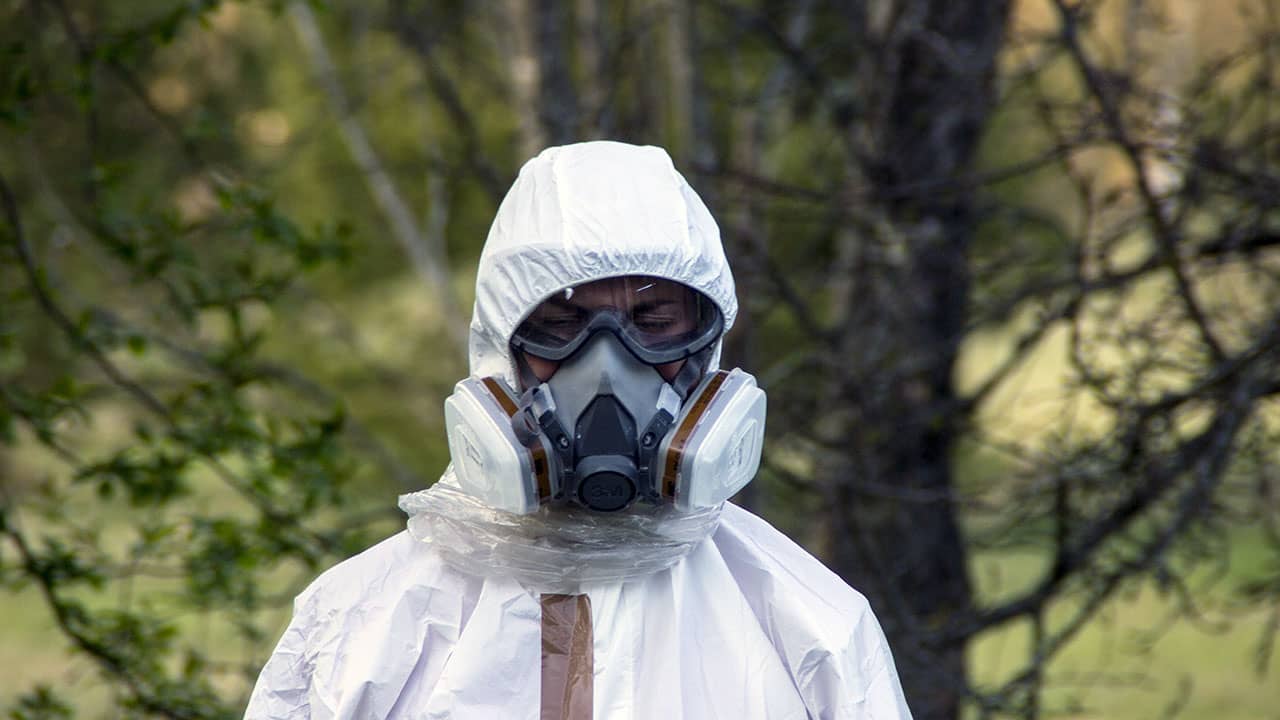
hazmat suit


Principaux succès

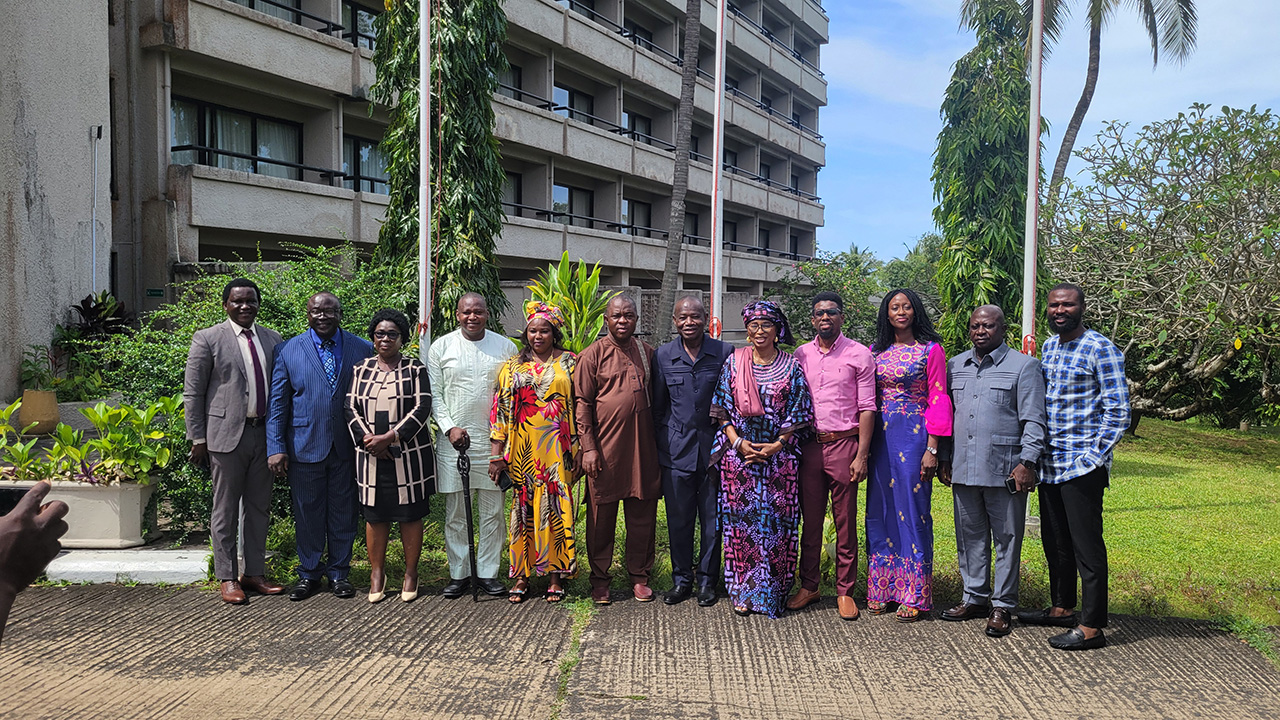
PGA National Parliamentary Session on Nuclear and Radiological Security, Freetown, Sierra Leone

PGA National Parliamentary Session on Nuclear and Radiological Security, Freetown, Sierra Leone

PGA is grateful to the Parliament of Sierra Leone for facilitating the organization of this Workshop and to UNODC for their continued important collaboration with and cooperation.

PGA's International Peace and Security Program  organized a National Parliamentary Session (NPS) on Nuclear and Radiological Security in Freetown, Sierra Leone on October 21st, 2024. An initial welcome and introduction was made by the Chair of the Legislative Committee of the Parliament of Sierra Leone, Hon. Sulamain Conteh. This was immediately followed by a wide-ranging overview made by former PGA Executive Committee Member and Member of Parliament, Hon. Dr. Bernadette Lahai CRSL (formerly also Vice President of the Pan African Parliament) of past and present extensive engagement by PGA with the Parliament of Sierra Leone and its PGA Membership, including the organization of two previous events in Freetown in the past 15 years.   Following a summary provided by the Senior Director of PGA's International Peace and Security Program of programmatic activity within PGA IPSP, Peter Barcroft introduced participants to PGA IPSP's Nuclear and Radiological Campaign, in particular focussing on ongoing efforts to promote adherence to the International Convention for the Suppression of Acts of Nuclear Terrorism (ICSANT) in numerous States worldwide. Thereafter, a substantive and informative presentation on the goal and objectives of ICSANT, as well as the benefits of adherence, was provided virtually in PowerPoint format by Mr. Artem Lazarev, Programme Officer, CBRN Terrorism Prevention Programme Terrorism Prevention Branch of the United Nations Office on Drugs and Crime (UNODC) in Vienna. There followed a lively and lengthy Question and Answer session with many participants engaging directly, seeking clarifications and/or additional information as well as making general, helpful contextual observations - in terms of encouraging the Government of Sierra Leone to explore the possibility of ratifying ICSANT, having already signed it in 2005.  Prior to conclusion of the National Parliamentary Session, Mr. Peter Barcroft, Senior Director, PGA IPSP made a PowerPoint presentation highlighting the gender differentiated impact of nuclear and radiological weapons and materials on women which was also well received by all participants. Brief suggested points of action were also raised at the conclusion of the NPS and it was agreed that the participants would further refine these points of action, following subsequent internal consultations among themselves.  PGA is grateful to the Parliament of Sierra Leone for facilitating the organization of this Workshop, to UNODC for their continued important collaboration with and cooperation in the implementation of this project as a whole as well as to the Weapons Threat Reduction Program of Global Affairs Canada for funding support for this successful event. 

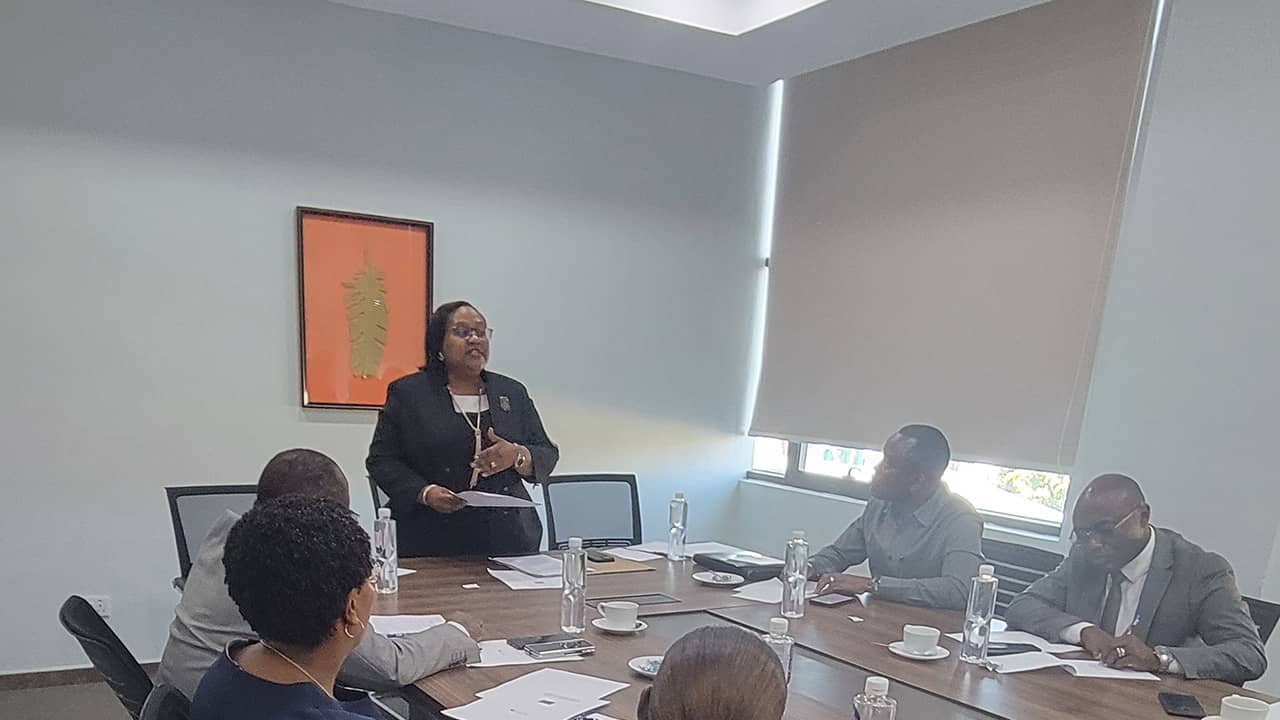
PGA National Parliamentary Session on Nuclear and Radiological Security Dodoma, Tanzania

PGA National Parliamentary Session on Nuclear and Radiological Security Dodoma, Tanzania

While Tanzania is already a State Party to the Nuclear Non-Proliferation and other treaties, action is still pending .with respect to several other crucial international conventions and treaties which regulate nuclear and radiological security,.

On 18th June, 2024, and with the kind support of the Weapons Threat Reduction Program (WTRP) of Global Affairs Canada (GAC WTRP), PGA's International Peace and Security Program (IPSP) organized a National Workshop on Promoting Nuclear and Radiological Security in Dodoma, Tanzania. While Tanzania is already a State Party to the Nuclear Non-Proliferation Treaty (NPT), the Comprehensive Nuclear-Test-Ban Treaty (CTBT) as well as the Convention on the Physical Protection of Nuclear Material (CPPNM), to date action is still pending with respect to several other crucial international conventions and treaties which regulate nuclear and radiological security, notably the International Convention for the Suppression of Acts of Nuclear Terrorism (ICSANT) as well as the Amendment to the Convention on the Physical Protection of Nuclear Material (A/CPPNM).  Opened with Welcome Remarks from long-time PGA Member, Hon. Jasson Rweikiza, MP, this Workshop was convened in order to provide a space for 10 Members of Parliament from Tanzania to improve their knowledge and understanding of nuclear and radiological security, in particular the importance and benefits of adherence to key international treaties regulating this field.  With a Keynote Address by PGA Member, the Hon. Dr. Pindi Chana, MP, Minister for Constitutional and Legal Affairs of Tanzania, in which she highlighted the many reasons why Tanzanian MPs should become more engaged in this arena at the national level, this Workshop also allowed for an opportunity for participants to receive several in-depth presentations from experts from both the African Center for Science and International Security (AFRICSIS) as well as from the United Nations Office on Drugs and Crime (UNODC).  The gender differentiated impact of the use of nuclear and radiological weapons, or release of nuclear or radiological material, specifically the disproportionately adverse impact of such actions on women, was also highlighted in a presentation made by PGA during the course of the event. Five female legislators participated in this Workshop.  Prior to conclusion of this Workshop, a number of potential points of action were identified for subsequent follow-up by participants to promote the objectives of this event. In the months ahead, PGA will continue to stay in contact with participants with a view to facilitating subsequent initiative-taking in furtherance of the objectives of this Workshop. PGA is very grateful to Hon. Jasson Rweikiza, MP for his assistance in convening this Workshop in Tanzania as well as to the Weapons Threat Reduction Program of Global Affairs Canada for their kind funding support, without which it would not have been possible to organize this successful event.  

Dernières Nouvelles :

Participation by PGA in the G7 Global Partnership (GP) Meetings on Non-Proliferation of Weapons of Mass Destruction (WMD)

The PGA Secretariat was invited to participate in Global Partnership (GP) Meetings on Non-Proliferation of Weapons of Mass Destruction in Ottawa, Canada on 5 – 7 February 2025.

Republic of Seychelles Deposits its Instrument of Ratification to ICSANT With the United Nations

Seychelles will therefore now become the 126th State Party to the International Convention for the Suppression of Acts of Nuclear Terrorism, thirty days from today's date of deposit of Instrument of Ratification - on January 2nd, 2025.

PGA welcomes the Nomination of a Point of Contact by The Gambia to the United Nations Security Council 1540 Committee

Resolution 1540 (2004) affirms that the proliferation of nuclear, chemical and biological weapons and their means of delivery constitutes a threat to international peace and security

Countries targeted by the NRS Campaign and their status in regard to ICSANT, CPPNM and ACPPNM

Country ICSANT CPPNM ACPPNM
Bahamas Non-Signatory State State-Party Non-State Party
Barbados Non-Signatory State Non-Signatory State Non-State Party
Belize Non-Signatory State Non-Signatory State Non-State Party
Bolivia Non-Signatory State State-Party State-Party
Botswana State-Party
State-Party State-Party
Burkina Faso Signatory State State-Party State-Party
Cambodia Signatory State State-Party Non-State Party
Cameroon Non-Signatory State State-Party State-Party
Central African Republic State-Party State-Party Non-State Party
Chad Non-Signatory State State-Party State-Party
Colombia Signatory State State-Party State-Party
Democratic Republic of Congo State-Party State-Party Non-State Party
Ecuador Signatory State State-Party State-Party
Eswatini Signatory State State-Party State-Party
Gambia Non-Signatory State Non-Signatory State Non-State Party
Ghana Signatory State State-Party State-Party
Grenada Non-Signatory State State-Party Non-State Party
Guinea Signatory State State-Party Non-State Party
Guinea Bissau State-Party State-Party Non-State Party
Guyana Signatory State State-Party Non-State Party
Haiti Non-Signatory State Signatory State Non-State Party
Honduras Non-Signatory State State-Party Non-State Party
Liberia Signatory State State Party State Party
Malawi State-Party State-Party Non-State Party
Malaysia Signatory State Non-Signatory State Non-State Party
Maldives Non-Signatory State Non-Signatory State Non-State Party
Mauritius Signatory State Non-Signatory State Non-State Party
Mozambique Signatory State State-Party Non-State Party
Nepal Non-Signatory State Non-Signatory State Non-State Party
Pakistan Non-Signatory State State-Party State-Party
Philippines Signatory State State-Party State-Party
Saint Vincent and the Grenadines State Party Non-Signatory State Non-State Party
Senegal Signatory State State-Party State-Party
Seychelles Signatory State State-Party State-Party
Sierra Leone Signatory State Non-Signatory State Non-State Party
Somalia Non-Signatory State Non-Signatory State Non-State Party
South Sudan Non-Signatory State Non-Signatory State Non-State Party
Suriname Non-Signatory State Non-Signatory State Non-State Party
Tanzania Non-Signatory State State-Party Non-State Party
Togo Signatory State State-Party Non-State Party
Trinidad and Tobago Non-Signatory State State-Party Non-State Party
Uganda Non-Signatory State State-Party Non-State Party
Zambie State-Party State-Party Non-State Party
Zimbabwe State-Party State-Party State-Party

Donateur de la campagne


 Global Affairs Canada

Notre méthode

À travers une méthodologie pair-à-pair et une stratégie adaptée à la situation de chaque pays, le secrétariat et les membres de PGA s’efforcent à éduquer, sensibiliser, renforcer la volonté politique des parlementaires et leurs capacités techniques et juridiques à prendre des initiatives concrètes, notamment législatives, qui contribuent aux objectifs des campagnes de PGA.

PGA travaille avec les parlementaires à titre individuel, en considérant les contextes particuliers à chaque pays, et met à profit leur mandat à travers un réseau international qui facilite les connexions entre les acteurs de la société civile et les parlementaires, et fait le lien entre les preneurs de décision et parties prenantes aux niveaux national et international.

Pour en savoir plus sur notre théorie du changement