


Loading...

Action Climatique

Le défi : Protéger la planète contre le changement climatique

Trees in a forest in New York State after a rain storm.
Photo: “Trees in a forest in New York State after a rain storm.” UN Photo/Mark Garten

Le changement climatique menace toute une série de droits humains : droit à la vie, à l’eau et à l’assainissement, à la sécurité alimentaire, à la santé, au logement, à l’autodétermination, à la culture et au développement. Le changement climatique représente également un multiplicateur de menaces (document disponible en anglais), dont les effets négatifs affectent de manière disproportionnée les pays et autres pans de la population se trouvant déjà dans des situations désavantageuses.

En effet, les groupes marginalisés et vivant dans des circonstances de vulnérabilité, elles-mêmes causée par les inégalités et injustices préexistantes, sont d’autant plus touchés par les répercussions du changement climatique, et ils disposent de conditions moins favorables ou de capacités réduites pour pouvoir s’adapter et atténuer les effets du changement climatique. Des individus dépendant de certains facteurs, tels que la géographie, la pauvreté, le sexe, l’orientation sexuelle/l’identité de genre, l’âge, l’ethnicité ou la race, la nationalité de naissance, le statut social, ou encore le handicap, sont ainsi d’autant plus menacés.

Les États ont l’obligation de prévenir les effets néfastes et prévisibles du changement climatique sur les droits humains, et de veiller à ce que les populations impactées par de telles répercutions, en particulier les plus vulnérables, aient accès à des recours efficaces et à des moyens d’adaptation pour mener une vie conforme à la dignité humaine.

Reconnaissant que la paix et la prospérité pour tous ne peuvent être atteintes que dans le respect des personnes et de notre planète, la communauté internationale a adopté le Program de développement durable à l’horizon 2030, afin d’encourager l’action autour de 17 Objectifs de développement durable (ODD) interconnectés. Initiée en 2020, en pleine pandémie mondiale, la Décennie d’action pour atteindre les ODD renouvèle le sentiment d’urgence et permet de lutter contre la pauvreté et les inégalités croissantes, d’autonomiser les femmes et les filles et de répondre à l’urgence climatique.

La réponse : La Campagne pour l’Action Climatique

Tout en se basant sur une approche fondée sur les droits humains, la Campagne de mobilisation des parlementaires sur l’action climatique (Campagne pour l’Action Climatique) a été lancée en 2021 et se concentre régionalement sur les Caraïbes. En effet, elle vise à sensibiliser et à mettre en œuvre l’Accord d’Escazú comme outil de gouvernance climatique, ainsi qu’à garantir les droits d’accès à l’information, la participation et la justice en matière d’environnement.

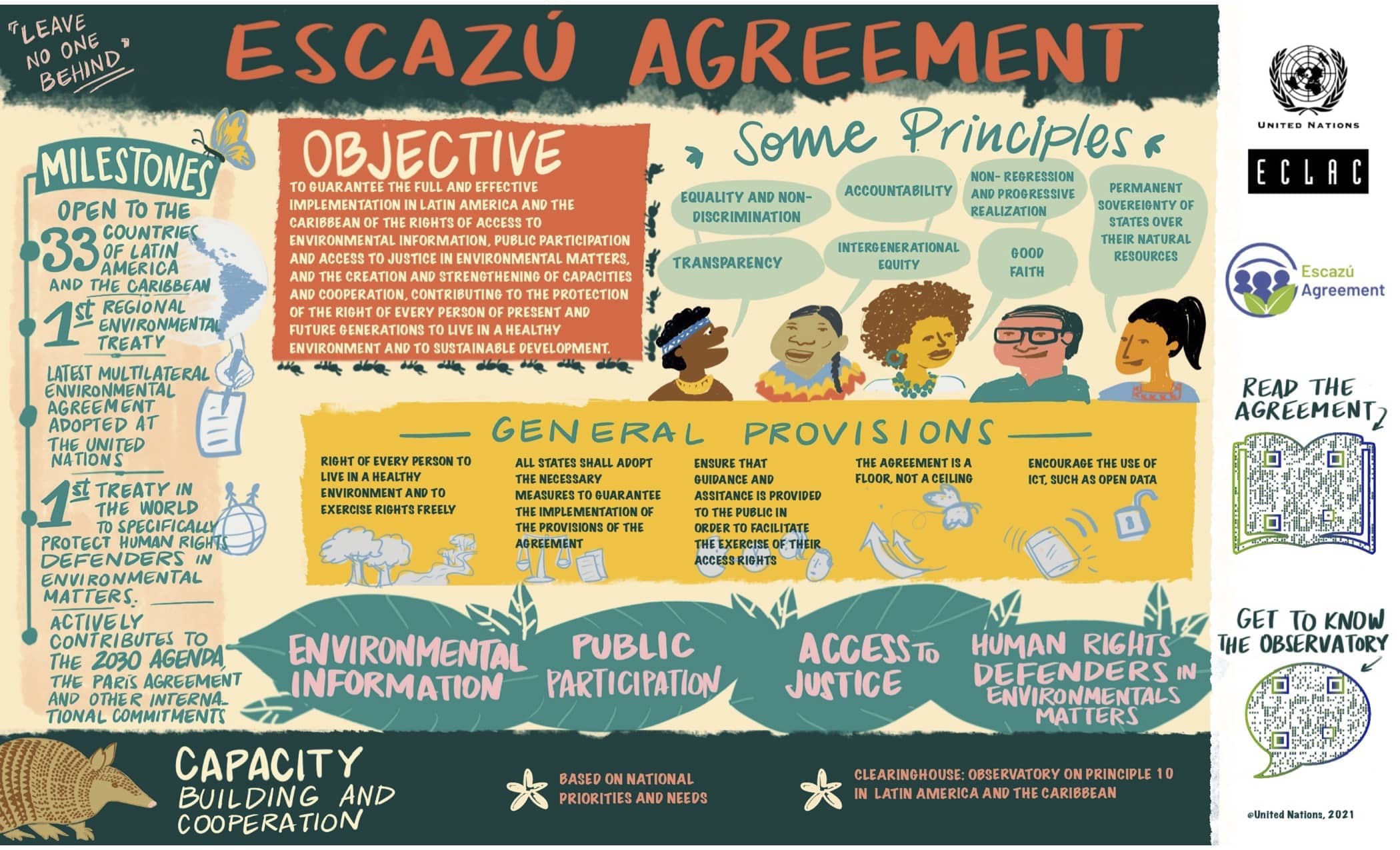
L’Accord d’Escazú est le seul accord contraignant issu de la Conférence des Nations Unies sur le développement durable (Rio+20), le premier accord environnemental régional d’Amérique latine et des Caraïbes, et le premier accord au monde à prévoir des dispositions spécifiques sur les défenseurs des droits humains en matière d’environnement. L’Accord vise également à la création et au renforcement des capacités et de la coopération, contribuant ainsi à la protection du droit de chaque personne, dans le temps présent et pour les générations futures, à vivre dans un environnement sain, et à promouvoir le développement durable. (Source disponible en anglais : CEPALC)

L’Accord d’Escazú permet de mettre en œuvre l’Agenda 2030 pour le développement durable (article disponible en anglais), puisqu’il consolide l’État de droit et renforce la démocratie participative, protège les droits humains et prévient les conflits sociaux dans un contexte de changement des structures de production des économies. L’Accord contribue particulièrement à l’ODD 16 : paix, justice et institutions efficaces ; l’ODD 10 : inégalités réduites ; l’ODD 12 : consommation et production durables ; l’ODD 13 : lutte contre les changements climatiques ; l’ODD 14 : vie aquatique ; et l’ODD 15 : vie terrestre.

Pour atteindre son objectif d’amélioration de la gouvernance climatique, la Campagne Action Climat prévoit les résultats suivants :

  • Sensibiliser les parlementaires sur leur rôle dans la garantie de l'égalité et de la non-discrimination pour tous les individus, en particulier pour les communautés les plus vulnérables puisqu’elles subissent les effets du changement climatique de manière disproportionnée en raison d’inégalités structurelles et de dispositions discriminatoires ;
  • Sensibiliser les parlementaires à l’Accord d’Escazú sur l’accès à l’information, la participation du public et la justice en matière d’environnement en Amérique latine et dans les Caraïbes, en tant qu’outil pour catalyser l’action climatique à partir d’une approche fondée sur les droits humains dans la région ;
  • Promouvoir la ratification de l’Accord d’Escazú et fournir une assistance technique pour sa mise en œuvre effective dans les cadres juridiques nationaux des pays ciblés des Caraïbes ;
  • Améliorer l’engagement entre les parlementaires et les représentants de la société civile, y compris les personnes et les groupes en situation vulnérable, afin de renforcer leurs “droits d’accès” et les mécanismes de justice climatique.
Téléchargez la fiche d'information pour les parlementaires : L'accord d'Escazú, un traité sur l'environnement et les droits humains >> 
.

Le #EscazúAgreement reconnaît, protège et promeut les droits de tous les défenseurs de l'environnement.

Dans les médias

For more information:

Mme. Faatimah Saarah Monawvil
Directrice
Email: 

Principaux succès

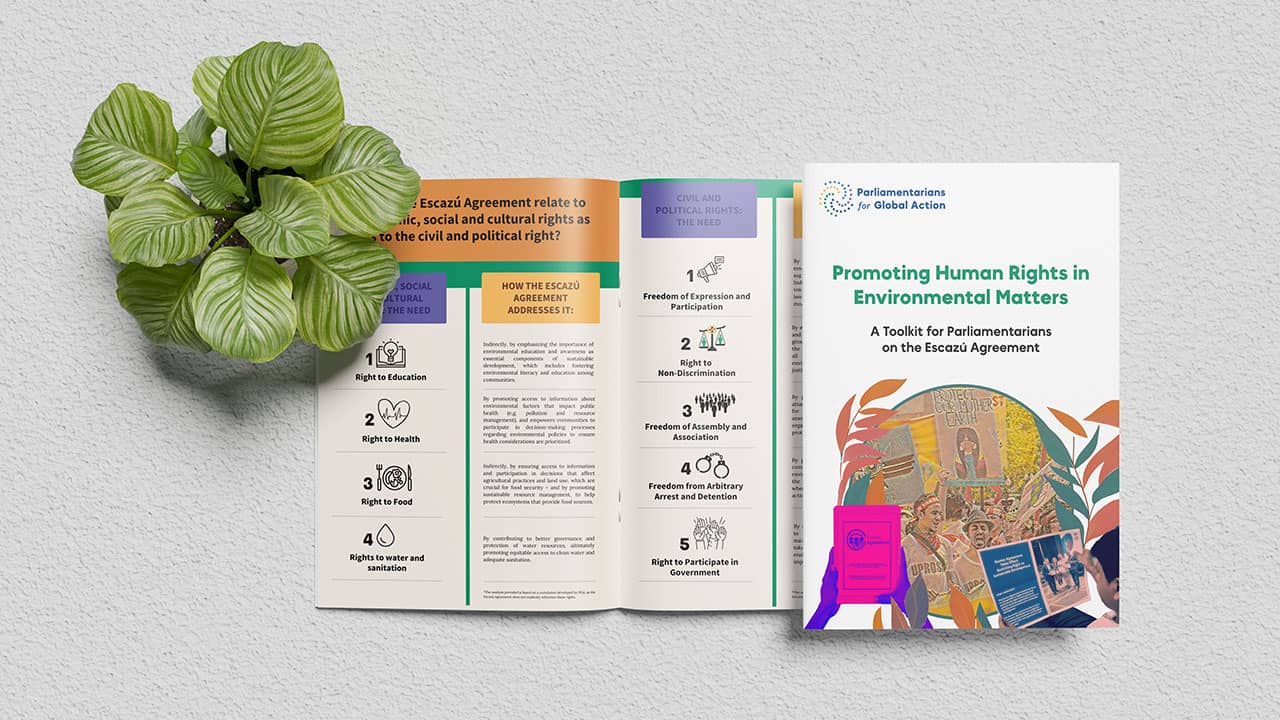
Promoting Human Rights in Environmental Matters

Promoting Human Rights in Environmental Matters

A toolkit on the Escazú Agreement designed to equip legislators with resources to advance climate governance and environmental democracy in Latin America and the Carribbean.
Parliamentarians in Trinidad and Tobago Develop Recommendations to Strengthen Environmental Governance and Secure the Human Rights of Environmental Defenders

Parliamentarians in Trinidad and Tobago Develop Recommendations to Strengthen Environmental Governance and Secure the Human Rights of Environmental Defenders

The hybrid, non-partisan Caucus brought together parliamentarians, experts, and civil society to explore the Escazú Agreement.

On November 13th, 2024, Parliamentarians for Global Action (PGA), the United Nations Economic Commission for Latin America and the Caribbean (ECLAC), the Caribbean Natural Resources Institute (CANARI), and the University of the West Indies (UWI), jointly hosted the Parliamentary Caucus: The Escazú Agreement as a Tool for Climate Governance and Environmental Democracy in Trinidad and Tobago. The hybrid, non-partisan Caucus brought together parliamentarians, experts, and civil society to explore the Escazú Agreement as a tool for  ensuring the rights to access information, participation and justice in environmental matters, while reinforcing the human right to a healthy environment. Participants engaged in an interactive discussion on the crucial role of parliamentarians and explored innovative strategies to strengthen  access rights and protect human rights defenders in environmental matters. Opening the event, Senator Wade Mark (Trinidad and Tobago), Chair of  PGA’s National Group in Trinidad and Tobago, welcomed participants, stressing the importance of parliamentary action and the Escazú Agreement as a vital tool for environmental democracy. Ms. Diane Quarless, Director of  ECLAC’s Subregional Headquarters for the Caribbean, and Dr. Bheshem Ramlal, Professor of Geospatial Information Engineering and Dean of the Faculty of Engineering at UWI delivered opening remarks highlighting the significance of multi-stakeholder collaboration to address the escalating environmental crisis and the importance of the Escazú Agreement in this context. Mr.David Persaud, Director of the Environmental Policy and Planning Division in the Ministry of Planning and Development delivered the keynote address, underscoring the importance of transparency, inclusivity, and accountability in environmental governance, in line with with strong multilateral environmental agreements like Escazú. Mr. Hayden Romano, Managing Director of the Environmental Management Authority (EMA), outlined the Escazú Agreement’s relevance to Trinidad and Tobago’s existing environmental policies. Ms. Francisca Aguilar, Legal Research Assistant at  ECLAC Escazú Agreement Secretariat, and Mr. David Barrio Lamarche, Legal Officer at  ECLAC Escazú Agreement Secretariat, elaborated on the Agreement’s capacity to empower civil society, improve transparency, and enable more inclusive environmental decision-making processes. Senator Anthony Vieira (Trinidad and Tobago) and Ms. Dylis McDonald, Senior Technical Officer at CANARI, moderated a fruiful interactive discussion among all participants on the role of parliamentarians to develop a list of key recommendations for parliamentarians, by parliamentarians. Experts Ms. Danielle Andrade-Goffe, Attorney at Law, Ms. Nicole Leotaud, Elected Representative of the Public for the Escazú Agreement, and Ms. Kate Wilson, Legal Officer in the Department of Sustainable Development of the Government of Saint Lucia, shared strategies for strengthening legal frameworks and ensuring the participation of civil society in environmental decision-making processes. Senator Sophia Frazer-Binns (Jamaica), Shadow Minister of Environment and Ecological Heritage, shared her perspective on Jamaica’s journey with the Escazú Agreement and the importance of sustained cross-party cooperation to prioritize environmental justice. Ms. Leotaud highlighted the vital role of civil society in the implementation of the Escazú Agreement and emphasized the need for strengthening public participation in environmental decision-making processes, as well as the importance of ensuring that marginalized communities are included in these discussions. Ms. Wilson shared insights on the development of a national roadmap for implementing the Escazú Agreement in Saint Lucia and described the critical role of parliamentarians in shaping this roadmap, ensuring that it reflected the needs of local communities. Ms. Andrade-Goffe reflected on the importance of drafting and reviewing legislation to ensure effective access to information, participation, and justice in environmental matters, emphasizing the need for inclusive and accessible legislative frameworks that protect the rights of environmental defenders. The interactive discussion concluded with a summary by Sen. Vieira of key recommendations developed during the Caucus, which include actions to strengthen environmental governance and protect human rights defenders, prioritize legal and institutional reforms to enhance accountability and public participation, and urge the government to explore regional instruments such as the Escazú Agreement. Ms. Anna Cadiz-Hadeed, Acting Executive Director of CANARI, Ms. Artie Dubrie, Coordinator of the Sustainable Development and Disaster Unit at ECLAC Subregional Headquarters for the Caribbean, Dr. Bheshem Ramlal, and Ms. Saarah Monawvil, Director of the Human Rights & Environment Program at PGA, offered closing remarks thanking participants and highlighting the importance of cooperation towards the common goal of a better, more sustainable and inclusive future for the region, where human rights of all people are respected, and nature thrives for present and future generations.

Dernières Nouvelles :

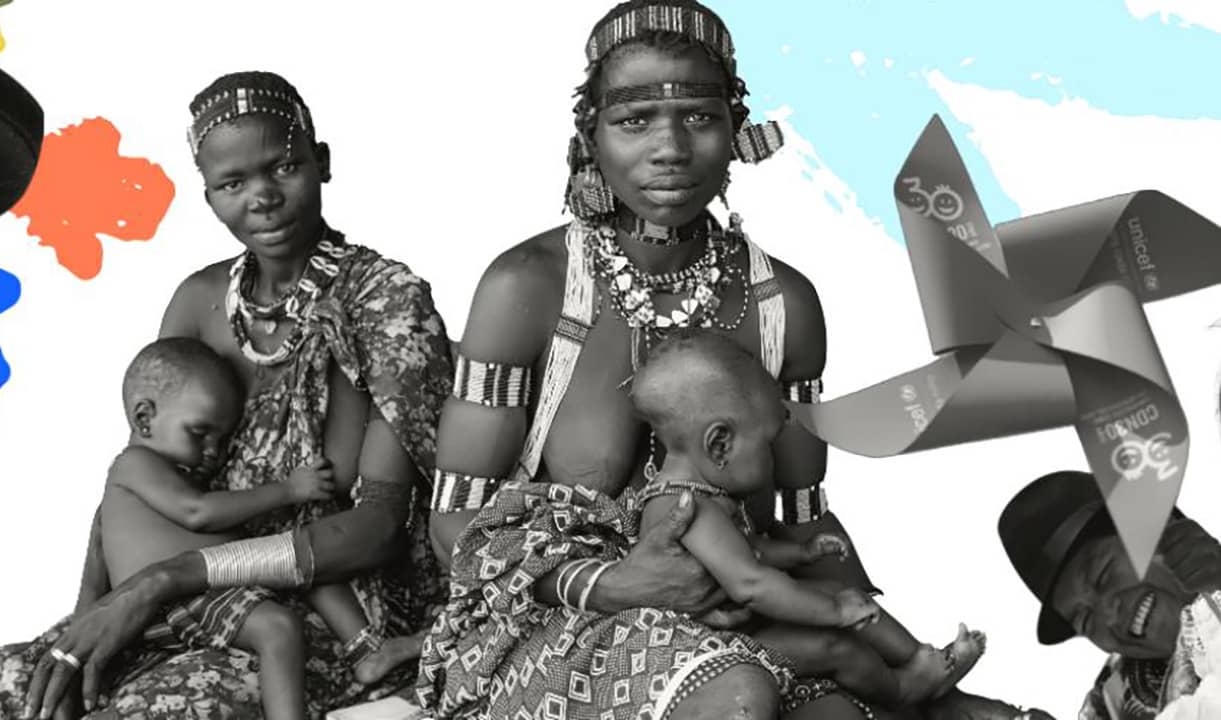
UN Composition with photographs by PAHO (left), Martine Perret (center) and UNICEF Ecuador-Arcos (right)

This year’s theme, “Indigenous Peoples and AI: Defending Rights, Shaping Futures,” highlights the opportunities and challenges that artificial intelligence presents for Indigenous communities.

Photo by Colin Watts on Unsplash

The hybrid, non-partisan Caucus brought together parliamentarians, experts, and civil society to explore the Escazú Agreement.

Photo by Pixabay: https://www.pexels.com/photo/body-of-water-355328/

This session, jointly hosted by Parliamentarians for Global Action (PGA) and ParlAmericas, will bring together parliamentarians and civil society representatives from the Caribbean SIDS for a dialogue on the Escazú Agreement

Notre méthode

À travers une méthodologie pair-à-pair et une stratégie adaptée à la situation de chaque pays, le secrétariat et les membres de PGA s’efforcent à éduquer, sensibiliser, renforcer la volonté politique des parlementaires et leurs capacités techniques et juridiques à prendre des initiatives concrètes, notamment législatives, qui contribuent aux objectifs des campagnes de PGA.

PGA travaille avec les parlementaires à titre individuel, en considérant les contextes particuliers à chaque pays, et met à profit leur mandat à travers un réseau international qui facilite les connexions entre les acteurs de la société civile et les parlementaires, et fait le lien entre les preneurs de décision et parties prenantes aux niveaux national et international.

Pour en savoir plus sur notre théorie du changement