



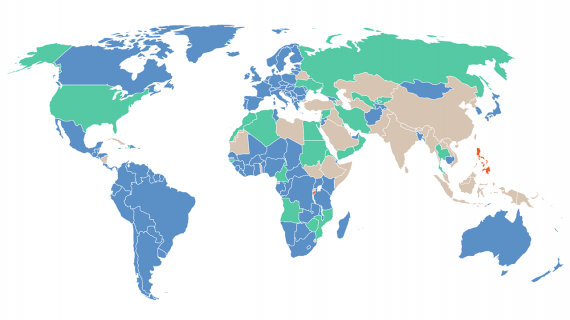
Yemen signed the Rome Statute on 28th December 2000 but has not ratified it yet.
Zimbabwe signed the Rome Statute on 17 July, 1998 but has not ratified it.
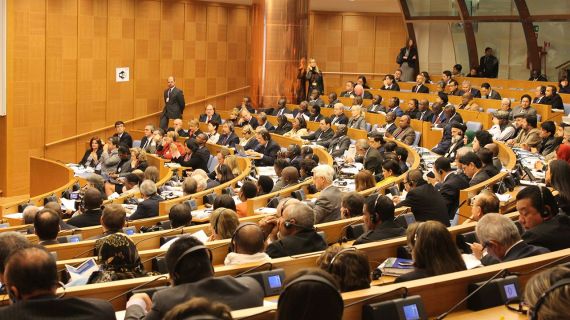
The Consultative Assembly of Parliamentarians on the International Criminal Court and the Rule of Law (CAP-ICC) is the only global gathering of legislators focused solely on the Rome Statute system of the ICC.

A list of relevant events where the U.S. played a critical role, in addition to the evolution of the relation between the United States and the International Criminal Court.
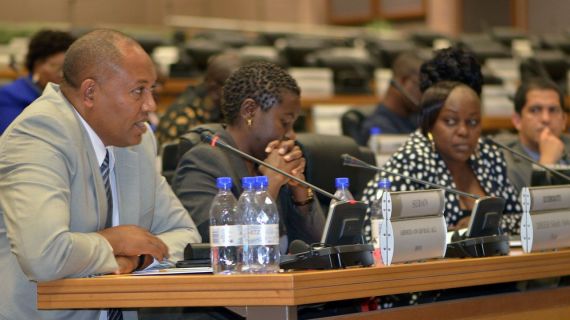
The Pan-African Parliament (PAP), also known as the African Parliament, was established in 2004. It is the legislative body of the African Union.
While most Governments in the Middle East and North Africa have expressed support for the ICC, few have taken the necessary steps to ratify or accede to the Rome Statute.

Implementation is the adoption of domestic legislation by a State to comply with the overall objective of putting “an end to impunity (…) for the most serious crimes of concern to the International Community as a whole” (cf. Preamble of the Rome Statute).

PGA members across the African continent constitute the largest segment of the PGA global membership and played a fundamental role in the national decision-making processes that led most of their countries to join the Rome Statute system.
The Asia-Pacific region remains the most unrepresented one in the Rome Statute system. Even though the region is home to approximately 60% of the world’s population, only 19 out of 55 Asia-Pacific countries are represented in this membership.
Protecting the integrity of the Rome Statute system refers to upholding all the norms and principles in it, including the general principle of criminal law of irrelevance of official capacity as enshrined in Art. 27.
Universality of the system of the Rome Statute of the ICC can be achieved once all States decide to ratify or accede to the Rome Statute of the ICC.

The Parliamentary Assembly of the Council of Europe (PACE) is the parliamentary arm of the Council of Europe, a 47-nation international organization dedicated to upholding human rights, democracy and the rule of law.
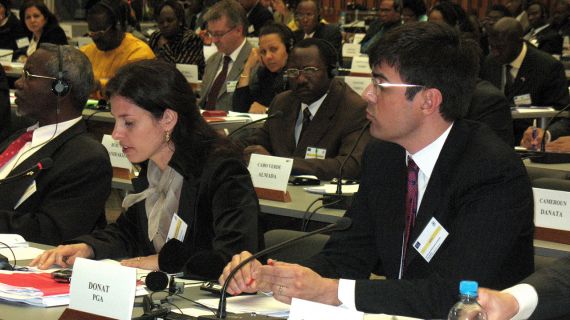
The ACP–EU Joint Parliamentary Assembly was created to bring together the members of the European Parliament and the elected representatives of the ACP countries that have signed the Cotonou Agreement.
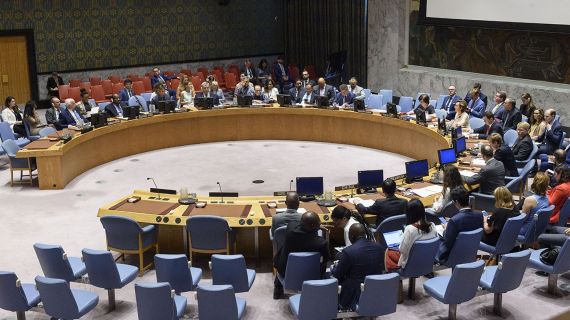
The United Nations Security Council (UNSC) is the organ whose primary responsibility is the maintenance of international peace and security under the UN Charter.
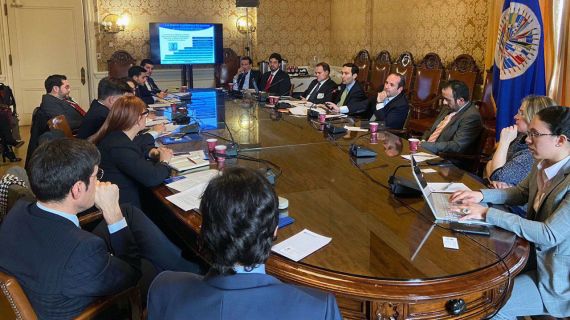
The Organization of American States (OAS) is a continental organization that was founded on 30 April 1948 to promote regional solidarity and cooperation among its member States.

PGA monitors the HRC sessions in cooperation with other human rights NGOs and consults with UN Member States on the issuance of recommendations to States not Parties to the Rome Statute.
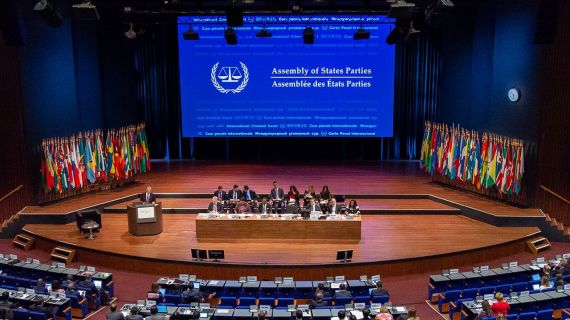
As a treaty-based institution, the International Criminal Court (ICC) benefits from having as a legislative and executive organ in the Assembly of States Parties (ASP).
|
|
|
|
|
|
|
125 countries are States Parties to the Rome Statute of the International Criminal Court. Of these, 33 are African States, 19 are Asia-Pacific States, 20 are from Eastern Europe, 28 are from Latin American and Caribbean States, and 25 are from Western European and other States. |
It is imperative that the Rome Statute be ratified universally for the successful functioning of the Court. Parliamentarians should ensure that the ICC is truly universal.
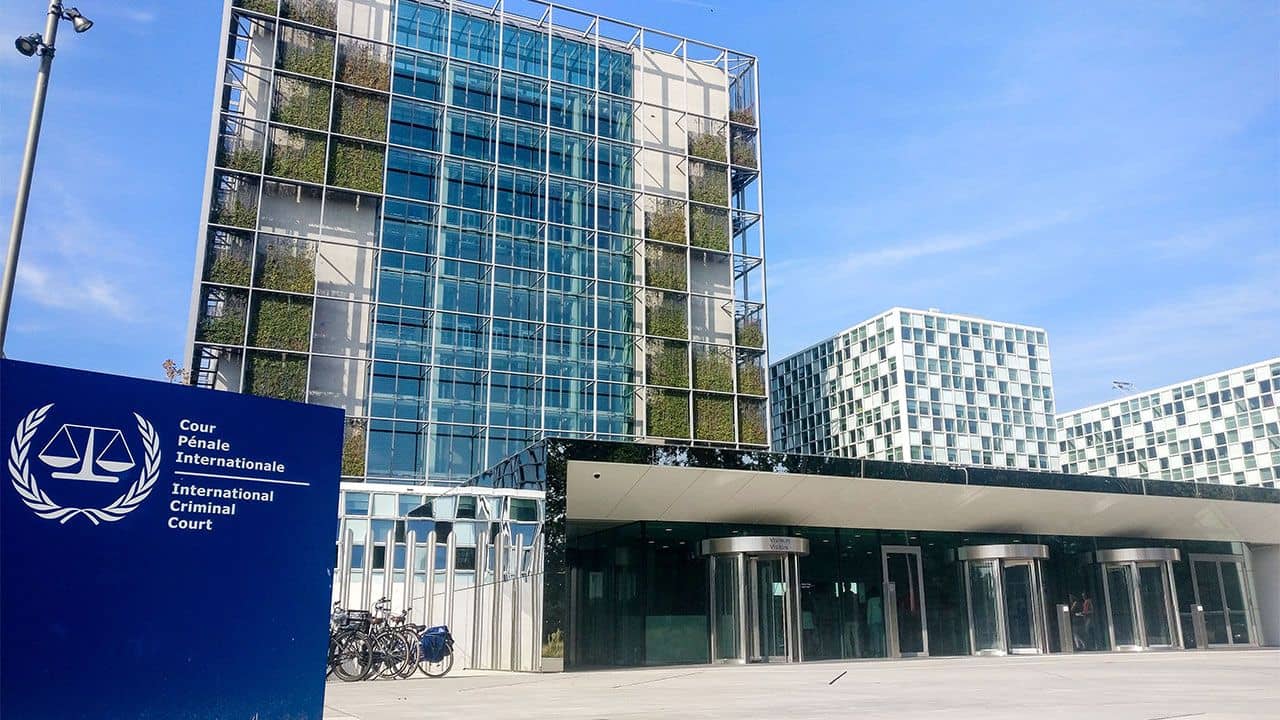
Created by the Rome Statute, the International Criminal Court (ICC) is the first permanent and independent international court capable of investigating and bringing to justice individuals who commit the most serious violations of international criminal law, international humanitarian law, and human rights.
The Rome Statute defines the crimes under the Court’s jurisdiction and provides the general principles and procedures for the operation of the Court. It also outlines the cooperation obligations of its State Parties. It is imperative that the Rome Statute be ratified universally for the successful functioning of the Court. Parliamentarians should ensure that the ICC is truly universal.
Criteria and recommendations for parliamentarians to improve national nomination procedures for International Criminal Court judicial candidates.
The ICC is the first and only permanent independent court with the mandate to investigate and prosecute individuals responsible for committing international crimes, namely genocide, crimes against humanity, war crimes, and the crime of aggression. Its 18 judges from around the world, elected for a nine-year term, play a key role in ensuring this expectation is lived up to through their primary mandate to render authoritative and high-quality jurisprudence and guarantee fair trials.
Therefore, the quality of the judges has fundamental importance to the performance, efficiency, and effectiveness of the ICC, which is at the heart of the long-term success of the ICC and the Rome Statute system as a whole. In this handbook, PGA sets forth specific criteria and recommendations for Parliamentarians to encourage their governments to improve national nomination procedures for ICC judicial candidates and adopt good practices and requirements to ensure these processes are fair, transparent, and merit-based. The goal of robust nomination procedures is to ensure that only candidate judges or jurists of the highest caliber make it on the ballot.
A handbook aimed at assisting States in ratifying the Kampala Amendments, helping criminalize the most serious forms of the illegal use of force.
It is our honor and privilege to present to you the Third Edition of the Handbook on the Ratification and Implementation of the Kampala Amendments on the Crime of Aggression to the Rome Statute of the ICC.
It is the product of our collaborative effort aimed at assisting States in ratifying the amendments adopted by consensus in Kampala and helping criminalize the most serious forms of the illegal use of force.