


Loading...

Consultative Assembly of Parliamentarians on the International Criminal Court and the Rule of Law (CAP-ICC)

The Consultative Assembly of Parliamentarians on the International Criminal Court and the Rule of Law (CAP-ICC) is the only global gathering of legislators focused solely on the Rome Statute system of the ICC.

The CAP-ICC is the largest project of PGA’s Campaign for the Rome Statute of the ICC. Its meetings represent a unique opportunity for several hundred legislators of all continents to discuss and define strategies to advance its universality and effectiveness.
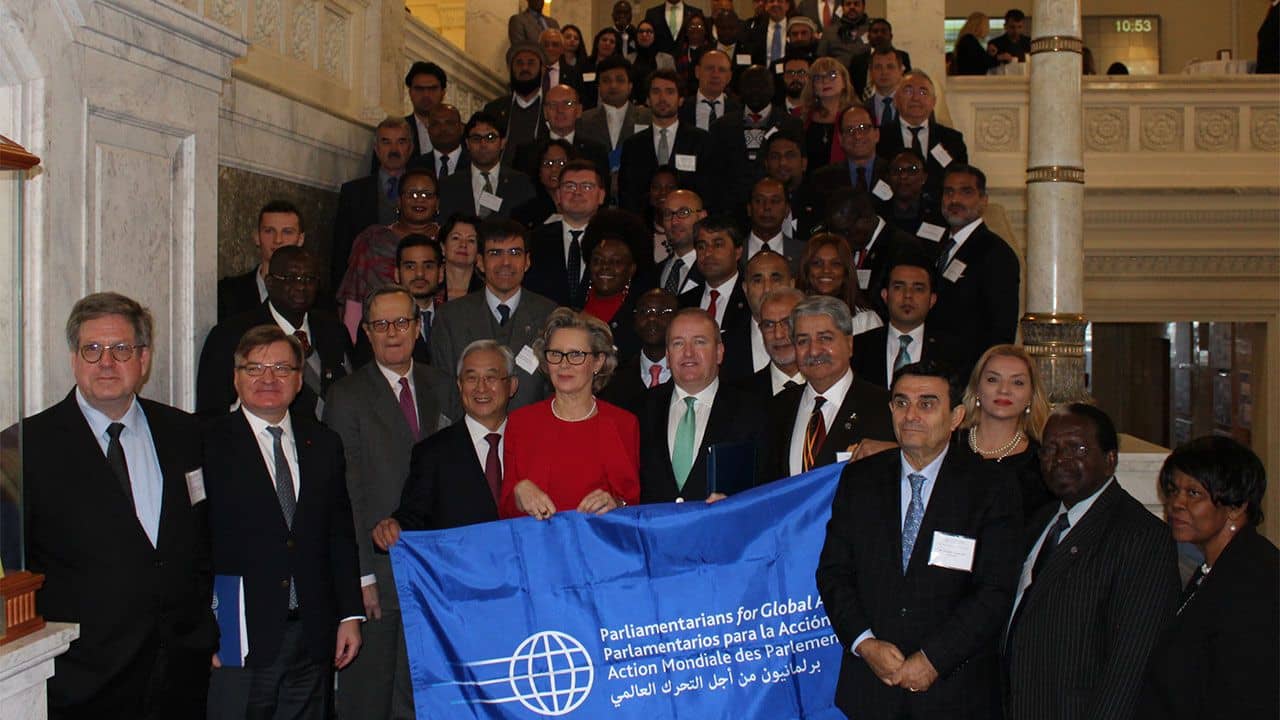
10th CAP-ICC and 40th Annual Forum of PGA in the Parliament of Ukraine in Kyiv

2002: The Beginning

The CAP-ICC was launched in 2002 under the Campaign for the Rome Statute of the ICC and the leadership efforts of Hon. Irwin Cotler, MP and former Attorney-General and Minister of Justice of Canada, and Sen. Raynel Andreychuk (Canada), Convenor of the PGA Int. Law & Human Rights Program (1999-2003). The 1st Session was held in Ottawa in 2002, coinciding with the year the Rome Statute of the ICC entered into force. From 2002 to 2004, the CAP-ICC met on an annual basis. From 2004 onwards, the CAP-ICC meets on a biennial basis.

A Strategic Call to Action

Common aspects to the sessions of the CAP-ICC are the following ones:

  • The sessions are held in strategic locations to facilitate the largest participation of lawmakers from countries targeted to advance the ratification/ accession and implementation of the Rome Statute and related international instruments.
  • A strong final document or resolution is adopted at the end of each session, which MPs use as a road map to promote political initiatives to strengthen the Rome Statute system of the ICC.
  • Regional Working Groups meetings are held in parallel, soliciting all opinions concerning the ICC and initiatives for the reinforcement of the rule of law, including from those who remain critical or sceptical of the role played by this international court. 
  • PGA employs a methodology of inter-parliamentary dialogue, peer-to-peer exchange and non-partisan approach to experiences from which no single voice of democratically elected representatives is excluded.

Status of the Rome Statute System as of October 2024:

 
States that have ratified the Rome Statute [125]
 
States that have signed the Rome Statute but have not ratified it yet [29]
 
States that have withdrawn from the Rome Statute [2]
 
States that have neither signed nor ratified the Rome Statute
 

125 countries are States Parties to the Rome Statute of the International Criminal Court. Of these, 33 are African States, 19 are Asia-Pacific States, 20 are from Eastern Europe, 28 are from Latin American and Caribbean States, and 25 are from Western European and other States.

Work of PGA in this Country:

Publication

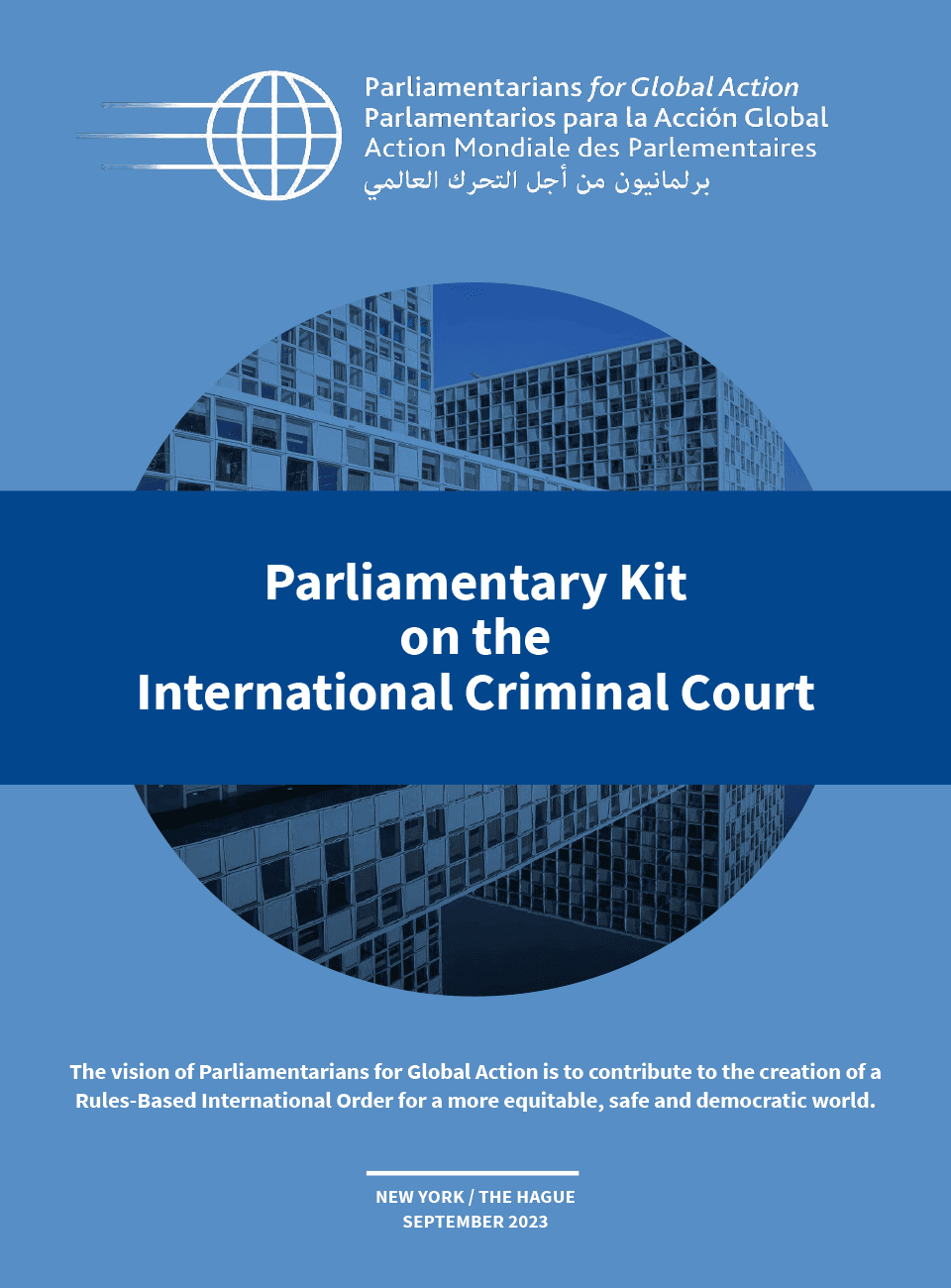
Parliamentary Kit on the International Criminal Court

Parliamentary Kit on the International Criminal Court

It is imperative that the Rome Statute be ratified universally for the successful functioning of the Court. Parliamentarians should ensure that the ICC is truly universal.

Description

Created by the Rome Statute, the International Criminal Court (ICC) is the first permanent and independent international court capable of investigating and bringing to justice individuals who commit the most serious violations of international criminal law, international humanitarian law, and human rights.

The Rome Statute defines the crimes under the Court’s jurisdiction and provides the general principles and procedures for the operation of the Court. It also outlines the cooperation obligations of its State Parties. It is imperative that the Rome Statute be ratified universally for the successful functioning of the Court. Parliamentarians should ensure that the ICC is truly universal.

PDF(s)

Additional Details

  • Publication Type: Toolkit
  • Author(s): Parliamentarians for Global Action

Publication

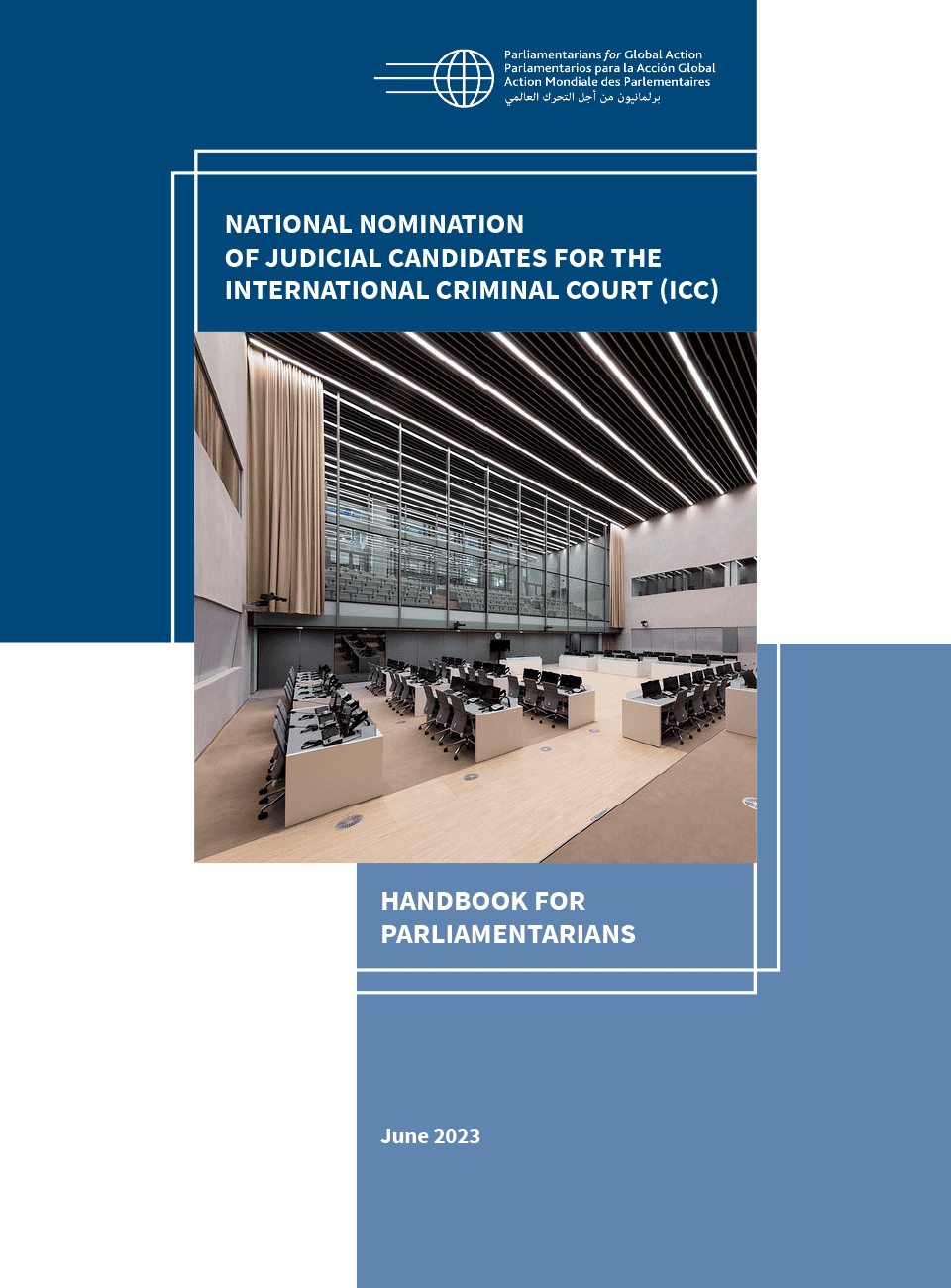
National Nomination of Judicial Candidates for the International Criminal Court

National Nomination of Judicial Candidates for the International Criminal Court

Criteria and recommendations for parliamentarians to improve national nomination procedures for International Criminal Court judicial candidates.

Description

The ICC is the first and only permanent independent court with the mandate to investigate and prosecute individuals responsible for committing international crimes, namely genocide, crimes against humanity, war crimes, and the crime of aggression. Its 18 judges from around the world, elected for a nine-year term, play a key role in ensuring this expectation is lived up to through their primary mandate to render authoritative and high-quality jurisprudence and guarantee fair trials.

Therefore, the quality of the judges has fundamental importance to the performance, efficiency, and effectiveness of the ICC, which is at the heart of the long-term success of the ICC and the Rome Statute system as a whole. In this handbook, PGA sets forth specific criteria and recommendations for Parliamentarians to encourage their governments to improve national nomination procedures for ICC judicial candidates and adopt good practices and requirements to ensure these processes are fair, transparent, and merit-based. The goal of robust nomination procedures is to ensure that only candidate judges or jurists of the highest caliber make it on the ballot.

PDF(s)

Additional Details

  • Publication Type: Handbook
  • Author(s): Parliamentarians for Global Action

Publication

Ratification and Implementation of the Kampala Amendments on the Crime of Aggression to the Rome Statute of the International Criminal Court

Ratification and Implementation of the Kampala Amendments on the Crime of Aggression to the Rome Statute of the International Criminal Court

A handbook aimed at assisting States in ratifying the Kampala Amendments, helping criminalize the most serious forms of the illegal use of force.

Description

It is our honor and privilege to present to you the Third Edition of the Handbook on the Ratification and Implementation of the Kampala Amendments on the Crime of Aggression to the Rome Statute of the ICC.

It is the product of our collaborative effort aimed at assisting States in ratifying the amendments adopted by consensus in Kampala and helping criminalize the most serious forms of the illegal use of force.

PDF(s)

Additional Details

  • Publication Type: Handbook
  • Author(s): Permanent Mission of the Principality of Liechtenstein to the United Nations; Global Institute for the Prevention of Aggression; Liechtenstein Institute on Self-Determination at Princeton University (LISD); (Drafting Assistance by PGA)