



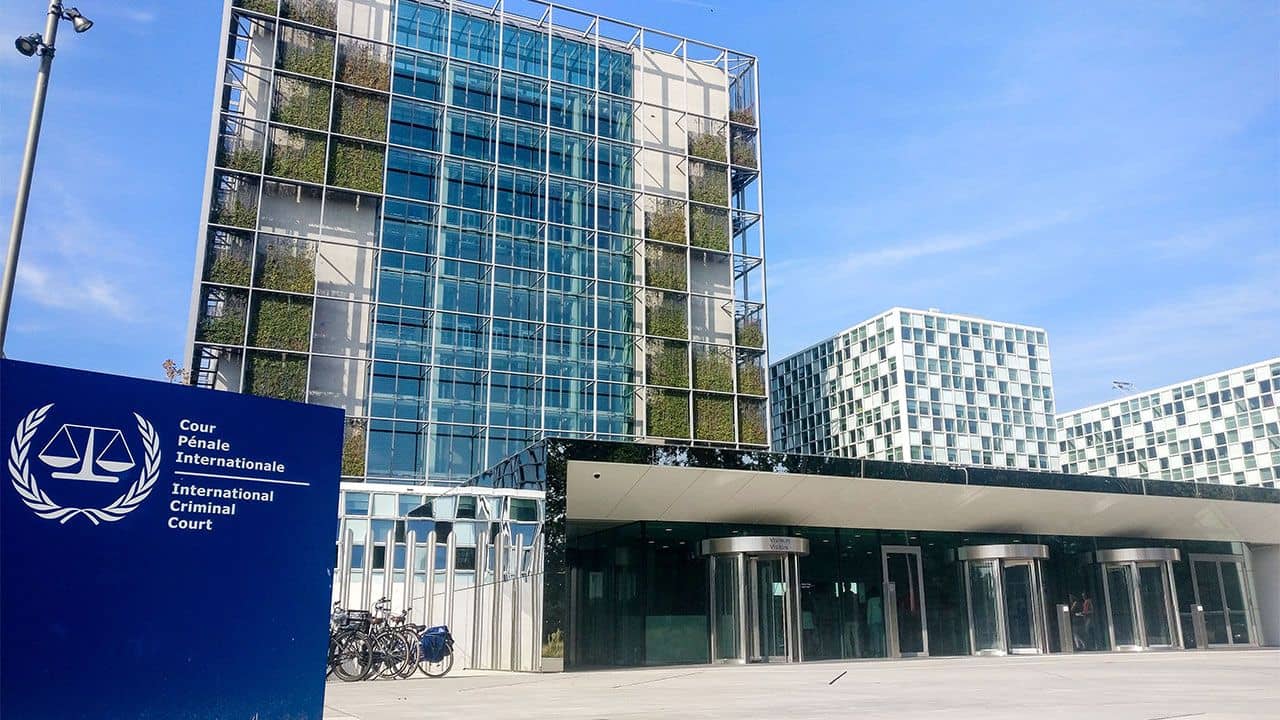

The Rome Statute provides for an obligation to cooperate fully with the ICC (Art. 86), as well as to adopt internal procedures for cooperation (Art. 88). Part 9 of the Rome Statute establishes the obligations for States Parties towards the Court.
PGA is regularly invited by the EU with other NGOs to provide briefings and analysis to, and share assessments of challenges and relevant updates on the fight against impunity with, EU Members States and relevant European institutions attending the COJUR.

The ICC is complementary to national criminal jurisdictions, meaning that States have the primary competence and authority to investigate and prosecute international crimes.
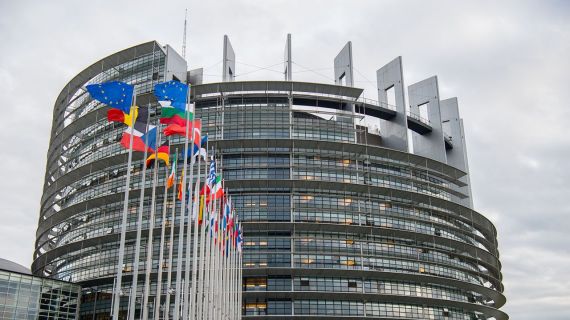
The European Parliament and its individual members have been at the forefront of multilateral efforts to establish, consolidate and expand the membership of the Rome Statute of the International Criminal Court (ICC).
All these amendments extend the mandate of the ICC over war crimes not originally conceived in the Rome Statute of the ICC adopted in 1998, allegedly committed either by nationals or in the territory of a State Party to the ICC.
|
|
|
|
|
|
|
125 countries are States Parties to the Rome Statute of the International Criminal Court. Of these, 33 are African States, 19 are Asia-Pacific States, 20 are from Eastern Europe, 28 are from Latin American and Caribbean States, and 25 are from Western European and other States. |
It is imperative that the Rome Statute be ratified universally for the successful functioning of the Court. Parliamentarians should ensure that the ICC is truly universal.
Created by the Rome Statute, the International Criminal Court (ICC) is the first permanent and independent international court capable of investigating and bringing to justice individuals who commit the most serious violations of international criminal law, international humanitarian law, and human rights.
The Rome Statute defines the crimes under the Court’s jurisdiction and provides the general principles and procedures for the operation of the Court. It also outlines the cooperation obligations of its State Parties. It is imperative that the Rome Statute be ratified universally for the successful functioning of the Court. Parliamentarians should ensure that the ICC is truly universal.
Criteria and recommendations for parliamentarians to improve national nomination procedures for International Criminal Court judicial candidates.
The ICC is the first and only permanent independent court with the mandate to investigate and prosecute individuals responsible for committing international crimes, namely genocide, crimes against humanity, war crimes, and the crime of aggression. Its 18 judges from around the world, elected for a nine-year term, play a key role in ensuring this expectation is lived up to through their primary mandate to render authoritative and high-quality jurisprudence and guarantee fair trials.
Therefore, the quality of the judges has fundamental importance to the performance, efficiency, and effectiveness of the ICC, which is at the heart of the long-term success of the ICC and the Rome Statute system as a whole. In this handbook, PGA sets forth specific criteria and recommendations for Parliamentarians to encourage their governments to improve national nomination procedures for ICC judicial candidates and adopt good practices and requirements to ensure these processes are fair, transparent, and merit-based. The goal of robust nomination procedures is to ensure that only candidate judges or jurists of the highest caliber make it on the ballot.
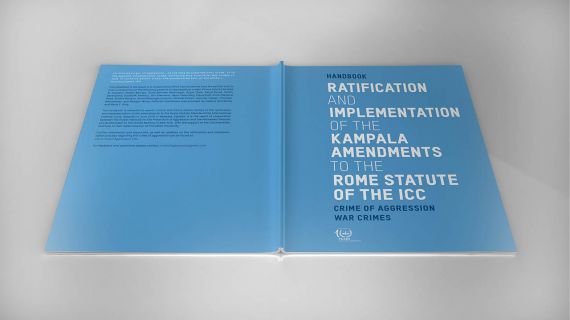
A handbook aimed at assisting States in ratifying the Kampala Amendments, helping criminalize the most serious forms of the illegal use of force.
It is our honor and privilege to present to you the Third Edition of the Handbook on the Ratification and Implementation of the Kampala Amendments on the Crime of Aggression to the Rome Statute of the ICC.
It is the product of our collaborative effort aimed at assisting States in ratifying the amendments adopted by consensus in Kampala and helping criminalize the most serious forms of the illegal use of force.