


Loading...

Campaign for the Universality and Effectiveness of the System of the Rome Statute of the International Criminal Court (ICC)

The Challenge: Fighting Against Impunity for International Crimes

Historical Background

The 20th century was marked by armed conflicts and the commission of crimes that shocked the conscience of humanity. In the wake of the Second World War, the Nuremberg and Tokyo international military tribunals were established to bring perpetrators to justice, moving away from the impunity-paradigm that characterized the period between the two World Wars. With the adoption of the Convention on the Prevention and Punishment of the Crime of Genocide in 1948, which provides for the establishment of an international criminal court, the United Nations General Assembly (UNGA) invited the International Law Commission (ILC) to work on the draft statute of a permanent international judicial body to try those charged with genocide and other crimes under International Law.

With the advent of the Cold War, the concept of a system of international criminal justice was “frozen” for several decades. In 1989, with the fall of the Berlin wall, the UN General Assembly decided to reassign the ILC with the task of preparing for an international criminal court. The basis for this was an unanimously adopted UNGA resolution that had been drafted and tabled by the Prime Minister of Trinidad and Tobago, Mr. ANR Robinson, MP. Mr. Robinson was a member of the PGA Executive Committee who helped setting up PGA’s International Law and Human Rights Program.

In the 1990s, the world once again witnessed unspeakable atrocities committed in former Yugoslavia and in Rwanda, in the face of the inaction by the International Community to halt mass atrocities, the United Nations Security Council (UNSC) decided to establish ad hoc tribunals for each of these situations in 1993 and 1994. These events spearheaded the decision of the ILC to produce a draft statute for an international criminal court in 1994, which was submitted for consideration of the UN Ad Hoc Committee on an International Criminal Court (ICC) in 1995. The same year, Italy offered to the UNGA to host and sponsor a Diplomatic Conference of Plenipotentiaries for the adoption of a statute of an ICC. The UNGA accepted the offer and set up a Preparatory Committee for the establishment of an international criminal court between 1996-1998, which transmitted the text of a draft Statute to the Rome Diplomatic Conference. The Rome Conference took place from 15 June to 17 July 1998 and ended with the adoption of the Rome Statute of the ICC, which the Secretary-General of the UN Kofi Annan welcomed as a “gift of hope for future generations.”

On 17 July 1998, representatives of 160 States adopted the Rome Statute of the ICC. 120 States voted in favour, 7 States against, and 21 abstained, while 12 States did not attend the final vote, which took place after midnight. This gave birth to the first permanent and independent international court capable of investigating and bringing to justice individuals who commit the most serious violations of international criminal law, international humanitarian law and human rights, namely: genocide, crimes against humanity, war crimes, and crime of aggression.

However, States continue to be fundamental to ensuring that perpetrators of international crimes are held accountable given that the ICC is not a supranational organization, but an international organization based on State and inter-State cooperation and enforcement.

Firstly, the ICC is a court of last resort and does not substitute national courts. According to the Rome Statute, the ICC can only intervene where a State is unable or unwilling to genuinely carry out the investigation and prosecute the perpetrators. Secondly, the ICC does not have its own police force, which is why it relies on State and inter-State cooperation for the arrest and surrender of suspects.

For the system established by the Rome Statute of the ICC to become truly universal and effective, Members of Parliament (MPs) play a pivotal role. Using their legislative prerogatives, they can advance the ratification of the Rome Statute and its amendments, the implementation of the Statute in domestic legal frameworks, and the signature of bilateral cooperation agreements with the ICC, as well as the ratification of Agreement on Privileges and Immunities of the International Criminal Court (APIC). Since the Rome Statute system is not supported by any international parliamentary body; PGA’s Campaign for the Rome Statute of the ICC is also designed to create, develop and maintain a “global” parliamentary constituency for the ICC.

The Response: The Campaign for the Rome Statute of the ICC

In September 1998, PGA launched the Campaign for the Universality and Effectiveness of the System of the Rome Statute of the International Criminal Court (ICC). The ratification of the Rome Statute by Ghana, in 1999, was the first achievement of the Campaign. Such achievement was championed by PGA Board Member Hon. Albin Bagbin, MP (Ghana), who drafted a law to ratify the Rome Statute and proposed to the Government of Ghana to transmit it to Parliament. In his capacity as Chair of the Legal Affairs Committee, Hon. Bagbin presided over an accelerated process of approval, making Ghana the 4th State to join the Rome Statute system.

The Campaign intends to promote a universal culture of upholding the Rule of Law, human rights and human dignity by fighting impunity for the commission of genocide, war crimes, crimes against humanity and the crime of aggression. These efforts are in line with Sustainable Development Goal (SDG) 16, particularly Target 16.3, which commits governments to promote the rule of law at the national and international levels and ensure equal access to justice for all.

To achieve its goal, the Campaign for the Rome Statute of the ICC pursues the following:

  • Promote the universality of the Rome Statute of the ICC system through the universal ratification/accession to the Rome Statute of the ICC and all amendments to it, including those adopted in Kampala in 2010.
  • Promote the effectiveness of the Rome Statute of the ICC system through its full implementation in national legal frameworks, including:
    • The implementation of the principle of complementarity, comprising the definition of the core crimes and the general principles of international criminal law enshrined in the Rome Statute.
    • The implementation of the various cooperation mechanisms of the Rome Statute so that the ICC can fulfill its mandate as well as the negotiation and signing of cooperation agreements between the States and the ICC.
    • The protection of the integrity of the system established by the Rome Statute and the independence and impartiality of the Court.

Tailored Strategy

To adapt the Campaign’s efforts to the needs of specific countries, groups of countries or regions, the PGA Secretariat works with MPs at the national, regional, and international levels.

  1. Target countries
    PGA uses a peer-to-peer methodology to generate action in support of the ratification and domestic implementation of the Rome Statute, alongside other strategic initiatives aimed at fighting impunity and ensuring access to justice for victims.

  2. Regional Working Groups
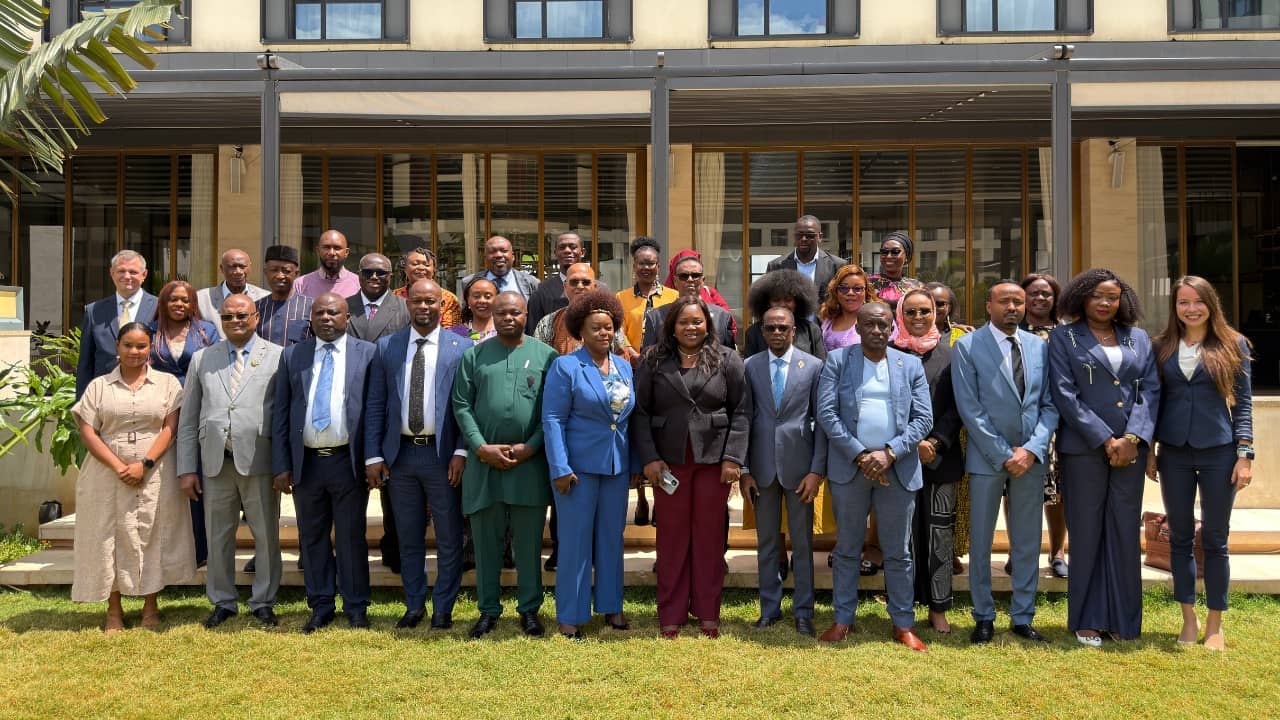
    PGA carries out closed-door political, legal, and strategic consultations with a selected group of MPs from specific regions. Experts and ICC officials are invited to provide input and participate in interactive discussions. The regional groups comprise:
  3. Regional Parliaments
    PGA members and staff also monitor the developments and, if possible, attend and address the following regional parliaments:
  4. Multilateral Fora
    At international level, PGA members and the PGA Secretariat monitor the developments and, if possible, attend and address the following multilateral fora:
  5. Consultative Assembly of Parliamentarians on the ICC and the Rule of Law (CAP-ICC)
    PGA’s CAP-ICC is held every two years and is the only global gathering of legislators focused solely on the ICC. Its meetings represent a unique opportunity for several hundred legislators of all continents to discuss and define strategies to advance the strategic goals of mobilizing in favour of the Rome Statute of the ICC.


Publication
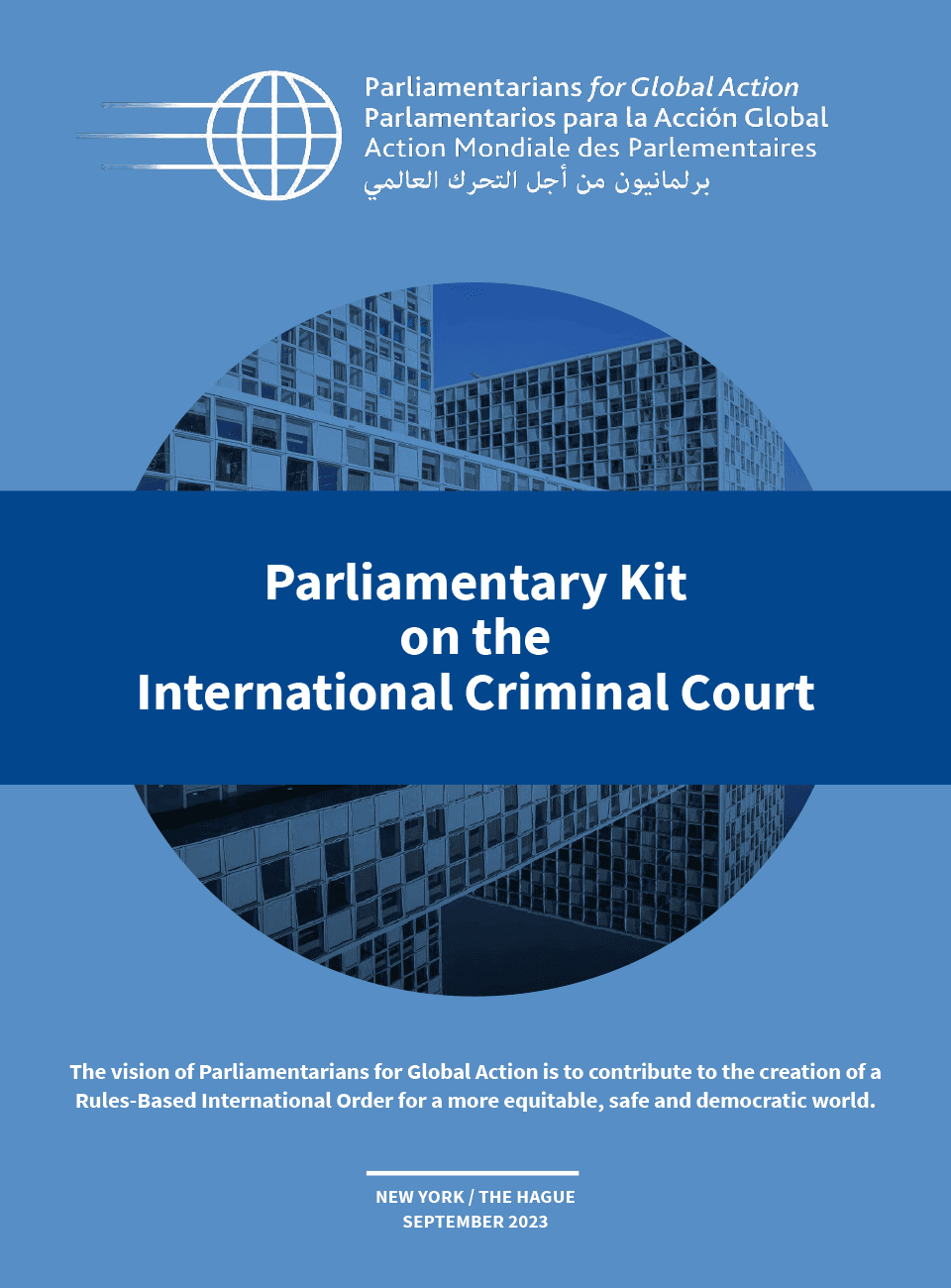
Parliamentary Kit on the International Criminal Court

Parliamentary Kit on the International Criminal Court

It is imperative that the Rome Statute be ratified universally for the successful functioning of the Court. Parliamentarians should ensure that the ICC is truly universal.

Description

Created by the Rome Statute, the International Criminal Court (ICC) is the first permanent and independent international court capable of investigating and bringing to justice individuals who commit the most serious violations of international criminal law, international humanitarian law, and human rights.

The Rome Statute defines the crimes under the Court’s jurisdiction and provides the general principles and procedures for the operation of the Court. It also outlines the cooperation obligations of its State Parties. It is imperative that the Rome Statute be ratified universally for the successful functioning of the Court. Parliamentarians should ensure that the ICC is truly universal.

PDF(s)

Additional Details

  • Publication Type: Toolkit
  • Author(s): Parliamentarians for Global Action
Rome Statute Campaign Achievements

Afghan Women on the Front Lines for Gender Justice

Afghan Women on the Front Lines for Gender Justice

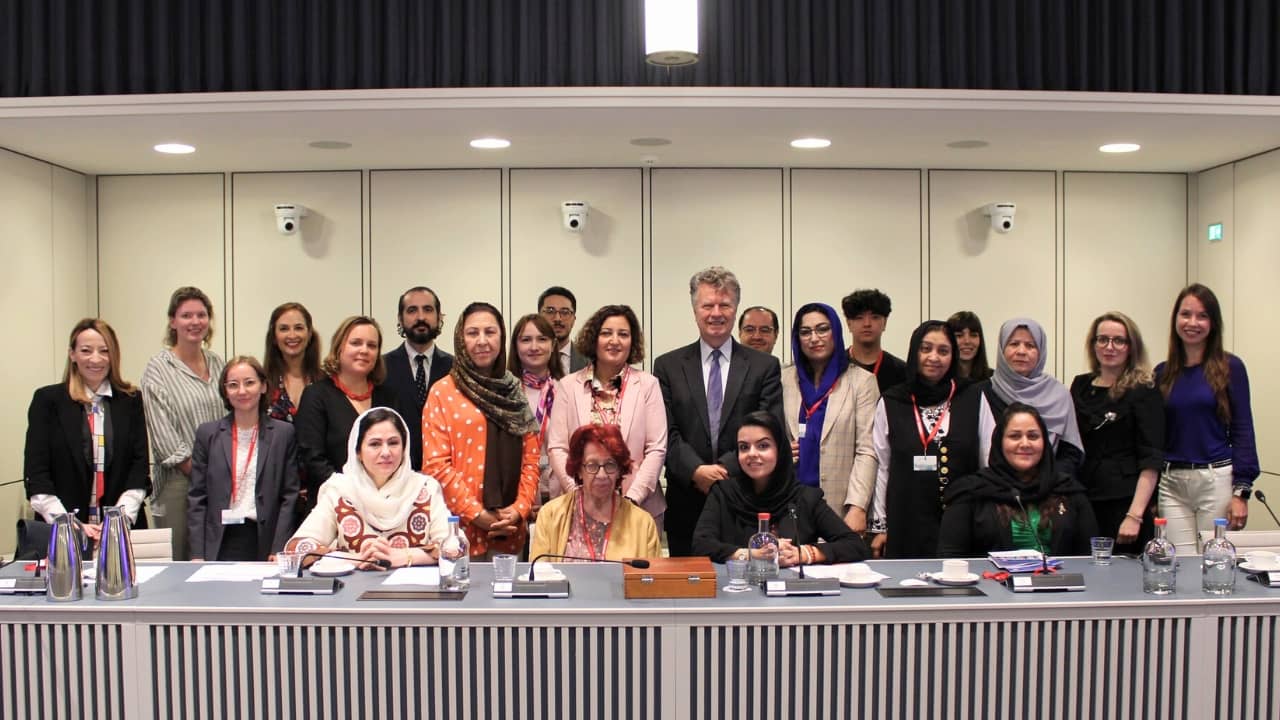
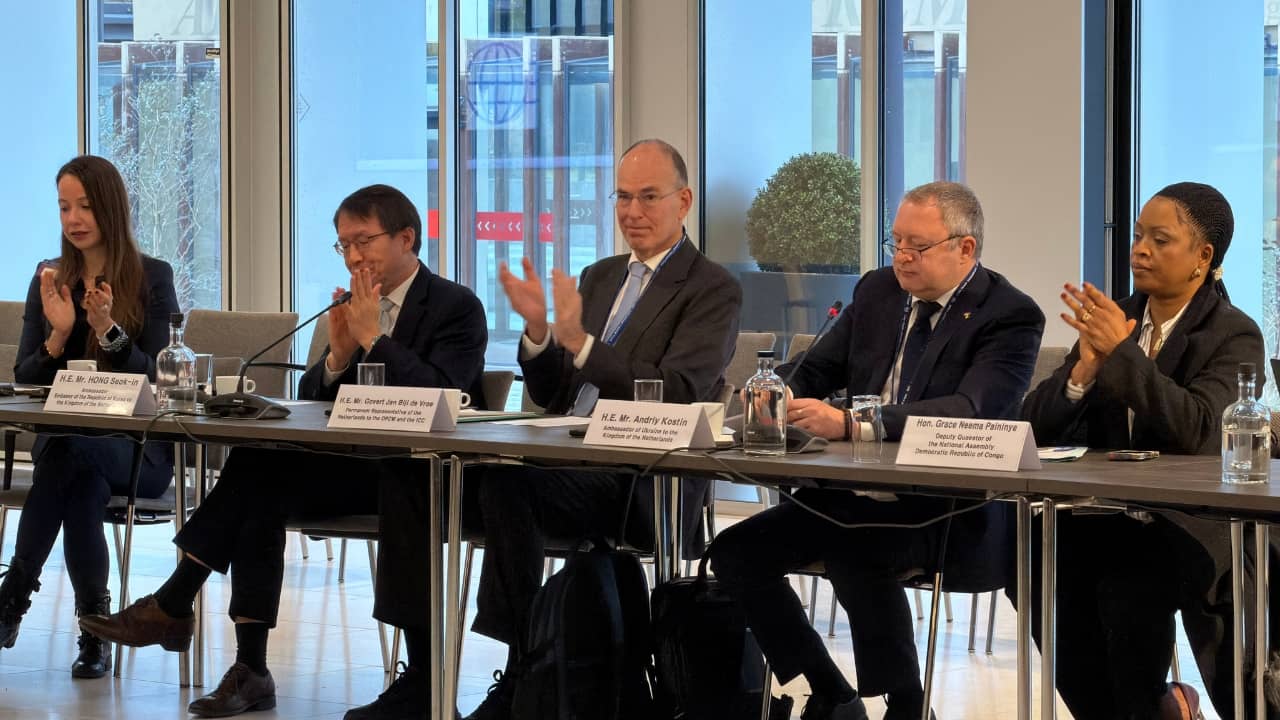
On June 19, 2025, Parliamentarians for Global Action (PGA) organized a high-level roundtable under the Global Initiative Against Impunity to foster dialogue on the need for stronger gender justice accountability in Afghanistan.

Human rights in Afghanistan have continued to deteriorate gravely under the Taliban regime, which has implemented systematic oppression and targeted discrimination against women and girls. Experts consider that this institutionalized discrimination amounts to “gender apartheid,” defined as an “extreme, systematic and structural war against [women] … designed to dehumanize and repress for purposes of entrenching power.” On June 19, 2025, Parliamentarians for Global Action (PGA) organized a high-level roundtable under the Global Initiative Against Impunity to foster dialogue on the need for stronger gender justice accountability in Afghanistan. The Senate of the Netherlands generously hosted the event, welcoming Afghan parliamentarians in exile, Afghan human rights defenders, Dutch senators, international experts, and representatives from civil society organizations and countries. Advocating for Accountability in Afghanistan “We are together in this fight,” declared Senator Jan Anthonie Bruijn, chairman of the Senate of the Netherlands, affirming the shared commitment to defend and promote the rule of law and democracy. Senator Boris Dittrich (Netherlands) and convenor of our Campaign for the Rome Statute of the ICC, underscored the international community’s collective responsibility to ensure that the people of Afghanistan, particularly Afghan women, are not left behind. He called on all stakeholders to speak out and utilize every international justice tool to deliver accountability and end impunity, especially as the global justice system faces increasing pressure and growing threats. Afghan leaders in exile, who remain deeply connected to Afghans on the ground, expressed concerns about the marginalization of Afghan women and civil society. Ms. Fawzi Koofi, former MP in exile (Afghanistan) and recipient of PGA’s 2024 Defender of Democracy Award, highlighted the interconnectedness among human rights, women’s rights, peace, and security. She warned against granting the Taliban any form of recognition, including in their counterterrorism claims, as they represent the primary source of insecurity. No step should be taken at the expense of Afghan society, and Afghans, including Afghan women, must remain at the center of any processes shaping the country’s future. Ms. Mariam Solaimankhil, MP in exile (Afghanistan) echoed these sentiments: “Afghanistan fell because of a deal made behind closed doors that excluded women. Today, Afghan women are fighting on the front lines.” She warned that the situation in Afghanistan will not remain within its borders if the international community fails to act and called on other countries and stakeholders to raise their voices and pursue accountability at all levels. Recognizing Gender Apartheid During the roundtable, speakers emphasized the need to codify gender apartheid as a crime under international law. Dr. Ewelina Ochab, senior program lawyer at the International Bar Association’s Human Rights Institute (IBAHRI), explained that naming and prosecuting gender apartheid is a critical step to ending impunity. She highlighted positive developments in legal avenues for accountability, such as the State Party referral supporting the International Criminal Court (ICC)’s investigation into Afghanistan, and the two applications for arrest warrants filed by the Office of the Prosecutor of the ICC. Additionally, she welcomed the initiative by Australia, Canada, Germany, and the Netherlands before the Convention on the Elimination of All Forms of Discrimination Against Women Committee, supported by 26 governments, calling on Afghanistan to cease violations of the Convention. She stressed the need for further action, such as bringing the case before the International Court of Justice, which remains a long-awaited development by the Afghan people. Mr. Richard Bennett, UN special rapporteur on the situation of human rights in Afghanistan,  emphasized the need for an “all-tools approach” to accountability, ensuring that Afghan women’s rights are central to all international responses. In his latest report, he detailed how the Taliban have instrumentalized Afghanistan’s justice system to impose a repressive and deeply misogynistic order. “Justice should not be a privilege,” he affirmed,  underscoring the urgent need to create conditions in which Afghan women and girls can live with dignity and freedom. Mr. Bennett called for gender-competent investigations, including the use of universal jurisdiction. He urged countries to: Support the establishment of an independent accountability mechanism under the UN Human Rights Council this October to investigate violations under international human rights and humanitarian law. Provide sustained political and financial support to Afghan civil society organizations. Increase resettlement opportunities. Ensure the safe, meaningful participation of Afghan women in all peace, security, and accountability processes. Ms. Valeria Babără, legal advisor at Women’s Initiative for Gender Justice, addressed the long-standing gap in recognizing gender harm, warning that codification does not guarantee accountability. She urged stakeholders to support efforts to codify gender apartheid, champion its inclusion in the draft Crimes against Humanity Treaty, and amplify Afghans’ demands through dedicated resolutions. Empowering Afghan Voices Ms. Mónica Adame, PGA secretary-general, concluded the roundtable with a shared call to action: to ensure Afghan voices remain visible, supported, and empowered. She encouraged PGA members to ask their respective Ministers of Foreign Affairs to support ongoing processes of accountability for Afghanistan, including by expediting the case before the ICJ. PGA remains committed to working alongside Afghan parliamentarians in exile and mobilizing its global parliamentary network to help bring accountability and dignity to the people of Afghanistan.

Hungary’s withdrawal from the Rome Statute is a threat to justice

Hungary’s withdrawal from the Rome Statute is a threat to justice

This unprecedented decision by a European Union (EU) Member State represents a serious setback for international justice and the fight against impunity: it weakens the global system of accountability for the world’s most serious crimes.

Parliamentarians for Global Action expresses deep regret on Hungary’s formal withdrawal from the Rome Statute of the International Criminal Court (ICC) on 2 June 2025, effective as of 2 June 2026. This unprecedented decision by a European Union (EU) Member State represents a serious setback for international justice and the fight against impunity: it weakens the global system of accountability for the world’s most serious crimes – the crime of genocide, crimes against humanity, war crimes, and the crime of aggression. It also sends a detrimental political message at a time when strengthening victims’ rights and the international rule of law is more crucial than ever. Hungary’s withdrawal from the Rome Statute must be seen in the broader context of democratic backsliding and sustained attacks on the rule of law. Since 2018, the European Parliament has recognized a significant risk of a serious breach of EU values in Hungary, highlighting threats to judicial independence, civil society, and the rights of LGBTQI+ people, women, and minorities. Recent constitutional amendments have further eroded fundamental freedoms and the rule of law. These actions not only isolate Hungary from the values upheld by the EU but also risk emboldening anti-rule-of-law movements. Hungary’s exit from the ICC should serve as a wake-up call – not just for the EU, but for the entire international community. Impunity is a direct threat to democracy itself. Ms. Tineke Strik, Member of the European Parliament (the Netherlands) and PGA member Since 1998, PGA has worked relentlessly with parliamentarians worldwide to support universal ratification of the Rome Statute and its amendments. This effort is critical for expanding the ICC’s jurisdiction to fulfill its mandate: to prosecute individuals responsible for the most serious crimes when national systems are unable or unwilling to do so. Without universality, accountability remains uneven, and justice remains elusive. PGA therefore calls on: The European Union and its institutions to take all necessary steps to re-engage Hungary and reaffirm the EU’s unwavering support for the ICC. All States Parties to defend the Rome Statute system and actively promote its universality. Parliamentarians and States Parties to publicly denounce threats and attacks against international justice. Parliamentarians around the world to continue championing justice, accountability, and the rule of law through support for the ICC, including by ensuring international cooperation and judicial assistance with the Court. Background Hungary ratified the Rome Statute in 2001 and has since played an active part in the ICC’s functioning, including through the election of the Hungarian Judge Péter Kovács in 2015. However, recent criticism of the court contradicts its prior commitments to international justice and cooperation. Hungary’s withdrawal also contravenes its obligations as an EU Member State. In line with successive EU Council Conclusions, the 2011 Council Decision on the ICC, and the Agreement between the EU and the ICC, EU Member States have committed to supporting the Court and upholding international criminal justice. On 29 April 2025, the National Assembly adopted a related bill (available in Hungarian), enabling the country’s withdrawal from the Rome Statute. The government has claimed that the Statute was never fully domesticated due to the lack of promulgation of the ratification bill. Although this constitutional technicality has long been debated domestically, it does not exempt Hungary from its international obligation under the Vienna Convention on the Law of Treaties: compliance with ratified treaties is mandatory. Hungary’s withdrawal will take effect in one year, meaning the country remains legally bound by the Rome Statute until that time. PGA Members taking action PGA Members from EU countries responded to the erosion of democratic principles in Hungary – which have implications on the European Union as a whole – by raising the issue through national parliaments. Their actions aim to strengthen national engagement and encourage a unified response within the European Union to defend the rule of law. Mr. Sven Clement, MP (Luxembourg) submitted a parliamentary question to the Minister for Foreign Affairs of Luxembourg (available in Luxembourgish) – 13 May 2025 Hon. Federica Onori and Hon. Lia Quartapelle, MPs (Italy) submitted a parliamentary question to the Minister for European Affairs of Italy (available in Italian) – 28 May 2025 Image: Hungarian Parliament Building. Credit: Wei-Te Wong

Reclaiming the promise of accountability

Reclaiming the promise of accountability

The Global Initiative Against Impunity (GIAI) marks this year’s EU Day Against Impunity with grave concern, as international justice and accountability face escalating threats and direct attacks.

The Global Initiative Against Impunity’s Urgent Call to Action on the EU Day Against Impunity The Global Initiative Against Impunity (GIAI) marks this year’s EU Day Against Impunity with grave concern, as international justice and accountability face escalating threats and direct attacks. Armed conflicts, state violence, and mass atrocities are on the rise across the globe, while many governments and international institutions remain largely silent in the face of widespread impunity and the increasing application of double standards. This selective inaction undermines the rights of victims and reinforces narratives that dehumanise the survivors of the most serious crimes. We call on the EU and its Member States to take firm, bold, and concerted measures to uphold human rights and protect international justice mechanisms. This effort must be driven by a renewed commitment to victims and survivors. We must guarantee assistance to those who call for justice and ensure that their rights, voices, and needs remain central to all justice and accountability processes. European countries and their allies recently commemorated the 80th anniversary of the end of World War II but the current global turmoil and staggering surge in armed conflicts cast a shadow on the celebrations. Civilians, particularly women and children, bear the brunt of the violence. Mass casualties and the collapse of the rules-based order are more than collateral damage. They are the result of deliberate policy failures and legal inaction that demand urgent correction. For nearly a year, civil society organisations have been raising the alarm over the unprecedented sanctions and threats against the International Criminal Court (ICC) that have jeopardised the Court’s fundamental work for victim and survivors worldwide. In a climate of mounting pressure on accountability, states’ breach of their legal obligations and failure to uphold the decisions of the International Court of Justice (ICJ) further undermine the efforts made to bring justice to where it is most needed. The credibility and effectiveness of the international justice system depend on consistent support and compliance. The European Parliament has echoed these concerns and, on several occasions, has called on the EU to respond to attacks on international justice – this includes activating protective mechanisms such as the Blocking Statute. A robust and united response has yet to materialise considering Italy’s and Hungary’s failure to execute ICC arrest warrants and Hungary announcing its withdrawal from the Rome Statute of the ICC, thereby eroding the foundational values of the EU. Additional developments that have weakened international humanitarian law, such as the recent intention expressed by Estonia, Finland, Latvia, Lithuania, and Poland to withdraw from the Anti-Personnel Mine Ban Convention – fundamental to the prevention of war crimes and protecting civilians – are signals of further failures to fight against impunity. This dangerous trend undermines the international legal framework and threatens the lives and mental well-being of millions by effectively granting authoritarian regimes free rein to continue or escalate abuses. At the same time, civil society organisations are operating in increasingly hostile conditions, including inside the European Union. Civic freedoms have deteriorated across the globe and have been severely restricted in Europe over the past five years and this has led to the criminalisation of human rights defenders and solidarity movements that assist the victims of international crimes. Additionally, the withdrawal of vital sources of support, such as USAID’s programmes and numerous European governments’ funding cuts, threaten the provision of assistance to those in need, particularly women and minorities, and the ongoing efforts to improve accountability. The cumulative impact of the ongoing threats compels renewed solidarity and a stronger collective commitment to support victims, survivors, and their communities in their call for justice, truth, reparation, and the non-recurrence of all crimes. We are not people who need to be fed. We are not hungry because we don’t have food. We are hungry because we are under occupation, we are under siege, we are under genocide. This is not what people in Gaza want. It’s not that they want only to eat. They want freedom. This is what we want. Mosab Abu Toha, writer, poet, scholar from Gaza, and winner of the 2025 Pulitzer Prize for Commentary for his portrayal of the Gaza war in the New Yorker, speaking on 6 May 2025 on Democracy Now! The world is at a critical and historical inflection point which requires the EU to utilise fully the various mechanisms and tools at its disposal to preserve international law and advance peace, stability, and justice for future generations. This is why, on EU Day Against Impunity, the GIAI calls on the EU and its Member States to lead with resolve, to safeguard the institutions of justice, and to stand firmly with victims, survivors, and their communities in the global fight against impunity. In particular, we urge the EU and its Member States to: Reorient security strategies to prioritize human security over militarized approaches, by addressing structural determinants of impunity, including corruption, discrimination, weak rule of law, and militarized masculinities. This includes establishing accountability mechanisms for arms exports, ensuring they do not contribute to violations of international humanitarian law; Prevent instances of all core international crimes in any situation, including by complying with provisional measures ordered by the ICJ, such as those requiring states to prevent acts of genocide, facilitate the provision of humanitarian and reparative assistance where needed, and preserve evidence related to all alleged core international crimes; Cooperate with the ICC, including by executing arrest warrants, surrendering suspects to the Court, and suspending diplomatic relations with those responsible for the most serious crimes; Adopt and implement national and regional protective measures, such as the EU Blocking Statute, to support the operations of the International Criminal Court and to protect persons cooperating with the Court; Guarantee the rights of the victims of international crimes, notably by ensuring their participation and meaningful access to justice, including by providing psychosocial support, translation services, and comprehensive witness protection; Support UN accountability mechanisms and experts in their efforts to access victims, investigate, protect, advocate for human rights, and bring about justice for international crimes; Investigate and prosecute international crimes domestically, by adopting necessary legislation and building the capacity of national authorities to ensure credible, independent, and effective proceedings, including through the use of universal and extraterritorial jurisdiction; Advance survivors’ access to reparation, including by promoting the use of targeted sanctions and asset recovery measures against the perpetrators of international crimes as a way to promote reparative justice for communities of victims; Ensure that adequate and sustainable financial support is provided to international justice systems, including the ICC, the Trust Fund for Victims, and civil society organisations, particularly local organisations, working to improve justice and accountability; Ensure transparency throughout the national efforts made to combat impunity, which is essential to coordinate work, identify blind spots, and provide meaningful assessments of states’ commitments, by publishing annual disaggregated data on ongoing or past criminal proceedings for international crimes. About the Global Initiative Against Impunity (GIAI) The Global Initiative Against Impunity for international crimes: Making justice work (GIAI) is a Consortium of eight international NGOs and the Coalition for the ICC, co-funded by the European Union, which aims to contribute to the fight against impunity by supporting a comprehensive, integrated, and inclusive approach to justice and accountability for serious human rights violations and international crimes. Driven by this commitment, today we are launching the GIAI Knowledge Management Platform, an inclusive, multilingual digital clearing house for collaboration, learning, and information sharing. On this EU Day Against Impunity, I urge the EU to honor its legal and moral obligations by implementing laws and border management policies which respect the rights and protect the lives of migrants and refugees. Current practices put them at risk of torture, enslavement, and shipwrecks which may amount to crimes against humanity, while providing safe havens for ICC-wanted criminals. Victims want to be heard, have a safe place to express their views and concerns, and feel that the justice system is still something they can hope on. Let's center survivors' voices in our fight for dignity, justice and accountability. David Yambio, community advocate, human rights defender and spokesperson of Refugees in Libya.

Latest News for the Rome Statute Campaign:

Photo credit: Parliamentarians for Global Action.

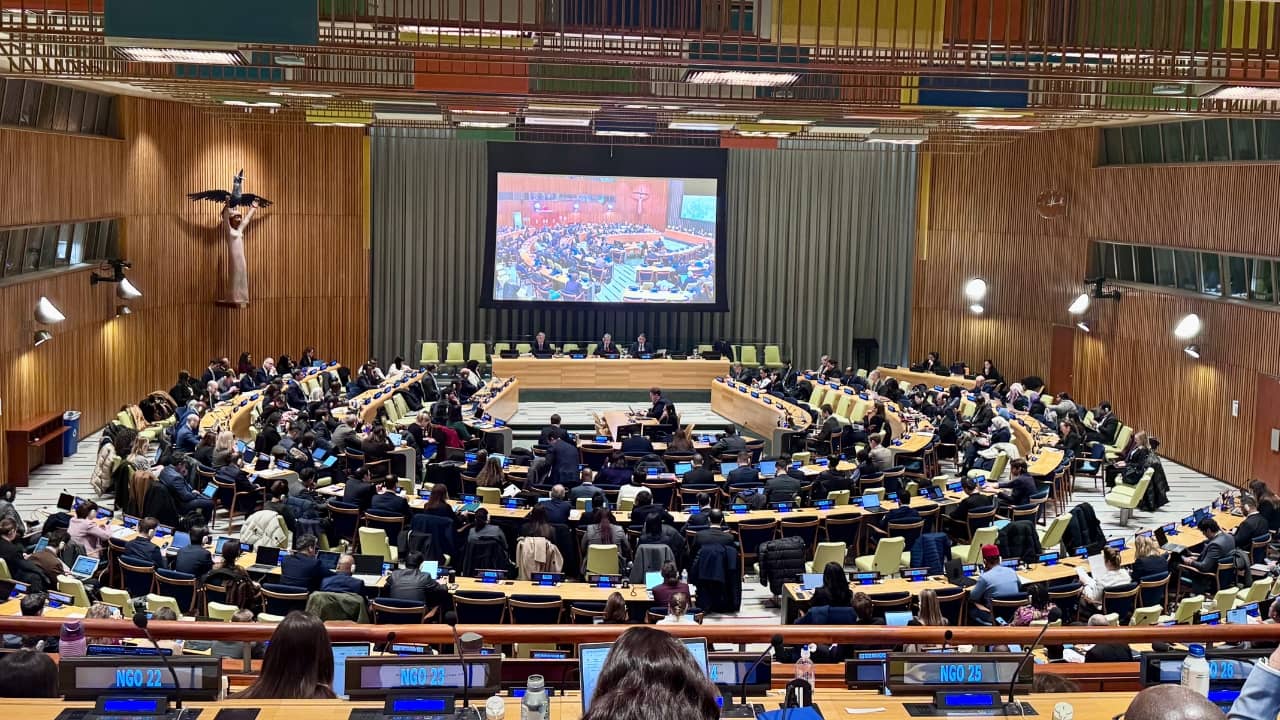
From July 7 to 9, 2025, Parliamentarians for Global Action’s executive committee participated in the special session on the review of the amendments on the crime of aggression of the Assembly of States Parties to the Rome Statute of the ICC.

Photo: The Syria Campaign

On the 27th anniversary of the adoption of the Rome Statute of the International Criminal Court, the Global Initiative Against Impunity reaffirms the essential role of international justice in upholding the international rules-based order.

Photo credit: Parliamentarians for Global Action.

On June 19, 2025, Parliamentarians for Global Action (PGA) organized a high-level roundtable under the Global Initiative Against Impunity to foster dialogue on the need for stronger gender justice accountability in Afghanistan.

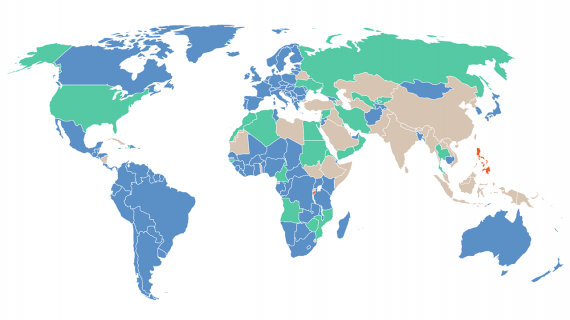
Status of the Rome Statute System as of October 2025

 
States that have ratified the Rome Statute [125]
 
States that have signed the Rome Statute but have not ratified it yet [29]
 
States that have withdrawn from the Rome Statute [2]
 
States that have neither signed nor ratified the Rome Statute
 

125 countries are States Parties to the Rome Statute of the International Criminal Court. Of these, 33 are African States, 19 are Asia-Pacific States, 20 are from Eastern Europe, 28 are from Latin American and Caribbean States, and 25 are from Western European and other States.

States that have ratified the Kampala Amendment to Article 8 of the Rome Statute on war crimes [poison and expanding bullets in NIAC] (2010) [49]
States that have ratified the Kampala Amendment to the Rome Statute on the crime of aggression reflected in Article 8 bis (entered into force on 17 July 2018) [49]
States that have ratified the Amendment to Article 124 of the Rome Statute (2015) - not yet in force [27]
States that have ratified the Amendment to Article 8 of the Rome Statute on war crimes prohibiting employing weapons the primary effect of which is to injure by fragments undetectable by x-rays in the human body (entered into force on 2 April 2020) [24]
States that have ratified the Amendment to Article 8 of the Rome Statute on war crimes [Weapons which use microbial or other biological agents, or toxins] (2017) [26]
States that have ratified the Amendment to Article 8 of the Rome Statute on war crimes [Blinding laser weapons] (entered into force on 2 April 2020) [24]
States that have ratified the Amendment to Article 8 of the Rome Statute on war crimes [Intentionally using starvation of civilians in NIAC] (adopted on 6 December 2019) - not yet in force [22]
States that have ratified the APIC [80]
States that have signed bilateral agreements with the ICC on relocation of witnesses and victim’s protection* [40]
States that have signed bilateral agreements with the ICC on enforcement of sentences* [19]
States that have signed bilateral agreements on interim release* [2]
States that have signed bilateral agreements on final release* [1]
States that have adopted at least partially domestic implementing legislations on complementarity** [71]
States that have adopted domestic implementing legislations on cooperation** [58]

*As agreements may be confidential, this data may be partial.
**By domestic implementing legislation PGA means national laws that give effect to the obligations under the Rome Statute of the ICC in the domestic legal order. States can implement the Rome Statute by adopting stand-alone legislation or by amending existing legislation (e.g. Penal Code, Code of Criminal Procedure). A few States had to amend their Constitution to align their system with the Rome Statute requirements. PGA developed expertise in all these areas of legal reform since 1999.

How We Work

Supported by an expert Secretariat, PGA members work together to educate, sensitize, build technical capacity, and strengthen the political will of parliamentarians to achieve campaign objectives through concrete legislative and policy initiatives. PGA works with individual parliamentarians in their national contexts through country-specific strategies, leveraging that capacity with international networking to facilitate connections among parliamentarians and build bridges with civil society, domestic and international policy-makers, and other stakeholders.

Read more on our Theory of Change