


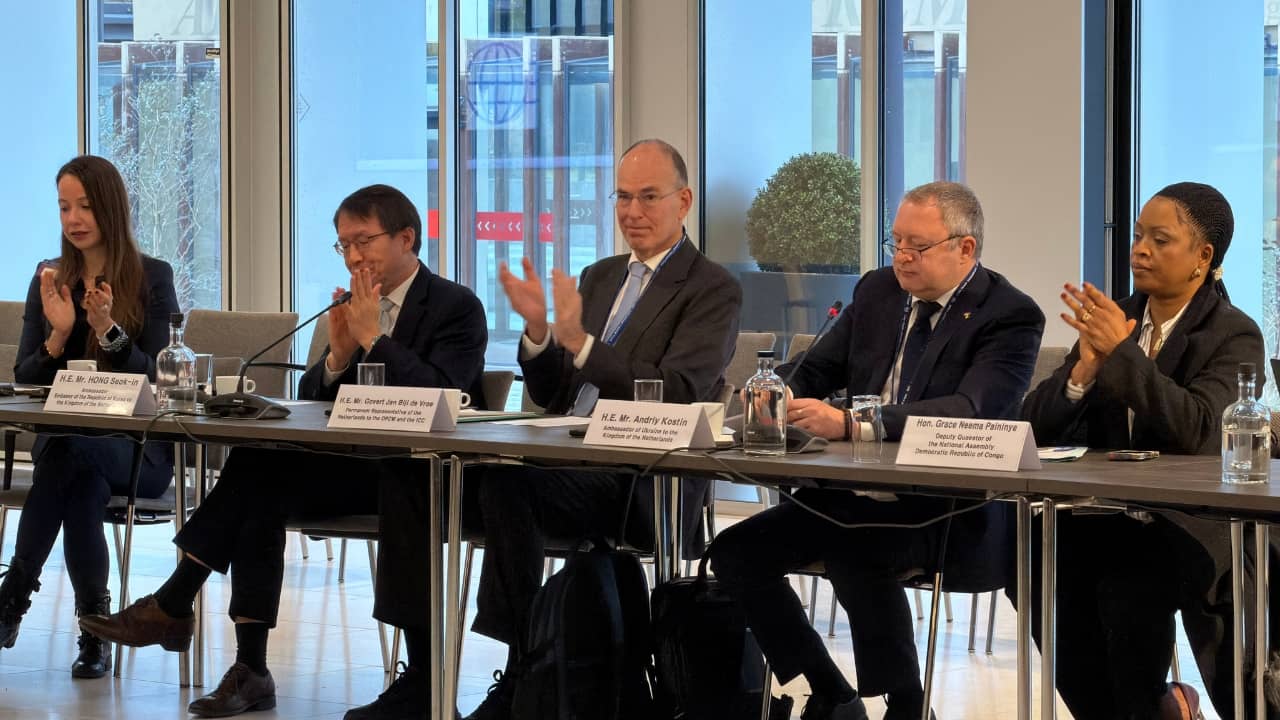
From 1 to 5 December 2025, representatives of countries who are States Parties to the Rome Statute, international organizations, and civil society met in The Hague, The Netherlands, for the 24th session of the Assembly of States Parties to the International Criminal Court. Against a backdrop of increasing political pressure on the Rome Statute system, the session provided an opportunity to reaffirm our shared commitment to fighting against impunity, and defend the founding treaty of the International Criminal Court tasked to investigate and prosecute individuals for the most serious crimes of concern to the international community: genocide, crimes against humanity, war crimes, and the crime of aggression.
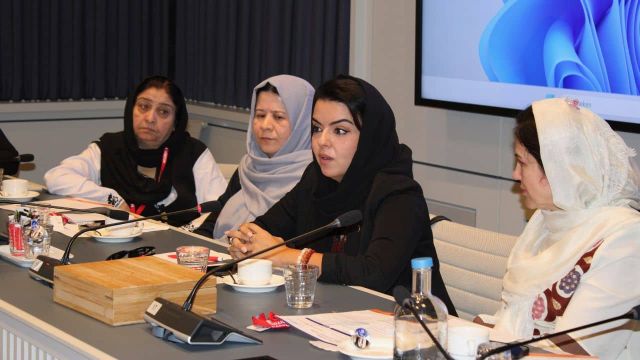
Despite eroding cooperation, withdrawal from the Rome Statute, and growing geopolitical tensions, Parliamentarians for Global Action was honored to invite Hon. Grace Neema Paininye, MP (Democratic Republic of the Congo), and Hon. Fawzia Koofi, MP in exile (Afghanistan), to address participants and call for strengthening international justice mechanisms and increasing support for survivors and communities of victims in their respective countries and around the world.
The urgency of advancing the universality of the Rome Statute
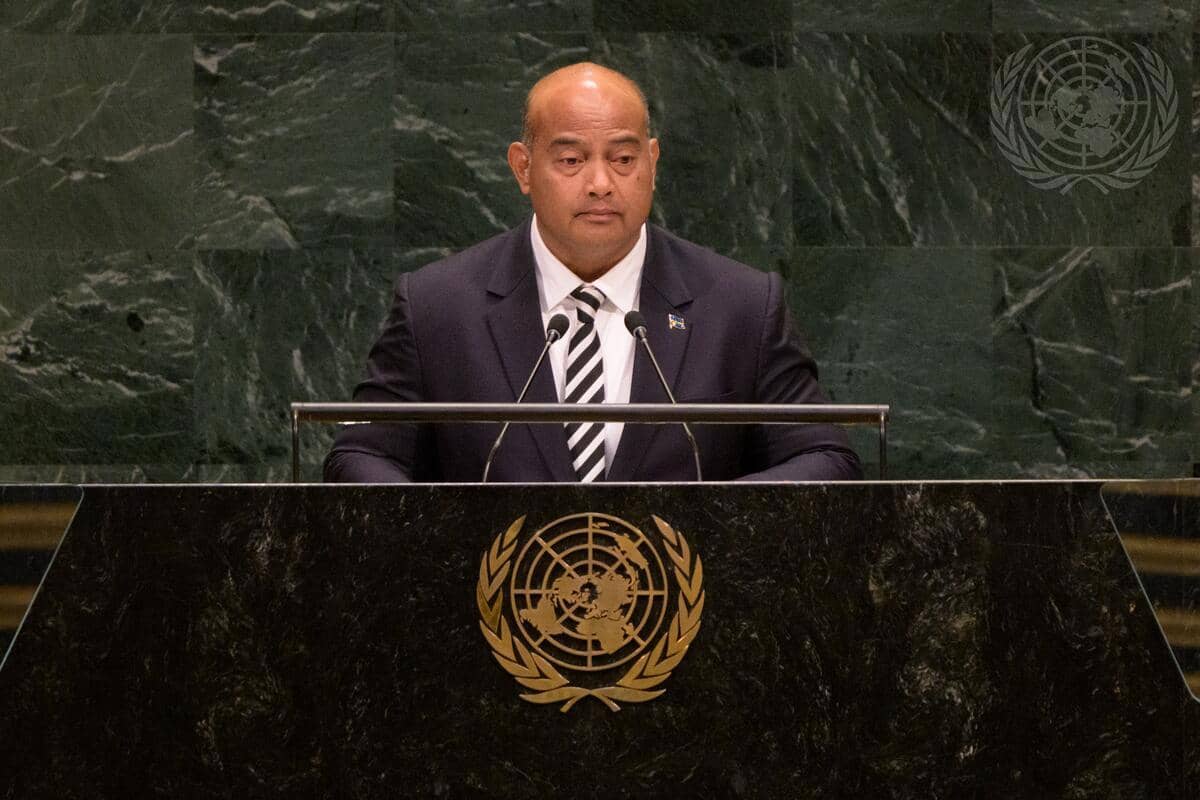
On 1 December 2025, in a side event co-organized with Parliamentarians for Global Action, the focal points on universality, the Ambassador of the Republic of Korea, H.E. Ambassador Seok-in Hong, and the Permanent Representative of the Netherlands to the International Criminal Court, H.E. Govert Jan Bijl de Vroe, highlighted the efforts undertaken by their countries to expand universal jurisdiction of the Rome Statute. They reiterated their commitment to continue promoting the ratification of the Rome Statute, particularly in the Asia-Pacific region (the least represented among States Parties). To achieve this goal, they noted the importance of global cooperation and the critical role played by civil society and Parliamentarians for Global Action's reach with its global membership.
The President of the International Criminal Court, H.E. Judge Tomoko Akane, emphasized that universality strengthens the Court's legitimacy and consolidates the international commitment at the center of its adoption. She stressed the importance of domestic implementation and the principle of complementarity, which allows national authorities to prosecute core crimes. As the workload of the Court grows, advancing the universality of the Rome Statute is a parameter that enables it to function more effectively.
Addressing the withdrawals from the Rome Statute, the President of the Assembly of States Parties (ASP), H.E. Ambassador Päivi Kaukoranta, outlined the ASP Secretariat's role in engaging at an early stage with countries while encouraging all other stakeholders to do the same to reinforce efforts addressing misperceptions about the Court.
The Ambassador of Ukraine to the Netherlands, H.E. Ambassador Andriy Kostin, stated that Ukraine's decision to ratify the Rome Statute in October 2024 was in direct response to Russia's war of aggression, demonstrating his country's willingness to establish itself as a defender of the international rule of law. To him, the six public arrest warrants issued by the International Criminal Court against senior Russian officials serve as proof that even the most senior officials can be held accountable – an essential element in building confidence in international justice. Warning that "justice delayed is often justice denied," he stressed the need to prioritize accountability for the most serious crimes by supporting the efforts of judicial mechanisms at national, regional, and international levels. He acknowledged the limitations of the ICC's jurisdiction over the crime of aggression, and the importance of the creation of the Special Tribunal for the Crime of Aggression against Ukraine to fill the accountability gap for the Ukrainian situation.
Parliamentarians urge accountability in a context of atrocity crimes
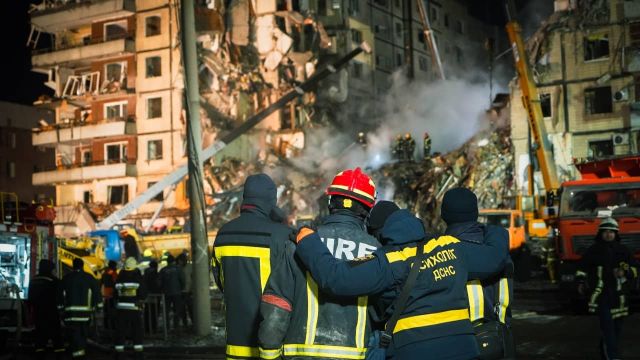
Hon. Grace Neema Paininye, MP (Democratic Republic of the Congo) described the decades of conflict and atrocity crimes affecting communities in the Democratic Republic of the Congo. She stressed the decisive role parliamentarians play in supporting survivors and communities of victims, including strengthening national legislation and harmonizing domestic legislation with the Rome Statute. She mentioned that DRC parliamentarians also play an important oversight role and contribute to the advocacy towards the establishment of a Special Criminal Court in the country. She noted the importance of supporting psycho-social and health programs, to finance reparation and strengthen transitional justice mechanisms.
We know that lasting peace requires truth, recognition of victim suffering, and the restoration of trust between citizens and institutions. (...) The DRC expects from the international community clear and unwavering support for the principles enshrined in the Rome Statute to not remain theoretical but to become living, applicable, and effective. Hon. Grace Neema Paininye, MP (Democratic Republic of the Congo)
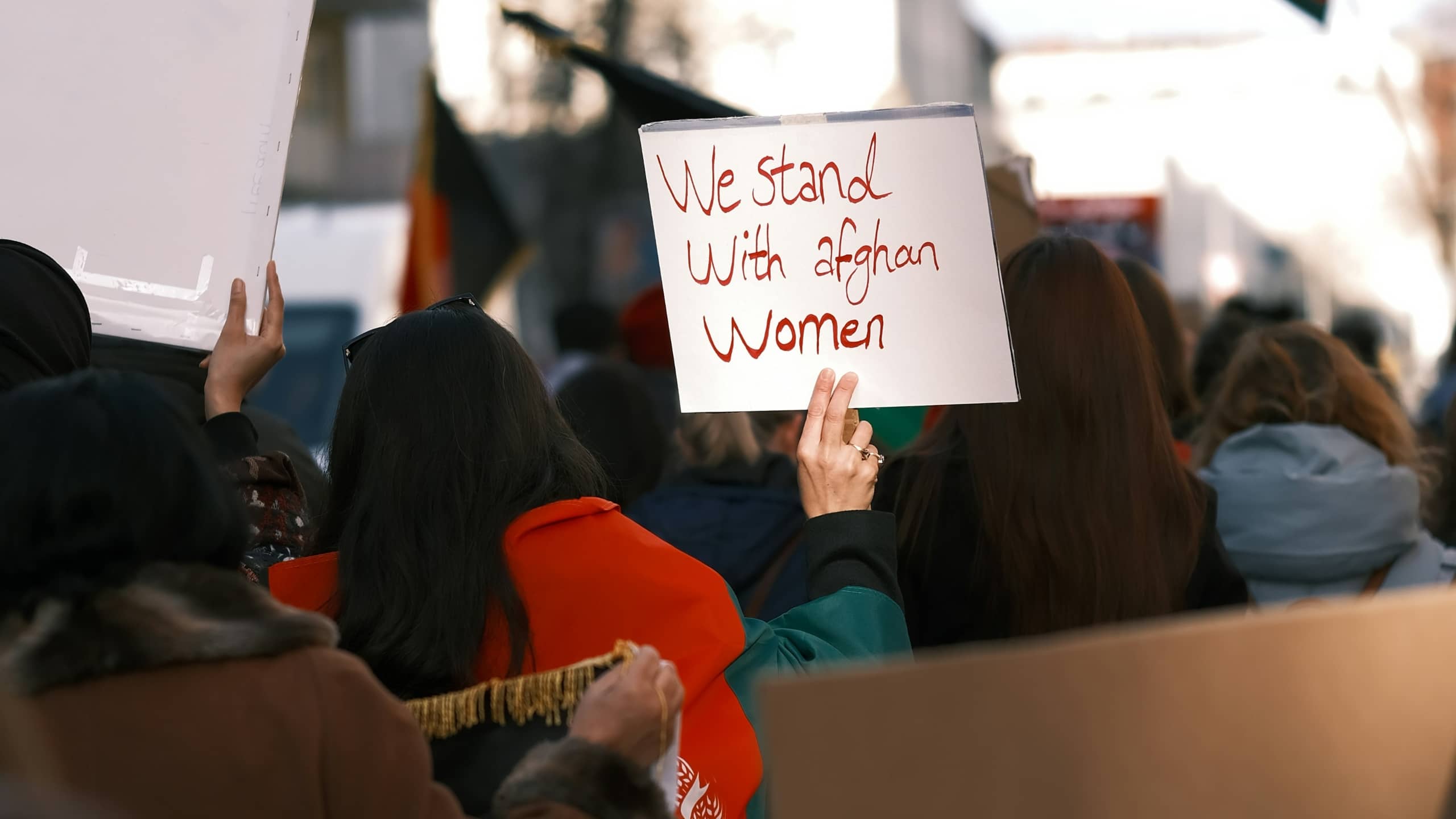
Hon. Fawzia Koofi, MP in exile (Afghanistan), reminded the audience that the ability to give a voice to the voiceless and ensure their protection through accountability mechanisms is being challenged more than ever before. Afghanistan is the only country where more than 18 million women are oppressed because of their gender. Such repression amounts to a crime of gender apartheid, which needs to be recognized and codified under international law, including within the framework of the draft crimes against humanity convention and by amending the Rome Statute (see PGA's Gender Apartheid Policy Brief outlining the parliamentary role in calling for the recognition and codification of gender apartheid as a crime under international law). Emphasizing the importance of developments at the International Criminal Court, particularly the two public arrest warrants against Taliban leaders, she insisted that more support from the international community was needed for accountability to prevail. Actions such as these warrants give the Afghan community hope and a sense that the world has not forgotten them.
There is a systematic erasure of women from the public, social, and political life in Afghanistan. (...) Women are being oppressed, which is not their choice. We did not choose to be women, so we should not carry the burden of dictators. What is happening in Afghanistan can happen anywhere tomorrow. It is a global responsibility to support global accountability. Hon. Fawzia Koofi, MP in exile (Afghanistan)
The promise of solidarity through stronger commitments
At the end of the week, States Parties adopted six resolutions by consensus on:
- strengthening the International Criminal Court and the Assembly of States Parties;
- cooperation;
- amendments to the Rules of Procedure and Evidence of the International Criminal Court,
- implementing recommendation R108 of the Group of Independent Experts related to the establishment of ad hoc investigative panels in case of complaints against elected officials;
- procedure and criteria for the waiver of the loss of voting rights, and
- programme budget for 2026.
The increasingly challenging geopolitical landscape prompts all stakeholders to recognize the urgent need to reinforce collective efforts to uphold accountability. This includes safeguarding and expanding the Rome Statute system, instrumental to protecting survivors and communities of victims, as well as supporting civil society organizations and human rights defenders standing at the forefront of justice efforts and increasingly facing risks. The surrender of a suspect in the Libya situation by Germany to the International Criminal Court was a significant development in the sidelines of the Assembly. Since the investigation was opened in 2011, this is the first time a suspect of international crimes committed in Libya has been brought before the Court bringing hope to hundreds of victims and survivors longing for justice.