


Advancing towards a Convention on the prevention and punishment of crimes against humanity
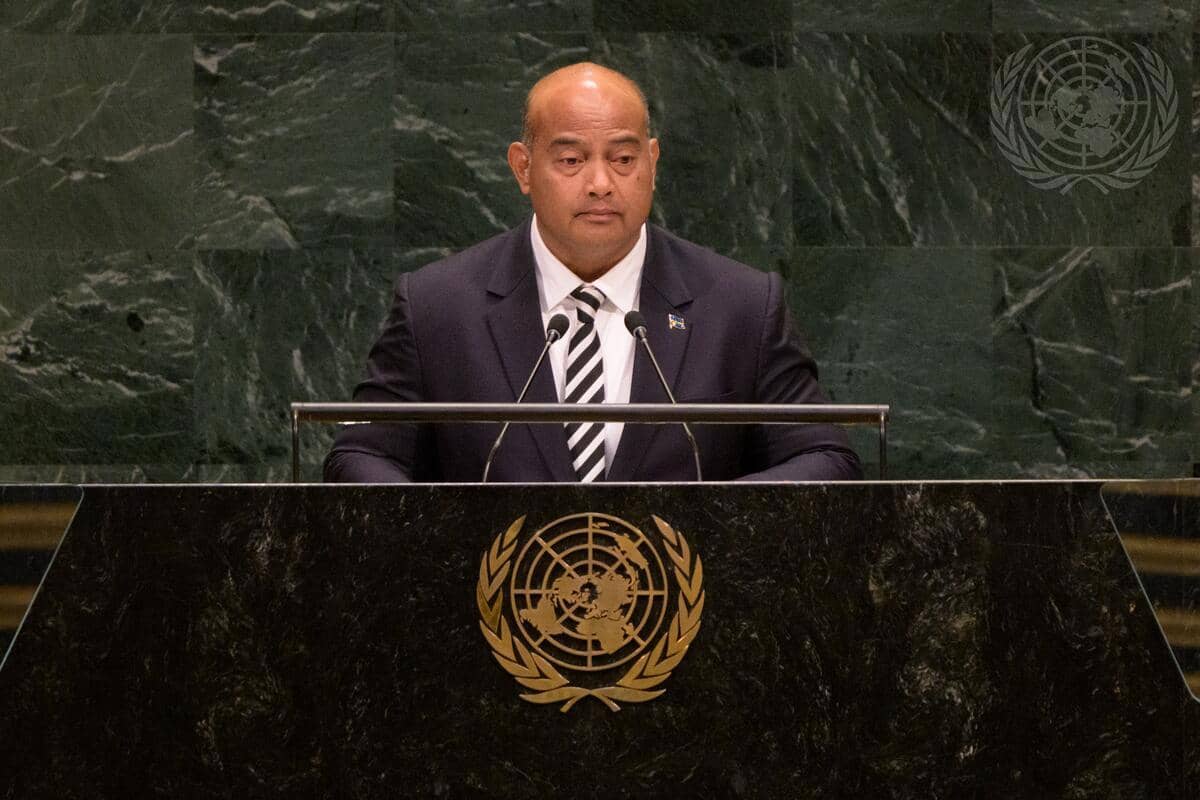
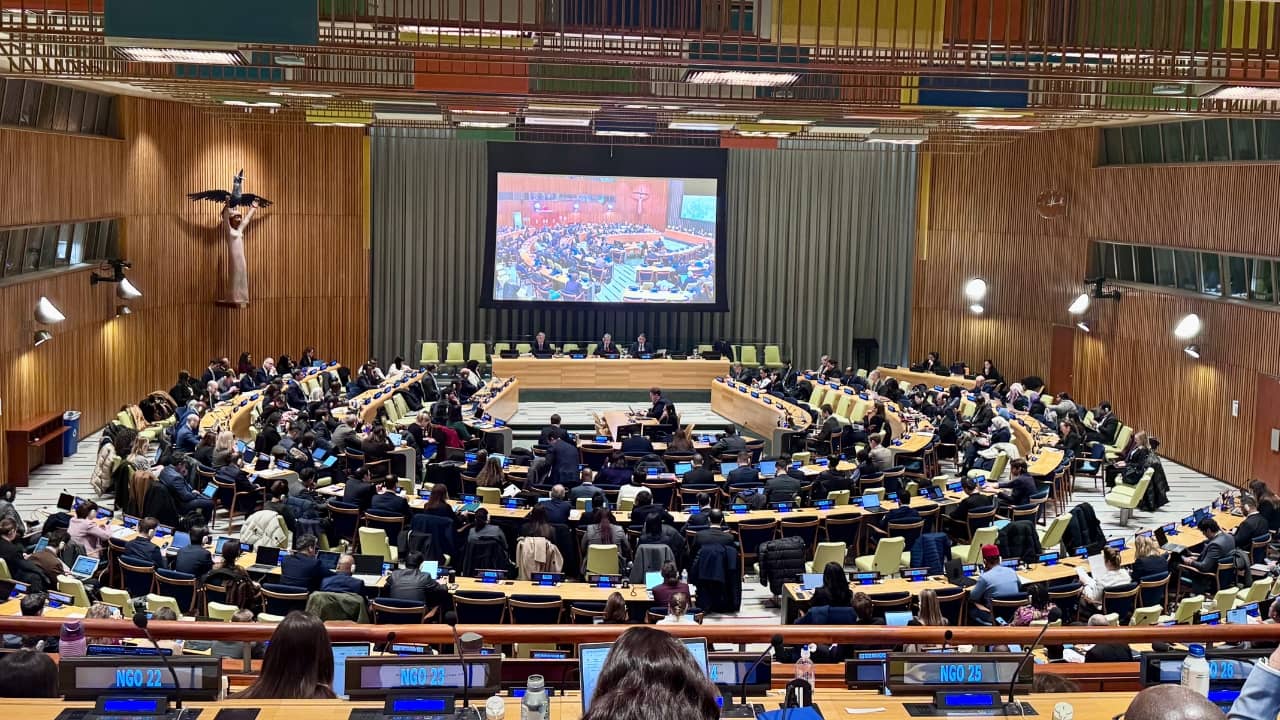
The first session of the Preparatory Committee for the United Nations (UN) Conference of Plenipotentiaries on the Prevention and Punishment of Crimes against Humanity, held in New York from 19 to 30 January 2026, marked an important step forward in advancing negotiations toward a long-overdue international treaty. Over the course of two weeks, countries engaged in substantive consultations on the Draft articles on the prevention and punishment of crimes against humanity, prepared by the UN International Law Commission and published in 2019, which will serve as a basis for negotiations of the future convention.
As mandated by the UN General Assembly in Resolution 79/122, discussions addressed the scope of the future convention, the definitions of crimes to be included, States’ obligations in relation to prevention and punishment, international cooperation, and implementation, as well as procedural questions guiding the next phases of the process. The discussions reflected strong interest among States and regional groups in the development of a dedicated convention and helped identify both areas of convergence and issues requiring further consideration.
Civil society’s inclusive participation as a foundation for a credible Convention
The Global Initiative Against Impunity (GIAI) welcomes the Preparatory Committee’s decision to ensure inclusive participation in the forthcoming stages of the negotiations. This includes extending participation to civil society organisations without ECOSOC consultative status, as well as representatives of academic institutions and the private sector.
This decision strengthens the legitimacy, transparency, and effectiveness of the process. It recognises the essential role of victims, affected communities, and civil society actors in shaping a meaningful, survivor-centred convention, and the importance of lived experience in ensuring that the future convention is credible, responsive to real harms, and capable of delivering justice.
FIDH, on behalf of the GIAI, delivered a statement during the session outlining key priorities for a strong and effective convention. In particular, the GIAI emphasised the need for the future Convention to:
- be progressive and reflect contemporary international law, including its recent developments;
- be unambiguously victim-centred, explicitly guaranteeing victims’ rights to information, participation, protection, and full and effective reparation;
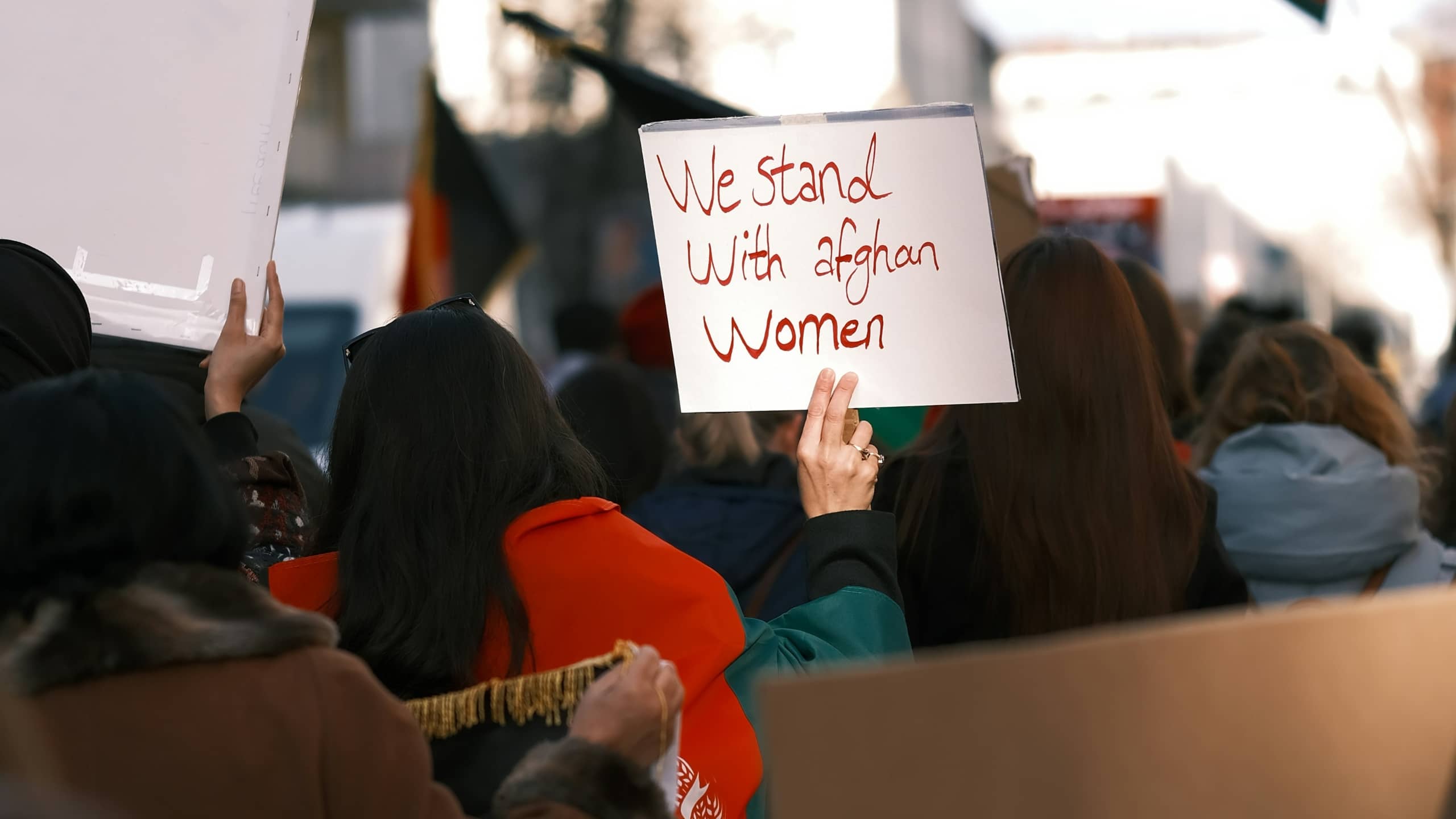
- address crimes that have too often remained invisible or unpunished, including by explicitly recognising gender-based crimes - such as gender apartheid and serious violations of reproductive autonomy - as well as incitement to crimes against humanity as a standalone crime; and
- establish a dedicated monitoring and complaints mechanism to ensure effective implementation.
The full statement is available here, as well as a video recording of the intervention here.
Next steps
States must submit formal proposals for amendments to the Draft articles no later than 30 April 2026. These proposals will be compiled into a consolidated text, which will serve as the basis for negotiations at the diplomatic conference scheduled to take place in early 2028 and again in the course of 2029.
Ahead of the April deadline, GIAI partners contributed to a series of thematic briefs to inform the negotiations, including:
- Victims’ rights – joint briefing note by REDRESS and FIDH on behalf of the GIAI, supported by TRIAL International, Women’s Initiatives for Gender Justice, the European Center for Constitutional and Human Rights (ECCHR), and Global Survivors’ Fund
- Liability of legal persons for crimes against humanity – TRIAL International, endorsed by FIDH, ECCHR, REDRESS, Women’s Initiatives for Gender Justice, Amnesty International, and Alessandra De Tommaso, among others
- “Towards a Convention on Crimes against Humanity: Key Recommendations for Ongoing Negotiations” – ECCHR
- “Advancing Gender Justice in the Crimes Against Humanity Convention: A Declaration” – Crimes Against Humanity Treaty Now
- Justice for Children in the Future Convention – Children and Crimes Against Humanity Coalition
- Proposed Revision to the Definition of Torture - joint briefing by the American University Washington College of Law, REDRESS, Parliamentarians for Global Action, and OMCT
These contributions aim to support States in ensuring that the future convention delivers concrete advances in accountability, prevention, and justice for victims of crimes against humanity.