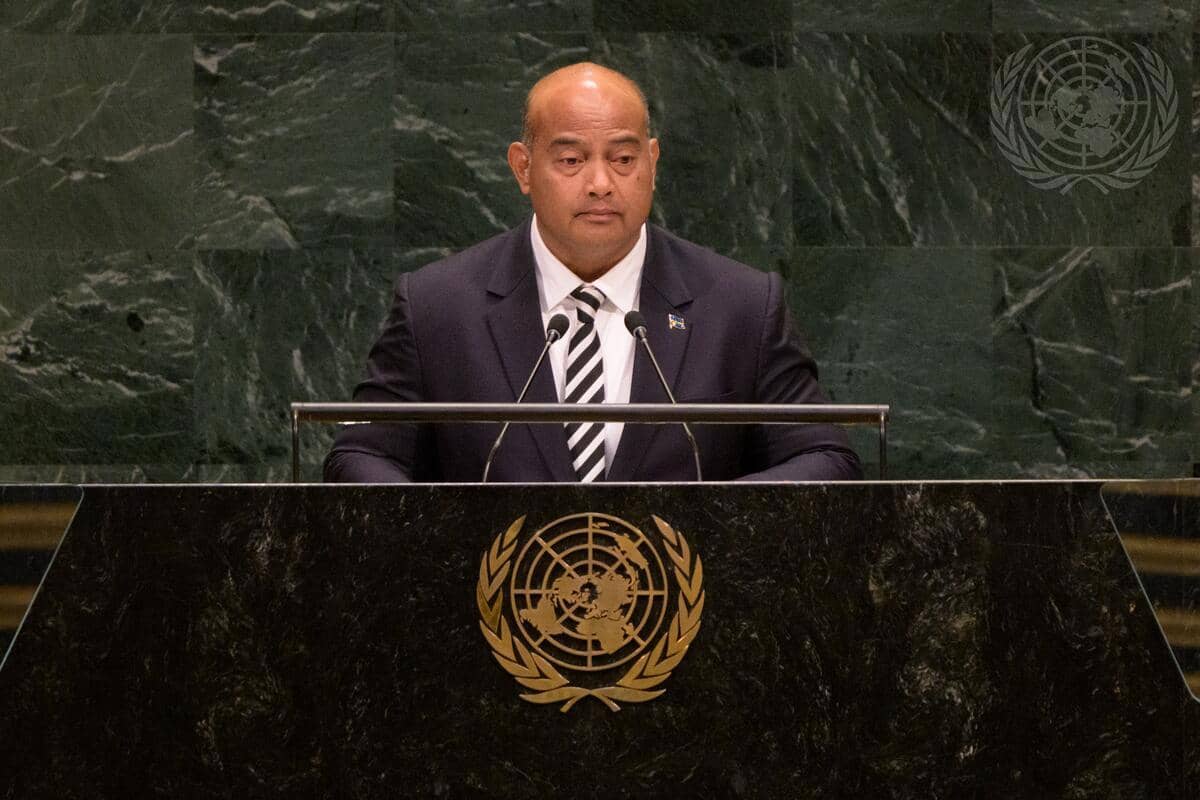



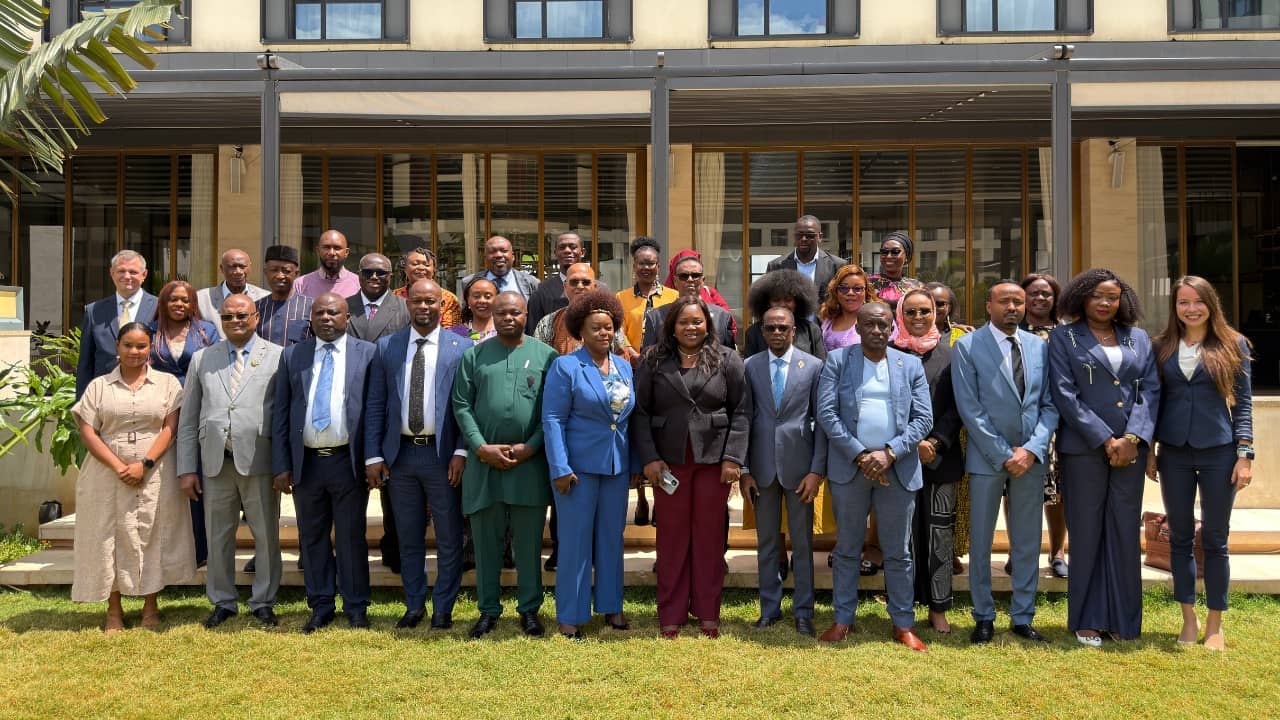
On 28 November 2025, 22 parliamentarians from 14 countries in Africa convened in Nairobi, Kenya, for the PGA-organized Africa Working Group Dialogue on International Justice and the International Criminal Court. The event culminated in the adoption of the Nairobi Plan of Action, which outlines concrete steps to strengthen criminal justice at both international and domestic levels, promote universality of the Rome Statute and other international justice initiatives, and defend the independence of the ICC.
Context
Members of Parliamentarians for Global Action in Africa have played a critical role in advancing ratification of the Rome Statute. However, renewed debates on balancing peace, accountability, and sovereignty, alongside persistent perceptions of ICC bias toward African States, have led Burkina Faso, Mali, and Niger to announce intentions to withdraw from the Statute.
In this context, the Dialogue—bringing together members of parliaments of Cameroon, the Central African Republic, the Democratic Republic of Congo, Djibouti, Ghana, Kenya, Malawi, Nigeria, Senegal, Sierra Leone, Somalia, The Gambia, Zambia, and Zimbabwe, as well as international experts from the ICC and civil society organizations—served as a timely and strategic intervention. It enabled candid discussions on barriers to universality and effective implementation, strengthening engagement between African States and the ICC, building parliamentary capacity to advance Rome Statute obligations, and identifying concrete pathways to enhance cooperation among national, regional, and international justice mechanisms.
Africa's engagement within the Rome Statute system
During discussions on Africa’s relationship with the ICC, experts clarified arguments relating to the ICC bias toward Africa. They provided a detailed overview of current investigations and situations, demonstrating that the ongoing ICC investigations and situation countries span multiple regions, reaffirming the Court’s global reach. Speakers underscored the need to counter persistent misperceptions about the Court and to deepen constructive engagement through the Assembly of States Parties and national reforms.
Experts shared legislative pathways to incorporate crimes, principles, and cooperation procedures into national law, including non‑application of immunities, command responsibility, and clear arrest and surrender frameworks, so that international crimes can be investigated and prosecuted effectively at domestic or ICC level —in case the domestic system is unable or unwilling to do so genuinely. Following a detailed legal overview of content of effective implementing legislation provided by PGA Program Director, Frederika Schweighoferova, international criminal lawyer from the Wayamo Foundation, Linda Bore Kamp, emphasized the need for robust domestic frameworks and universal jurisdiction to close accountability gaps:
National systems are the first line of defense. It is incumbent upon us in our own national jurisdictions to strengthen our domestic systems to foster international criminal justice... If we strengthen our own domestic capacity, many cases will not need to go to the ICC. Linda Bore Kamp, International Criminal Lawyer and Project Coordinator, Wayamo Foundation
Parliamentarians from Kenya, the Democratic Republic of the Congo, The Gambia, and others shared their experiences and legislative strategies to incorporate Rome Statute crimes and cooperation mechanisms into national law. They emphasized the urgent need to adopt victim-centered approaches and address gender-based crimes to ensure justice for survivors. They referenced ongoing implementation efforts and complementary avenues for accountability, including challenges associated with the African Court on Human and Peoples' Rights, and special jurisdictions such as the Special Criminal Court in the Central African Republic.
Advancing International Justice Initiatives
Parliamentarians have a critical opportunity to strengthen and advance the Rome Statute through several ongoing normative developments. These include efforts to promote amendments addressing international crimes subject to ongoing normative development or codification, such as the crime of aggression, the proposed crimes of ecocide, slavery, and the slave trade. In parallel, complementary international justice instruments—most notably the Ljubljana–The Hague Mutual Legal Assistance Convention (adopted in 2023) and the Draft convention on Crimes against Humanity (negotiations ongoing with the adoption expected in 2029)—further reinforce the Rome Statute system by enhancing cooperation, closing accountability gaps, and supporting effective domestic implementation through the principle of complementarity.
Dr. Ewelina Ochab, program lawyer at the International Bar Association, stressed the importance of parliamentary engagement in reforming the jurisdiction concerning the crime of aggression (foreseen for 2029), as well as the need for domestic reforms to close gaps in the implementation of the Rome Statute. Professor Jocelyn Getgen Kestenbaum, Professor of Law at the Benjamin N. Cardozo School of Law, discussed the proposed amendments on the inclusion of slavery and the slave trade as war crimes and crimes against humanity, with the aim of ending impunity for contemporary enslavement.
Hon. Ernest Yaw Anim (MP, Ghana) addressed environmental harm through the proposed amendment to the Rome Statute on ecocide and domestic oversight:
The Rome Statute has evolved before on genocide, child soldiers, and the crime of aggression because humanity recognized new threats. Today, the existential threat is environmental collapse. If we fail to act, our children will inherit poisoned rivers, barren land, and a climate of instability. If we act decisively, Africa can lead the world in advancing a new era of environmental justice... Recognizing ecocide is not merely a legal technicality; it is a moral duty and a generational responsibility. Hon. Ernest Yaw Anim (MP, Ghana)
Finally, in view of the external threats, sanctions, and cyberattacks against the Court, parliamentarians were urged to provide the ICC with steadfast political and operational support.
Parliamentarians committed to international justice
Through the unanimous adoption of the Nairobi Plan of Action for International Justice, legislators pledged to promote the ratification and effective domestic implementation of the Rome Statute and its amendments and advocate for stronger international cooperation among African states. In addition, they agreed to strengthen national legal frameworks to address gender-based crimes, defend the independence and impartiality of the ICC, support ongoing international justice initiatives, provide sufficient political and financial support to the ICC and Trust Fund for Victims, and acknowledge the critical role of human rights defenders and civil society organizations in upholding accountability and the international rule of law.