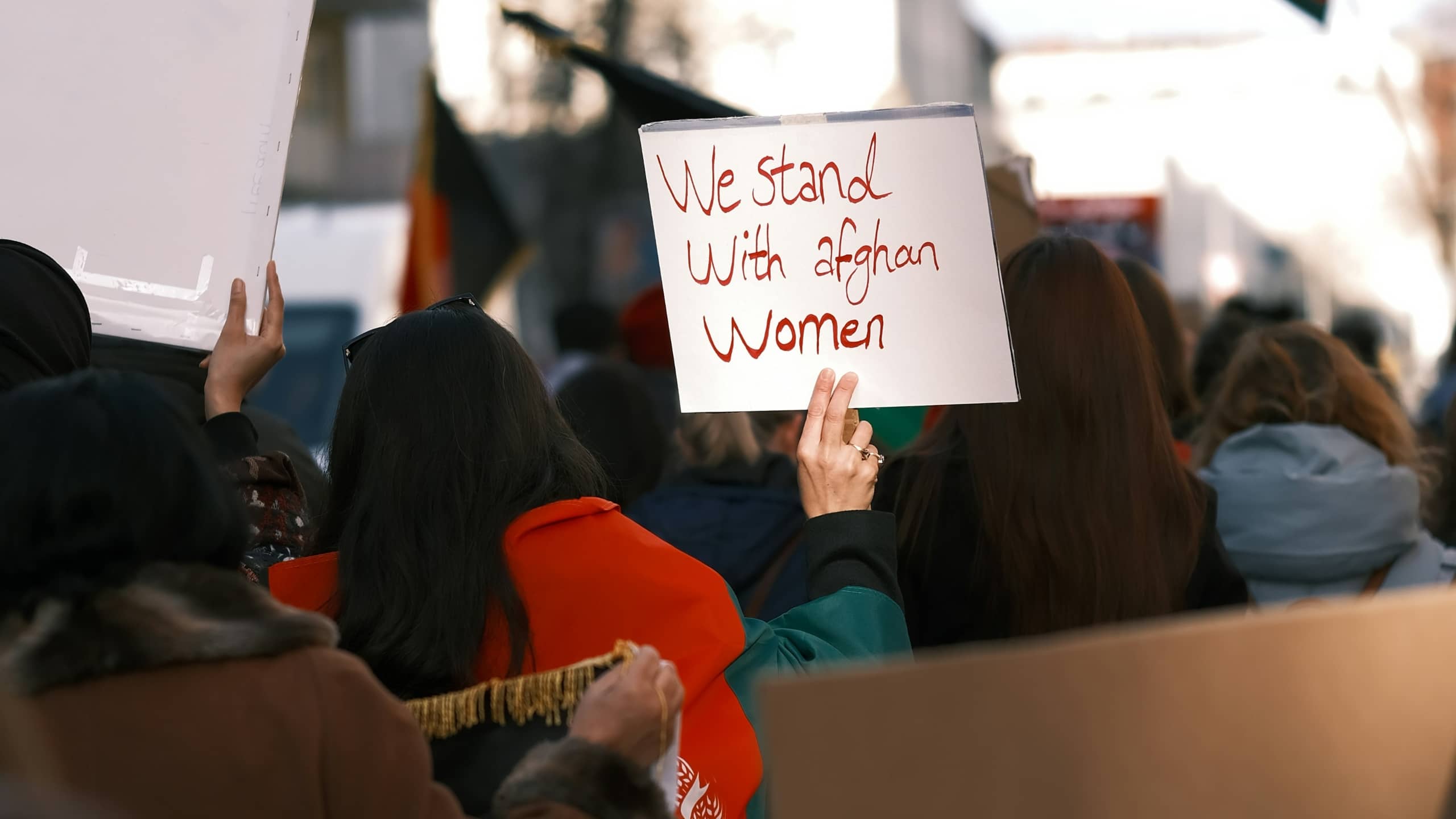



Human rights in Afghanistan have continued to deteriorate gravely under the Taliban regime, which has implemented systematic oppression and targeted discrimination against women and girls. Experts consider that this institutionalized discrimination amounts to “gender apartheid,” defined as an “extreme, systematic and structural war against [women] … designed to dehumanize and repress for purposes of entrenching power.”
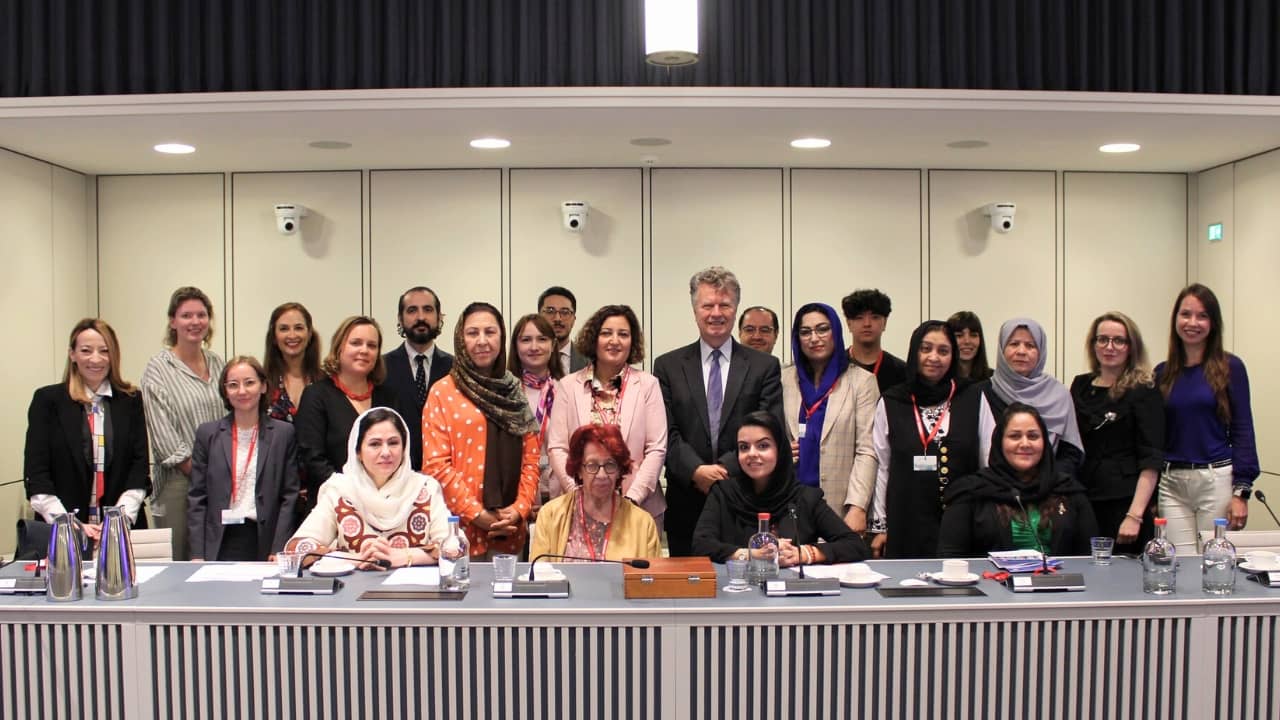
On June 19, 2025, Parliamentarians for Global Action (PGA) organized a high-level roundtable under the Global Initiative Against Impunity to foster dialogue on the need for stronger gender justice accountability in Afghanistan. The Senate of the Netherlands generously hosted the event, welcoming Afghan parliamentarians in exile, Afghan human rights defenders, Dutch senators, international experts, and representatives from civil society organizations and countries.
Advocating for Accountability in Afghanistan
“We are together in this fight,” declared Senator Jan Anthonie Bruijn, chairman of the Senate of the Netherlands, affirming the shared commitment to defend and promote the rule of law and democracy. Senator Boris Dittrich (Netherlands) and convenor of our Campaign for the Rome Statute of the ICC, underscored the international community’s collective responsibility to ensure that the people of Afghanistan, particularly Afghan women, are not left behind. He called on all stakeholders to speak out and utilize every international justice tool to deliver accountability and end impunity, especially as the global justice system faces increasing pressure and growing threats.
Afghan leaders in exile, who remain deeply connected to Afghans on the ground, expressed concerns about the marginalization of Afghan women and civil society. Ms. Fawzi Koofi, former MP in exile (Afghanistan) and recipient of PGA’s 2024 Defender of Democracy Award, highlighted the interconnectedness among human rights, women’s rights, peace, and security. She warned against granting the Taliban any form of recognition, including in their counterterrorism claims, as they represent the primary source of insecurity. No step should be taken at the expense of Afghan society, and Afghans, including Afghan women, must remain at the center of any processes shaping the country’s future.
Ms. Mariam Solaimankhil, MP in exile (Afghanistan) echoed these sentiments: “Afghanistan fell because of a deal made behind closed doors that excluded women. Today, Afghan women are fighting on the front lines.” She warned that the situation in Afghanistan will not remain within its borders if the international community fails to act and called on other countries and stakeholders to raise their voices and pursue accountability at all levels.
Recognizing Gender Apartheid
During the roundtable, speakers emphasized the need to codify gender apartheid as a crime under international law. Dr. Ewelina Ochab, senior program lawyer at the International Bar Association’s Human Rights Institute (IBAHRI), explained that naming and prosecuting gender apartheid is a critical step to ending impunity. She highlighted positive developments in legal avenues for accountability, such as the State Party referral supporting the International Criminal Court (ICC)’s investigation into Afghanistan, and the two applications for arrest warrants filed by the Office of the Prosecutor of the ICC. Additionally, she welcomed the initiative by Australia, Canada, Germany, and the Netherlands before the Convention on the Elimination of All Forms of Discrimination Against Women Committee, supported by 26 governments, calling on Afghanistan to cease violations of the Convention. She stressed the need for further action, such as bringing the case before the International Court of Justice, which remains a long-awaited development by the Afghan people.
Mr. Richard Bennett, UN special rapporteur on the situation of human rights in Afghanistan, emphasized the need for an “all-tools approach” to accountability, ensuring that Afghan women’s rights are central to all international responses. In his latest report, he detailed how the Taliban have instrumentalized Afghanistan’s justice system to impose a repressive and deeply misogynistic order. “Justice should not be a privilege,” he affirmed, underscoring the urgent need to create conditions in which Afghan women and girls can live with dignity and freedom. Mr. Bennett called for gender-competent investigations, including the use of universal jurisdiction. He urged countries to:
Ms. Valeria Babără, legal advisor at Women’s Initiative for Gender Justice, addressed the long-standing gap in recognizing gender harm, warning that codification does not guarantee accountability. She urged stakeholders to support efforts to codify gender apartheid, champion its inclusion in the draft Crimes against Humanity Treaty, and amplify Afghans’ demands through dedicated resolutions.
Empowering Afghan Voices
Ms. Mónica Adame, PGA secretary-general, concluded the roundtable with a shared call to action: to ensure Afghan voices remain visible, supported, and empowered. She encouraged PGA members to ask their respective Ministers of Foreign Affairs to support ongoing processes of accountability for Afghanistan, including by expediting the case before the ICJ. PGA remains committed to working alongside Afghan parliamentarians in exile and mobilizing its global parliamentary network to help bring accountability and dignity to the people of Afghanistan.