


Loading...

Campaña de seguridad nuclear y radiológica

The Challenge:

The Convention for the Physical Protection of Nuclear Materials (CPPNM) was adopted on 26th October 1979 and entered into force on 8th February, 1987. CPPNM provides for certain levels of physical protection during the international transport of nuclear material, in addition to establishing a general framework for cooperation among States in the protection, recovery, and return of stolen nuclear material. CPPNM also lists certain serious offenses involving nuclear material to be prescribed and punished by States Parties, and for which offenders are subject to a system of extradition or submission for prosecution.

In 1996, the UN Secretary-General (UNSG) prepared a report pursuant to UN General Assembly Resolution 50/53 (A/RES/50/53), which analyzed international legal instruments in place relating to international terrorism. The Report concluded that a need existed to elaborate additional international frameworks in spheres not contemplated in existing treaties. One of the initiatives proposed was prevention of the use of weapons of mass destruction (WMD) by terrorists.

In the period immediately following the terrorist attacks of September 11, 2001 in the United States of America, the risk of WMD related terrorism, including nuclear terrorism, began to receive more urgent attention on the part of the international community. Nuclear and radiological materials in the illicit market, in parallel, also became a significant point of alarm, in particular in the context of the revelations surrounding the A.Q. Khan nuclear smuggling networks in the 1980s and 1990s.

The ability of Non-State Actors, including terrorists and terrorist organizations, not only to obtain and use Weapons of Mass Destruction (WMD), but also to gain access to Chemical, Biological, Radiological, and Nuclear (CBRN) materials, continues to pose a grave threat to international peace and security. In recent years, Non-State Actors have sought out new ways to acquire and use WMD in the commission of terrorist acts. With the ever-increasing growth and expansion of legal and illegal trade channels, the potential for access to such weapons and constitutive materials has, regrettably, only become easier.

The International Convention for the Suppression of Acts of Nuclear Terrorism (ICSANT) was adopted on 13th April, 2005. ICSANT criminalizes the possession, use, or threat of use of radioactive devices by Non State Actors, their accomplices, and organizers “with the intent to cause death or serious bodily injury” or environmental or property damage. ICSANT also requires States Parties governments either to prosecute terrorist suspects in domestic courts or extradite them to their home countries and also provides a framework for increased exchanges of information and greater cooperation between States in the pursuit of terrorist suspects. ICSANT also urges states to ensure the protection of radioactive materials, “taking into account” recommendations of the International Atomic Energy Agency (IAEA). ICSANT also classifies as a punishable offense any attacks on nuclear facilities that could risk the release of radioactive material.

However, as the quantity of nuclear material in circulation for civilian use has steadily increased, both CPPNM and ICSANT were considered not to be fully adequate in the protection of nuclear installations or nuclear materials in domestic use, storage, and transport. Pursuant to Article 2, the CPPNM applies to nuclear material used for peaceful purposes while in international nuclear transport. On 8 July 2005, the State Parties to the CPPNM adopted the Amendment to the CPPNM. The amended Convention makes it legally binding for States Parties to protect nuclear facilities and material in peaceful domestic use, storage as well as transport. The Amendment also provides for greater cooperation between and among States regarding rapid measures to locate and recover stolen or smuggled nuclear material, mitigate any radiological consequences of sabotage, and prevent and combat related offences.

CPPNM Amendment to CPPNM ICSANT

Adopted: 26 October 1979

Adopted: 8 July 2005

Adopted: 13 April 2005

Opened for Signature: 3 March 1980

Opened for Signature: N/A

Opened for Signature: 14 September 2005

Entered into Force: 8 February 1987

Entered into Force: 8 May 2016

Entered into Force: 7 July 2007

Number of States Parties: 162

Number of States Parties: 125

Number of States Parties: 117

Number of Signatories: 44

Number of Signatories: N/A

Number of Signatories: 115

Depositary: International Atomic Energy Agency (IAEA)

Depositary: International Atomic Energy Agency (IAEA)

Depositary: UN Secretary-General

CPPNM | Key Provisions

The CPPNM obliges States Parties to:

  • Take specific measures and respect the defined standards of physical protection for international shipments of nuclear material for peaceful purposes (plutonium, uranium 235, uranium 233 and spent fuel)
  • Undertake not to export or import nuclear materials or to authorize their transit through their territory unless they have been assured that such materials will be protected during international transport in accordance with the levels of protection determined by the Convention;
  • Cooperate in the recovery and protection of stolen nuclear material, by sharing information on missing nuclear material;
  • Criminalize specified acts, including the misuse or threat to misuse nuclear material to harm the public; and
  • Prosecute or extradite those accused of committing such acts. States Parties undertake to include these offenses as extraditable offenses in any future extradition treaty to be concluded between them.

The Convention also provides a framework for international cooperation in the exchange of information on physical protection.

  •  Target Signatory State
  •  Target Non-Signatory State

Amendment to CPPNM | Key Provisions

As set out by the International Atomic Energy Agency (IAEA), the Amendment to the CPPNM makes it “legally binding to protect nuclear facilities and material in peaceful domestic use, storage, and transport and also provides for expanded cooperation between and among States regarding rapid measures to locate and recover stolen or smuggled nuclear material, mitigate any radiological consequences of sabotage, and prevent and combat related offences.”

  •  Target Signatory State
  •  Target Non-State-Party
  •  State Party
 

ICSANT | Key Provisions

  • A broader definition (than the Convention on the Protection of Nuclear Material) of materials and facilities covering both military and civilian applications
  • The criminalization of the planning, threat or execution of acts of nuclear terrorism; it obliges states to criminalize these offenses through implementation in national law and to establish penalties according to the seriousness of these crimes
  • Guidelines for extradition and other punitive measures
  • The obligation for States to take all possible measures to prevent and counter the preparations for offenses which take place inside or outside their territory.
  •  Target Signatory State
  •  Target Non-Signatory State
 

The Response: The Campaign to Promote Nuclear and Radiological Security

Launched in March 2021, PGA's Nuclear and Radiological Security Campaign seeks to address the fact that a large number of States worldwide have yet to become States Parties and/or fully implement (i) The Convention on the Physical Protection of Nuclear Material (CPPNM), (ii) its Amendment and (iii) the International Convention for the Suppression of Acts of Nuclear Terrorism (ICSANT).

PGA has an active membership network in many of the Signatory and Non-Signatory States worldwide to these 3 international treaties which it will be seeking to mobilize to promote broader universality and implementation of all 3 international treaties, in consultation, and collaboration with, relevant international organizations and partners.

PGA’s global membership, since 2015, has made decisive contributions to promoting universality and implementation of the Biological Weapons Convention as well as implementation of UN Security Council Resolution 1540.

Similarly, PGA’s global membership, have made equally substantive contributions to addressing the illicit trade in small arms and light weapons worldwide and in promoting universality and implementation of the Arms Trade Treaty.

Constitutive Documents and Resource Reports


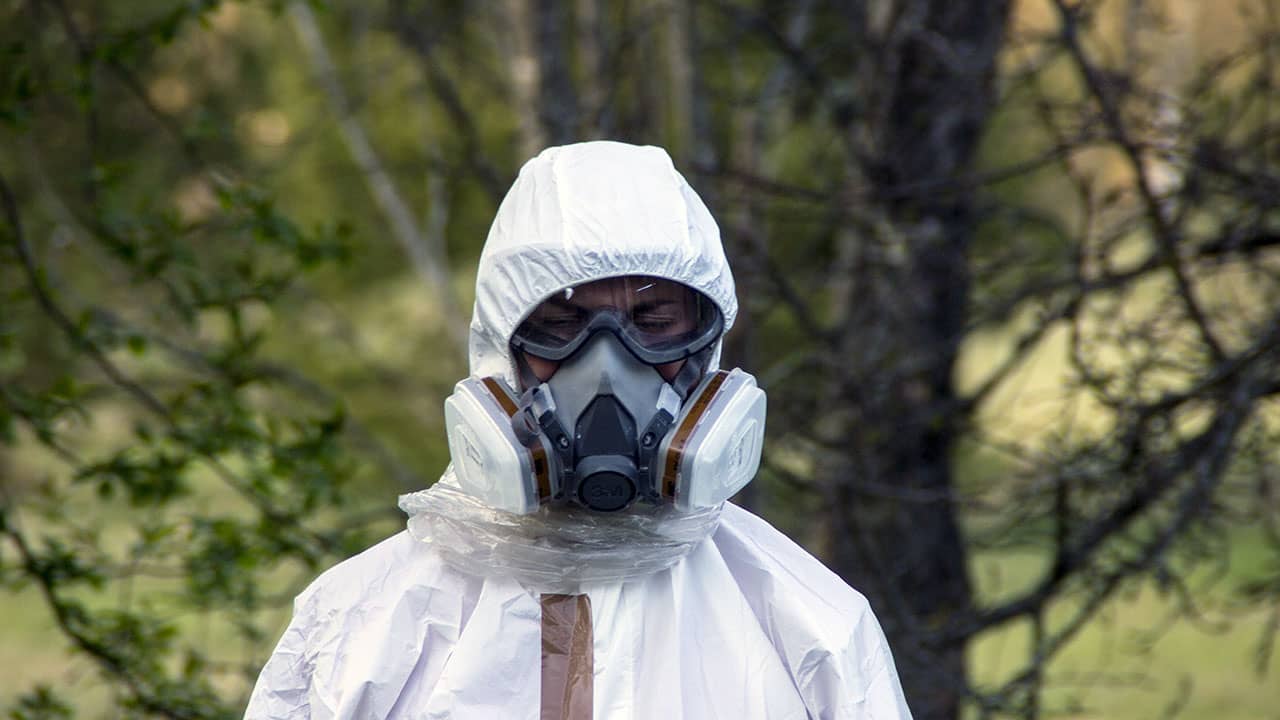
hazmat suit


Logros

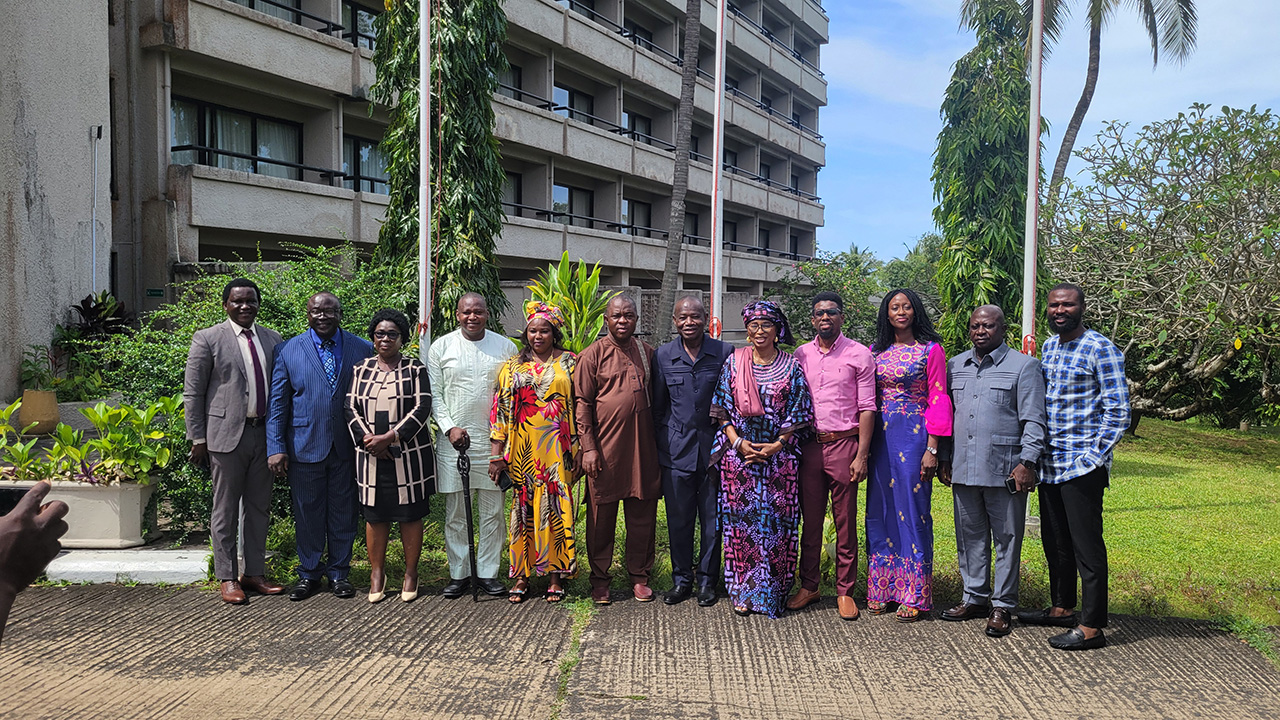
PGA National Parliamentary Session on Nuclear and Radiological Security, Freetown, Sierra Leone

PGA National Parliamentary Session on Nuclear and Radiological Security, Freetown, Sierra Leone

PGA is grateful to the Parliament of Sierra Leone for facilitating the organization of this Workshop and to UNODC for their continued important collaboration with and cooperation.

PGA's International Peace and Security Program  organized a National Parliamentary Session (NPS) on Nuclear and Radiological Security in Freetown, Sierra Leone on October 21st, 2024. An initial welcome and introduction was made by the Chair of the Legislative Committee of the Parliament of Sierra Leone, Hon. Sulamain Conteh. This was immediately followed by a wide-ranging overview made by former PGA Executive Committee Member and Member of Parliament, Hon. Dr. Bernadette Lahai CRSL (formerly also Vice President of the Pan African Parliament) of past and present extensive engagement by PGA with the Parliament of Sierra Leone and its PGA Membership, including the organization of two previous events in Freetown in the past 15 years.   Following a summary provided by the Senior Director of PGA's International Peace and Security Program of programmatic activity within PGA IPSP, Peter Barcroft introduced participants to PGA IPSP's Nuclear and Radiological Campaign, in particular focussing on ongoing efforts to promote adherence to the International Convention for the Suppression of Acts of Nuclear Terrorism (ICSANT) in numerous States worldwide. Thereafter, a substantive and informative presentation on the goal and objectives of ICSANT, as well as the benefits of adherence, was provided virtually in PowerPoint format by Mr. Artem Lazarev, Programme Officer, CBRN Terrorism Prevention Programme Terrorism Prevention Branch of the United Nations Office on Drugs and Crime (UNODC) in Vienna. There followed a lively and lengthy Question and Answer session with many participants engaging directly, seeking clarifications and/or additional information as well as making general, helpful contextual observations - in terms of encouraging the Government of Sierra Leone to explore the possibility of ratifying ICSANT, having already signed it in 2005.  Prior to conclusion of the National Parliamentary Session, Mr. Peter Barcroft, Senior Director, PGA IPSP made a PowerPoint presentation highlighting the gender differentiated impact of nuclear and radiological weapons and materials on women which was also well received by all participants. Brief suggested points of action were also raised at the conclusion of the NPS and it was agreed that the participants would further refine these points of action, following subsequent internal consultations among themselves.  PGA is grateful to the Parliament of Sierra Leone for facilitating the organization of this Workshop, to UNODC for their continued important collaboration with and cooperation in the implementation of this project as a whole as well as to the Weapons Threat Reduction Program of Global Affairs Canada for funding support for this successful event. 

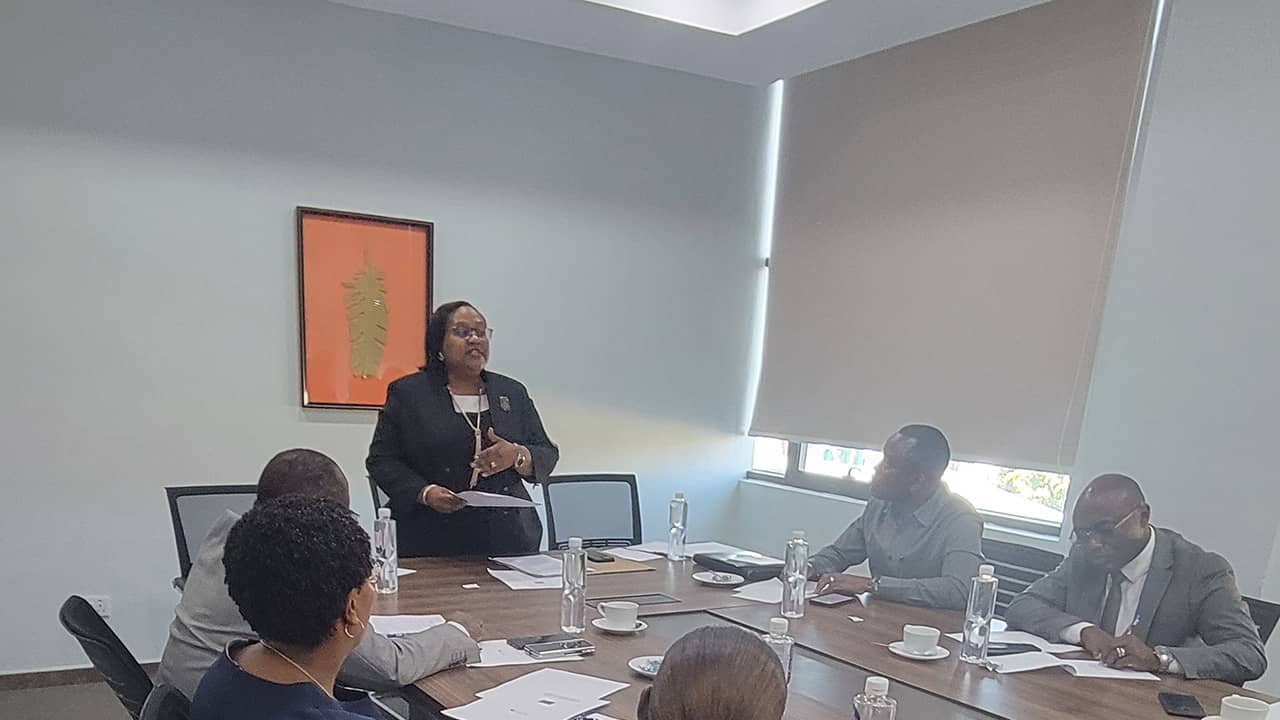
PGA National Parliamentary Session on Nuclear and Radiological Security Dodoma, Tanzania

PGA National Parliamentary Session on Nuclear and Radiological Security Dodoma, Tanzania

While Tanzania is already a State Party to the Nuclear Non-Proliferation and other treaties, action is still pending .with respect to several other crucial international conventions and treaties which regulate nuclear and radiological security,.

On 18th June, 2024, and with the kind support of the Weapons Threat Reduction Program (WTRP) of Global Affairs Canada (GAC WTRP), PGA's International Peace and Security Program (IPSP) organized a National Workshop on Promoting Nuclear and Radiological Security in Dodoma, Tanzania. While Tanzania is already a State Party to the Nuclear Non-Proliferation Treaty (NPT), the Comprehensive Nuclear-Test-Ban Treaty (CTBT) as well as the Convention on the Physical Protection of Nuclear Material (CPPNM), to date action is still pending with respect to several other crucial international conventions and treaties which regulate nuclear and radiological security, notably the International Convention for the Suppression of Acts of Nuclear Terrorism (ICSANT) as well as the Amendment to the Convention on the Physical Protection of Nuclear Material (A/CPPNM).  Opened with Welcome Remarks from long-time PGA Member, Hon. Jasson Rweikiza, MP, this Workshop was convened in order to provide a space for 10 Members of Parliament from Tanzania to improve their knowledge and understanding of nuclear and radiological security, in particular the importance and benefits of adherence to key international treaties regulating this field.  With a Keynote Address by PGA Member, the Hon. Dr. Pindi Chana, MP, Minister for Constitutional and Legal Affairs of Tanzania, in which she highlighted the many reasons why Tanzanian MPs should become more engaged in this arena at the national level, this Workshop also allowed for an opportunity for participants to receive several in-depth presentations from experts from both the African Center for Science and International Security (AFRICSIS) as well as from the United Nations Office on Drugs and Crime (UNODC).  The gender differentiated impact of the use of nuclear and radiological weapons, or release of nuclear or radiological material, specifically the disproportionately adverse impact of such actions on women, was also highlighted in a presentation made by PGA during the course of the event. Five female legislators participated in this Workshop.  Prior to conclusion of this Workshop, a number of potential points of action were identified for subsequent follow-up by participants to promote the objectives of this event. In the months ahead, PGA will continue to stay in contact with participants with a view to facilitating subsequent initiative-taking in furtherance of the objectives of this Workshop. PGA is very grateful to Hon. Jasson Rweikiza, MP for his assistance in convening this Workshop in Tanzania as well as to the Weapons Threat Reduction Program of Global Affairs Canada for their kind funding support, without which it would not have been possible to organize this successful event.  

Últimas Actividades:

Participation by PGA in the G7 Global Partnership (GP) Meetings on Non-Proliferation of Weapons of Mass Destruction (WMD)

The PGA Secretariat was invited to participate in Global Partnership (GP) Meetings on Non-Proliferation of Weapons of Mass Destruction in Ottawa, Canada on 5 – 7 February 2025.

Republic of Seychelles Deposits its Instrument of Ratification to ICSANT With the United Nations

Seychelles will therefore now become the 126th State Party to the International Convention for the Suppression of Acts of Nuclear Terrorism, thirty days from today's date of deposit of Instrument of Ratification - on January 2nd, 2025.

PGA welcomes the Nomination of a Point of Contact by The Gambia to the United Nations Security Council 1540 Committee

Resolution 1540 (2004) affirms that the proliferation of nuclear, chemical and biological weapons and their means of delivery constitutes a threat to international peace and security

Countries targeted by the NRS Campaign and their status in regard to ICSANT, CPPNM and ACPPNM

Country ICSANT CPPNM ACPPNM
Bahamas Non-Signatory State State-Party Non-State Party
Barbados Non-Signatory State Non-Signatory State Non-State Party
Belize Non-Signatory State Non-Signatory State Non-State Party
Bolivia Non-Signatory State State-Party State-Party
Botswana* State-Party State-Party State-Party
Burkina Faso Signatory State State-Party State-Party
Cambodia Signatory State State-Party Non-State Party
Cameroon Non-Signatory State State-Party State-Party
Central African Republic State-Party State-Party Non-State Party
Chad Non-Signatory State State-Party State-Party
Colombia Signatory State State-Party State-Party
Democratic Republic of Congo State-Party State-Party Non-State Party
Ecuador Signatory State State-Party State-Party
Eswatini Signatory State State-Party State-Party
Gambia Non-Signatory State Non-Signatory State Non-State Party
Ghana Signatory State State-Party State-Party
Grenada Non-Signatory State State-Party Non-State Party
Guinea Signatory State State-Party Non-State Party
Guinea Bissau State-Party State-Party Non-State Party
Guyana Signatory State State-Party Non-State Party
Haiti Non-Signatory State Signatory State Non-State Party
Honduras Non-Signatory State State-Party Non-State Party
Liberia Signatory State State-Party State Party
Malawi*** State-Party State-Party State Party
Malaysia Signatory State Non-Signatory State Non-State Party
Maldives Non-Signatory State Non-Signatory State Non-State Party
Mauritius Signatory State Non-Signatory State Non-State Party
Mozambique**** Signatory State State-Party State-Party
Nepal Non-Signatory State Non-Signatory State Non-State Party
Pakistan Non-Signatory State State-Party State-Party
Philippines Signatory State State-Party State Party
Saint Vincent and the Grenadines State Party Non-Signatory State Non-State Party
Senegal Signatory State State-Party State-Party
Seychelles Signatory State State-Party State-Party
Sierra Leone Signatory State Non-Signatory State Non-State Party
Somalia Non-Signatory State Non-Signatory State Non-State Party
South Sudan Non-Signatory State Non-Signatory State Non-State Party
Suriname Non-Signatory State Non-Signatory State Non-State Party
Tanzania Non-Signatory State State-Party Non-State Party
Togo Signatory State State-Party Non-State Party
Trinidad and Tobago Non-Signatory State State-Party Non-State Party
Uganda Non-Signatory State State-Party Non-State Party
Zambia State-Party State-Party Non-State Party
Zimbabwe** State-Party State-Party State Party

*On 12 July 2021, Botswana acceded to the INTERNATIONAL CONVENTION FOR THE SUPPRESSION OF ACTS OF NUCLEAR TERRORISM

**On 20th September, 2021, Zimbabwe acceded to the Convention on the Physical Protection of Nuclear Material
   In September 2023, Zimbabwe acceded to ICSANT and to the Amendment to the CPPNM

***On February 11th, 2022 Malawi acceded to the Amendment to the Convention for the Physical Protection of Nuclear Material

****Mozambique ratified the A/CPPNM on 26th September, 2022.

Donante de campaña


Global Affairs Canada

Cómo trabajamos

Mediante el uso de una metodología de igual a igual y estrategias adecuadas a cada país, la Secretaría de PGA y sus miembros trabajan juntos para educar, sensibilizar, desarrollar capacidad técnica y fortalecer la voluntad política de los parlamentarios para que tomen iniciativas concretas y acciones legislativas y lograr resultados en el marco de las campañas de PGA..

PGA trabaja con parlamentarios individuales en sus contextos y parlamentos nacionales y a partir de allí crea redes internacionales que conectan a la sociedad civil y los parlamentarios, así como también como los responsables políticos y partes interesadas a nivel nacional e internacional.

Más sobre nuestra Teoría de Cambio