Loading...

Mobilizing Legislators as Champions for Human Rights, Democracy, and a Sustainable World
Movilizando parlamentarios como defensores y defensoras de los derechos humanos, la democracia y un mundo sostenible. Conozca más

Últimas Actividades:

Foto: Parliamentarians for Global Action

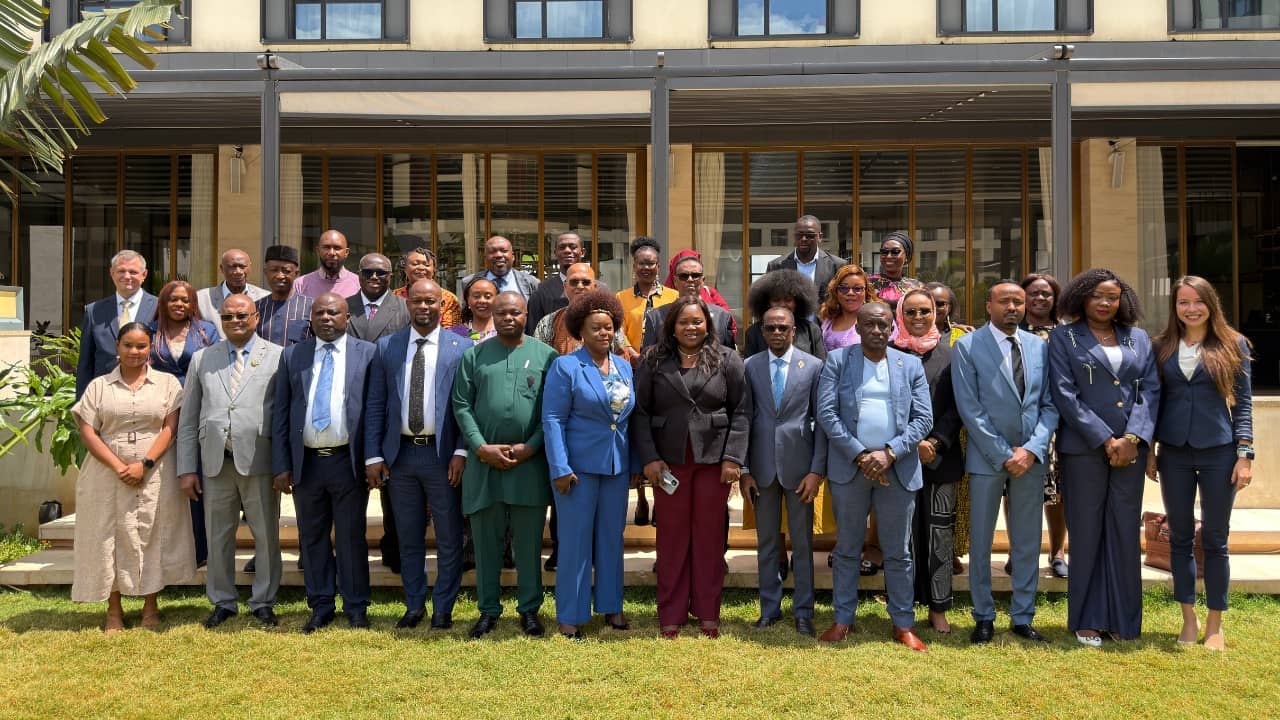
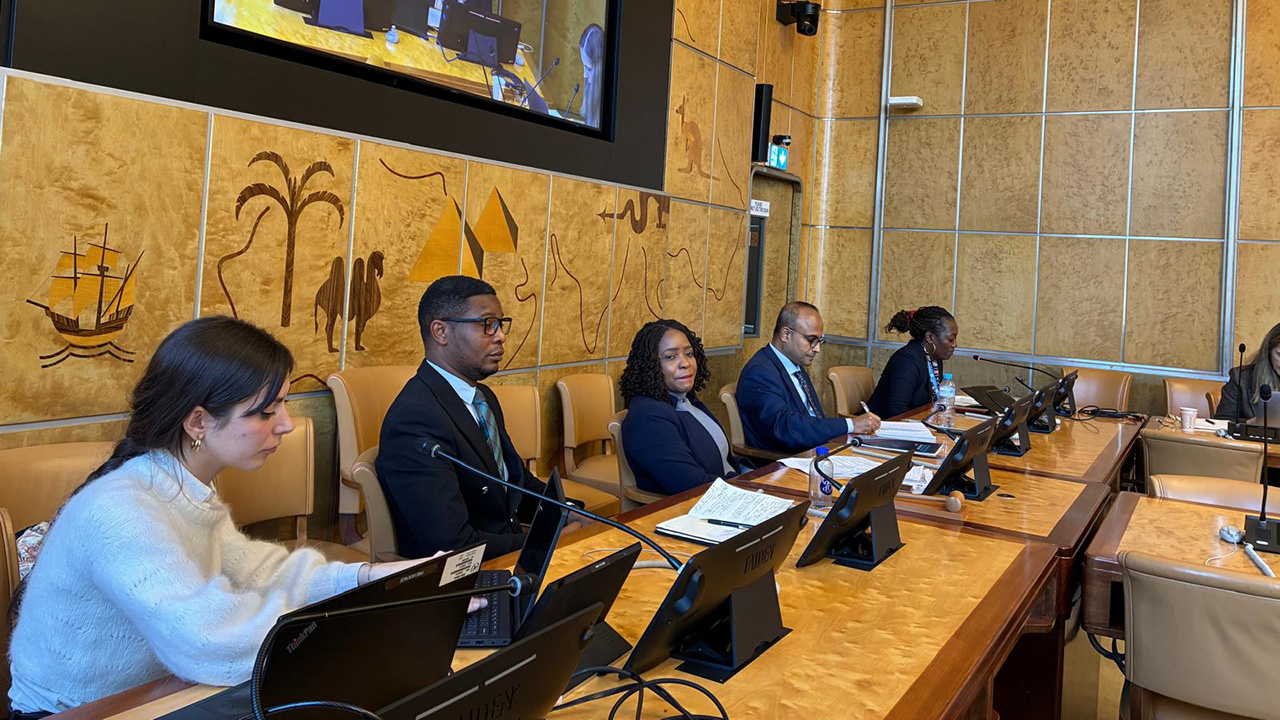
El 28 de noviembre de 2025, 22 parlamentarios de 14 países africanos se reunieron en Nairobi (Kenia) para participar en el Diálogo del Grupo de Trabajo Africano sobre Justicia Internacional y la Corte Penal Internacional, organizado por la PGA.

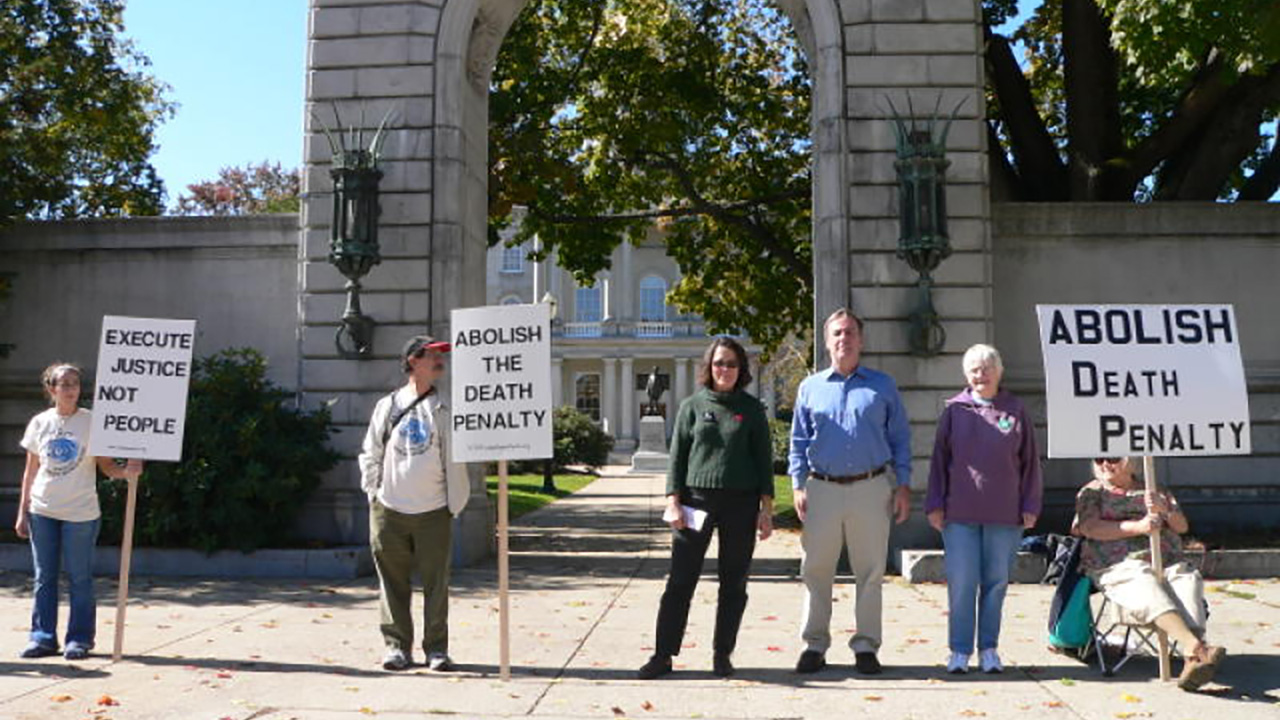
Quarterly Update of the Campaign for the Abolition of the Death Penalty – October - December 2025

Quarterly Update of the Campaign for the Abolition of the Death Penalty – October - December 2025

2025: alarming developments for the abolition of the death penalty

2025: alarming developments for the abolition of the death penalty The final quarter of 2025 left the movement for the abolition of the death penalty facing grim realities. Executions reached record highs, especially for offences not meeting the “most serious crimes” threshold (intentional crimes with lethal or other extremely grave consequences) required under international law. Across all regions, concerning trends emerged: A surge in the number of executions in Iran, Saudi Arabia, Singapore and the United States of America, alongside the continued use of public executions by the Taliban in Afghanistan; Legislative setbacks – including expansion of the death penalty to drug-trafficking offences in The Maldives, a discriminatory bill targeting Palestinians in Israel, and an amendment to reinstate the death penalty in Burkina Faso. The need for parliamentary leadership Now more than ever there is the need for parliamentarians worldwide to take action and mobilize. The death penalty is not an effective tool in the fight against crime it is often applied arbitrarily and discriminatorily; it represents a form of torture; and it does not guarantee security. Parliamentarians for Global Action highlighted this message on the 10th World Day Against the Death Penalty with its factsheet “The Death Penalty protects No One.” This document provides parliamentarians with concrete arguments to counter prevailing narratives and describes how governments have used “security” as a political tool to justify capital punishment. An important focus of the abolitionist work must also address the gender dimension of the death penalty. Between 500-1,000 women in 42 countries sentenced to death live in deplorable conditions. The Guardian published the stories of five women on death row describing the intersectional nature of their situation and more difficult conditions of detention, such as heightened security and solitary confinement. Read more about the gender dimension of the death penalty and work of the World Coalition Against the Death Penalty on gender here. Hope in action: parliamentarians driving change Despite these worrying developments, hope remains fueled by the commitment of parliamentarians around the world. Hon. Musowa, MP and PGA Member (Malawi), exemplified this during Malawi’s Universal Periodic Review, where Parliamentarians for Global Action and civil society partners organized an “Information Meeting on the Universal Periodic Review Process in Malawi: Towards the Abolition of the Death Penalty in Malawi and the Region.” The event highlighted Malawi’s journey towards abolition, discussed remaining challenges, and shared best practices. On this occasion, Hon. Musowa reaffirmed: “I make the commitment knowing where we are coming from, knowing what we are able to achieve and knowing what we are able to do as Malawian Parliament.” Mobilization was also key during the fifth regional congress on the death penalty in East Asia, organized by Ensemble contre la peine de mort in Tokyo (Japan), and to which Parliamentarians for Global Action Secretariat attended, alongside former PGA members and allies of the abolitionist movement, such as Hon. Oyungerel Tsedevdemba (Mongolia) or Mario Marazziti (Italy). Japanese parliamentarians also attended the Congress and made a strong commitment to reopening the debate on abolition, and to working on the need for more transparency in death penalty proceedings, judicial reform, and regional cooperation. Hope for generating progress in the region also came from Malaysia, as Hon. Kulasegaran, Deputy Law Minister in the Malaysian Prime Minister’s Department and PGA Member announced a comprehensive study on the abolition of the death penalty, launching in January 2026. This could represent the first step toward full abolition of the death penalty in the country. The year 2025 thus ended on a somber note, but it is worth remembering that globally, two third of UN Member States have abolished the death penalty in their legislation and nearly three-quarters have ceased executions – notably thanks to the action and commitment of parliamentarians. Progress continues, and the will to uphold human rights is evident, as demonstrated by the adoption, with 31 votes in favor, of the resolution on the death penalty at the Human Rights Council. October to December 2025 at a Glance Positive developments:  Council of Europe:  The Committee of Ministers (the Council of Europe’s decision-making body, comprising Ministers of Foreign Affairs of all the Member States) adopted a set of decisions reviewing the existing measures against the trade in goods used for the death penalty, torture and other cruel, inhuman or degrading treatment or punishment, including further actions to strengthen their implementation.  Kyrgyzstan:  The Constitutional Court ruled as unconstitutional the government’s proposal to reinstate the death penalty for crimes against women and children, declaring that “bringing back the death penalty is unacceptable and legally impossible,” as it would constitute a violation of the constitutional guarantee of the right to life and breach Kyrgyzstan’s international human rights obligations.  Malaysia:  Malaysian government announced that it will launch a comprehensive study on the abolition of the death penalty beginning in January 2026. This announcement follows the decision in 2023 to abolish the mandatory death penalty and reduce its scope. According to Amnesty International, in 2025, 97 individuals remain on death row, including 47 waiting for an appeal.  Sudan:  Lawyer and human rights defender Montaser Abdullah, who offered legal assistance to survivors of gender-based violence and was facing the death penalty, has been released after the Criminal Court in Port Sudan acquitted him. Montaser Abdullah was charged for alleged espionage and denied the charges. Since the outbreak of war in Sudan in 2023, lawyers have been among those most targeted by both warring parties, including cases of arbitrary detentions, enforced disappearances, torture and arbitrary killings. Setbacks:  Afghanistan:  The Taliban de facto authorities conducted new public executions, bringing the number to at least 12 public executions since the Taliban took over in August 2021. The international community and UN experts, including the Special Rapporteur on the situation of human rights in Afghanistan, condemned the public executions and called on the de facto authorities to immediately impose a moratorium and abolish the death penalty.  Bangladesh:  The International Crimes Tribunal sentenced, in absentia, Bangladesh’s former prime minister to death, for crimes against humanity. She was found guilty of ordering a deadly crackdown on student-led protest in 2024, which led to the death of at least 1,400 people and thousands wounded – most by gunfire from security forces. The death sentence was condemned by civil society organizations, including the Anti-Death Penalty Asia Network, who recalled that “the death penalty does not enhance accountability, nor does it strengthen the rule of law.”  Burkina Faso:  Burkina Faso’s government adopted a draft bill to reform the Penal Code, which includes reinstating the death penalty for offences such as “high treason,” “terrorism,” and “acts of espionage,” seven years only after it abolished capital punishment for ordinary crimes. The bill was passed to the Transitional Legislative Assembly. Civil society organizations urge the Transitional Legislative Assembly to oppose the reintroduction of the death penalty in the Penal Code, as it would represents a serious setback for human rights in the country, and the rule of law. Iran:  According to Iran Human Rights, at least 1,500 people were executed in 2025 (including at least 700 for drug-related offences), the highest number since the late 1980s and a rise of 106% compared to 2024. Many stakeholders, including the UN Fact-Finding Mission expressed alarm by the surge in repression and executions, especially since Israeli airstrikes in June, which were followed by a government crackdown that has further “constricted civic space, undermined due process and eroded respect for the right to life.” The Fact-Finding Mission noted that most death penalty cases investigated appear to contravene international human rights law, thereby violating the right to life.  The Guardian Council approved new anti-espionage legislation which expands penalties for spying and collaboration with Israel and the United States, including the death penalty. Israel:  The Knesset (Israel’s Parliament) approved a bill in its first reading which aims at introducing a mandatory death penalty for Palestinians convicted of deadly attacks against Israelis. The bill requires two more readings before becoming law. It raised serious concerns among human rights organizations and UN Human Rights Chief Volker Türk urged the Israeli authorities to not pass the bill, recalling its discriminatory principle, and its inconsistency with Israel’s obligations under international law.  Kingdom of Saudi Arabia:  At least 356 people were executed in Saudi Arabia in 2025, making this year the “bloodiest year of executions in the Kingdom since monitoring began” according to Reprieve. Among these, at least two thirds were convicted for drug-related offences, in violation with international norms and standards. Other important cases include a journalist and two individuals who were children at the time of their alleged protest-related crimes.  Kuwait:  New anti-drugs legislation expands the death penalty cases for at least 10 drug offences, including for those who repeat the drugs-related crime.  Maldives:  The People’s Majlis (Maldives’s parliament) adopted legislation expanding the scope of the death penalty to drug-trafficking offences through amendments to the Drugs Act. Civil society organizations, including Parliamentarians for Global Action, joined the Anti-Death Penalty Asia Network's call to the government of the Maldives to repeal the amendment, to maintain the moratorium on executions, and to adopt a clear plan towards full abolition.  Singapore:  In 2025, at least 17 people have been executed, most for drug-related offences. It represents the deadliest year since 2003 according to the NGO Capital Punishment Justice Project. Tunisia:  A man was sentenced to death for social media publications criticizing the President. The man received a presidential pardon one week later, but this unprecedented sentence for nonviolent expression raises serious concerns about restrictions on the freedom of expression and the rule of law in the country.  United States of America:  In 2025, 47 executions took place in the country, the highest level in 16 years. Methods used included nitrogen gas execution in Alabama and Louisiana, despite it being considered as amounting to cruel, inhuman or degrading treatment and torture.  From October-December 2025, a total of 13 executions were recorded, included: 6 executions in Florida; 1 execution in Indiana; 1 execution in Missouri; 1 execution in Mississippi; 1 execution in Arizona; 1 execution in Alabama; 1 in South Carolina; and 1 in Tennessee. New Reports and Resources:  African Commission on Human and Peoples’ Rights  The ACHPR adopted the activity report of the Working Group on the Death Penalty, Extrajudicial, Summary or Arbitrary Executions and Enforced Disappearances in Africa. The latter confirms the predominantly abolitionist trend in the African continent, although it underlines concerns for the fairness of proceedings in retentionist States and for the extent to which the continued existence of the death penalty violates the prohibition of torture and other cruel or inhuman treatment.  International Federation for Human Rights (FIDH)  FIDH published a new report on the death penalty in Asia (2020-2025), “Enduring injustice.” It finds that in most of the retentionist countries in Asia, the death penalty remains in force for offences that do not meet the threshold of the “most serious crimes under international law.”  Universal Periodic Session – 50th session:  States formulated recommendations to abolish the death penalty to Belarus, Jamaica, Liberia, Libya, Malawi and the Maldives.  UN Human Rights Council 60th session:  The Human Rights adopted the resolution on the question of the death penalty, with 31 votes in favor, 8 abstentions and 7 votes against. The resolution urges States to protect the rights of persons facing the death penalty, to respect international standards that provide safeguards guaranteeing protection of the human rights of those facing the death penalty, to ensure fair trial guarantees, and to consider acceding or ratifying the Second Optional Protocol to the International Covenant on Civil and Political Rights, aiming at the abolition of the death penalty.

Los parlamentarios piden rendición de cuentas en la 24.ª sesión de la Asamblea de los Estados Partes

Los parlamentarios piden rendición de cuentas en la 24.ª sesión de la Asamblea de los Estados Partes

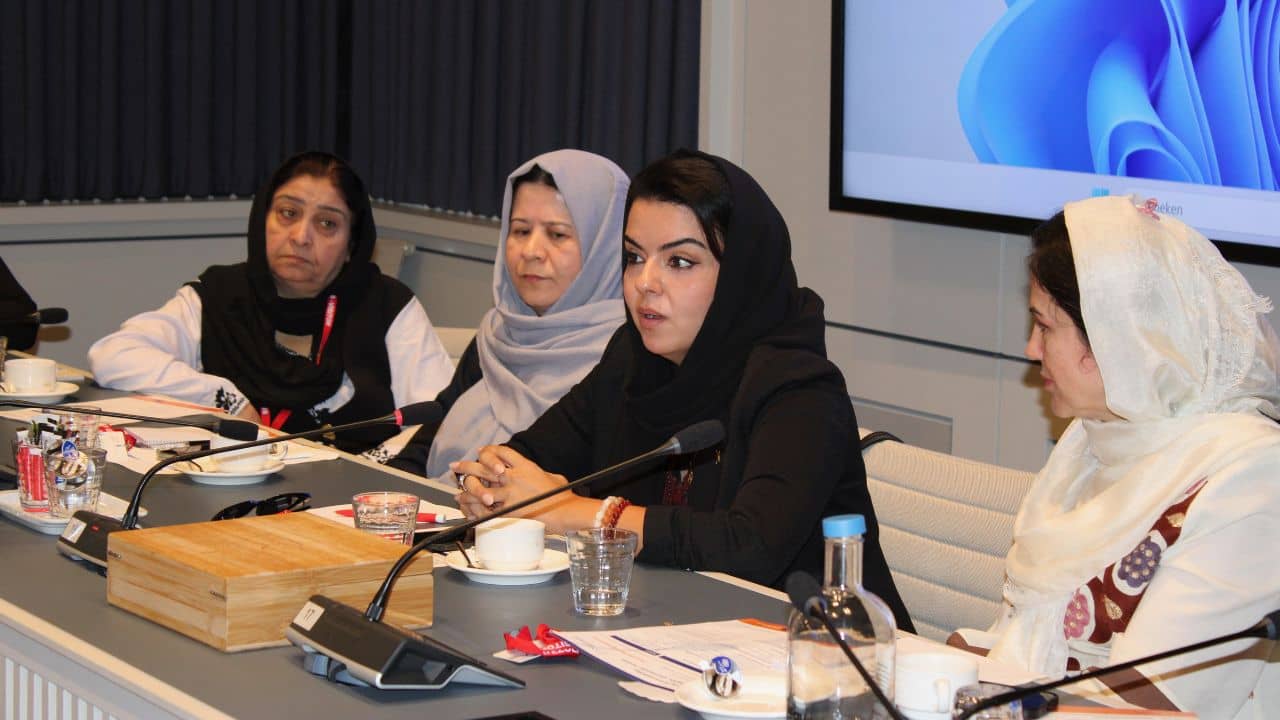
Del 1 al 5 de diciembre de 2025, representantes de los países que son Estados Partes en el Estatuto de Roma, organizaciones internacionales y la sociedad civil se reunieron en La Haya (Países Bajos) para celebrar la 24.ª sesión de la Asamblea de los Estados Partes de la Corte Penal Internacional.

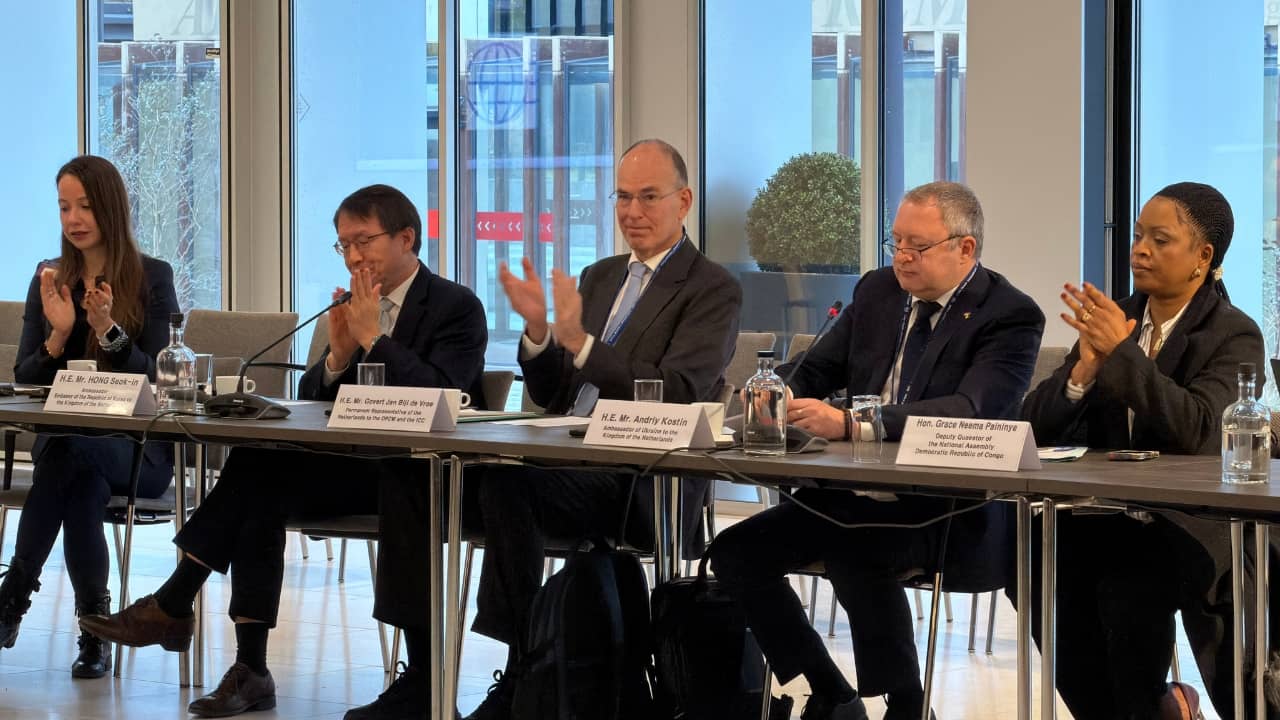
Del 1 al 5 de diciembre de 2025, representantes de los países que son Estados Partes del Estatuto de Roma, organizaciones internacionales y la sociedad civil se reunieron en La Haya (Países Bajos) para celebrar la 24.ª sesión de la Asamblea de los Estados Partes de la Corte Penal Internacional. En un contexto de creciente presión política sobre el sistema del Estatuto de Roma, la sesión brindó la oportunidad de reafirmar nuestro compromiso común de luchar contra la impunidad y defender el tratado fundacional de la Corte Penal Internacional, encargada de investigar y enjuiciar a las personas por los delitos más graves que preocupan a la comunidad internacional: genocidio, crímenes de lesa humanidad, crímenes de guerra y el crimen de agresión. A pesar de la erosión de la cooperación, la retirada del acuerdo por países parte del Estatuto de Roma y las crecientes tensiones geopolíticas, Parlamentarios para la Acción Global tuvo el honor de invitar a la Honorable Grace Neema Paininye, diputada (República Democrática del Congo), y a la Honorable Fawzia Koofi, diputada en el exilio (Afganistán), para que se dirigieran a los participantes y pidieran el fortalecimiento de los mecanismos de justicia internacional y el aumento al apoyo a los sobrevivientess y a las comunidades de víctimas en sus respectivos países y en todo el mundo. La urgencia de promover la universalidad del Estatuto de Roma El 1 de diciembre de 2025, en un evento paralelo coorganizado con Parlamentarios para la Acción Global, los puntos focales sobre universalidad, el embajador de la República de Corea, Su Excelencia el Embajador Seok-in Hong, y el Representante Permanente de los Países Bajos ante la Corte Penal Internacional, Su Excelencia Govert Jan Bijl de Vroe, destacaron los esfuerzos realizados por sus países para ampliar la jurisdicción universal del Estatuto de Roma. Reiteraron su compromiso de seguir promoviendo la ratificación del Estatuto de Roma, en particular en la región de Asia y el Pacífico (la menos representada entre los Estados Partes). Para alcanzar este objetivo, señalaron la importancia de la cooperación mundial y el papel fundamental que desempeñan la sociedad civil y el alcance de Parlamentarios para la Acción Global a través de sus miembros en todo el mundo. La presidenta de la Corte Penal Internacional, Excma. Sra. Jueza Tomoko Akane, destacó que la universalidad refuerza la legitimidad de la Corte y consolida el compromiso internacional al centro de su adopción. Destacó la importancia de la aplicación a nivel nacional y el principio de complementariedad, que permite a las autoridades nacionales enjuiciar los delitos graves. A medida que incrementa la labor de la Corte, promover la universalidad del Estatuto de Roma es un parámetro que le permite funcionar con mayor eficacia. Al abordar las retiradas de países partes del Estatuto de Roma, la Presidenta de la Asamblea de los Estados Partes (AEP), Excma. Sra. Embajadora Päivi Kaukoranta, describió el papel de la Secretaría de la ASP en la colaboración temprana con los países, al tiempo que animó a todas las partes interesadas a hacer lo mismo para reforzar los esfuerzos destinados a corregir las percepciones erróneas sobre la Corte. El embajador de Ucrania en los Países Bajos, el Excmo. Sr. Embajador Andriy Kostin, declaró que la decisión de Ucrania de ratificar el Estatuto de Roma en octubre de 2024 fue una respuesta directa a la guerra de agresión de Rusia, lo que demuestra la voluntad de su país en consolidarse como defensor del Estado de derecho internacional. Para él, las seis órdenes de detención públicas emitidas por la Corte Penal Internacional contra altos funcionarios rusos sirven como prueba de que incluso los funcionarios de más alto rango pueden ser considerados responsables, lo cual es un elemento esencial para generar confianza en la justicia internacional. Advirtiendo que «la justicia retrasada es a menudo justicia denegada», subrayó la necesidad de dar prioridad a la rendición de cuentas por los delitos más graves, apoyando los esfuerzos de los mecanismos judiciales a nivel nacional, regional e internacional. Reconoció las limitaciones de la jurisdicción de la CPI sobre el delito de agresión, y la importancia de la creación del Tribunal Especial para el Crimen de Agresión contra Ucrania para cerrar la brecha de rendición de cuentas en la situación de Ucrania. Los parlamentarios instan a la rendición de cuentas en un contexto de crímenes atroces La Honorable Grace Neema Paininye, diputada (República Democrática del Congo), describió las décadas de conflicto y crímenes atroces que afectan a las comunidades de su país. Destacó el papel decisivo que desempeñan los parlamentarios en el apoyo a los sobrevivientes y a las comunidades de víctimas, incluido el fortalecimiento de la legislación nacional y la armonización de la legislación nacional con el Estatuto de Roma. Mencionó que los parlamentarios de la República Democrática del Congo también desempeñan una importante función de supervisión y contribuyen a la promoción del establecimiento de un Tribunal Penal Especial en el país. Señaló la importancia de apoyar los programas psicosociales y de salud, el apoyo financiero a las reparaciones y reforzar los mecanismos de justicia transicional. Sabemos que una paz duradera requiere verdad, reconocimiento del sufrimiento de las víctimas y restauración de la confianza entre los ciudadanos y las instituciones. (...) La República Democrática del Congo espera de la comunidad internacional un apoyo claro e inquebrantable a los principios consagrados en el Estatuto de Roma, para que no sigan siendo teóricos, sino que se conviertan en vivos, aplicables y efectivos. Hon. Grace Neema Paininye, diputada (República Democrática del Congo) La honorable Fawzia Koofi, diputada en el exilio (Afganistán), recordó a la audiencia que la capacidad de dar voz a los que no la tienen y garantizar su protección mediante mecanismos de rendición de cuentas se ve más amenazada que nunca. Afganistán es el único país en el que más de 18 millones de mujeres son oprimidas por su género. Esta represión equivale a un delito de apartheid de género, que debe ser reconocido y codificado en el derecho internacional, incluyendo en el marco del proyecto de convención sobre crímenes contra la humanidad y mediante la modificación del Estatuto de Roma (véase el informe sobre el apartheid de género de PGA, en el que se describe el papel del Parlamento a la hora de solicitar el reconocimiento y la codificación del apartheid de género como delito en el derecho internacional). Haciendo hincapié en la importancia de los avances en la Corte Penal Internacional, en particular las dos órdenes de detención públicas contra líderes talibanes, insistió en que se necesita más apoyo de la comunidad internacional para que prevalezca la rendición de cuentas. Medidas como estas órdenes de detención dan a la comunidad afgana esperanza y la sensación de que el mundo no los ha olvidado. Existe una eliminación sistemática de las mujeres de la vida pública, social y política en Afganistán. (...) Las mujeres están siendo oprimidas, lo cual no es su elección. No elegimos ser mujeres, por lo que no deberíamos cargar con el peso de los dictadores. Lo que está sucediendo en Afganistán puede suceder mañana en cualquier lugar. Es una responsabilidad global apoyar la rendición de cuentas global. Hon. Fawzia Koofi, diputada en el exilio (Afganistán) La promesa de solidaridad a través de compromisos más firmes Al final de la semana, los Estados Partes adoptaron por consenso seis resoluciones sobre: el fortalecimiento de la Corte Penal Internacional y la Asamblea de los Estados Partes; la cooperación; las enmiendas al Reglamento de Procedimiento y Prueba de la Corte Penal Internacional, la aplicación de la recomendación R108 del Grupo de Expertos Independientes relativa al establecimiento de páneles de investigación ad hoc en caso de denuncias contra funcionarios electos; el procedimiento y los criterios para la exención de la pérdida del derecho de voto, y presupuesto para programas para 2026. El panorama geopolítico, cada vez más complejo, lleva a todos los actores involucrados a reconocer la urgente necesidad de reforzar los esfuerzos colectivos para defender la rendición de cuentas. Esto incluye salvaguardar y ampliar el sistema del Estatuto de Roma, fundamental para proteger a los sobreivivientes y a las comunidades de víctimas, así como apoyar a las organizaciones de la sociedad civil y a los defensores de los derechos humanos que están al frente de los esfuerzos por la justicia y se enfrentan a riesgos cada vez mayores. La entrega de un sospechoso por parte de Alemania en la situación de Libia a la Corte Penal Internacional fue un avance significativo al margen de la Asamblea. Desde que se abrió la investigación en 2011, es la primera vez que un sospechoso de crímenes internacionales cometidos en Libia es llevado ante la Corte, lo que da esperanza a cientos de víctimas y sobrevivientes que anhelan justicia.

PGA 2025 Year in Review and Looking Ahead to 2026

PGA 2025 Year in Review and Looking Ahead to 2026

As another year draws to a close, we reflect on the extraordinary resource at the heart of everything we do: our member parliamentarians.

Estimados/as colegas: Al acercarnos al cierre de otro año, deseamos reflexionar sobre el recurso más valioso que sustenta todo nuestro trabajo: nuestras y nuestros parlamentarios miembros. Son la piedra angular del trabajo de PGA y la razón de ser de esta red. En los parlamentos de todo el mundo, nuestras y nuestros miembros defienden los principios que dan identidad a nuestra organización, los mismos valores fundamentales que aspiramos a ver reflejados en nuestras sociedades: la justicia y el Estado de derecho, el respeto mutuo y por el medio ambiente, la democracia, la rendición de cuentas y la paz sostenible. Los logros que se destacan a continuación reflejan el profundo nivel de compromiso y dedicación que las y los miembros de PGA aportan para que nuestro espacio cívico prospere. Demuestran que la acción legislativa, cuando se guía por principios y se nutre del aprendizaje entre pares, puede generar cambios significativos para las comunidades, tanto dentro como fuera de sus países. En una época de creciente polarización, cuando las diferencias a menudo parecen insuperables, las y los miembros de PGA demuestran que la colaboración interpartidaria para promover los principios más fundamentales de nuestras sociedades no solo es posible, sino esencial. Desde Gambia hasta Ecuador, desde Pakistán hasta los Países Bajos, las y los miembros de PGA han estado trabajando por encima de las divisiones políticas a nivel nacional para garantizar que el apoyo a los derechos humanos trascienda la pertenencia partidaria. Ya sea reuniéndose para promover la igualdad de género, fortalecer la protección del medio ambiente o reforzar los mecanismos de justicia internacional, las y los miembros de PGA nos demuestran que los valores compartidos pueden unir incluso a las perspectivas políticas más diversas. Este año, PGA dio un paso importante para garantizar que los valiosos conocimientos y la experiencia de nuestra comunidad parlamentaria puedan seguir orientando el trabajo de la organización incluso después de que finalice el mandato de sus miembros. Lanzamos nuestra Red de Personas Exalumnas, encabezada por la exmiembro de PGA, Esther Cuesta (Ecuador), con el fin de crear un vínculo duradero con quienes, aun habiendo concluido su labor parlamentaria, mantienen su compromiso con los principios de PGA. Las y los miembros actuales de PGA se beneficiarán del acompañamiento y la experiencia de quienes integran la red de exalumnas y exalumnos, mientras que estos últimos tendrán la oportunidad de mantenerse conectados con sus pares y con las campañas de PGA. Al mirar hacia 2026, lo hacemos con agradecimiento por el incansable trabajo de nuestras y nuestros miembros y socios, y con un compromiso renovado de brindarles apoyo en todo lo que podamos. Juntas y juntos, seguimos construyendo el orden internacional basado en normas que es necesario para un mundo más equitativo, seguro, sostenible y democrático. Con nuestro agradecimiento,  Hon. Syed Naveed Qamar, Diputado (Pakistán) Presidente, Parlamentarios para la Acción Global LOGROS CLAVE PARA 2025 PROTECCIÓN DE LOS OCÉANOS Y GOBERNANZA MEDIOAMBIENTAL Dip. Bilaine de Ceita (Santo Tomé y Príncipe); la ministra Nilda da Mata, del Ministerio de Medio Ambiente, Juventud, Turismo y Sostenibilidad (Santo Tomé y Príncipe); y el diputado Arlindo dos Santos (Santo Tomé y Príncipe) Ratificación del Tratado sobre la Alta Mar El innovador Tratado de Alta Mar de las Naciones Unidas alcanzó las 60 ratificaciones en septiembre de 2025, lo que provocó su entrada en vigor en enero de 2026 como el primer marco internacional jurídicamente vinculante para la protección de la alta mar. Los miembros de la PGA han defendido el Tratado como una herramienta eficaz para una gobernanza oceánica sólida desde 2019, y parlamentarios de países de todo el mundo han liderado los llamamientos para su universalidad y aplicación efectiva. Lanzamiento del kit de herramientas del Acuerdo de Escazú Parliamentarians for Global Action publicó el Kit de herramientas para parlamentarios sobre el Acuerdo de Escazú: Promoción de los derechos humanos en materia ambiental, que proporciona a los parlamentarios los conocimientos, las herramientas y los recursos necesarios para mejorar de manera eficaz la gobernanza climática y los derechos ambientales en toda América Latina y el Caribe. Delegación de la PGA en la Tercera Conferencia de las Naciones Unidas sobre los Océanos en Niza, Francia Fortalecimiento de la protección de las áreas marinas Este año se ha producido un aumento de más del 1,6 % de las áreas marinas protegidas en todo el mundo, incluido el anuncio de la primera red de áreas marinas protegidas en Santo Tomé y Príncipe, donde los miembros de la PGA han intensificado sus llamamientos para una aplicación más sólida y una cogestión de estas áreas. IGUALDAD E INCLUSIÓN Hon. Sharmila Faruqui, diputada (Pakistán) y miembro de la PGA Acabar con el matrimonio forzado precoz en Pakistán La Asamblea Nacional de Pakistán aprobó una ley histórica que eleva la edad mínima legal para contraer matrimonio a los 18 años para todos los niños, gracias en gran parte a la activismo de la miembro de la PGA, la honorable Sharmila Faruqui, diputada. Delegación afgana en La Haya, junio de 2025 Sensibilización sobre el apartheid de género En junio, el Senado de los Países Bajos acogió una mesa redonda de la PGA en la que ocho parlamentarios afganos en el exilio lideraron un diálogo sobre los mecanismos de rendición de cuentas para Afganistán. En septiembre, la PGA publicó un informe sobre la política de apartheid de género en el que se destacan las vías parlamentarias para tipificar el apartheid de género como crimen contra la humanidad. Mónica Adame, secretaria general de la PGA, destacó la cuestión del apartheid de género en la Reunión Anual de 2025 de la Iniciativa Global Clinton, donde participó en el Grupo de Trabajo sobre Democracia y Derechos Humanos. Promoción de la inclusión en el Pacífico Hemos lanzado un conjunto de herramientas con base cultural que proporciona a los parlamentarios del Pacífico estrategias para la reforma legislativa y la creación de coaliciones con el fin de promover la inclusión de los habitantes de las islas del Pacífico con orientaciones sexuales, identidades de género y características sexuales diversas. La exmiembro de la PGA, la embajadora Louisa Wall (Nueva Zelanda), presentó el conjunto de herramientas del Pacífico al vicepresidente del Parlamento y a los líderes de la sociedad civil en Kiribati, tendiendo un puente directo entre el liderazgo parlamentario y las voces de la comunidad. La embajadora Wall también destacó el impacto del conjunto de herramientas en su artículo en The Parliamentarian: 2025, número tres (páginas 22-23), contribuyendo a elevar la importancia del liderazgo parlamentario inclusivo en todos los países de la Commonwealth. p> PAZ Y SEGURIDAD INTERNACIONALES Lanzamiento de la Iniciativa Parlamentaria Global sobre Inteligencia Artificial Responsable Parlamentarios por la Acción Global lanzó una iniciativa para movilizar a los legisladores de todo el mundo con el fin de garantizar que la innovación en materia de IA proteja los derechos humanos y la democracia. A través de seminarios web regionales en África, el Caribe y Asia-Pacífico, los parlamentarios aprendieron sobre la Convención Marco sobre IA y Derechos Humanos, Democracia y Estado de Derecho. El presidente del Grupo Nacional de la PGA en Malasia, el honorable M. Kulasegaran, diputado, emitió una declaración pública en la que animaba a Malasia a solicitar la condición de observador en el Comité de IA del Consejo de Europa. Hon. Bernard Georges, diputado (Seychelles) y miembro del Comité Ejecutivo de la PGA Lucha contra la ciberdelincuencia mediante la ratificación del Convenio de Budapest Tras el taller regional de la PGA sobre ciberdelincuencia celebrado en Fiyi en 2024, varios países participantes ratificaron el Convenio de Budapest sobre la Ciberdelincuencia. En 2025, esa lista se amplió para incluir a Vanuatu y Nueva Zelanda. Además, y en gran parte gracias a los esfuerzos del miembro del Comité Ejecutivo de la PGA, el Honorable Bernard Georges, Seychelles fue invitada a adherirse al Convenio de Budapest sobre la Ciberdelincuencia. El Convenio ofrece garantías fundamentales para los derechos humanos, incluidas la libertad de expresión y la privacidad. DERECHO INTERNACIONAL Y DERECHOS HUMANOS Sesión especial sobre la revisión de las enmiendas relativas al crimen de agresión en la sede de las Naciones Unidas en julio de 2025 Revisión de las enmiendas relativas al crimen de agresión En julio, Parlamentarios por la Acción Global participó en la sesión especial sobre la revisión de las enmiendas al delito de agresión del Estatuto de Roma de la Corte Penal Internacional.& nbsp;La sesión ofreció a los Estados Partes la oportunidad de armonizar la jurisdicción de la Corte sobre el delito de agresión con la del genocidio, los crímenes contra la humanidad y los crímenes de guerra, una cuestión por la que PGA lleva mucho tiempo abogando.& Reunión del Grupo de Trabajo Africano sobre Justicia Internacional en noviembre de 2025 Grupo de Trabajo Africano sobre Justicia Internacional El 28 de noviembre, la PGA convocó a 22 legisladores de 15 países africanos en Nairobi para debatir los retos y las vías para lograr la universalidad y la aplicación efectiva del Estatuto de Roma. Los parlamentarios adoptaron un plan de acción para reforzar los esfuerzos en la lucha contra la impunidad. En particular, el honorable Abdoulie Ceesay, diputado (Gambia), presentó una moción en la que instaba a su Gobierno a incorporar el Estatuto de Roma a la legislación nacional y a elaborar la legislación necesaria. Reunión informativa sobre el proceso del Examen Periódico Universal en Malawi, celebrada en Ginebra en noviembre de 2025 Avances en los esfuerzos para abolir la pena de muerte La PGA participó en el Examen Periódico Universal de las Naciones Unidas sobre el historial de derechos humanos de Malaui y coorganizó un evento específico para promover los esfuerzos nacionales de abolición durante el cual un miembro de PGA, el Honorable Musowa, reafirmó el firme compromiso de Malaui de lograr la abolición total de la pena de muerte. MIRANDO HACIA EL 2026 Entramos en 2026 con determinación y esperanza. Los retos que tenemos por delante son importantes, pero también lo es la fuerza de nuestra red parlamentaria mundial. Los días 26 y 27 de marzo nos reuniremos para celebrar el 46.º Foro Anual de la PGA y la 4.ª Asamblea Consultiva de Parlamentarios por los Océanos (CAP-Oceans) en el Senado de México, en la Ciudad de México. Esta reunión se centrará en el papel de los parlamentarios en la aceleración de las medidas para la conservación y el uso sostenible de los océanos y sus recursos mediante la implementación efectiva de áreas marinas protegidas tanto en aguas nacionales como en alta mar. Aprovechando el impulso del año pasado, continuaremos fomentando el diálogo entre los parlamentarios y con nuestros socios de la sociedad civil. Exploraremos el desarrollo de nuevas herramientas y recursos para apoyar a nuestros parlamentarios miembros en la consecución de avances significativos en las cuestiones que constituyen el núcleo de la misión de la PGA. Y continuaremos nuestros esfuerzos para promover la justicia internacional, fortalecer una gobernanza medioambiental reflexiva, fomentar una mayor inclusión e igualdad en nuestras legislaturas y comunidades, salvaguardar la democracia y apoyar el florecimiento de la paz y la seguridad. Al igual que muchas organizaciones sin ánimo de lucro, la PGA se enfrentó al reto de los recortes en la financiación del Gobierno de los Estados Unidos en 2025. Sin embargo, los retos a los que nos enfrentamos también dieron lugar a nuevas oportunidades por parte de financiadores que demostraron su confianza y su fe en el modelo de la PGA. Estas nuevas asociaciones confirman que nuestro enfoque de empoderar a todos los parlamentarios para que sean defensores de los derechos humanos sigue siendo tan relevante y necesario como siempre. Tenemos esperanzas en lo que nos deparará el año 2026 y en la oportunidad de ampliar nuestras alianzas para promover nuestra visión compartida de un mundo equitativo, seguro, sostenible y democrático. Junto con nuestros parlamentarios miembros, seguiremos demostrando que la democracia, a pesar de sus imperfecciones, sigue siendo nuestra mejor esperanza para crear un mundo en el que todas las personas puedan vivir en paz, con dignidad, libertad y justicia. div.breakout .clear

46ᵗʰ Annual Forum and 4ᵗʰ Consultative Assembly of Parliamentarians for the Oceans

46ᵗʰ Annual Forum and 4ᵗʰ Consultative Assembly of Parliamentarians for the Oceans

Organizado por el Senado de México, esperamos que se una a nosotros en la capital para disfrutar de dos días de interesantes conversaciones y establecer contactos con otros parlamentarios.

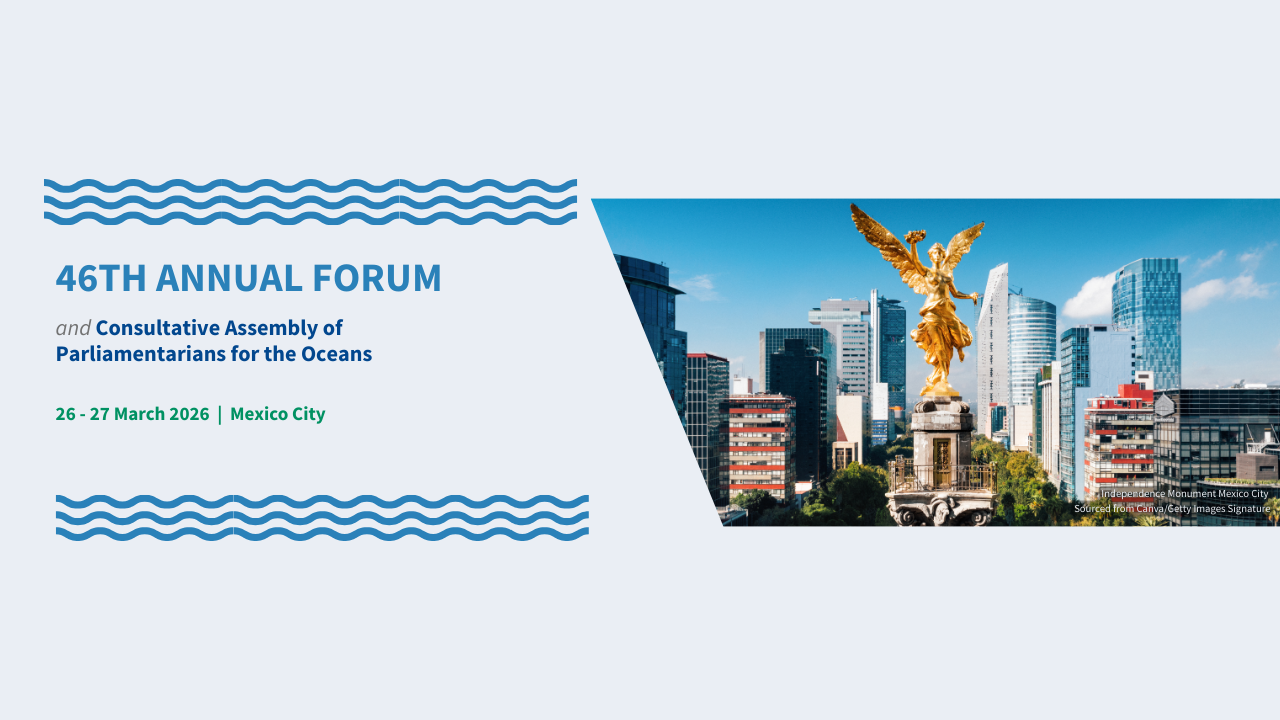
¡Acompáñenos en la Ciudad de México, México, para la 4ta Asamblea Consultiva de Parlamentarios por los Océanos (CAP-Oceans), celebrada en el marco del 46º Foro Anual de Parlamentarios por la Acción Global! El Foro Anual de la PGA reúne a nuestros miembros de todo el mundo para compartir buenas prácticas y aprender unos de otros, al tiempo que conecta a los parlamentarios con expertos técnicos y organizaciones de la sociedad civil, fomentando la acción en torno a las prioridades mundiales. El 46º Foro Anual coincidirá con la Asamblea Consultiva de Parlamentarios por los Océanos, la reunión primordial de legisladores de todo el mundo enfocada en la protección de nuestros océanos y nuestros pescadores. Organizado por el Senado de México, esperamos que nos acompañe en la capital durante estos dos días de conversaciones interesantes y encuentros con otros parlamentarios. Dado que nuestro fondeo es limitado, le exhortamos a que explore financiamiento de su participación a través de sus respectivos parlamentos. Mientras tanto, no dude en ponerse en contacto con nosotros si tiene alguna pregunta a Cuarta Asamblea Consultiva de Parlamentarios por los Océanos (CAP-Oceans) La cuarta edición de CAP-Oceans reunirá a parlamentarios, expertos, representantes de la sociedad civil y otros actores clave para participar en debates interactivos culminando en el desarrollo de un plan de acción concreto centrado en la implementación efectiva de las áreas marinas protegidas (AMP) como herramienta para una gobernanza oceánica sólida. Al destacar las AMP en aguas nacionales y en alta mar mediante la implementación mundial del Tratado de las Naciones Unidas sobre la Alta Mar, el CAP-Oceans reforzará tanto el objetivo mundial de proteger el 30 por ciento océanos para 2030 como el Objetivo de Desarrollo Sostenible 14: Vida submarina. Los participantes se beneficiarán del intercambio de experiencias sobre la creación y la co-gestión de AMP, por ejemplo, en regiones como América y el Golfo de Guinea, así como de la relevancia de la cooperación multilateral para lograr el histórico Tratado de Alta Mar, todo ello bajo una perspectiva de derechos humanos. 46º Foro Anual de la PGA e inscripción en CAP-Oceans .xcolumn /* Clear floats after the columns */ .xrow:after

Strengthening Protections for Parliamentarians: A Dialogue with the European Parliament

Strengthening Protections for Parliamentarians: A Dialogue with the European Parliament

To address this serious threat to democracy and to demonstrate solidarity with its members, Parliamentarians for Global Action created the Parliamentary Rapid Response Team in 2020.

Violence against parliamentarians has intensified across all regions of the world, even within long-standing democracies. Attacks that were once exceptional have now become a part of the daily reality faced by many elected representatives. To address this serious threat to democracy and to demonstrate solidarity with its members, Parliamentarians for Global Action created the Parliamentary Rapid Response Team in 2020. This team brings together committed parliamentarians from all regions of the globe who are ready to mobilize when legislators or human rights defenders are placed at immediate risk. On 3 December 2025, we had the opportunity to present our work before the European Parliament’s Subcommittee on Human Rights during an exchange of views on the protection of parliamentarians at risk worldwide. The session was organized in partnership with the Committee on the Human Rights of Parliamentarians of the Inter-Parliamentary Union (IPU). It featured Senator Etienne Blanc, Chair of the IPU Committee, and Hon. Job Sikhala, MP (Zimbabwe), who testified about the political repression and arbitrary detention he endured, as well as attacks suffered by his family because of his political work. Parliamentarians at risk: an increasing phenomenon A decade ago, the Inter-Parliamentary Union recorded approximately 300 to 350 cases of legislators in danger through its dedicated Committee on the Human Rights of Parliamentarians, with which PGA collaborates closely. Today, this number exceeds 1,000 cases worldwide. Such an environment threatens the ability of parliamentarians to carry out their mandate. They may lose their political rights following politically motivated prosecutions, arbitrary arrests, unfair trials, and suspensions driven by the government or parliamentary majorities. Existing disciplinary mechanisms to address misconduct by MPs often remain unused or prove ineffective. Threats vary across regions, but they follow a global pattern: Weaponization of justice through politically motivated charges, arbitrary detention, and unfair proceedings. Digital attacks, including smear campaigns, online publication of personal information (doxing), misogynistic online harassment, and threats amplified by algorithms. Physical violence such as assaults, abductions, and assassinations. State-sponsored repression, including surveillance and suspension of parliamentary immunities. Growing attacks on political parties. Violence targeting women MPs, in all their diversities It is important to raise awareness about the specific threats faced by women parliamentarians, who are victims of disproportionate harassment and intimidation, both online and offline, as well as gender-based and sexual violence, among other forms of physical assaults. Many of these attacks go unreported, in part because official reporting systems are often inadequate or nonexistent. This situation discourages many women from engaging in politics, a sphere where they remain underrepresented. The consequences can be devastating for a truly representative democracy. Answering the threats: Parliamentary Rapid Response Team The Parliamentary Rapid Response Team (PARRT) is committed to addressing the needs of parliamentarians at risk through urgent action alerts, public statements, direct or quiet advocacy, referrals to specialized civil society partner, and coordinated engagement with governments, diplomatic missions, and international partners. Parliamentarians at risk, or their colleagues, can refer cases directly to PARRT. The team then reviews the case according to rigorous criteria before deciding the appropriate action to take. This approach allows PARRT to act rapidly, responsibly, and effectively in partnership with parliamentarians. Since its creation in 2020, the Parliamentary Rapid Response Team has intervened in a wide range of situations across regions, including the cases of Hon. Leila de Lima, MP (The Philippines), Fabien Banciryanino, MP (Burundi), Soledad Buendía, MP (Ecuador), and numerous other cases in Afghanistan, Bangladesh, Nicaragua, Sudan, Venezuela, and beyond. This solidarity is not symbolic — it has a real impact. In several cases, international pressure has helped secure due process guarantees, obtained release from detention, or improved the safety conditions of threatened MPs. Leadership to protect democracy Violence against parliamentarians is part of a broader context of democratic backsliding, misogyny, disinformation ecosystems, shrinking of civic space, and normalization of authoritarian practices. To stop these attacks, institutions must address their root causes and protect the rule of law. In this context, it is also essential to counter hate speech, which is on the rise and for which parliamentarians should be the first ones to lead by example. Parliamentarians for Global Action developed a Global Parliamentary Code of Democratic Conduct, open to signatures of all parliamentarians worldwide, to hold legislators accountable for their speech, encourage respectful and inclusive dialogue, and ensure they refrain from disseminating disinformation. Continued leadership can protect democratic institutions. By reporting on cases of legislators at risk; strengthening international initiatives such as PARRT; and promoting early detection, rapid solidarity, and coordinated international action, parliamentarians can exercise their mandates in a safer environment, ensuring a stronger democracy.

Noticias sobre Justicia Internacional - Noviembre 2025

Noticias sobre Justicia Internacional - Noviembre 2025

La actualización de PGA sobre la justicia internacional se ofrece como un recurso para nuestros miembros y el público en general sobre los titulares importantes sobre la brecha de la impunidad, los desarrollos legislativos y parlamentarios y las noticias judiciales.

El Programa de Derecho Internacional y Derechos Humanos elabora esta actualización sobre justicia internacional con fines meramente informativos. Las opiniones expresadas en los artículos incluidos en esta actualización no reflejan necesariamente la postura de PGA ni de ninguna persona relacionada con PGA; tampoco PGA ni ninguna persona relacionada con PGA garantiza la veracidad del contenido de dichos artículos. 2025Noviembre16–30 Destacado CPI, Estados Partes El 25 de noviembre de 2025, antes de la 24.ª sesión de la Asamblea de los Estados Partes (ASP24) del Estatuto de Roma de la Corte Penal Internacional, la Federación Internacional de Derechos Humanos (FIDH) publicó un documento de posición con cuatro recomendaciones clave para que los Estados Partes adopten medidas urgentes para defender la corte, apoyar a las víctimas y garantizar la rendición de cuentas. FIDH Esferas de impunidad Tanzania El 12 de noviembre de 2025, The New Humanitarian informó de la indignación generalizada por los presuntos asesinatos y abusos cometidos durante y después de las elecciones del 29 de octubre de 2025 en Tanzania, mientras que el Alto Comisionado de las Naciones Unidas para los Derechos Humanos, Volker Türk, pidió que se investigaran los asesinatos y otras presuntas violaciones de los derechos humanos. The New Humanitarian, ACNUDH Global, Estados Partes de la CPI El 19 de noviembre de 2025, Human Rights Watch publicó una nota informativa para la Asamblea de los Estados Partes de la CPI, en la que advertía que el sistema judicial de la corte está siendo objeto de ataques cada vez más intensos, entre los que se incluyen sanciones, amenazas y la falta de cooperación por parte de algunos Estados. Human Rights Watch Alemania El 24 de noviembre de 2025, CBC informó de que todos los registros documentales de los juicios de Núremberg han sido digitalizados y puestos a disposición del público de forma gratuita en línea por el Proyecto de los Juicios de Núremberg, coincidiendo con el 80.º aniversario del primer día de los juicios. CBC Israel, Palestina El 27 de noviembre de 2025, Amnistía Internacional informó de que, a pesar del alto el fuego declarado, continúan las graves violaciones contra los palestinos en Gaza, incluidos los asesinatos ilegales, los desplazamientos forzados y la destrucción de infraestructuras civiles. Amnistía Internacional Asuntos legislativos/parlamentarios UE, Ucrania El 27 de noviembre de 2025, el Parlamento Europeo aprobó una resolución en la que instaba a la UE y a sus Estados miembros a asumir una mayor responsabilidad en materia de seguridad europea y a apoyar una paz justa y duradera en Ucrania que respete los principios del derecho internacional. Parlamento Europeo Asuntos Judiciales Bangladesh El 17 de noviembre de 2025, el Tribunal Penal Internacional de Bangladesh condenó a muerte a la ex primera ministra Sheikh Hasina tras declararla culpable de crímenes contra la humanidad por su papel en la represión mortal de las protestas estudiantiles de 2024, que se saldó con numerosos muertos y heridos, según estimaciones de la ONU. CNN Sudán El 18 de noviembre de 2025, los fiscales de la Corte Penal Internacional solicitaron la cadena perpetua para el líder miliciano sudanés Ali Muhammad Ali Abd-Al-Rahman, recientemente condenado por crímenes de guerra por las atrocidades cometidas en Darfur entre 2003 y 2004. Al Jazeera Israel El 21 de noviembre de 2025, el Wall Street Journal informó de que Israel había solicitado a la Corte Penal Internacional que invalidara una orden de detención contra el primer ministro Benjamin Netanyahu, alegando una supuesta conducta indebida y parcialidad por parte del fiscal. Wall Street Journal Azerbaiyán, Armenia El 27 de noviembre de 2025, un tribunal azerbaiyano continuó las audiencias relativas a las causas penales contra varios ciudadanos armenios acusados de crímenes de guerra, genocidio y terrorismo derivados de la agresión militar de Armenia contra Azerbaiyán. Trend Filipinas El 28 de noviembre de 2025, la Sala de Apelaciones de la Corte Penal Internacional rechazó la solicitud del expresidente filipino Rodrigo Duterte de libertad provisional en su caso por presuntos crímenes contra la humanidad relacionados con la «guerra contra las drogas». CPI 2025Noviembre1–15 Destacado RDC El 12 de noviembre de 2025, el Tribunal Penal de París inició el juicio contra el antiguo señor de la guerra congoleño Roger Lumbala Tshitenga, acusado de crímenes contra la humanidad. El juicio supone un paso importante hacia la justicia y la rendición de cuentas tras décadas de abusos e impunidad por las atrocidades cometidas en la República Democrática del Congo. Human Rights Watch Cooperación Italia, Libia El 5 de noviembre de 2025, el general libio Osama Almasri Najim, buscado por la CPI por crímenes de guerra y crímenes contra la humanidad, fue detenido en Trípoli. Anteriormente había sido detenido en Turín en enero, pero posteriormente fue puesto en libertad y trasladado de vuelta a Trípoli, lo que provocó críticas al Gobierno italiano por no cooperar con la Corte. The Guardian Esferas de impunidad Sudán El 3 de noviembre de 2025, los fiscales de la Corte Penal Internacional declararon que están recopilando pruebas de asesinatos en masa y violaciones en Al-Fashir, Sudán, tras la toma de la ciudad por parte de las Fuerzas de Apoyo Rápido paramilitares. Desde 2005, la CPI ha estado investigando las denuncias de genocidio y crímenes de guerra en Darfur. Reuters, CPI CPI, Global El 11 de noviembre de 2025, la Asamblea General de las Naciones Unidas debatió el informe anual de la Corte Penal Internacional. La presidenta de la CPI, Tomoko Akane, presentó el informe de la corte e instó a los Estados miembros a defender el sistema jurídico internacional. ONU UE, Ucrania El 11 de noviembre de 2025, Euronews informó de que la creación del Tribunal Especial para los Crímenes de Agresión contra Ucrania, acordada por el Consejo de Europa y el presidente ucraniano Zelenskyy, está en peligro debido a los problemas presupuestarios de los países europeos para cubrir los gastos de funcionamiento. Euronews Asuntos legislativos/parlamentarios EE. UU. El 6 de noviembre de 2025, Luis Moreno Ocampo, ex fiscal jefe de la Corte Penal Internacional, declaró a la BBC que los recientes ataques aéreos estadounidenses contra presuntos barcos de tráfico de drogas en el mar Caribe y el Pacífico oriental podrían considerarse crímenes contra la humanidad según el derecho internacional. En los últimos dos meses, al menos 66 personas han muerto a causa de los ataques. BBC Turquía El 7 de noviembre de 2025, la fiscalía de Estambul dictó órdenes de detención contra el primer ministro israelí Netanyahu y otros 36 funcionarios israelíes, acusándolos de genocidio y crímenes contra la humanidad en Gaza. Al Jazeera Sudán, Global El 10 de noviembre de 2025, los ministros de Asuntos Exteriores y altos funcionarios de varios países emitieron una declaración conjunta en la que condenaban las atrocidades y violaciones del derecho internacional humanitario cometidas en Sudán. Gobierno del Reino Unido Asuntos Judiciales Uganda El 6 de noviembre de 2025, la Sala de Cuestiones Preliminares III de la Corte Penal Internacional confirmó 39 cargos contra Joseph Kony, líder ugandés del Ejército de Resistencia del Señor (LRA), por crímenes de guerra y crímenes contra la humanidad cometidos en el norte de Uganda entre el 1 de julio de 2002 y el 31 de diciembre de 2005. CPI CPI El 10 de noviembre de 2025, entró en vigor una enmienda al reglamento de la Corte Penal Internacional. Los jueces de la CPI modificaron el artículo 23 para clasificar las solicitudes de órdenes de detención o citaciones para comparecer como secretas o bajo sello, salvo que una Sala autorice lo contrario. CPI

International Leaders Champion Abolition of the Death Penalty in Malawi at UN Review

International Leaders Champion Abolition of the Death Penalty in Malawi at UN Review

The event highlighted Malawi’s journey towards abolition, discussed remaining challenges, and shared best practices.

On 4 November, the United Nations Human Rights Council reviewed Malawi’s human rights record through a process called the Universal Periodic Review. This peer-review mechanism enables every United Nations Member State to evaluate each other’s progress on human rights and to offer recommendations for improvement. For Malawi, one issue stood out: despite several attempts and commitments, the country has yet to abolish the death penalty. While the country hasn't executed anyone in three decades, maintaining what's called a de facto moratorium, the death penalty remains on the books. The Universal Periodic Review provided an opportunity to definitively put an end to this practice. During this 2025 review, 31 UN Member States recommended that Malawi abolish the death penalty and/or ratify the Second Optional Protocol to the International Covenant on Civil and Political Rights, aiming at the abolition of the death penalty. Within this context, Parliamentarians for Global Action, Reprieve, and The Advocates for Human Rights gathered national and international experts in Geneva for an “Information Meeting on the Universal Periodic Review Process in Malawi: Towards the Abolition of the Death Penalty in Malawi and the Region.” The event highlighted Malawi’s journey towards abolition, discussed remaining challenges, and shared best practices. Malawi’s Evolving Stance on the Death Penalty Opening the meeting, Ms. Grace Malera, Commissioner of the Malawi Human Rights Commission and Ombudsperson for Malawi, traced the country’s journey towards abolition. She explained that while Malawi’s 1993 Constitution enshrines one of the most progressive Bills of Rights, including the right to life, the death penalty persists as a holdover from the colonial era, embedded in the Penal Code and Criminal Procedure and Evidence Code. A turning point came in 2007 with a landmark Constitutional Court ruling declaring the mandatory death penalty unconstitutional. Ms. Malera emphasized that abolishing the death penalty isn’t just a legal matter — it’s a political and human rights issue requiring inclusive dialogue, engagement, and leadership. That leadership can be seen in recent parliamentary actions in Malawi. PGA member Hon. Victor Musowa, First Deputy Speaker of the Parliament of Malawi, highlighted the work done in 2022 when the Legal Aid Committee conducted the largest public consultation ever held in the country and demonstrated unequivocal support for abolition across Malawi. I make the commitment knowing where we are coming from, knowing our commitments, knowing what we are able to achieve and knowing what we are able to do as Malawian Parliament. The work out here is enormous but manageable if we catch the new MPs to understand the whole concept of the abolition of death sentence. Honorable Victor Musowa, MP (Malawi), PGA Member Mr. Chimwemwe Chithope-Mwale, Director of the Legal Aid Bureau, shared an encouraging success story from the Malawi Resentencing Project,  carried out in partnership with Reprieve and the Cornell Centre on the Death Penalty Worldwide. The initiative followed the 2007 High Court landmark ruling abolishing the mandatory death penalty, which allowed prisoners to seek reduced sentences based on mitigating factors the courts had previously overlooked. Through careful investigation and presentation of new evidence, sentencing hearings were held under international fair trial standards. Many prisoners were released immediately, others received reduced sentences (with only one case resulting in life imprisonment), and no individual was resentenced to death. For Mr. Chithope-Mwale, this project demonstrated that when mitigation is conducted and fair trials are ensured, the death penalty loses its appeal as a sentence. Even more striking were the stories of reconciliation: Traditional leaders and communities welcomed back former inmates after resentencing — powerful examples of forgiveness and social healing in action. Mr. Chithope-Mwale also emphasized the importance of addressing prison conditions in the justice process, as they are often degrading and inhumane. They must be urgently addressed to uphold justice and human dignity. Lessons from other countries and international commitments Dr. Rajiv Narayan, Co-Executive Director of the International Commission Against the Death Penalty, brought a more global perspective, citing the different paths that other countries have taken toward abolition, including: Legislative reforms and political leadership, such as in Zambia, Zimbabwe, or France Ratification of the Second Optional Protocol to the International Covenant on Civil and Political Rights, such as in Mongolia or Kazakhstan Breaking away from an oppressive past, such as Rwanda or Cambodia Constitutional Court judgement, such as in South Africa Malawi has already taken important steps, Dr. Narayan observed. Now the country should consider ratifying the Second Optional Protocol to the International Covenant on Civil and Political Rights — the key international instrument for abolition. Ms. Liza Sekaggya, OHCHR Desk Officer for Malawi, welcomed the growing momentum across Africa. She highlighted recent progress in Zambia and Côte d’Ivoire as the last two countries to have ratified the Second Optional Protocol. She reminded participants that the UN provides crucial frameworks for this work. The Universal Periodic Review and States’ pledges create structured pathways for countries to advance human rights and monitor compliance with international law. She also pointed to the 2024 General Assembly Resolution on a Moratorium on the use of the death penalty, which received a record 130 votes in favor — clear evidence of increasing global momentum toward abolition. Calling Malawi to Action: Mr. Victor Mhango, Founder and Executive Director of the Centre for Human Rights Education, Advice and Assistance (CHREAA), urged the new government and parliamentarians to act swiftly and hold an early debate in the new legislature to pass legislative reform. Malawi has the opportunity and responsibility to join the growing number of African nations that have abolished the death penalty. Continuing diplomatic engagement and peer-to-peer dialogue among parliamentarians will be essential to sustaining this momentum and supporting Malawi on its path towards full abolition.

PGA National Group in The Gambia leads the way on Gender Equality and Inclusive Leadership

PGA National Group in The Gambia leads the way on Gender Equality and Inclusive Leadership

The virtual briefing brought together members of parliament, civil society leaders, and international partners to reflect on both the progress made and the structural challenges that persist in ensuring that every girl in The Gambia can live free from violence, discrimination, and exclusion.

On the International Day of the Girl Child 2025, Parliamentarians for Global Action’s National Group in The Gambia, under the leadership of Hon. Abdoulie Ceesay, convened a cross-party high-level parliamentary dialogue to reaffirm The Gambia’s commitment to gender equality, the empowerment of girls, and the creation of inclusive political spaces for women. The virtual briefing brought together members of parliament, civil society leaders, and international partners to reflect on both the progress made and the structural challenges that persist in ensuring that every girl in The Gambia can live free from violence, discrimination, and exclusion. In his opening remarks, Hon. Ceesay highlighted the urgent need to move from commitment to implementation, emphasizing that while The Gambia has a solid legal framework protecting the rights of women and girls, gaps in enforcement and deep-rooted cultural practices continue to hinder progress. He further stressed the importance of legislative leadership in promoting justice, particularly in aligning customary, religious, and international laws to uphold the rights of girls in areas such as marriage, inheritance, and reproductive health. Removing Tax on Sanitary Pads: "A Matter of Dignity and Public Health" Hon. Ceesay also called for the elimination of import taxes on sanitary pads, framing menstrual hygiene as a public health and human rights issue. He argued that continued taxation of menstrual products disproportionately affects girls, especially those in rural areas, who may miss school, suffer embarrassment, or resort to unsafe alternatives during their periods. "As a father of two daughters, I know firsthand that sanitary pads are not a luxury — they are a necessity," he said. "Removing taxes on these essential products is a matter of dignity, health, and equality." His call to action echoes long-standing advocacy from grassroots organizations, such as Women in Liberation and Leadership, who have raised awareness on "period poverty" and its impact on education and social participation. Structural Barriers to Transformative Change Dr. Fatou Baldeh, founder of Women in Liberation and Leadership, delivered a powerful address underscoring the persistence of harmful practices such as female genital mutilation, child marriage, and sexual and gender-based violence. She emphasized the critical need for political will, legislative reform, and collaboration with civil society to shift social norms and ensure the safety and inclusion of girls. Participants also discussed several other actions to be taken: The need for greater representation and training for women in political spaces, including efforts that could re-introduce a gender quota bill to reserve at least 30% of parliamentary and local government seats in The Gambia for women. Although the bill failed to pass in the 5th Legislature due to political and procedural obstacles, renewed momentum aims to build consensus and ensure stronger women’s representation in decision-making. Support for policies that allow pregnant girls and adolescent mothers to stay in school. The importance of strengthening oversight bodies such as the National Human Rights Commission and the Office of the Ombudsman to promote greater accountability, transparency, and equal protection under the law. By equipping these bodies with sufficient resources, independence, and authority, they can more effectively safeguard rights, address discrimination, and reinforce public trust in democratic governance. Notably, Hon. Gibbi Mballow shared personal experiences of backlash faced by MPs who speak out against female genital mutilation, underscoring the risks and resistance encountered in pushing for gender-sensitive reforms. He called for greater public awareness and education, and stronger enforcement of legislative reforms. The dialogue also highlighted key national initiatives under way in The Gambia: The National Gender Policy 2025 - 2034, which provides a comprehensive framework to mainstream gender equality across all sectors. The Strategic Plan 2025 - 2030, which outlines a roadmap for implementing gender commitments through cross-sectoral collaboration. Plans to host a regional Women, Peace and Security training in 2025, displaying leadership in gender-inclusive peacebuilding. Towards Real Change: A Shared Responsibility Ms. Melissa Verpile, Director of Democracy, Gender, and Inclusion at Parliamentarians for Global Action, closed the session by reaffirming support for The Gambia’s efforts and encouraging legislators to be bold in translating principles into practice. Participants left the convening with the following key steps for further action: Menstrual health must be addressed through practical policies, including tax exemptions on sanitary products. Customary and international laws must be harmonized to uphold gender equality in all spheres of life. Civil society partnerships are essential for reaching communities, challenging norms, and providing support to survivors. Political representation of women and girls must be increased through quotas, mentorship, and capacity building. Oversight and enforcement mechanisms must be strengthened to ensure that rights are protected and violators held accountable. This year’s commemoration of the International Day of the Girl Child in The Gambia served, as more than a symbolic observance, it was a strategic platform for action. Parliamentarians for Global Action celebrates the leadership of its National Group in The Gambia and calls on parliamentarians worldwide to continue building inclusive, safe, and equitable political spaces, where girls today can become the empowered women leaders of tomorrow.

We Call Upon Parliamentarians to Take Action on this World Day Against the Death Penalty 2025

We Call Upon Parliamentarians to Take Action on this World Day Against the Death Penalty 2025

Each year on 10 October, the global abolitionist movement comes together to observe the World Day Against the Death Penalty. In 2024 and 2025, the focus has been on addressing the myth that the death penalty ensures safety, with the message: “The Death Penalty Protects No One: Abolish it Now.”

Each year on 10 October, the global abolitionist movement comes together to observe the World Day Against the Death Penalty. In 2024 and 2025, the focus has been on addressing the myth that the death penalty ensures safety, with the message: “The Death Penalty Protects No One: Abolish it Now.” A primary duty of any country’s government is to ensure the security of citizens. Living in a safe and secure society not only means living in a community free from conflict. It also requires creating the conditions that foster peace, uphold accountability, and protect individuals from threats and violations of their fundamental rights and freedoms. The death penalty has no place in these societies. We are living in challenging times, marked by escalating global crises and the erosion of the rules-based international order. But as complex as the current context may be, no one should justify executions as a means of strengthening security. The death penalty protects no one, and to claim otherwise, is both false and dangerous. The use of capital punishment perpetuates cycles of violence and disproportionately targets marginalized and vulnerable communities. It is an ineffective, irreversible punishment that amounts to torture and other cruel, inhumane, and degrading treatment. A year of contrasts for abolitionists The World Day Against the Death Penalty’s bi-yearly theme has focused on the link between the death penalty and security, challenging the false narrative that executions ensure safety. It highlights the progress gained by advocates for abolition: fewer countries are carrying out executions and retentionist countries are increasingly isolated. Today, 113 countries have abolished the death penalty in law and 29 countries observe a moratorium on executions. This means that 77% of the world’s countries no longer carry out executions. Yet despite this progress, there has been a sharp rise in executions, with at least 1,518 people executed in 2024 across just 15 countries — the second consecutive year in which executions reached their highest level since 2015 according to Amnesty International. This alarming trend has continued into 2025, with more than 1,000 executions already recorded in Iran alone — the highest figure in over three decades according to the NGO Iran Human Rights. Many of these recorded executions are carried out under the guise of maintaining public order (despite clear evidence that the death penalty does not deter crimes). They also violate international law, as they fail to meet the “most serious crimes” threshold (defined as crimes of extreme gravity involving intentional killing). For example, in 2024, 43% of recorded executions were for drug-related offences, which do not meet this criterion. While there is growing consensus to put an end to the death penalty, continued action is vital to prevent backsliding and promote universal abolition. The international community must redouble efforts to combat punitive narratives and to reaffirm a human rights-based approach to justice and security. Dangerous revivals: security as a pretext for executions In several countries, some political leaders are reviving rhetoric that equates security with punishment, calling for reinforcement or even the reintroduction of capital punishment. Some very recent developments are particularly worrying: United States: a Presidential proclamation reintroduces the death penalty in Washington D.C. to “deter and punish the most heinous crimes.” Kyrgyzstan: the President instructed the drafting of a bill to reinstate the death penalty for severe crimes against children and women, despite the country’s abolition in 2007 and its commitment under the Second Optional Protocol to the International Covenant on Civil and Political Rights to abolish the death penalty. Chad: a new commission has been established to consider restoring the death penalty, only four years after the country abolished the death penalty. Israel: a bill allowing the death penalty for “terrorist” crimes has passed its first reading. Invoking “security” to justify executions is common political rhetoric. Security comes by addressing the root causes of violence, ensuring the good management of security and justice sectors, while promoting accountability. Resorting to the death penalty only deepens social divisions, entrenches unfairness and replaces justice with vengeance. Even in the most difficult contexts of insecurity and conflict, we have chosen the path of abolition – proof that strong political will can pave the way for positive change. We know that executions bring neither peace nor justice. Only truth, accountability and reparations can do that. Abolishing the death penalty means investing in human rights. I call on my fellow parliamentarians around the world to work together to ensure that the death penalty becomes a thing of the past. Hon. Émilie Béatrice Epaye, MP (Central African Republic), member of Parliamentarians for Global Action Parliamentarians at the forefront of abolition Parliamentarians have a crucial role to play in advancing universal abolition of the death penalty and countering the narrative that seek to justify it, whether they hold roles in abolitionist, abolitionist in practice, or retentionist countries. Legislators have the power to amend, draft, and adopt legislations that narrow the scope of the death penalty and lead to its eventual abolition. To support these efforts, Parliamentarians for Global Action and the World Coalition Against the Death Penalty published a factsheet in honor of World Day: “The Death Penalty Protects No One.” The publication outlines how governments have used “security” as a political tool to justify executions and provides parliamentarians with clear arguments and practical steps to counter these false narratives and drive action towards universal abolition. As punitive narratives regain ground in many parts of the world, this work has never been more urgent. Executions neither deter crime nor promote safety: they perpetuate fear and inequality. Parliamentarians, regardless of their country’s current stance on the death penalty, can take concrete action to promote universal abolition: Support or initiate legislative efforts that restrict and ultimately abolish capital punishment. Collaborate with like-minded parliamentarians across party lines to identify legislative strategies for universal abolition. Promote the universal ratification or accession to relevant regional or international instruments, such as the Second Optional Protocol to the International Covenant on Civil and Political Rights to abolish the death penalty. Challenge pro-death penalty narratives, including by publicly committing not to call for its use, even in contexts of insecurity, and promoting stronger accountability systems and policies that address the root causes of violence. Promote dialogue about justice, security, and human rights, and engage with citizens, victims’ associations, civil society organizations, and other relevant stakeholders. On this World Day, PGA call on its members to stand with the abolitionist movement, reaffirming a clear message: the death penalty protects no-one, abolish it now.

A Historic Milestone in High Seas Ocean Governance

A Historic Milestone in High Seas Ocean Governance

In a momentous display of effective global cooperation, the High Seas Treaty achieved 60 ratifications.

On September 19, 2025, in a momentous display of effective global cooperation, the High Seas Treaty achieved 60 ratifications, triggering its entry into force. This is a historic milestone for ocean governance and the first international, legally binding framework for the protection of the high seas. The Treaty will enter into force on January 17, 2026. Two years after the finalization of the Treaty text, countries from every region of the world have come together to accelerate multilateral action towards the Treaty’s realization. The Treaty establishes a framework for the creation of marine protected areas, or MPAs, in areas beyond national jurisdiction. In doing so, it reinforces the 2030 Agenda for Sustainable Development and contributes to achieving the 30 by 30 goal to protect at least 30 percent of the ocean by 2030, as established in the Kunming-Montreal Global Biodiversity Framework. Parliamentarians have championed the Treaty as an effective tool for global governance through PGA’s Oceans Campaign since 2019, and we look forward to continuing this historic momentum towards its effective implementation to protect this common heritage of humankind. Over the years, PGA members have championed the protection of the high seas. A few statements below showing their support: Our oceans are the lifeblood of our planet, and their health is directly tied to our right to a clean, healthy and sustainable environment for present and future generations. As we face the triple planetary crisis of biodiversity loss, pollution, and climate change, the need to protect our oceans has never been more urgent. Supporting the High Seas Treaty is a crucial step in this fight … As Parliamentarians, we must sign on to the High Seas Treaty as we must be committed to human rights and sustainable development. Hon. Naveed Qamar Syed, MP (Pakistan) PGA President I am truly delighted that the BBNJ Agreement has now reached 60 ratifications. Even though I come from a landlocked country, I know that healthy oceans are essential for the wellbeing of our entire planet and for all of humanity. The high seas regulate our climate, provide food and livelihoods, and are home to an incredible diversity of life. This milestone is therefore much more than a legal achievement – it is a strong step toward protecting marine biodiversity, strengthening global cooperation, and safeguarding our shared future.Ms. Petra Bayr, MP (Austria), PGA Treasurer The 60th ratification of the High Seas Treaty is a historic milestone for humanity and for the health of our planet. As parliamentarians, we understand that our oceans know no borders, and their protection demands bold collective action. This achievement reflects years of tireless advocacy, including the leadership of PGA members, to safeguard biodiversity beyond national jurisdiction. It is now our duty to ensure that this Treaty is fully implemented, so that future generations inherit oceans that are resilient, thriving, and a source of shared prosperity.Hon. Amanza Walton-Desir, MP (Guyana), PGA Board Member With The Gambia's ratification bringing the BBNJ into force for 60 parties, the international community rededicates itself to safeguarding marine biodiversity beyond national jurisdiction. This historic milestone reinforces the UN's commitment to shared stewardship, equitable benefit-sharing, and capacity-building—ensuring sustainable ocean governance for current and future generations and resilient coastal communities. Hon. Abdoulie Ceesay, MP (The Gambia) Anything that protects our planet deserves solid words and actions. Its preservation, therefore, must be our primary objective. The High Seas Treaty is necessary to safeguard the oceans.Hon. Roger Mancienne, Speaker of the National Assembly of the Republic of Seychelles during PGA’s 3rd CAP-Oceans I want Seychelles to be one of the first countries to ratify the High Seas Treaty and it is my job to bring Treaty ratification to the floor for a vote.Hon. Bernard Georges, MP (Seychelles) during PGA’s 3rd CAP-Oceans It was my love for the ocean that first brought me into politics. As both a marine biologist and a Swedish parliamentarian, I am truly delighted by the adoption of the BBNJ Agreement. This treaty is a milestone for protecting life in the high seas and for restoring faith in international cooperation. I hope countries will move swiftly towards ratification so that this historic achievement becomes real protection for our shared ocean. Ms. Emma Nohrén, MP (Sweden) Any effort made in the direction of protecting the seas is an effort that we must support. This agreement goes in that direction, especially in those areas of the sea that are not part of the EEZ of the countries.Dep. Felix Gonzalez (Chile) As the first landlocked country to ratify the High Seas Treaty, Malawi’s ratification comes as an important step towards environmental protection that benefits all of humankind. The urgent entry into force of this Treaty is vital to protect our oceans, our planet, and all people for generations to come.Hon. Roseby Gadama, MP (Malawi) The future of marine ecosystems and livelihoods around the world depends on decisive action to protect marine biodiversity and to promote responsible and sustainable ocean use. Ratifying the High Seas Treaty is one clear action that addresses these environmental challenges in a meaningful way.Hon. Valerie Woods, MP, Speaker of the House of Representatives of Belize, PGA Board Member We need to protect the human rights of our constituents to a healthy environment. The high seas are two-thirds of the oceans, essential to the livelihoods of millions of people. I suggest that MPs share lessons learned through PGA National Groups to assure that the Treaty becomes a reality, including experiences through ratification and implementation of other TreatiesMr. Patrick Kensenhuis, former member of parliament in Suriname during PGA’s 3rd CAP-Oceans The High Seas Treaty demonstrates our government’s willingness to prioritize our oceans’ health … For us, as MPs concerned with the objectives of the BBNJ, it is essential to note that deep sea mining is inconsistent with the Treaty’s objective.Hon. Ralph Regenvanu, MP (Vanuatu) during PGA’s 3rd CAP-Oceans

Apartheid de género – Informe de políticas

Apartheid de género – Informe de políticas

Los parlamentarios pueden desempeñar un papel fundamental en la defensa del reconocimiento y la codificación del apartheid de género como delito en virtud del derecho internacional, así como en la promoción de la solidaridad y el apoyo a las voces de las mujeres afganas e iraníes.

Antecedentes El llamado para reconocer el crimen de apartheid de género como crimen contra la humanidad surgió por primera vez en la década de 1990, cuando expertos de la ONU informaron de que los talibanes habían «introducido lo que, en realidad, es un sistema de apartheid con respecto a las mujeres». Sin embargo, ninguna medida concreta condujo a la codificación de este crimen en el derecho internacional, lo que dejó un vacío persistente en materia de rendición de cuentas para los sobrevivientes y víctimas. El apartheid de género es único en su intención y carácter institucionalizado: no solo tiene como objetivo discriminar a un grupo por su identidad de género mediante actos inhumanos, sino también establecer y mantener un sistema de dominación y exclusión total de ese grupo de la vida social, económica, cultural y política de un país. El regreso al poder de los talibanes en 2021 ha manifestado la urgente necesidad de reconocer el apartheid de género. A través de leyes impuestas por el Estado y prácticas institucionalizadas, las mujeres y niñas afganas son excluidas de la educación, el empleo, la atención sanitaria, la participación política y cualquier tipo de participación pública. Se les niegan sus derechos humanos y el control sobre sus propios cuerpos y vidas. Mujeres afganas e iraníes, defensoras de los derechos de las mujeres, lideran la campaña mundial para el reconocimiento de este crimen a través de la iniciativa End Gender Apartheid. Su demanda es clara: la comunidad internacional debe tipificar el apartheid de género como un crimen contra la humanidad y tomar medidas decisivas para desmantelar y prevenir los regímenes de apartheid de género. Los parlamentarios pueden desempeñar un papel fundamental en la defensa del reconocimiento y la tipificación del apartheid de género como crimen en virtud del derecho internacional, así como en la promoción de la solidaridad y el apoyo a las voces de las mujeres afganas e iraníes. ¿Qué es el apartheid de género? El crimen de apartheid es un crimen contra la humanidad reconocido internacionalmente, que tiene sus raíces en la historia de Sudáfrica. La Convención Internacional sobre la Represión y el Castigo del Crimen de Apartheid y el Estatuto de Roma de la Corte Penal Internacional lo definen como la dominación institucionalizada de un grupo racial o étnico sobre otro. Sin embargo, ninguno de estos instrumentos amplía el concepto para incluir las formas de apartheid basadas en el género. Expertos de las Naciones Unidas y defensores de los derechos humanos han documentado persecuciones y violaciones por motivos de género en países como Afganistán e Irán, donde se utilizan mecanismos diseñados, coordinados e institucionalizados por el Estado para oprimir a un grupo específico por su género. Esto da lugar a su exclusión y marginación de la vida social, económica, cultural y política del país. En Afganistán, la eliminación de los derechos y libertades de las mujeres y las niñas, impuesta por las leyes, políticas y prácticas talibanes, refleja el sistema de apartheid basado en el género. Por lo tanto, la definición actual del crimen de apartheid en el Estatuto de Roma de la Corte Penal Internacional debería adaptarse para reconocer el apartheid de género, conceptualizado como: «actos inhumanos cometidos en el contexto de un régimen institucionalizado de opresión y dominación sistemáticas de un grupo de género sobre cualquier otro grupo o grupos de género, y cometidos con la intención de mantener ese régimen». ¿Por qué es importante reconocer y nombrar el apartheid de género? Actualmente, el derecho internacional no reconoce el crimen de apartheid de género. Si bien los instrumentos jurídicos disponibles, como el crimen de persecución por motivos de género, abordan la existencia de violaciones graves que privan a las personas de sus derechos por motivos de género, no tienen en cuenta la naturaleza sistemática, diseñada por el Estado e institucionalizada del apartheid de género. Tampoco reflejan la intención específica de mantener un régimen de dominación, que es un elemento que distingue al apartheid de otros crímenes contra la humanidad. En la lucha contra la impunidad, los crímenes deben nombrarse, definirse y codificarse para garantizar que los autores rindan cuentas, que las víctimas y los supervivientes obtengan justicia y reparación, y que se prevengan futuras violaciones. Sin la codificación en marcos jurídicos, no se puede romper el ciclo de violencia, lo que deja a las víctimas y a los supervivientes sin remedio y perpetúa la falta de rendición de cuentas. Reconocer el apartheid de género como un crimen contra la humanidad complementaría las disposiciones existentes sobre los crímenes de género y las violaciones de los derechos humanos, al tiempo que crearía un marco jurídico más sólido para exigir responsabilidades a los regímenes que tratan de borrar a las mujeres y las niñas de la vida social, económica, cultural y política de un país. Evolución actual y oportunidades para el reconocimiento del crimen de apartheid de género El liderazgo de las defensoras de los derechos de las mujeres afganas e iraníes ha cobrado impulso para codificar el crimen de apartheid de género como un crimen contra la humanidad. El término es ahora cada vez más utilizado por expertos, organizaciones de la sociedad civil, parlamentarios y otras partes interesadas, lo que crea una oportunidad única para reconocerlo en el derecho internacional. 1) La Convención sobre Crímenes contra la Humanidad La oportunidad más inmediata y concreta reside en las negociaciones en curso de una nueva Convención de las Naciones Unidas sobre los Crímenes contra la Humanidad, en la que los países podrían garantizar que el apartheid de género se reconozca y defina explícitamente. Este proceso requiere un fuerte apoyo político para evitar que el apartheid de género quede marginado. En noviembre de 2024, los países adoptaron una resolución que ordena la celebración de una Conferencia de Plenipotenciarios en 2028 y otra en 2029, para negociar el texto definitivo de la Convención con el objetivo de abrirla a la firma y ratificación posteriormente. Durante 2026, un comité preparatorio revisará los proyectos de artículos y examinará las enmiendas propuestas, lo que brindará una oportunidad para abogar por la inclusión del apartheid de género en la Convención. 2) Modificar el Estatuto de Roma Una vía paralela para incluir el apartheid de género como crimen internacional es modificar el Estatuto de Roma de la Corte Penal Internacional, otorgando a la Corte el mandato de investigar este crimen y enjuiciar a sus autores, reconociendo así la responsabilidad penal individual en la comisión de este crimen. Sin embargo, esta vía puede ser larga y requeriría una voluntad política significativa: cualquier Estado Parte en el Estatuto de Roma puede proponer enmiendas, que deben ser adoptadas por consenso o por una mayoría de dos tercios de los Estados Partes en la Asamblea de los Estados Partes o en una Conferencia de Revisión. Hasta la fecha, no se ha presentado ninguna enmienda formal sobre esta cuestión, lo que hace que éste sea un momento crucial para abrir el debate entre los Estados Partes con el fin de asumir el liderazgo en el avance del reconocimiento del apartheid de género en el sistema del Estatuto de Roma. 3) Recopilación de datos en consonancia con los Objetivos de Desarrollo Sostenible Para garantizar un seguimiento y una rendición de cuentas eficaces, los parlamentarios deben pedir que se realice un seguimiento sistemático de los indicadores que revelan el alcance y el impacto del apartheid de género, enmarcados en los Objetivos de Desarrollo Sostenible (ODS). Entre ellos figuran el acceso a la educación (ODS 4), en particular la matriculación y la asistencia de las niñas a la enseñanza secundaria y terciaria; la participación de las mujeres en la población activa y el acceso a un trabajo decente (ODS 8); las restricciones a la libertad de movimiento, incluida la imposición de la tutela masculina y los códigos de vestimenta obligatorios (ODS 5 y ODS 16); y la prevalencia de castigos, detenciones y tecnologías de vigilancia utilizadas para imponer la segregación por motivos de género (ODS 9 y ODS 16). Mediante la recopilación y publicación de datos desglosados sobre estos indicadores, los parlamentos pueden identificar las áreas en las que persiste la opresión sistémica y evaluar los progresos realizados en la consecución de la igualdad de género en el marco del ODS 5. Dada la próxima Asamblea General de las Naciones Unidas que se celebrará en septiembre de 2025 en Nueva York, los parlamentarios tienen una oportunidad vital para abogar por la integración de estos indicadores en los marcos de información mundiales, reforzando así el consenso internacional y la rendición de cuentas sobre la eliminación del apartheid de género. ¿Qué pueden hacer los parlamentarios? Los parlamentarios pueden convocar a debates sobre el apartheid de género para situar la cuestión en lo más alto de las agendas nacionales e internacionales y adoptar recomendaciones para su codificación jurídica y reconocimiento mundial. Como parlamentario, usted puede: Abogar por el reconocimiento y la codificación del apartheid de género: Pedir a su gobierno que apoye la inclusión del apartheid de género en el proyecto de Convención de las Naciones Unidas sobre los Crímenes contra la Humanidad. Pedir a su gobierno que inicie el apoyo a la propuesta de una enmienda para incluir el apartheid de género en el Estatuto de Roma de la Corte Penal Internacional. Establecer grupos de trabajo parlamentario y emitir resoluciones parlamentarias dedicadas al reconocimiento y la codificación del apartheid de género a nivel nacional, regional e internacional. Promover la solidaridad y el apoyo: Destacar las voces de las defensoras de los derechos de las mujeres afganas e iraníes que lideran la campaña mundial para acabar con el apartheid de género, en particular incluyéndolas en cualquier debate o evento relacionado con la cuestión. Colaborar con organizaciones internacionales y grupos de la sociedad civil para crear conciencia y abogar por la inclusión del apartheid de género en el derecho internacional. Garantizar un seguimiento eficaz: Pedir el seguimiento sistemático de los indicadores que revelan el alcance y el impacto del apartheid de género, enmarcado en los Objetivos de Desarrollo Sostenible (ODS). Acciones parlamentarias de los miembros de PGA En la Asamblea Parlamentaria del Consejo de Europa: Petra Bayr, diputada (Austria) y miembro del Comité Ejecutivo de PGA, presentó una resolución aprobada el 26 de junio de 2025 en la que se insta «a los Estados miembros del Consejo de Europa que son Partes en el Estatuto de Roma de la Corte Penal Internacional a que consideren la posibilidad de proponer una enmienda al estatuto con el fin de incluir el crimen de «apartheid de género». En los Países Bajos: PGA organizó una mesa redonda sobre justicia de género para Afganistán en junio de 2025, en la que se reunieron senadores neerlandeses, parlamentarios afganos en el exilio y expertos para fomentar el diálogo sobre la necesidad de la rendición de cuentas en materia de género en Afganistán y el reconocimiento del apartheid de género. En el Parlamento Europeo: Los miembros, entre ellos Hannah Neumann, miembro de PGA, diputada (Alemania)— presentaron una moción para una resolución adoptada el 19 de septiembre de 2024, en la que se instaba a «la UE a apoyar el reconocimiento del apartheid de género como crimen contra la humanidad». En Canadá: el 18 de abril de 2024, el Sr. Ali Ehsassi, presidente del Consejo Internacional de PGA, presentó dos peticiones en el Senado de Canadá, en nombre de las mujeres afganas e iraníes, respectivamente. Las peticiones exigían que las instituciones internacionales reconocieran el apartheid de género como un crimen contra la humanidad en virtud del derecho internacional, abogando por que los principios feministas y el universalismo de los derechos humanos se reflejaran en el derecho internacional existente y emergente. Las peticiones instaban a otros países a tomar medidas para adoptar políticas similares. En el Reino Unido: En 2024, la baronesa Kennedy of The Shaws LT KC, directora del Instituto de Derechos Humanos de la Asociación Internacional de Abogados (IBAHRI) y miembro de PGA, estableció una investigación parlamentaria ad hoc sobre el apartheid de género para examinar la cuestión y presionar al Gobierno para que tomara medidas.

Episode 22: Ms. Petra Bayr, MP (Austria) and Hon. Amanza Walton Desir, MP (Guyana) on PGA Oceans Campaign

Episode 22: Ms. Petra Bayr, MP (Austria) and Hon. Amanza Walton Desir, MP (Guyana) on PGA Oceans Campaign

PGA Treasurer, Ms. Petra Bayr, MP (Austria) and PGA Board Member, Hon. Amanza Walton Desir, MP (Guyana), reflect on PGA’s Oceans Campaign, highlighting the inextricable link between human rights and the health of our oceans.

PGA Treasurer, Ms. Petra Bayr, MP (Austria) and PGA Board Member, Hon. Amanza Walton Desir, MP (Guyana), reflect on PGA’s Oceans Campaign, highlighting the inextricable link between human rights and the health of our oceans. They underscore the urgent need to advance the High Seas Treaty to protect marine ecosystems, uphold human rights, and secure the livelihoods of communities that depend on the ocean. In 2022, the UN General Assembly recognized a clean, healthy and sustainable environment as a universal human right (Resolution 76/300). Climate change, a threat multiplier, has placed already disenfranchised populations to bear the increasing cost of its impacts. Climate health is directly linked to the Oceans as they serve as a vital buffer against climate change, absorbing nearly one-quarter of carbon dioxide emissions and roughly 90 percent of the excess heat generated by greenhouse gas emissions. Climate threats are adversely affecting both marine and land ecosystems and populations on the forefront. Human rights defenders on environmental matters are urgently mobilizing to protect this recently adopted universal human right. Protections for both human rights defenders on environmental matters, including for Oceans and land are more urgent now than ever before. Through the Campaign to Mobilize Parliamentarians on Climate Action and the Campaign for the Protection of the Oceans and Implementation of Sustainable Development Goal 14, PGA Members champion these human rights protections and call for an end to impunity for crimes committed on and against the world’s oceans and their related human rights violations. The Insights by Lawmakers on Human Rights and the Environment series (#InsightsByLawmakers) highlights ongoing efforts, national experiences, lessons learned and good practices implemented by parliamentarians to advance the goals of these Campaigns. In each episode, lawmakers from around the world share their insights, raising awareness and underlining the importance of taking action to protect our Ocean, our planet, and all human rights defenders on environmental matters.

Photo por PGA

Eventos y actividades

Consulte el calendario de reuniones internacionales y regionales convocadas por Parlamentarios para la Acción Global o en las que participamos y explore cómo puede participar.

Ver el calendario de 2026 →


Materiales y recursos

Explore nuestra amplia biblioteca de publicaciones, documentos y manuales que Parlamentarios para la Acción Global ha desarrollado y/o co-autorado.

Visite nuestra biblioteca de recursos →

lady reading a publication
Foto de Blair Fraser en Unsplash

0
Miembros Activos
0
Países
0
Campañas activas
0
Años de Operación
PGA icon

¿Por qué unirse a PGA?

Los miembros de PGA son parlamentarios en ejercicio, tanto de partidos políticos en gobierno como de la oposición, en países donde el parlamento tiene verdadera legitimidad y autoridad.
Join Parliamentarians for Global Action

Descargue nuestro folleto de afiliación

English Español français Português

Posts destacados