


Loading...

Campaña de orientación sexual e inclusión de género

El reto: la situación de las personas LGBTI

El estigma, la violencia y la discriminación contra las personas lesbianas, gais, bisexuales, transgénero e intersexuales (LGBTI) contribuyen significativamente a su exclusión de la sociedad, limitan su acceso a la salud y otros servicios críticos y obstaculizan el desarrollo social y económico.

Aunque se han logrado muchos avances importantes, las actitudes homofóbicas y transfóbicas, a menudo combinadas con leyes punitivas y/o falta de protección legal efectiva contra la discriminación, continúan exponiendo a muchas personas LGBTI en todo el mundo a violaciones graves de sus derechos humanos.

Según el último informe de Homofobia de Estado" de ILGA, 70 países aún criminalizan actos sexuales consensuales entre personas adultas del mismo sexo y en 12 países se está permitido castigar tales actos con pena de muerte.

La respuesta: la Campaña SOGI

La Campaña contra la discriminación basada en la orientación sexual y la inclusión de género (SOGI) se lanzó en 2013. Busca movilizar a parlamentarios como defensores de los derechos humanos, tomando medidas para garantizar que todas las personas tengan el mismo valor, vivan con dignidad y sean capaces de alcanzar su máximo potencial, libres de toda forma de violencia y discriminación, incluso por motivos de orientación sexual, identidad y expresión de género y características sexuales (SOGIESC). Esto condice con el Objetivo de Desarrollo Sostenible (ODS) 16: Promover sociedades justas, pacíficas e inclusivas, particularmente la Meta 16.b. sobre la promoción y aplicación de leyes y políticas no discriminatorias en favor del desarrollo sostenible.

Para alcanzar este fin, las Campaña SOGI busca lo siguiente:

  • Sensibilizar a los parlamentarios sobre la igualdad y la no discriminación basada en SOGIESC, de conformidad con los instrumentos regionales e internacionales de derechos humanos;
  • Fortalecer la comunicación y la cooperación entre parlamentarios y la sociedad civil LGBTI;
  • Introducir legislación contra la discriminación basada en SOGIESC; y
  • Despenalizar la homosexualidad en los países objetivo, particularmente aquellos en donde la ley aún penaliza las relaciones sexuales consensuales entre personas del mismo sexo en contravención de las normas internacionales de derechos humanos.
ILGA’s latest map on sexual orientation laws in the world

Logros

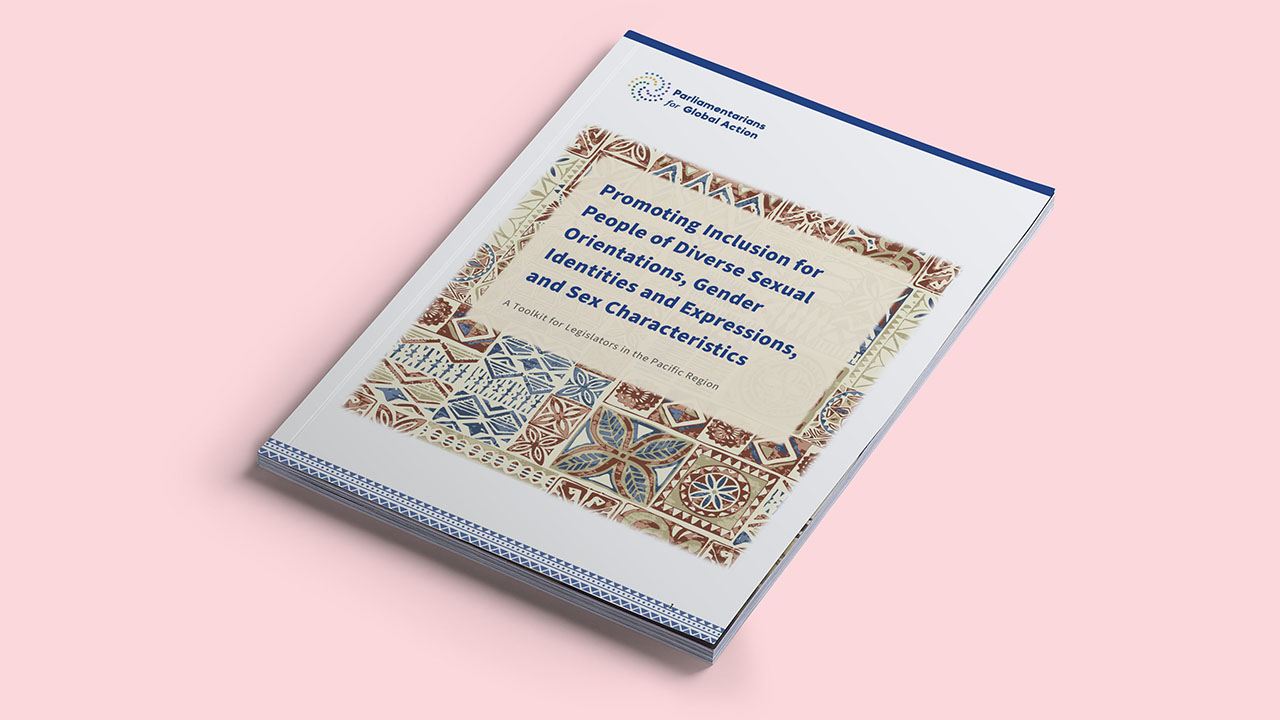
New Resource for Parliamentarians Aims to Build More Inclusive Communities in the Pacific

New Resource for Parliamentarians Aims to Build More Inclusive Communities in the Pacific

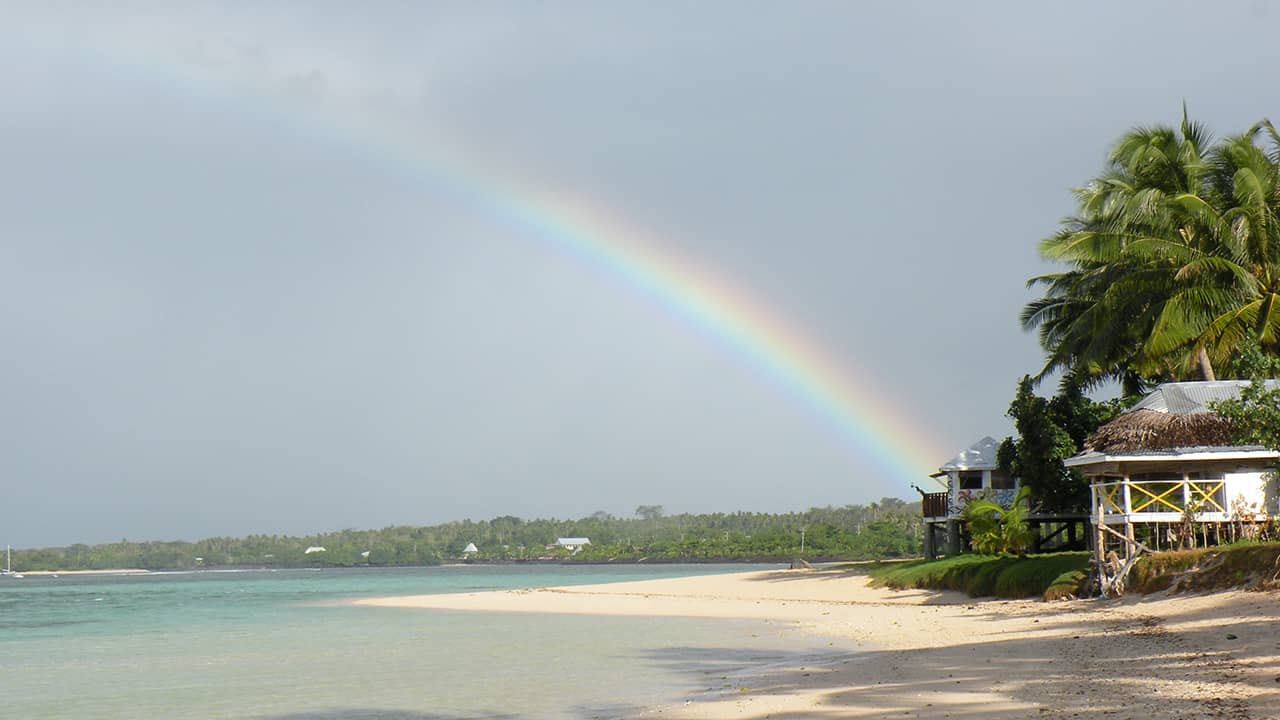
It addresses the specific challenges parliamentarians face when navigating complex social, religious, and political landscapes while working toward inclusive governance.

Parliamentarians for Global Action is pleased to announce the publication of "Promoting Inclusion for People of Diverse Sexual Orientations, Gender Identities and Expressions, and Sex Characteristics: A Toolkit for Legislators in the Pacific Region.” This resource is designed to support elected leaders across the Pacific with the knowledge, strategies, and legislative tools needed to advance greater inclusion and equality for Pacific Islanders with diverse sexual orientations, gender identities and expressions, and sex characteristics (PIDSOGIESC+). The toolkit guides parliamentarians in how to take concrete action to shape more equitable communities, providing them with approaches to policy development, coalition building, and oversight that can transform how their governments serve all members of their communities. “Our goal is to support Pacific leaders with practical, respectful guidance tailored to their national contexts,” said Melissa Verpile, program director for Democracy, Gender, and Inclusion at Parliamentarians for Global Action. “This resource gives them the tools to lead with courage, compassion, and conviction.” Developed in close collaboration with civil society leaders, parliamentarians, and human rights experts, the resource reflects both international human rights standards and the lived experiences of PIDSOGIESC+ individuals in the region. It addresses the specific challenges parliamentarians face when navigating complex social, religious, and political landscapes while working toward inclusive governance. From Tuvalu to Aotearoa to Papua New Guinea, Pacific cultures have long recognized diverse gender and sexual identities — like binabinaaine, takatāpui, and palopa. The laws that criminalize their expressions of intimacy are not our own — they are colonial imports. Decriminalization is not just a legal reform; it is a collective act of reclaiming our shared Pacific identity and values. Ms. Louisa Wall (New Zealand), former MP and current Women’s Chair of ILGA Oceania The toolkit emphasizes the intersectional nature of inclusion work, particularly highlighting how PIDSOGIESC+ individuals face heightened vulnerabilities during climate-related disasters — a critical consideration for Pacific Island nations on the frontlines of climate change. The resource also explores the economic benefits of inclusion, demonstrating how non-discrimination policies contribute to stronger, more prosperous Pacific Island economies. How You Can Use the Toolkit? As a reference for legislative reform and inclusive policymaking To inform dialogue between parliamentarians and civil society For capacity building and sensitization sessions with members of parliament, staff, or political party caucuses Whether you are a lawmaker, advocate, or development partner, we invite you to explore the toolkit and share it so that we can build momentum for human rights and democratic progress in the Pacific region.

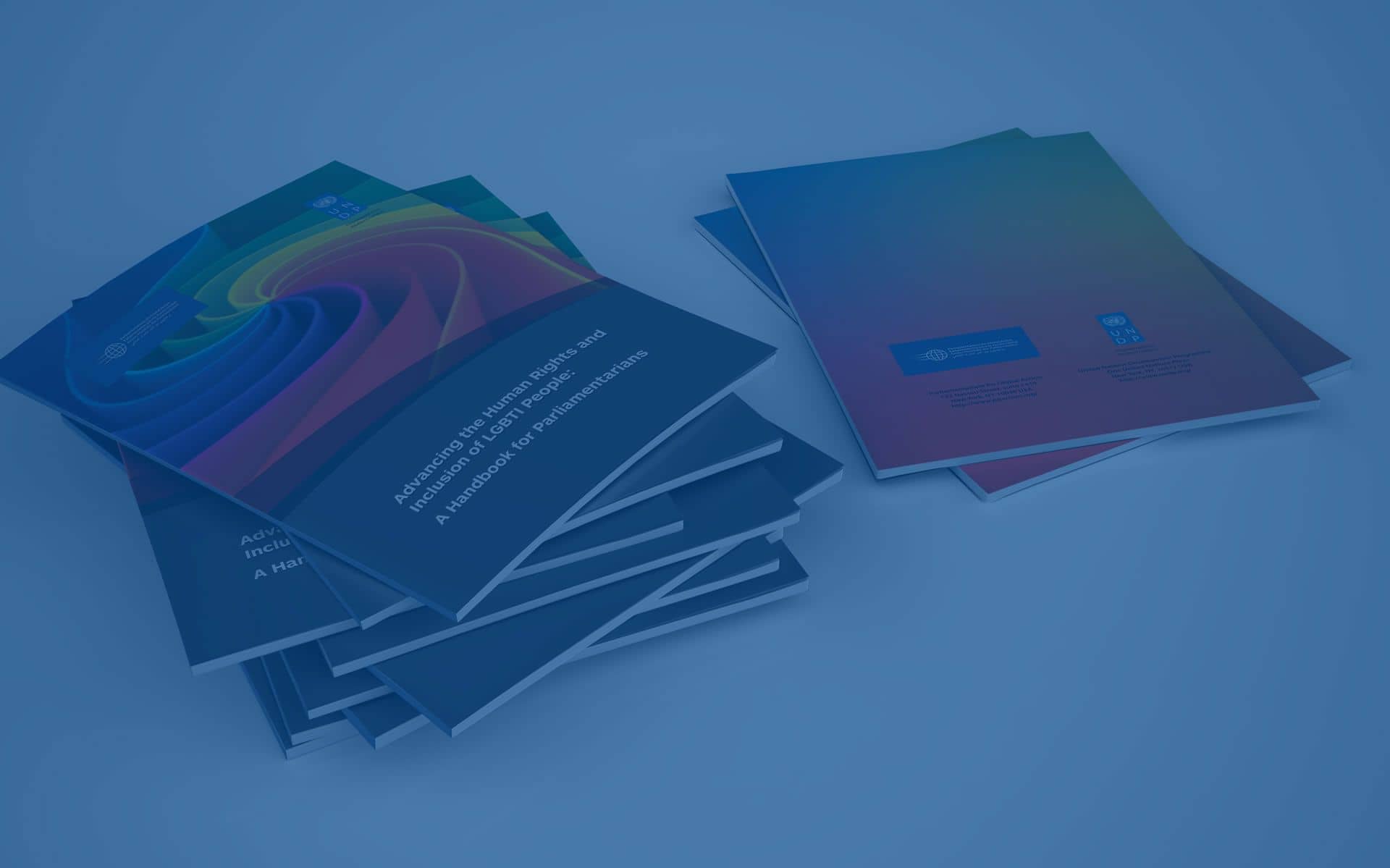
Promoviendo los derechos humanos y la inclusión de las personas LGBTI: un manual para los parlamentarios y las parlamentarias

Promoviendo los derechos humanos y la inclusión de las personas LGBTI: un manual para los parlamentarios y las parlamentarias

La homofobia y otras formas de estigma, violencia y discriminación hacia las personas lesbianas, gais, bisexuales, transgénero e intersexuales (LGBTI) contribuyen significativamente a su exclusión de la sociedad, limitan su acceso a los servicios sociales y de salud e impiden su desarrollo social y económico.
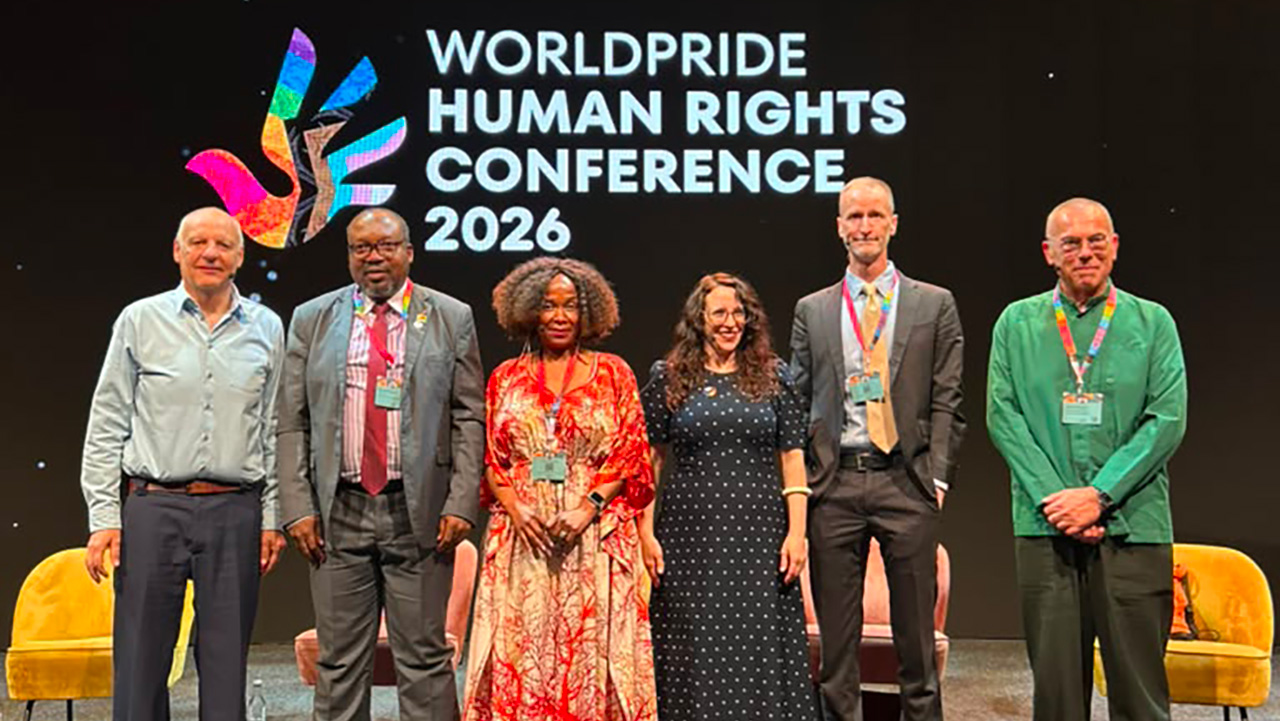
Constitutional Reform in the Caribbean: An opportunity for greater inclusion

Constitutional Reform in the Caribbean: An opportunity for greater inclusion

The goal of the event was to connect parliamentarians with peers from other countries and civil society organizations in their region to generate and strengthen political will to advance equality, share best practices and lessons-learned on reforms.

On 5 February, Parliamentarians for Global Action organized a Regional Parliamentary Workshop on constitutional protections for LGBTQI+ persons in partnership with the House of Assembly of Barbados. The goal of the event was to connect parliamentarians with peers from other countries and civil society organizations in their region to generate and strengthen political will to advance equality, share best practices and lessons learned on reforms. In the Caribbean, restrictions on consensual same-sex intimacy constitute infringements to the right to privacy, to personal integrity, to equal protection of the law and guarantees of non-discrimination for LGBTQI+ persons. The community is subject to physical, sexual and verbal assaults, family violence, homelessness, workplace discrimination and harassment, with limited access to justice. Courts in only six countries in CARICOM – Belize, Trinidad and Tobago, Saint Kitts and Nevis, Antigua and Barbuda, Barbados and Dominica – have recognized that criminalization of same-sex intimacy violates the human rights of LGBTQI+ persons. Legislators play an important role in the implementation of a comprehensive framework against discrimination in access to healthcare, to housing and education and other public services. In Barbados and St. Lucia, employment anti-discrimination law is inclusive of sexual orientation and offer examples of good practices. States should adopt concrete measures to prevent violence based on sexual orientation and gender inclusivity, aimed at improving the quality of life and ensuring the full participation of LGBTQI+ persons in all realms of public life. At the February workshop, Hon. Arthur Holder, Speaker of the House of Assembly of Barbados, gave an overview of the decriminalization process in Barbados and reiterated his full support for the LGBTQI+ community. Hon. Valerie Woods, Speaker of the House of Representatives of Belize emphasized the importance of protecting vulnerable communities in delicate geopolitical contexts where anti-rights policies and legislation are affecting the lives and livelihoods of individuals. Commissioner Roberta Clarke, President of the Inter-American Commission on Human Rights and Rapporteur for the rights of LGBTI persons, who provided much of the context-setting for the importance of the workshop, explained that criminalization of sexual orientation and gender inclusivity is just one expression of prejudice that LGBTQI+ persons deal with in their daily lives. She highlighted the need to mobilize parliamentarians to support legislation that strengthens inclusion for members of the LGBTQI+ community. Veronica Cenac, Regional Adviser Human Rights and Law, Latin America and the Caribbean, UNAIDS shared concrete recommendations to support greater constitutional protections for LGBTQI+ persons: ​ Expanding grounds of non-discrimination to include sexual orientation, disability etc. Including economic, social and cultural rightsto implement the right to access education, healthcare, adequate housing, adequate food and clean water. Expanding access to constitutional justice, i.e. expanding standing requirements in public interest litigation.  ​ Establishing a National Human Rights Institution to enforce protections of the independence and effectiveness of regulatory and oversight institutions. ​ Participants from Barbados, Belize, Guyana, Jamaica, St. Kitts and Nevis, Saint Lucia, St. Vincent and the Grenadines, and Suriname shared challenges LGBTQI+ communities are facing in their countries and what actions legislators can take to address systemic barriers in the region. The exclusion, stigma and violence that vulnerable communities face daily prevent the full realization of Sustainable Development Goal 16 calling for the promotion of peaceful and inclusive societies, with full access to justice and accountable institutions. In the closing session, Hon. Cynthia Forde, Deputy Speaker of the House of Assembly of Barbados, committed to working with local and regional civil society on equality and inclusion of LGBTQI+ persons, especially when it comes to addressing other topics such as disability. Legislators can and must: Raise awareness with their colleagues about equality and non-discrimination on the basis of sexual orientation, gender identity, gender expression, and sex characteristics (SOGIESC) in accordance with regional and international human rights instruments; Establish and implement inclusive public policies ensuring equal access to healthcare, education, employment; Encourage partnerships between public and private sectors; Empower political leadership to tackle conversations on LGBTQI+ inclusion; Strengthen communication and cooperation with LGBTQI+ civil society in their country; Introduce anti-discrimination legislation on the basis of SOGIESC; and Decriminalize consensual same-sex intimacy through legislation. Combatting stigma and discrimination is not only a matter of legislation and public policies. It is also about changing the hearts of people and such change takes place gradually, through meaningful engagement and dialogue. PGA will continue providing a safe space for parliamentarians and civil society stakeholders to discuss how to take action for the equality and inclusion of all.

Últimas noticias de la Campaña SOGI:

Darwinek, CC BY-SA 3.0 , via Wikimedia Commons

The virtual briefing brought together members of parliament, civil society leaders, and international partners to reflect on both the progress made and the structural challenges that persist in ensuring that every girl in The Gambia can live free from violence, discrimination, and exclusion.

Image credit: "Manase Beach Rainbow" by Jorge P. Price is licensed under CC BY 2.0.

It addresses the specific challenges parliamentarians face when navigating complex social, religious, and political landscapes while working toward inclusive governance.

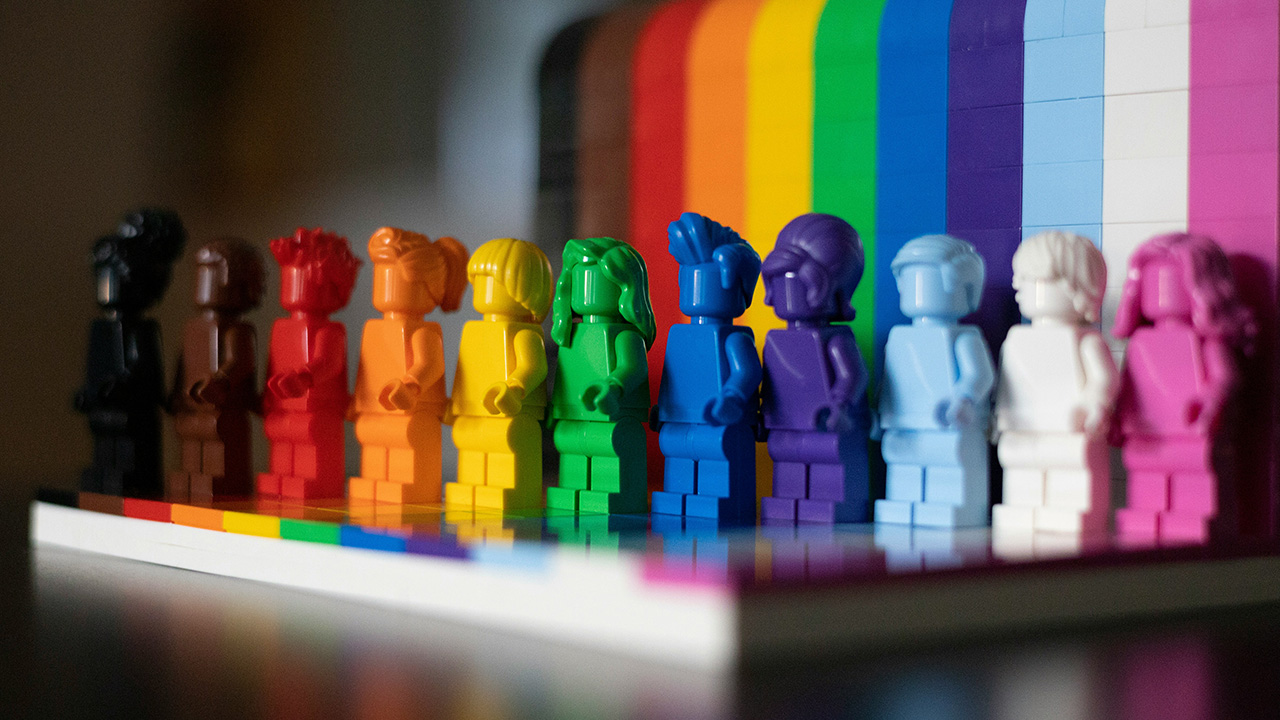
Photo by James A. Molnar on Unsplash

The goal of the event was to connect parliamentarians with peers from other countries and civil society organizations in their region to generate and strengthen political will to advance equality, share best practices and lessons-learned on reforms.

Donantes de campaña


Arcus Foundation
Sigrid Rausing Trust
Oak Foundation

Cómo trabajamos

Mediante el uso de una metodología de igual a igual y estrategias adecuadas a cada país, la Secretaría de PGA y sus miembros trabajan juntos para educar, sensibilizar, desarrollar capacidad técnica y fortalecer la voluntad política de los parlamentarios para que tomen iniciativas concretas y acciones legislativas y lograr resultados en el marco de las campañas de PGA..

PGA trabaja con parlamentarios individuales en sus contextos y parlamentos nacionales y a partir de allí crea redes internacionales que conectan a la sociedad civil y los parlamentarios, así como también como los responsables políticos y partes interesadas a nivel nacional e internacional.

Más sobre nuestra Teoría de Cambio