


Loading...

Mobilizing Legislators as Champions for Human Rights, Democracy, and a Sustainable World
Mobilizing legislators as champions for human rights, democracy, and a sustainable world. Learn more

Featured News

Hungarian Parliament Building. Photo credit: Will Perrett / Adobe Stock

The Hungarian National Assembly voted 133–37 to remain a member of the International Criminal Court, reaffirming its commitment to international justice and the rule of law.

Take Action

Take Action

African Parliamentarians and Human Rights Leaders Exchange Regional Lessons on Countering Hate Speech and Strengthening Democratic Accountability

African Parliamentarians and Human Rights Leaders Exchange Regional Lessons on Countering Hate Speech and Strengthening Democratic Accountability

The discussion focused on practical approaches to strengthening accountability mechanisms, promoting ethical leadership, and ensuring that democratic institutions can respond effectively to harmful rhetoric without undermining freedom of expression

Parliamentarians for Global Action (PGA), in partnership with the Southern Africa Litigation Centre (SALC), convened a high-level regional webinar bringing together parliamentarians, human rights leaders, civil society representatives, and legal experts to examine the role of legislatures and oversight institutions in addressing hate speech while safeguarding democratic freedoms. The discussion focused on practical approaches to strengthening accountability mechanisms, promoting ethical leadership, and ensuring that democratic institutions can respond effectively to harmful rhetoric without undermining freedom of expression. The webinar featured contributions from Hon. Steve Letsike, Deputy Minister in the Presidency for Women, Youth and Persons with Disabilities of South Africa; Hon. Bernard Georges, Leader of the Opposition in the National Assembly of Seychelles and Member of PGA’s Executive Committee; and Prof. Tshepo Madlingozi, Commissioner of the South African Human Rights Commission. The discussion was moderated by representatives of PGA and SALC. Lessons from South Africa: Constitutional Values and Democratic Responsibility Drawing on South Africa’s constitutional experience, Hon. Steve Letsike emphasized that efforts to address hate speech must be rooted in the protection of human dignity, equality, and democratic participation. Reflecting on South Africa’s historical experience, she noted that harmful rhetoric can contribute to exclusion and discrimination long before physical violence occurs. Constitutional safeguards, independent institutions, accessible complaint mechanisms, and public education are important components in creating a comprehensive response to hate speech. She also underscored the role of parliamentary rules, ethics frameworks, and oversight bodies in ensuring that parliamentary privilege is not misused to undermine the dignity of vulnerable groups. Among the key lessons identified were the importance of clear legal definitions, accessible remedies, institutional accountability, and sustained civic education to prevent harmful narratives from becoming normalized. Legislative Innovation and Challenges in Seychelles Hon. Bernard Georges shared Seychelles’ experience in developing hate crime legislation, highlighting the Penal Code (Amendment) Act 2024, which for the first time enables hate crimes to be formally recognized within the criminal justice system and requires courts to take the hate-motivated element of an offence into account during sentencing. The Act provides that an offence is aggravated by hate where an offender demonstrates hostility towards a victim, or commits the offence because of the victim’s actual or perceived protected characteristics, including sexual orientation, gender identity, race, religious belief, disability, sex characteristics, political affiliation, or HIV/AIDS status. He also reflected on the ongoing challenge of strengthening legal protections for vulnerable groups while preserving the constitutional right to freedom of expression. The Seychelles approach sought to build broad political support while ensuring legal protections against discrimination and targeted harm. Hon. Georges emphasized that legislative reform alone is insufficient if it does not translate into changes in public behavior and political culture. One of the central challenges facing many democracies is ensuring that legal frameworks are accompanied by effective implementation, public awareness, and ongoing engagement between lawmakers and civil society. The Role of Independent Oversight Institutions Prof. Tshepo Madlingozi highlighted the important role of National Human Rights Institutions in promoting human rights, monitoring compliance with constitutional standards, and addressing complaints related to discrimination and hate speech. Accountability efforts must extend beyond parliamentary chambers and address broader societal trends, including harmful rhetoric in public discourse and online spaces. The growing influence of digital platforms, misinformation, and disinformation can contribute to the amplification of harmful narratives. Prof. Madlingozi outlined several initiatives undertaken by the South African Human Rights Commission, including civic education programs, school-based interventions, digital literacy initiatives, social media accountability efforts, and strategic litigation before Equality Courts. Collaboration among parliaments, human rights institutions, and civil society organizations can strengthen democratic resilience and promote a culture of respect for human rights. Civil Society Engagement and Parliamentary Accountability Throughout the discussion, speakers highlighted the critical role of civil society organizations in supporting democratic accountability. Effective engagement requires sustained dialogue between parliamentarians, oversight institutions, and community-based organizations. Speakers encouraged civil society actors to strengthen advocacy and engagement strategies, identify parliamentary champions for human rights, and work collaboratively with legislators to advance reforms that promote dignity, equality, and inclusive democratic participation. Parliamentary rules, codes of conduct, and ethics frameworks are most effective when combined with strong institutional leadership and a commitment to implementation. Building Democratic Resilience Addressing hate speech requires a whole-of-society approach that combines legal frameworks, democratic oversight, public education, and civic participation. Participants agreed that while different countries face distinct legal and political contexts, many of the challenges are shared across the region. Continued peer-to-peer exchanges between parliamentarians, human rights institutions, and civil society organizations remain essential to strengthening democratic discourse, protecting human dignity, and ensuring that democratic institutions remain responsive, inclusive, and accountable. PGA and SALC reaffirmed their commitment to supporting regional dialogue and practical cooperation on parliamentary ethics, democratic governance, and human rights protection across Southern Africa and beyond.

Afghanistan: Open letter on the proposed engagement of Taliban representatives in Brussels

Afghanistan: Open letter on the proposed engagement of Taliban representatives in Brussels

On 27 May 2026, PGA joined 82 other Afghan and international human rights groups to express grave concerns regarding a potential visit by a Taliban delegation to Brussels in June 2026.

On 27 May 2026, Parliamentarians for Global Action joined 82 other Afghan and international human rights groups to express grave concerns regarding a potential visit by a Taliban delegation to Brussels in June 2026, and to call on the European Union (EU) and its member states to refrain from engaging with Taliban representatives. We, the undersigned national and international civil society organisations and human rights defenders, express our grave concerns regarding reports of a possible official visit of representatives of the Taliban to Brussels in June 2026. It is important to recall that the Taliban do not represent the people of Afghanistan, as they lack domestic democratic legitimacy. Their authority has not been established through any participatory, inclusive, representative, or constitutional process. Two senior Taliban leaders are currently subject to arrest warrants issued by the International Criminal Court for the crime against humanity of persecution on gender grounds, and multiple individuals associated with the Taliban remain listed under international sanctions regimes, including those of the European Union. In this context, any official engagement with Taliban representatives, particularly on European soil, carries significant legal, political, and symbolic implications. It risks being perceived as a form of normalisation or implicit recognition. Since August 2021, the Taliban have implemented a wide range of policies, decrees, and institutional measures that have resulted in the systematic dismantling of fundamental rights and freedoms. Women and girls have been almost entirely excluded from public life, including through bans on secondary and higher education, and severe restrictions on employment, freedom of movement, and participation in civic and political spaces. These measures, when viewed collectively, have been assessed, in addition to the International Criminal Court, by various United Nations human rights experts and legal scholars as potentially amounting to gender persecution as a crime against humanity under international law. In addition, there have been consistent reports of serious human rights violations, including: arbitrary detention; enforced disappearance; extrajudicial killings; torture and ill-treatment; and reprisals against human rights defenders, journalists, and former public officials. The lack of transparency and independent monitoring mechanisms makes the full scale of these violations difficult to verify, yet available evidence indicates a deeply concerning and ongoing pattern. What is certain is that there has been no accountability for the victims and survivors of the above-referenced serious human rights violations and potential international crimes. Recent legal and judicial frameworks introduced under Taliban rule have further restricted access to justice, undermined due process guarantees, and institutionalised discriminatory practices, particularly against women and girls. We are also deeply concerned about ongoing and proposed policies related to the forced return of Afghanistan asylum seekers from EU member states. Any forced returns of individuals to Afghanistan under the current conditions would raise serious concerns under international law, including the principle of non-refoulement. This concern is particularly acute for women and girls, whose lives, safety, and fundamental rights are at immediate and systemic risk under Taliban rule. Afghanistan is currently one of the most dangerous places in the world to be a woman, and forced return would expose many to persecution, violence, and severe deprivation of rights. We, therefore, call on the European Union and its member states to: Refrain from engaging with Taliban representatives at political or diplomatic levels under current conditions, as such engagement risks contributing to the normalisation and implicit legitimisation of a situation marked by ongoing serious human rights violations, including the systematic oppression of women and girls; Recognise that the minimum conditions often cited by the EU for engagement — including respect for fundamental rights, particularly women's rights — are not currently met, and that proceeding despite this would undermine the European Union's human rights commitments; Actively support international justice efforts addressing serious human rights violations and potential international crimes, in particular gender persecution, including through effective cooperation with the International Criminal Court in its Afghanistan investigation, to ensure that accountability is not sidelined in favour of political or migration-related considerations; Publicly and unequivocally affirm that the rights of Afghan women and girls are non-negotiable, and cannot be compromised or used as a bargaining chip in the context of diplomatic engagement or migration policy; Actively support strategic litigation avenues, including through universal and extraterritorial jurisdiction mechanisms, to strengthen victims' access to effective remedies for serious international crimes and to contribute to the judicial accountability of alleged perpetrators; Immediately halt any forced returns of Afghanistan asylum seekers, in full compliance with the principle of non-refoulement, recognising that return under current conditions would expose individuals — particularly women and girls — to persecution and serious harm; Ensure that no individual associated with the Taliban authorities, or any individual against whom credible allegations of serious human rights violations have been made, is received, hosted, or engaged in any form of cooperation or consultation; Engage in structured and meaningful consultation with Afghan civil society, victims, and women human rights defenders, to ensure that their perspectives directly inform EU policy decisions. Failure to uphold these principles risks further entrenching impunity, undermining the credibility of the European Union's commitment to human rights and gender justice, and abandoning Afghan victims and survivors at a critical moment. We stand ready to engage constructively with European and international partners to ensure that any response to the situation in Afghanistan is grounded in accountability, justice, and the protection of fundamental rights. Afghanistan Canada Culture (ACC) Afghanistan Cinema House Afghanistan Civil Society Forum Organization (ACSFo) Afghanistan Community Foundation (ACF) Afghanistan Democracy and Development Organization (ADDO) Afghanistan Freedom Struggle Network Afghanistan Service, Cultural and Rehabilitation Organization Afghanistan Sociological Association Afghanistan Transitional Justice Coordination Group (ATJCG) Afghanistan Women's Light Freedom Movement Afghanistan Women's New Future Movement Afghanistan Women's Political Participation Network Afghanistan Women's Solidarity Movement Afghanistan's Powerful Women's Movement Afghan Canadian Civil Society Forum (ACCSF) Afghan Human Rights Defenders in Exile (AHRDE) Afghan Women Education and Vocational Services Organization (AWEVSO) Afghan Women News Agency (AWNA) Afghan Youth in New Era Organization (AYNEO) Alternative Links for Training and Development Armanshahr / OPEN ASIA Assembly of Scientists and Experts of Afghanistan (ASEA) Association of Women in Radio and Television (AWRT-K) AWA Legal and Social Foundation AWPPN Balkh Women's Movement Borderless Amu Movement (BAM) Civil Society and Human Rights Activists Network Civil Society and Human Rights Network (CSHRN) Development and Support of Afghan Women and Children Organization (DSAWCO) Dialogue Hub for Common Ground Digital Civil Society Institute (AZADY) Equality Social and Cultural Organization (ESCO) Ertebat Organization EU Hope EVE: Voice for Women's Rights Fatema Foundation FARAGEER (Women Global Forum for Afghanistan) FARKHUNDA MOVEMENT Fekresabz Organization (FSO) Feminine Solidarity for Justice Org (FSJO) Free People Movement in Exile Free Watch Afghanistan Organization (FWA) G+ Generation Positive Organization Generation of Peace Society (GPS) Global Campaign Against Gender Apartheid Herat Citizens' Social Association Human Rights Defenders Plus (HRD+) Incident Prevention & Assist the People Organization (IPAPO) Independent Coalition of Afghanistan Women's Protest Movement Independent Cooperation for Change Organization (ICCO) Mawoud Academy Movement's Yell Movement National Anti-Discrimination Process (NADP) Network of Afghan Women in Urban Governance New Generation Network for Change (NGNFC) No to Rigor Organization (NRO) Paikan TV Peace & Sport Organization Peace and Human Rights Dialogue Center Radio Nehad Network (RNN) Rawzana Omid Social Organization Shahrvand Social and Legal Research Organization (SSLO) Stichting voor Afghanistan (SVA) Sunrise of Freedom Tabesom Cultural and Social Services Institute Together for Equality Organization Tolo Social and Civic Organization (TSCO) Wahaj Welfare Organization for Afghanistan Women Media Advocacy Group Women Organization for Rights, Dignity and Speech (WORDS) World Council of Panjshirians Women's Freedom Organization Women's Justice Movement Women's Motion Network (WMN) Youth and Children Development Program (YCDP) International Federation for Human Rights (FIDH) Aide aux Personnes Déplacées Civil Rights Defenders (CRD) Global Initiative Against Impunity (GIAI) Human Rights Activist Union (HRAU) Parliamentarians for Global Action (PGA) Women's Initiative for Gender Justice (WIGJ)

EU Day Against Impunity: Global Initiative Urges EU and Member States to Stand Firmly with Survivors

EU Day Against Impunity: Global Initiative Urges EU and Member States to Stand Firmly with Survivors

The Global Initiative Against Impunity: Making Justice Work (GIAI) calls on the European Union and its Member States to reinvigorate their commitment to ending impunity for the gravest crimes under international law and to stand firmly with survivors.

22 May 2026 — Ahead of the European Union Day Against Impunity, the Global Initiative Against Impunity: Making Justice Work (GIAI) calls on the European Union and its Member States to reinvigorate their commitment to ending impunity for the gravest crimes under international law and to stand firmly with survivors and affected communities. The past year has seen the continued escalation of armed conflicts, democratic backsliding, double standards, attacks on international courts and accountability mechanisms, rollback of transitional justice and gender justice gains, undermining of women's and LGBTIQ+ rights, and shrinking resources for human rights work. Together, these developments pose growing threats to accountability for serious human rights violations and to the international justice system itself. Survivors and civil society organisations, including members of the GIAI, have responded to these threats with determination and innovative solutions, demonstrating that strong collective action grounded in survivor-centred approaches can help counter these trends and advance justice. The GIAI's mobilisation against sanctions imposed on the International Criminal Court (ICC) demonstrates the importance of collective action in preserving the integrity of the Court against political efforts aimed at weakening survivors' access to justice worldwide. Efforts to support survivors' access to international and domestic justice mechanisms through legal representation, documentation, accompaniment, and survivor-led advocacy, have also highlighted the key role survivors play as agents of change. The GIAI has further drawn attention to the essential role of transitional justice in addressing the root causes of violence and long-term consequences of atrocity crimes through support for survivor-led and grassroots initiatives advancing truth-seeking, reparation, memorialisation, and guarantees of non-recurrence. As perpetrators move across borders, hide assets, and exploit political protection, the GIAI has emphasised the need to adapt accountability strategies beyond traditional courtroom approaches, including tracking suspects, challenging immunities, and advancing the use of universal and extraterritorial jurisdiction to hold perpetrators accountable. Against shrinking funding for human rights, it has also shown how financial investigations, asset recovery, and penalties linked to sanctions violations can support reparative efforts for survivors and affected communities. To make justice more meaningful, accessible, and credible, the GIAI has promoted survivor-centred standards for ethical, trauma-informed, and gender-sensitive engagement with survivors. At the same time, the GIAI has continued to contribute to shaping legal and policy frameworks that make accountability possible, from efforts to strengthen standards on crimes against humanity and immunities to engagement with the European Union on victims' rights, participation, and reparation. This moment demands political courage, sustained investment, and genuine partnership with civil society, survivors, and affected communities. The European Union and its Member States have a particular responsibility to defend the international justice system they helped build and uphold the rule of law, peace, and human dignity. They must use all tools at their disposal to support survivors and strengthen collective efforts to secure accountability for the gravest crimes. Europe's commitment to justice cannot be selective. The credibility of the EU's human rights policy depends on its consistent and unequivocal support for accountability everywhere. “We don’t want to worry about religious rites or about skeletons... What we really want is accountability,” said the mother of a disappeared person from Sri Lanka. When States undermine the ICC, they do not simply weaken an institution; they harm us, making the possibility of accountability fragile and conditional. States Parties have both the authority and the responsibility to strengthen and defend the Court, so that it can protect every individual who has become a victim of atrocity crimes. Lala Abgaryan, an Armenian victim. On this EU Day Against Impunity, the GIAI calls on the European Union and its Member States to: Defend the independence of the ICC, the European Court of Human Rights and other regional courts and accountability mechanisms, and oppose all forms of political interference and intimidation, including sanctions, as well as any attempt to undermine their authority and independence and the international and regional instruments they are meant to enforce; Strengthen national capacities to investigate and prosecute international crimes, including through universal jurisdiction and the promotion and ratification of the Ljubljana-The Hague Convention; Ensure survivor-centred, trauma-responsive, gender-sensitive, and intersectional approaches across all accountability, reparation, and transitional justice processes; Strengthen and operationalise the EU Transitional Justice Policy through sustained political and financial support for survivor-led, grassroots, and locally owned initiatives promoting truth, reparation, memorialisation, institutional reform, and guarantees of non-recurrence; Safeguard past and ongoing transitional justice gains by supporting memorialisation, truth-seeking, reparation, and institutional reform processes, and by opposing efforts to deny, revise, or legitimise atrocity crimes and their perpetrators; Expand support for reparation, including through the responsible use of individual targeted sanctions and asset recovery measures linked to international crimes; Protect civil society organisations, human rights defenders, and survivor-led initiatives working on accountability, including by providing sustainable funding; Guarantee long-term political and financial support for international justice and human rights institutions and mechanisms. The GIAI remains committed to ensuring that international justice delivers to those who need it most: survivors, affected communities, and future generations.

International Justice Update - May 2026

International Justice Update - May 2026

PGA's Update on International Justice is provided as a resource to our members and the general public on important headlines on the Impunity Gap, Legislative and Parliamentary Developments and Judicial News.

The International Law and Human Rights Program prepares this update on International Justice for informational purposes only. Any opinions expressed in articles contained in this update are not necessarily endorsed by PGA or any individual/s associated with PGA; nor does PGA or any individual/s associated with PGA vouch for the accuracy of the contents of these articles. 2026May16-31 Highlight Hungary On 27 May 2026, the Hungarian parliament voted to reverse its planned withdrawal from the International Criminal Court. The Presidency of the Assembly of States Parties welcomed Hungary's decision to remain a State Party to the Rome Statute. Euronews, ICC Cooperation Philippines On 21 May 2026, the Philippine Justice Secretary ordered law enforcement authorities to arrest Senator Ronald "Bato" dela Rosa, wanted by the International Criminal Court for alleged crimes against humanity. Al Jazeera Impunity Gap Israel, Palestine On 22 May 2026, the UN Human Rights Office reported that the crisis in Gaza and the West Bank had reached catastrophic levels, reiterating calls for accountability for alleged violations of international law. OHCHR Israel On 24 May 2026, Middle East Eye reported that former ICC Prosecutor Fatou Bensouda said the former head of Israel's Mossad intelligence agency had pressured her to end the Court's war crimes investigation in Israel. Middle East Eye United Kingdom, Afghanistan On 28 May 2026, BBC News reported testimony to the Independent Inquiry relating to Afghanistan in which a former chief of staff of UK Special Forces said war crimes allegations against the Special Air Service were not referred to military police in 2011 due to concerns that an investigation could disrupt operations and undermine morale, despite concerns regarding extrajudicial killings. BBC News Legislative/Parliamentary Developments Afghanistan, European Union On 27 May 2026, 83 civil society organizations, including Parliamentarians for Global Action, urged the European Union and its member states to refrain from engaging with Taliban representatives and to support ongoing international justice efforts. FIDH Judicial Developments Libya On 21 May 2026, the International Criminal Court concluded the confirmation of charges hearing in the case against Khaled Mohamed Ali El Hishri, a former senior Mitiga Prison official suspected of war crimes and crimes against humanity allegedly committed in Libya between 2014 and 2020. ICC Chad, Senegal On 25 May 2026, Human Rights Watch marked the 10th anniversary of the conviction of former Chadian dictator Hissène Habré before the Extraordinary African Chambers in Senegal, noting that the landmark ruling has inspired global justice efforts. However, the reparations of approximately €123 million awarded to nearly 7,400 victims and survivors remain largely unfulfilled. Human Rights Watch Poland, Israel, Palestine On 25 May 2026, Polish-Palestinian survivors and partner organizations filed a criminal complaint in Poland against senior Israeli officials for alleged genocide, crimes against humanity, war crimes, and obstruction of humanitarian aid in Gaza. Hind Rajab Foundation Philippines On 27 May 2026, Trial Chamber III of the International Criminal Court scheduled the opening of the trial in the case of The Prosecutor v. Rodrigo Roa Duterte for 30 November 2026. ICC Sweden, Sudan On 28 May 2026, the Stockholm District Court concluded the trial of former Lundin Oil executives for complicity in war crimes committed in Sudan between 1999 and 2003, announcing that judgment will be delivered in December. Africanews Australia, Israel, Palestine On 31 May 2026, activists linked to the Global Sumud Flotilla announced they had submitted evidence to the International Criminal Court of alleged abuse, torture, and other violations following the Israeli interception of the humanitarian flotilla to Gaza. ABC 2026May1-15 Highlight Libya On 19 May 2026, Pre-Trial Chamber I of the International Criminal Court will open the confirmation of charges hearing in the case of The Prosecutor v. Khaled Mohamed Ali El Hishri. El Hishri, a former senior official at Mitiga Prison, faces 17 counts of war crimes and crimes against humanity allegedly committed against Libyan nationals, migrants, and refugees between 1 May 2014 and 30 June 2020. This is the first case concerning the situation in Libya to reach the confirmation of charges phase before the ICC. ICC, FIDH Cooperation Global On 6 May 2026, Prime Minister Pedro Sanchez urged the European Commission to activate the EU's Blocking Statute to protect the International Criminal Court and the United Nations from United States sanctions. Middle East Eye Tajikistan On 7 May 2026, the Presidency of the International Criminal Court referred Tajikistan's non-compliance to the Assembly of States Parties for failing to cooperate with the Court's request to arrest and surrender Russian President Vladimir Putin. ICC Philippines On 15 May 2026, the Philippines vowed to cooperate with the ICC and to arrest Senator Ronald Marapon Dela Rosa, who is subject to an arrest warrant issued by the International Criminal Court on charges of crimes against humanity. Al Jazeera Impunity Gap Democratic Republic of the Congo On 5 May 2026, Amnesty International published a report documenting rampant war crimes and crimes against humanity committed by the Allied Democratic Forces against civilians in eastern DRC. Amnesty International Afghanistan, Pakistan On 5 May 2026, the Taliban accused Pakistan of killing three civilians and injuring fourteen people in a cross-border attack, describing the incident as a war crime. The attack occurred following a ceasefire brokered by China in April after several months of armed clashes. Al Jazeera Legislative/Parliamentary Developments Global On 12 May 2026, 11 African states joined the France-Mexico initiative to limit the use of the United Nations Security Council veto in cases of genocide, crimes against humanity, and war crimes, bringing the total number of supporting states to 118. Anadolu Agency Ukraine, Russia On 15 May 2026, 34 European countries, Australia, Costa Rica, and the EU approved a resolution to establish a special tribunal to prosecute Russia for the crime of aggression against Ukraine. France 24 Judicial Developments Syria On 5 May 2026, Syria's judiciary charged Atef Najib, a former senior security official, with war crimes and crimes against humanity in relation to a 2011 crackdown on protesters. This marks the first prosecution involving former Assad regime officials. DW Rwanda, France On 6 May 2026, the Paris Court of Appeal overturned the dismissal of genocide charges against former Rwandan First Lady Agathe Habyarimana and ordered the investigation to resume. Habyarimana, who has lived in France since 2004, faces charges of complicity in genocide and crimes against humanity related to the 1994 Tutsi genocide. Le Monde Philippines On 11 May 2026, ICC judges unsealed an arrest warrant for Senator Ronald Marapon Dela Rosa for crimes against humanity of murder in relation to at least 32 killings committed between July 2016 and April 2018 during the Duterte administration's war on drugs. ICC

Parliamentarians from all Regions of the World adopt the Mexico City Plan of Action for Robust Ocean Governance

Parliamentarians from all Regions of the World adopt the Mexico City Plan of Action for Robust Ocean Governance

The event, organized under the auspices of the Senate of Mexico in Mexico City, brought together parliamentarians, experts, civil society representatives, and other key stakeholders to engage in interactive discussions.

On 26 and 27 March, Parliamentarians for Global Action convened our Fourth Consultative Assembly of Parliamentarians for the Oceans (CAP-Oceans) within the framework of the 46th PGA Annual Forum. The event, organized under the auspices of the Senate of Mexico in Mexico City, brought together parliamentarians, experts, civil society representatives, and other key stakeholders to engage in interactive discussions, share good practices, and commit to the effective implementation of marine protected areas (MPAs), including in the high seas, as a tool for robust ocean governance. Presentations by experts highlighted the importance of cooperation for building a robust ocean governance legal framework, the widespread benefits of inclusive marine protected areas, and the entry-into-force of the United Nations High Seas Treaty in January 2026. Parliamentarians expressed their commitment to the global goal of protecting 30 percent of the ocean by 2030 and Sustainable Development Goal 14: Life Below Water - sharing experiences and lessons learned from their respective countries and calling for action to protect this common heritage of humankind. The defense of the oceans is an indispensable task to safeguard the balances that make our planet habitable. The oceans cover more than 70 percent of the Earth’s surface and sustain most of its ecosystems.  Most of the oxygen we breathe comes from the ocean, and the livelihoods and exchanges of millions of people around the world also depend on them. Therefore, caring for the oceans also means caring for our people, defending social justice, and, above all, assuming responsibility for future generations. Defending the oceans demands acting with global responsibility. It requires us to view this agenda not only as a national issue, but as a cause linked to international cooperation and parliamentary diplomacy. And today, that responsibility takes on particular significance with the entry into force of the High Seas Treaty, which seeks to strengthen the protection of international waters, among other measures, by creating marine protected areas covering at least 30 percent of the oceans. Senator Laura Itzel Castillo (Mexico), President of the Senate Below are the three main pillars that guided the conversations and concrete steps that parliamentarians are taking in their countries: Participants discussed the creation and effective co-management of marine protected areas, and the recognition of the crucial role of women, among other groups, to the goal to protect 30 percent of the ocean by 2030. Parliamentarians emphasized the need to involve local communities, and the widespread benefits of supporting women in these communities. We are not discussing a romantic vision of the ocean, we are talking about livelihoods. There is no more issue central to social justice than preserving our ocean. Without ocean, there is no life.” Dip. Kattia Cambronero Aguiluz (Costa Rica), member of the Special Committee on Environment Oil exploration has led to severe pollution of the ocean as well as impacting the livelihoods of coastal communities. For the first time since the 1960s, Nigeria has developed a Ministry of Marine and Blue Economy. Enforcement will be stricter and involves local communities. I plan to work with other PGA members in Nigeria to put in place the legal structure to create MPAs and to ensure their enforcement. Hon. Bamidele Salam, MP (Nigeria), President of the Committee on Public Accounts, Chair of PGA National Group We must protect our coastline communities for women whose livelihoods depend on them. Ocean governance has not traditionally recognized women – women are more susceptible to suffer from climate change. For the High Seas Treaty to work, ocean governance should not emphasize historical imbalances. MPAs are not created behind a desk, but in local contexts and on the ground – they must be developed in conversation with women and they must be an act of environmental justice. Dip. Gabriela Benavides Cobos (Mexico), President of the Committee on Environment and Natural Resources Women in the fishery sector in Jamaica are mostly in processing, rather than capture. Like in most of the Caribbean, this labor is undervalued. The recent hurricane has affected all fisher folk but women face compounded effects because many are single heads of households. Jamaica says we are on target for 30 by 30 but presently we are only at 14 percent, so there is a big gap to close. Hon. Dr. Angela Brown Burke, MP (Jamaica), PGA Board Member When we speak of the rights of women in fisheries, we speak about dignity, food security, resilience, and the future of Pacific Island communities. If we want serious fisheries policies, women must have a seat at the table. If we want a resilient Pacific, women in fisheries must be seen, must be heard, must be supported, and must be valued. Hon. Tina Browne, MP (Cook Islands), Leader of Opposition Participants explored the High Seas Treaty as an effective tool for ocean governance, underscoring its historic framework for the creation of high seas marine protected areas. Parliamentarians emphasized the Treaty as essential for achieving the goal to protect 30 percent of the ocean by 2030, and noted its relevance for every person in every country around the world. We expect parliamentarians – especially members of PGA – to take concrete action to ratify the High Seas Treaty. For MPs from countries that have already ratified, MPs must take action to domesticate the Treaty. Then they must be responsible for oversight and communicating the importance of the Treaty to their constituencies. We must especially protect women in fishing who are disproportionately impacted by activities that compromise our ocean. Hon. Millie Odhiambo (Kenya), member of the Departmental Committee on Defense, Intelligence and Foreign Relations; PGA Board Member Before The Gambia ratified the High Seas Treaty, we undertook a deliberate, inclusive process to make sure the Treaty was understood by our people. We engaged communities, NGOs, business and experts to align with national development goals and economic prosperity. PGA helped sensitize and engage National Assembly members to understand the Treaty. I call on parliamentarians worldwide to make noise to assure other countries join the Treaty! Hon. Abdoulie Ceesay, MP (The Gambia), Deputy Majority Leader, Chair of PGA National Group, PGA Board Member Our ocean is under threat. The High Seas Treaty is the most important hope for the ocean we have seen. We should all ratify this Agreement as soon as possible. We must also strengthen community-based management for sustainable fisheries and ecosystem management.” Hon. Sir Iakoba Taeia Italeli, MP (Tuvalu), Speaker of the Parliament of Tuvalu As a marine biologist by training, I ran for parliament to be a voice for the ocean. Sweden is trying to be a champion of ocean issues. When we actually ratify [the High Seas Treaty] – probably this summer – we will be prepared to deliver. Ms. Emma Nohren, MP (Sweden), President of the Committee on Environment and Agriculture Participants shared experiences of effective national, regional, and global cooperation – which has been demonstrated by the strides in ocean governance frameworks and is necessary for the realization of these commitments. Parliamentarians emphasized the need to engage in cross-party, multilateral efforts, emphasizing the importance of transparency and multi-stakeholder engagement in these processes. Cooperation also links the environment, economy and survival. For Belize, it is not an abstract term – it is existential. Fisheries, tourism and coastal livelihoods depend on healthy oceans, and depending on those oceans, the marine ecosystem supports blue economy. Ratification of the High Seas Treaty amplified our voice as a small country, with credibility. PGA allows us to advocate and build cross-party support – sharing legal tools, policy frameworks, and turning international agreements like the High Seas Treaty into national law. PGA helps countries like Belize to go from commitment, to action, then implementation. Hon. Valerie Woods, MP (Belize), Speaker of the House of Representatives, PGA Board Member It is important to explain to fishers why you adopt these measures to protect the oceans. We did not want them to feel surprised by our legislation and so provided them 2 years to prepare for the changes. We coordinated with the EU to give them aid, and coordinated to have instruments to finance their jobs and adapt their business. We are trying to figure out how to help each of them. If you know the people you need to address, their positions and their issues, then open the space to have dialogue and build trust. They know this change will be a just transition, they will not be negatively impacted, and this is for the common good. It is important to bring the citizens with you in the changes we need for environmental protection. Hon. Dionysia-Theodora Avgerinopoulou, MP (Greece), Prime Minister’s Special Envoy for the Ocean Parliamentarians – you can drive progress on protection of the oceans! Ms. Elinor Hammarskjold, UN Under-Secretary -General for Legal Affairs and UN Legal Counsel When we talk about the ocean, we must set aside all our partisan differences to protect the ocean. We must write laws that create incentives for our citizens to protect the ocean. We are here not to talk, but to fight to protect our ocean. We must take action on our return to our countries! Dip. Jorge Calix (Honduras) Hon. Amanza Walton Desir, MP (Guyana), PGA Board Member, led the discussion of the Mexico City Plan of Action: The ocean requires us to deliver – we require action! Through the adoption of the Mexico City Plan of Action, parliamentarians resolved to take various actions, including on the timely ratification and effective implementation of the High Seas Treaty, the establishment and effective co-management of marine protected areas, on inclusive and equitable ocean governance, and the fostering of cross-party collaboration and international cooperation. The full text of the Mexico City Plan of Action is available here.

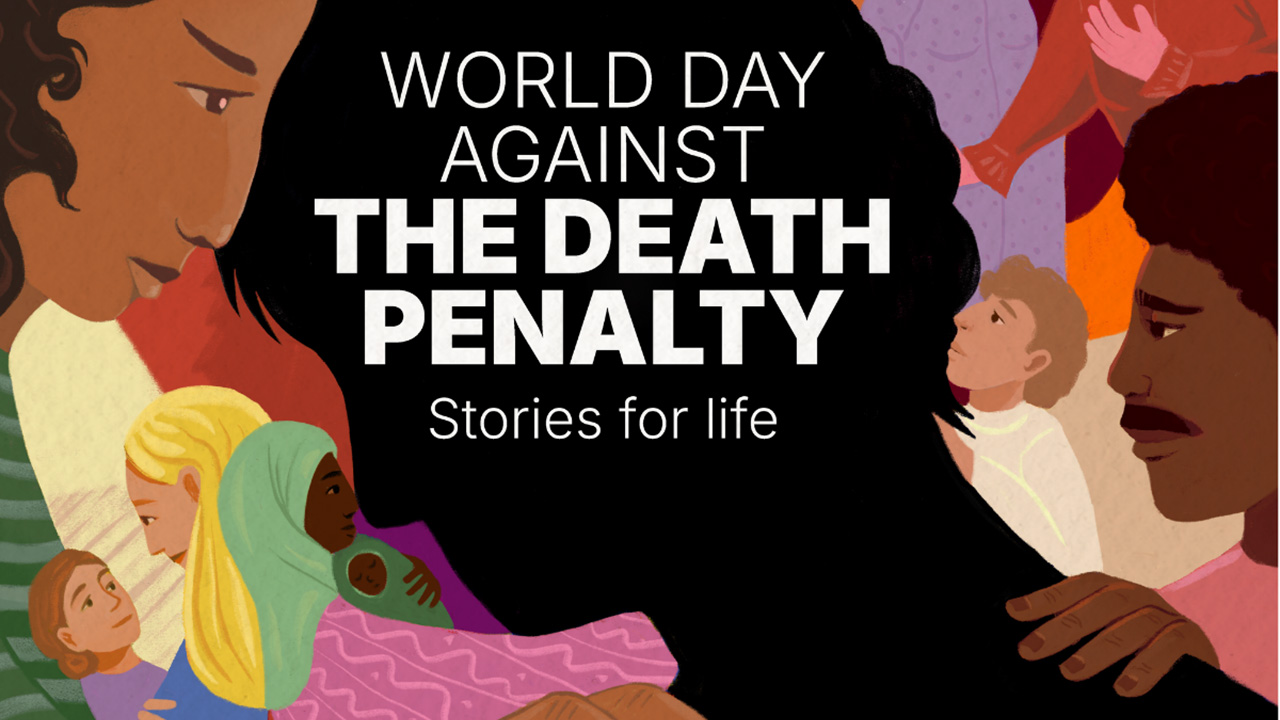
Quarterly Update of the Campaign for the Abolition of the Death Penalty – January - March 2026

Quarterly Update of the Campaign for the Abolition of the Death Penalty – January - March 2026

The need to turn commitments into action

The need to turn commitments into action The alarming rise in executions in 2025, particularly those related to drug crimes (which increased 97% from 2024 according to the latest Harm Reduction International report), cast a long shadow over the first quarter of 2026. The international community’s attention was particularly focused on the situation in Iran, where peaceful protests that began December 2025 were met with a brutal crackdown and human rights violations, reportedly resulting in thousands of deaths, as well as mass arrests that have left hundreds at risk of execution. The need to address this violent trend was central to the parliamentary workshop organized by Parliamentarians for Global Action in Mexico City on 25 March. Parliamentarians are more crucial than ever in this difficult context. During discussions, parliamentarians heard poignant testimonies from a defense lawyer and representatives of the abolitionist movement, including experts on the differentiated impact of the death penalty and prison conditions based on gender. In concrete results, parliamentarians from The Gambia and Jamaica committed to action steps, paving the way for change accompanied by sustained political engagement. The urgency of these commitments by champion parliamentarians is underscored by radical legislative initiatives elsewhere in the world. In late March, the Israeli Knesset passed a law reinstating the death penalty for Palestinians, a move condemned by the UN, the international community and civil society as a violation of international law. Meanwhile, the Maldives Government has proposed a bill to effectively end its six-decade moratorium. Faced with the rise of these regressive measures, parliamentarians must translate their commitments into concrete legislative action. The link between gender and the death penalty was raised during the Commission on the Status of Women 70th Session (CSW70) thanks to civil society organizations. The delegation from the World Coalition Against the Death Penalty advocated for the goals of the abolitionist cause, amplified the voices of women sentenced to death, and proposed solutions. Conclusions of CSW70 included, for the first time, references to women in conflict with the law, emphasizing the need to “address the specific needs and circumstances of all women and girls subject to arrest, detention, prosecution, trial and sentencing, including irreversible criminal penalties.” January to March 2026 at a Glance Positive developments: Malaysia: o   New parliamentary data indicate that 976 people, including 889 men and 87 women, were released as of 30 September 2025. This follows Malaysia’s resentencing project process related to the abolition of the mandatory death penalty in November 2023. United States: o   Oklahoma State Senator Nikki Nice is campaigning for a bill to reinstate a moratorium in the state until June 2028. Oklahoma resumed executions in 2021, after observing a six-year moratorium. o   The New Hampshire House of Representatives rejected a bill to reinstate the death penalty, as well as other bills that would have expanded its application. The state abolished capital punishment in 2019, but one person remains on death row. Setbacks Iran: o   Nationwide demonstrations in the country, which began on 28 December 2025, led to serious human rights violation in the country, with thousands of people killed during the crackdown. Hundreds of protesters are at risk of death sentences, including children. o   Since the beginning of the year, at least 184 men and 5 women were executed. Israel: o   The Knesset adopted a death penalty law targeting Palestinians living under occupation.  The law authorizes military courts to impose mandatory death sentences for deliberate killings in actions that are defined as terrorist acts, and denies pardon. Experts and civil society organizations stress its blatant incompatibility with international law and call for its immediate repeal. Maldives: o   Government plans to introduce a bill to end the longstanding moratorium on the death penalty in the Maldives. United States o   Florida Supreme Court upheld a law enabling non-unanimous death verdicts. Florida, along with Alabama, is one of only two states to permit non-unanimous death verdicts. o   Alabama approved a bill expanding the scope of the death penalty. o   Bills are being considered to reinstate the death penalty in Wisconsin (where it was abolished in 1853), and in West Virginia (which abolished it in 1965). o   In Utah, a bill seeks to expedite death penalty proceedings. o   From January-March 2026, a total of 7 executions were recorded, included: §  4 executions in Florida §  2 executions in Texas §  1 execution in Indiana §  1 execution in Oklahoma New Reports and Resources: Harm Reduction International (HRI): o   The Death penalty for drug offences: global overview 2025. The report shows that at least 36 countries still retain the death penalty for drug-related offences, and that 1,212 people were executed for such offences (a 97% increase between 2024 and 2025). Universal Periodic Review – 51st session: o   States formulated recommendations to abolish the death penalty to Lebanon; Maldives; Mauritania; Oman; Saint Lucia; and Singapore. Concerns were also conveyed to Chad regarding the decree seeking to reinstate the death penalty. World Coalition Against the Death Penalty (WCADP): o   WCADP launched an online learning platform designed to strengthen knowledge, advocacy and global action to end the death penalty. The Rights Practice, Institute for Criminal Justice Reform, The Square Circle Clinic, Justice Project Pakistan, Taiwan Alliance to End the Death Penalty, Transformative Justice Collective, Malaysian Centre for Constitutionalism and Human Rights, Centre for Prisoners Rights, Japan Federation of Bar Associations, and the Anti-Death Penalty Asia Network: o   Kuala Lumpur Guidelines – Regional guidelines for lawyers representing individuals facing the death penalty and execution in Asia

Parliamentarians gather in Mexico City to strengthen commitment to international justice

Parliamentarians gather in Mexico City to strengthen commitment to international justice

How can legislators advance international justice? This was the question members of Parliamentarians for Global Action examined on 25 March 2026, on the sidelines of PGA’s 46th Annual Forum in Mexico City.

How can legislators advance international justice? This was the question members of Parliamentarians for Global Action examined on 25 March 2026, on the sidelines of PGA's 46th Annual Forum in Mexico City. Legislators have long driven progress on international justice, as evidenced by the concrete results achieved by PGA members who contributed to the ratification and domestic implementation of the Rome Statute and other achievements. However, the current fragility of international norms and the troubling rise of crises worldwide demand a strengthened commitment, including through parliamentary engagement. In this context, legislators from the Cook Islands, Guyana, Jamaica, the Netherlands, Nigeria, The Gambia, Ukraine, and Zimbabwe met to take stock of the current situation and to discuss strategies to prioritize the fight against impunity. Rome Statute of the International Criminal Court: threats and opportunities The International Criminal Court faces unprecedented challenges, including threats of withdrawal or withdrawal procedures that undermine the Court's universality. Many of these threats are fueled by persistent misconceptions about the Court's mandate, which legislators can dismantle through peer-to-peer dialogue and raising public awareness. As participants emphasized, the ratification of the Rome Statute is crucial to strengthening the rule of law at all levels, a fundamental criterion for democratic countries that must not be compromised in these challenging times. 125 countries are States Parties to the Rome Statute, while an additional 29 signatory States have yet to complete the ratification process, and others would need to accede to the treaty to achieve true universality. Jamaica, which signed the Statute in 2000, has not yet finalized ratification due to constitutional obstacles and external political pressures that have undermined political will. Hon. Dr. Angela Brown Burke, MP (Jamaica), illustrated how geopolitical shifts have offered new opportunities to revive dialogue: the consequences of global crises on Jamaican citizens (notably the situation of Jamaican students who were in Ukraine at the time of the Russian Federation's aggression) have highlighted the gravity and relevance of international justice, prompting the political opposition to support ratification and relaunch the debate at the national level. She stressed the need for parliamentarians and relevant stakeholders to seize this moment, which requires sustained public awareness. In contrast, Ukraine's path to ratification offers an example of a lengthy but successful process. Hon. Dr. Galyna Mykhailiuk, MP (Ukraine), outlined to participants the parliamentary efforts undertaken over 24 years to overcome obstacles, which ultimately led to the Verkhovna Rada's adoption of the law ratifying the Rome Statute and its amendments in 2024. She emphasized, however, that ratification marks only the beginning: parliamentarians must now drive domestic implementation to ensure the treaty's effectiveness. The need for implementation in national legislation resonated among participants. For Hon. Daniel Molokele, MP (Zimbabwe), the Ministry of Justice should adopt a plan of action to domesticate the Rome Statute and achieve its ratification. From the Gambian side, Hon. Abdoulie Ceesay and Fatoumatta Njai, MPs, underlined the importance of PGA's African Working Group Dialogue on International Justice and the International Criminal Court, organized in November 2025 in Nairobi, which exposed gaps in their current domestic legislation and prompted them to engage with their government and work on dedicated legislation. To support smaller states that may lack capacity and to raise further awareness of the Rome Statute system, parliamentarians recommended strengthening ties with regional organizations, such as the Caribbean Community (CARICOM) and the African Union. Hon. Amanza Walton-Desir, MP (Guyana), noted that such regional assistance would be vital for navigating complex legal frameworks. Participants discussed the upcoming election of six International Criminal Court judges, which will take place in December 2026 during the Assembly of States Parties to the Rome Statute. As Parliamentarians for Global Action has long advocated, the quality of judges is of fundamental importance to the performance, efficiency, and effectiveness of the International Criminal Court, which is at the heart of the long-term success of the Rome Statute system. Parliamentarians were therefore recommended to call on their government to establish fair, transparent, and merit-based national nomination procedures and monitor elections to ensure only the most highly qualified individuals are elected as ICC judges. International justice opportunities Efforts for accountability are multiplying, as demonstrated by the increasing number of cases brought before the International Criminal Court, the International Court of Justice, or under the principle of universal jurisdiction. Other initiatives are underway to address gaps in the international legal framework, and parliamentarians can play a crucial role in supporting such developments and ensuring their robust implementation: Crimes against Humanity: The draft Convention on the Prevention and Punishment of Crimes Against Humanity, if adopted, will fill critical legal gaps and enhance victims' rights and protection. The draft Convention offers an opportunity for innovation by codifying gender apartheid or adding slavery and the slave trade as a standalone crime, clarifying and expanding the current legal definition. Ecocide: Parliamentarians acknowledged the importance of efforts to recognize ecocide as an international crime, a crucial step toward holding perpetrators criminally responsible for severe and widespread damage to the environment and protecting biodiversity and ecosystems. Participants discussed current efforts led by Vanuatu, Fiji, and Samoa to amend the Rome Statute, which requires further support from States Parties to be adopted. Hon. Tina Browne, MP (Cook Islands), underscored the importance of these developments and noted the need for further engagement, which directly impacts small island states. Human trafficking: Parliamentarians explored the possibilities of reinforcing laws combating human trafficking within international justice instruments, notably in view of recent reports revealing coercive recruitment of foreign nationals to the Russian Federation's military. The Ljubljana-The Hague Convention: Adopted in May 2023 by 68 states, the Ljubljana-The Hague Convention establishes an explicit legal framework for mutual legal assistance and extradition for the most serious international crimes. By facilitating practical cooperation between states investigating and prosecuting core international crimes at the national level, including genocide, war crimes, and crimes against humanity, the Convention strengthens national judicial systems and enables States to fulfil their international legal obligations in the fight against impunity and deliver justice to victims' groups and survivors. For this treaty to be fully effective, ratification and domestic implementation are crucial steps in which parliamentarians can play a decisive role. This dialogue reaffirmed the crucial mandate of parliamentarians to transform political commitments into enforceable legal frameworks. As demonstrated by the enriching exchanges among participants, their voices and efforts are fundamental to advance international justice and fight against impunity.

Global Parliamentarians Unite Against the Death Penalty in Mexico City

Global Parliamentarians Unite Against the Death Penalty in Mexico City

Parliamentarians gathered for a parliamentary workshop on the death penalty, united by a shared conviction on the universality of human rights

On March 25, on the sidelines of PGA’s 46th Annual Forum in Mexico-City, parliamentarians from Jamaica, Nigeria, The Gambia, Pakistan and the Netherlands gathered for a parliamentary workshop on the death penalty, united by a shared conviction on the universality of human rights. In a volatile geopolitical landscape, where competing priorities threaten to push the issue of capital punishment to the margins, legislators from retentionist and abolitionist in practice countries discussed concrete strategies to overcome national obstacles to abolition, replicate successful models, and support the abolitionist movement in their countries. As Sen. Boris Dittrich (The Netherlands), convenor of PGA’s campaign, explained, the goal was to identify concrete steps parliamentarians can take, individually and collectively, to dismantle a structurally repressive system, incompatible with the right to life and the prohibition against torture and ill-treatment. Acting when progress meets regression: Although more than two-thirds of UN member states have now abolished the death penalty in law or practice, Ms. Asunta Vivó Cavaller and Mr. Rajiv Narayan, co-executive directors of the International Commission against the Death Penalty (ICDP), warned parliamentarians: “progress is real, but not irreversible. Sustained political commitment is essential.” Recent data confirms that while the number of countries imposing the death penalty continues to decline, alarming setbacks persist. This includes record execution figures in Iran, Saudi Arabia, Singapore, and the United States, alongside threats to reinstate or expand capital punishment, as recently in Israel with the adoption of the discriminatory Death Penalty for Terrorists Law or in the Maldives, which is planning to introduce a death penalty bill for drug-related offences. To counter this regression and keep abolition on the political agenda, ICDP co-executive directors encouraged parliamentarians to collaborate across party lines to reform legislation, repeal laws, establish moratoria, and propose constitutional amendments. They also reminded legislators of their role in oversight and monitoring human rights obligations, which strengthens engagement and paves the way for abolition. Suriname offers a compelling example: following meetings with experts, parliamentarians fully committed to drafting and revising a bill to abolish the death penalty, later adopted and promulgated in 2015. Countries can choose another path to achieve abolition by ratifying the Second Optional Protocol to the International Covenant on Civil and Political Rights, aiming at the abolition of the death penalty, as Kazakhstan did in 2022 after having observed a long-term moratorium. Hidden crisis: Gender, discrimination and prison conditions The workshop raised awareness about the intersection between gender-based violence and the death penalty. Ms. Bahar Mirhosseni, Distinguished Legal Fellow and Director of Legal Advocacy at the Cornell Center on the Death Penalty Worldwide, presented findings indicating that at least 1,000 women are sentenced to death worldwide. Many – or most of them – are survivors of gender-based violence and/or victims of socio-economic deprivation. In the United States of America for example, 96% of the women sentenced to death have experienced gender-based violence. In some countries, women sentenced to death for drug-related offences are often migrant workers, face economic insecurity, or are under coercive relationships. Despite these patterns, courts rarely recognize gender-specific mitigating circumstances, further exacerbating discrimination. Linguistic analyses also reveal the gender differences in treatment during judicial processes and police interrogations, leading to the construction of unjust narratives. Ms. Mirhosseni recommended that parliamentarians address systemic biases to ensure fair trial, but emphasized that, given the current failure to eradicate such prejudices, the ultimate priority remains to abolish the death penalty. Ms. Tracey Cui, researcher at the Center for Prisoner’s Rights Japan, provided parliamentarians with deeper insight into the conditions faced by death row inmates, including women, through an overview of the situation of Japan’s death row, which in 2025 comprised 108 individuals, including six women. The documentation and research conducted by the NGO highlighted gender-based violence and mistreatment, including constant surveillance, a practice deemed illegal by the Tokyo Supreme Court in 2025. Despite the 2025 ruling, in 2026, the Osaka Bar Association protested against the constant surveillance of a woman who had spent over 20 years on death row. Ms. Cui explained that violence against women remains deeply entrenched in the Japanese criminal justice system, with no consideration for their specific needs and a failure to recognize gender-based violence during trials. She stressed the need for further research to inform the public, enable informed judgments on capital punishment, and address the impact of gender in relation to death penalty cases. Human stories behind the death penalty Malaysian lawyer Khaizan Sharizad Ab. Razak delivered a powerful testimony, highlighting her frontline commitment to the abolition of the death penalty. With the abolition of the mandatory death penalty in Malaysia, 1,020 persons have benefited from the review of their sentences. Her pro bono legal team facilitated the release of individuals, 20% of whom had spent more than 20 years on death row. Among them, one man was released in October 2024 after a documentary film exposed his wrongful conviction. She emphasized that most clients come from marginalized communities and, even after release, they continue to face stigma and employment struggles. She highlighted the critical lack of mental health specialists in Malaysia, noting that many clients suffer from mental and other health issues, requiring support and assistance upon release from prison. “Policy change has to work in tandem with legislative reform,” she said. Structural reforms from different ministries are needed, particularly in education, poverty, and health, including mental health. Answering a question on public opinion, she noted a significant shift in attitudes towards drug-related offences and the death penalty in Malaysia over the past decade. Human stories, when effectively communicated, can shift perceptions and reshape attitudes. From Debate to Action: Strategies for Parliamentarians The final session transformed discussion into concrete action plans, parliamentarians identified strategies they can use to advance abolition of the death penalty: Engaging in public debate to shift public discourse and keep the question of the death penalty on the agenda; Forming parliamentary caucuses across political lines to build coalitions; Tabling parliamentary questions to demand government transparency on related data, the position of the government on the question, or push for any progress on the question; Drafting legislative bills to reduce the scope or abolish the death penalty, establish a moratorium as a first step towards full abolition, or improve prison conditions, including for women; Seizing legislative opportunities, such as constitutional reforms, to embed abolition permanently; Promoting the ratification of the Second Optional Protocol to the ICCPR or other relevant regional treaties; and Engaging in global diplomacy, including by promoting votes in favor of the UN General Assembly Moratorium Resolution. Several parliamentarians underscored the difficulty and persistent sensitivity surrounding the issue, particularly when certain cases deeply affect public opinion. As an example, Hon. Bamidele Salam, MP (Nigeria) warned against rising religious and political pressure to extend the death penalty to cases of abduction and rape, demonstrating the need for continued awareness-raising since the death penalty has never been a deterrent and only perpetuates the cycle of violence and discrimination, without ever addressing the root causes of crime. Despite different contexts, participating parliamentarians agreed that these strategies could be implemented at national and regional levels. Hon. Heatha Miller, MP (Jamaica), pledged to collaborate with Jamaican advocacy groups against the death penalty to promote a private members’ bill. Ms. Fatoumatta Njai, MP (The Gambia), highlighted the current inconsistency between law and practice in her country: while the death penalty remains in Gambian legislation, it is no longer applied. She stressed the need for legislators to address this issue and work towards removing all references to capital punishment from the Gambian Constitution through a constitutional amendment. Such commitments are essential to ensure continued progress, as parliamentarians are key actors in achieving the universal abolition of the death penalty. Sustained attention to the intersectional elements of criminal justice systems and prison conditions is essential in implementing systems geared toward rehabilitation and reintegration, guided by humanity rather than retribution.

Global Parliamentary Call for De-escalation, Dialogue, and Peace

Global Parliamentary Call for De-escalation, Dialogue, and Peace

A Call for Responsible Leadership

Initiated by MP Sahar Albazar (Egypt), Board Member of Parliamentarians for Global Action At a time of rising global tensions and escalating conflicts across Europe, the Middle East, Asia, and Latin America, we, members of parliaments from across the world, issue this urgent and unified call for immediate de-escalation, restraint, and a renewed commitment to dialogue and international cooperation. The continuation and expansion of armed conflicts are no longer confined to consequences within national borders or regions. They pose systemic global risks—destabilizing economies, deepening inequalities, and undermining decades of progress toward sustainable development. Global Consequences We Cannot Ignore Food security at risk - Armed conflicts are disrupting global supply chains, driving food price inflation, and threatening access to basic nutrition—particularly across Africa and vulnerable regions of the Global South. Energy instability - Volatility in energy markets continues to strain household and national budgets, increase inflationary pressures, and weaken economic resilience worldwide. Rising energy costs disproportionately impact vulnerable and low-income communities and can lead to severe health impacts. Climate crisis - Military escalation significantly accelerates the climate crisis through massive greenhouse gas emissions, environmental destruction in conflict zones, and the diversion of funds from green initiatives, undermining global sustainability efforts. Disproportionate burden on the Global South - Countries not party to these conflicts are bearing disproportionate costs—through inflation, debt stress, and reduced fiscal space—placing highly indebted nations at risk of systemic economic collapse. A Call for Responsible Leadership We urge all parties engaged in conflict, and those with influence over them, to: Commit to immediate de-escalation - Refrain from further military escalation and prioritize ceasefire efforts wherever possible. Return to diplomacy and negotiation - Reinforce dialogue channels under international frameworks and good-faith mediation. Protect civilians and critical infrastructure - Uphold international humanitarian law and ensure the protection of food systems, energy facilities, and essential services. Shield the global economy from further shock - Avoid actions that disrupt trade routes, energy supplies, and financial instability. Support vulnerable economies - Expand international cooperation to mitigate the disproportionate impacts on highly-indebted and developing countries. Why Parliamentarians? As elected representatives, and the democratic branch closest to citizens, we affirm our responsibility to:  Advocate for peace and diplomatic solutions within our government. Promote accountability and adherence to international law. Defend democratic values that encourage meaningful and balanced dialogue and understanding. Build cross-border parliamentary alliances to prevent further escalation. Translate why international cooperation serves local interests and ensure that national policies reflect global responsibility. A Defining Moment The world stands at a critical juncture. The continuation of these conflicts risks triggering a cascade of global crises—economic, humanitarian, and environmental—with long-term consequences for international stability. International cooperation is not simply idealism — it's how we participate in decision-making processes that benefit our communities and help solve problems that cross borders.  Peace is not only a moral imperative; it is a strategic necessity for global survival and shared prosperity. We urge immediate and coordinated collective action before the costs become irreversible. We invite parliamentarians worldwide to endorse this call and to advance its principles within their respective national and international engagements.

Afghanistan’s Human Rights Crisis: Afghan Women MPs Address the European Parliament

Afghanistan’s Human Rights Crisis: Afghan Women MPs Address the European Parliament

On 18 March 2026, Afghan women parliamentarians, forced into exile since the Taliban’s military takeover in August 2021, spoke at a session of the European Parliament’s Subcommittee on Human Rights (DROI).

Afghanistan’s Human Rights Crisis: Afghan Women MPs Address the European Parliament On 18 March 2026, Afghan women parliamentarians, forced into exile since the Taliban’s takeover in August 2021, spoke at a session of the European Parliament’s Subcommittee on Human Rights (DROI). The event was organized in partnership with Parliamentarians for Global Action (PGA) and focused on the increasingly alarming and ongoing worsening of human rights and the humanitarian situation in Afghanistan. Through poignant testimonies, Hon. Fawzia Koofi and Hon. Mariam Solaimankhil, PGA member, demanded justice for Afghanistan and called on the international community to stand with Afghan civilians, especially women and girls who have been banned from public life since the Taliban’s return to power. Women’s Rights as First Priority Since August 2021, the Taliban have issued over 100 decrees establishing a systematic oppression of women and girls in their daily lives. While 21 March traditionally marks the start of the education year in Afghanistan, Hon. Fawzia Koofi solemnly highlighted that this date marks the fifth anniversary of the ban of girls from secondary schools and universities. This prolonged deprivation of their right to education has had devastating consequences, both in their overall development and their health, including mental health. Furthermore, the shortage of female doctors, in a country where the health system is already on the brink of collapse, coupled with the institutionalized system of gender-based oppression and violence, poses grave risks to the lives of Afghan women and girls. The latest Taliban measure, Decree No. 12, further diminishes their rights by legitimizing psychological and sexual violence, criminalizing severe domestic violence. When seeking justice, the decree places serious obstacles on women, such as the requirement to be accompanied by a male guardian (who could as well be the perpetrator of the crime). Women who visit a relative’s home without the permission of their husbands may face jail, as well as relatives who shelter them. “The Taliban question the very existence of women as a gender, as human beings,” said Hon. Koofi. She cautioned the international community against normalizing gender apartheid and letting the Taliban use women’s rights as a bargaining chip in negotiations. “Let’s not normalize this reality (...) we must hold them accountable.” Demanding Accountability and a Democratic Future The visit of Hon. Koofi and Hon. Solaimankhil to Brussels is marked by the intensification of geopolitical crises, including the recent declaration of open war between Afghanistan and Pakistan, as well as in Iran, where Afghan refugees face increasingly precarious conditions. The delegates condemned recent attacks and violations of international humanitarian law, especially regarding civilian casualties, which they attribute to the absence of a legitimate government and the Taliban’s policies. Pointing at the devastating airstrike on a rehabilitation center in Kabul, which killed more than 400 people on 16 March 2026, Hon. Solaimankhil reminded that civilians consistently bear the brunt of violence and instability: “When instability spreads, when borders become battlefields, when governments collapse, it is always the ordinary people who suffer first.” Addressing members of the European Parliament, she emphasized the urgent need to effectively focus on the situation in Afghanistan to avoid spillover effects in the region. “The world must begin preparing for a future beyond the Taliban,” she stated, outlining three foundations for the country’s future: legitimacy (a democratic government through free and fair elections), inclusion (of all communities, especially women), and rights (girls returning to school, women returning to public life). Hon. Koofi and Hon. Solaimankhil welcomed recent progress on international accountability, expressing gratitude to the European Union for sponsoring the investigative mechanism for Afghanistan in October 2025, which now requires sufficient funding and support from UN Member States to become operational. They emphasized the importance of such developments for Afghans, whose demands for justice remain strong, as evidenced by the widespread anticipation generated by arrest warrants for two senior Taliban leaders, issued by the International Criminal Court (ICC). Meanwhile, they urged the international community to accelerate efforts for a potential case at the International Court of Justice (ICJ) to hold Afghanistan accountable under the Convention on the Elimination of All Forms of Discrimination against Women. “We must use these institutions to protect us,” Hon. Koofi stated. EU Support for Afghanistan Members of the European Parliament reaffirmed Europe’s support for Afghanistan, where more than 22 million people currently need humanitarian assistance. Visibly moved, they reiterated their solidarity, committing to keep Afghanistan at the forefront of the international agenda and asserting that the situation, especially that of women and girls, will never be normalized. The EU Special Envoy for Afghanistan, Mr. Gilles Bertrand, indicated that the EU has provided over €1 billion in humanitarian and development aid to Afghanistan, following a “for women, by women” approach that particularly supports women-led businesses. He confirmed the EU’s commitment to sustain its engagement, including through its presence in the country. “We cannot forget what is happening in Afghanistan," he said, underlining that the EU follows a principled approach, centered on the Afghans’ human needs. Call to Action Afghan parliamentarians in exile stressed that Afghanistan has become a test case for the international community’s commitment to fundamental human rights principles. They urged the European Parliament, EU member states, and parliamentarians to translate their words of solidarity into concrete action: Uphold a principled stance on women’s and girls' rights: make women's rights a non-negotiable agenda item in any engagement with Afghanistan’s de facto authorities. Strengthen accountability and justice processes, including by supporting the recognition and codification of gender apartheid, ensuring funding for the accountability mechanism for Afghanistan, supporting ongoing investigations at the ICC, and advancing accountability efforts before the ICJ. Guarantee humanitarian assistance that benefits women and girls equally. Support Afghans, including women parliamentarians and human rights defenders. Adopt policies that reflect the severity of the human rights crisis in Afghanistan, avoiding any measures that could be interpreted as suggesting that the country is safe for returns, especially for women and girls. “Women's rights in Afghanistan and human rights are directly linked to a legitimate government that embraces the diversity of Afghanistan. Afghanistan is one of the most diverse countries in the world, with 29 languages and many ethnic and religious groups. We all must work for a government that is representative of that diversity and inclusive of women,” Hon. Koofi concluded. Examples of recent parliamentary actions taken by members of the European Parliament: Resolution on the Situation in Afghanistan: supporting women and communities affected by the recent earthquakes (9 October 2025) Resolution on The deteriorating situation of women in Afghanistan due to the recent adoption of the law on the “Promotion of Virtue and Prevention of Vice” (19 September 2024) Resolution on The repressive environment in Afghanistan, including public executions and violence against women (14 March 2024) Examples of parliamentary questions asked by members of the European Parliament: Forced returns of Afghan women to Afghanistan under Taliban rule (11 November 2025) EU evacuations of Afghans at risk (24 March 2025) New Afghan morality law or law of silence, the culmination of a regime of ‘gender apartheid’ (5 September 2024)

Parliamentarians for Global Action Elects New Board Members at 46ᵗʰ Annual Forum in Mexico City

Parliamentarians for Global Action Elects New Board Members at 46ᵗʰ Annual Forum in Mexico City

PGA’s International Council is made up of legislative leaders from 18 countries who serve as the chairs of PGA national groups

Mexico City, Mexico — Following the close of the 46th Annual Forum and 46th Consultative Assembly of Parliamentarians for the Oceans (4th CAP-Oceans), held March 26–27 in Mexico City, Parliamentarians for Global Action (PGA) convened its International Council to elect PGA’s Executive Committee for the 2026-2027 term. PGA’s International Council is made up of legislative leaders from 18 countries who serve as the chairs of PGA national groups. These cross-party caucuses of parliamentarians enable legislators to work collectively on domestic legislation and policies while staying integrated into PGA’s global advocacy work. The International Council elected a new Chairperson of the International Council and a new Treasurer, while re-electing Hon. Syed Naveed Qamar, MP (Pakistan) as President of PGA. PGA extends its heartfelt congratulations to the newly elected members of the 2026–2027 Executive Committee: Hon. Syed Naveed Qamar, MP (Pakistan) — President Dip. Jorge Cálix (Honduras) — Chairperson, International Council Hon. Bernard Georges, MP (Seychelles) — Treasurer Hon. Abdoulie Ceesay, MP (The Gambia) Sen. Janelle Chanona (Belize) Hon. Daniel Fortune Molokele, MP (Zimbabwe) Hon. Millie Odhiambo, MP (Kenya) Dep. Christelle Vuanga (Democratic Republic of Congo) Hon. Ebu Jones, MP (Suriname) “We are proud to welcome this extraordinary group of legislators to PGA’s leadership,” said Mónica Adame, Secretary-General of PGA. “The diversity of this Executive Committee — representing government and opposition parties, all regions of the world, and both chambers of parliament — reflects the breadth of our global parliamentary movement. At a moment when democracy and international cooperation face serious headwinds, we are grateful for the commitment and leadership that each of these legislators brings to our network.” PGA expresses its deep gratitude to its outgoing Board members - Mr. Ali Ehsassi, MP (Canada), Ms. Petra Bayr, MP (Austria), Hon. Valerie Woods, Speaker of the National Assembly (Belize), and Sen. Boris Dittrich (The Netherlands) - for their years of dedicated service to PGA’s governance and mission. Their leadership has been invaluable in advancing PGA’s work across programs, regions, and campaigns.  

Photo by PGA

Events & Activities

View the calendar of global and regional gatherings that Parliamentarians for Global Action is participating in or convening and see how you can get involved.

View the 2026 calendar →


Resources

Explore our vast library of publications, documents, and handbooks authored or co-authored by Parliamentarians for Global Action.

Visit our Resource Library →

lady reading a publication
Photo by Blair Fraser on Unsplash

0
Active Members
0
Countries
0
Active Campaigns
0
Year of Operation
PGA icon

Why Join PGA?

PGA Members are current MPs in government and opposition from countries where the parliament has true legitimacy and authority.
Join Parliamentarians for Global Action

Download our PGA Membership Brochure

English Español français Português

Featured Posts on Social Media