


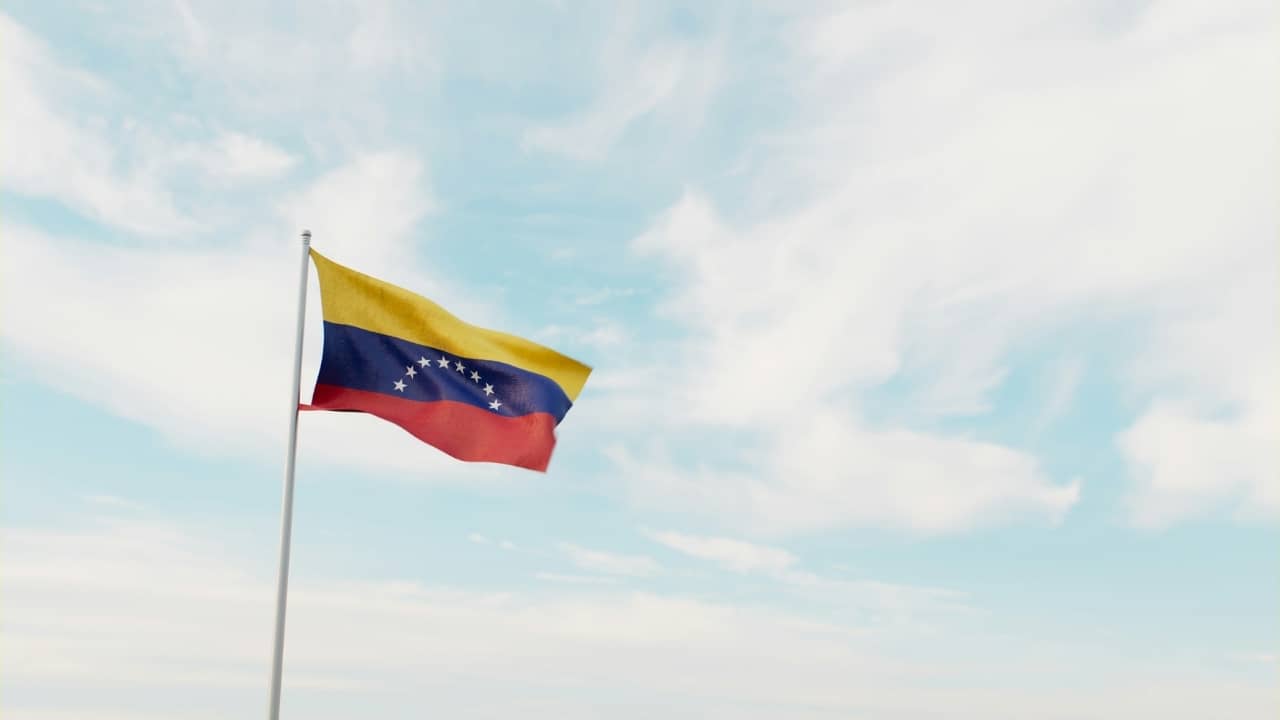
Venezuela’s official withdrawal from the Rome Statute represents a serious setback for the fight against impunity and access to justice for victims and survivors.
From Ratification to Withdrawal
As the first Latin American country to ratify the Rome Statute on 7 June 2000, following its signature on 14 October 1998, Venezuela played a leading role in strengthening the ICC, paving the way for accountability in the region. In recent years, however, Venezuela’s engagement with international justice mechanisms has steadily declined, raising concerns about its commitment.
In 2021, following the referral from a group of States Parties, the ICC opened an investigation into alleged crimes against humanity committed in Venezuela since April 2017. In parallel, under the principle of universal jurisdiction, a prosecutor in Argentina launched an investigation in July 2023 into crimes committed in Venezuela since 2014. Despite these initiatives, continued repression and ongoing crimes against humanity in the country have impeded meaningful progress toward justice. Insufficient complementarity efforts by Venezuelan authorities led to the closure of the ICC’s country office in 2025, and the National Assembly’s vote on 11 December 2025 to repeal ratification further undermined the pursuit of justice for victims and survivors.
The recent withdrawal, submitted to the United Nations on 24 July 2026, marks a troubling regression. It occurs amid a wave of attacks and pressure on the Rome Statute system, including increased threats against the ICC and withdrawal announcements by Niger, Burkina Faso, and Mali in June 2026, and by Chad in July 2026, which risk weakening the Court’s effectiveness. Nevertheless, in accordance with the Rome Statute, Venezuela will remain a State Party until 24 July 2027. Under Article 127, until the withdrawal takes effect, the ICC retains jurisdiction to investigate and prosecute crimes committed on Venezuela’s territory or by its nationals, and the country remains bound by its legal obligations.
Implications in the Region and Beyond
The withdrawal by Venezuela is a dangerous precedent in our region with far-reaching consequences. The international justice system depends on the support and cooperation of all states. With each fracture in the framework, it becomes increasingly challenging to bring perpetrators of gross human rights violations to justice. The path forward must be one of renewed commitment, stronger cooperation, and principled leadership in support of justice for all. Dip. Jorge Calix, Member of Parliament of Honduras, Chairperson of the International Council of Parliamentarians for Global Action.
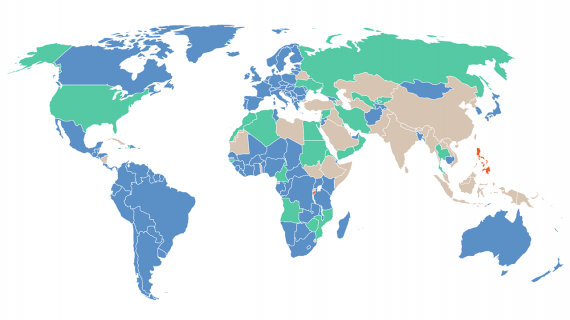
At a time when the Rome Statute system is under intense pressure, states must strengthen support for the International Criminal Court and renew efforts to achieve universality. Parliamentarians and civil society actors must continue to uphold the integrity of the Court and the Rome Statute system. Recent examples from around the world, such as Hungary’s reversal of its planned withdrawal and the leadership shown by parliamentarians supporting the ICC, should be followed by sustained engagement to make a difference.
Call to Parliamentarians
We call on Members of the National Assembly in Venezuela to urge their government to revoke its withdrawal from the Rome Statute and reaffirm its commitment to international justice and cooperation with accountability mechanisms. We further call on parliamentarians around the world to protect the ICC, promote the universality of the Rome Statute, and stand with victims and survivors seeking justice and accountability.
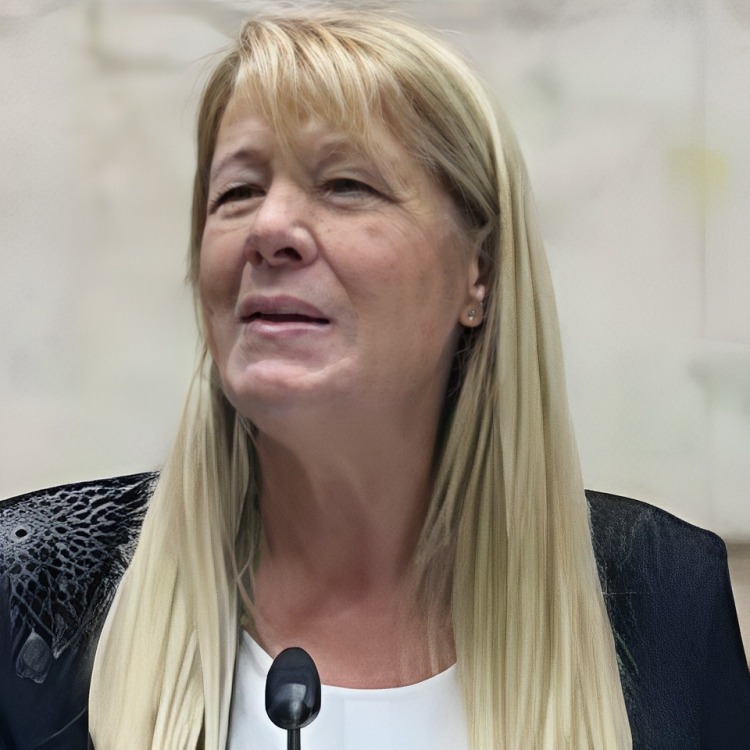
Venezuela's decision to withdraw from the International Criminal Court is a cause for grave concern.
The victims of crimes against humanity in Venezuela must be at the heart of all efforts toward justice, reparations, convictions, and guarantees of non-repetition.
The role of the ICC is essential when national courts lack independence and effectiveness. We urge progress in the Court's investigation and the application of the principle of universal jurisdiction in all Member States to ensure that victims and survivors are heard and that perpetrators are held accountable.
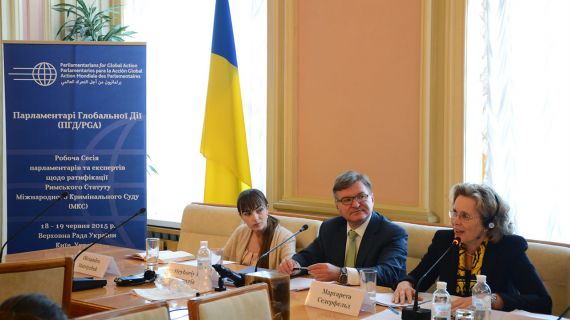
Dip. Margarita Stolbizer, former member of the Argentine Chamber of Deputies and PGA Board Member