


On International Women Human Rights Defenders Day, Parliamentarians for Global Action stands in solidarity with women and girls seeking justice for sexual and gender-based crimes. As a member of the Global Initiative Against Impunity, we support efforts to place victims and survivors at the center of justice and accountability processes. Our participation in the 16 Days of Activism is an opportunity to underline that advancing gender justice is integral to ending impunity.
Advancing accountability for sexual and gender-based crimes
Justice for women and girls requires that their voices be heard, their experiences recognized, and their dignity upheld. Parliamentarians have a key responsibility to translate these principles into action. Through legislative measures, rigorous oversight, and budgetary allocations, parliamentarians can ensure sexual and gender-based crimes are appropriately addressed within national systems and wider international justice mechanisms.
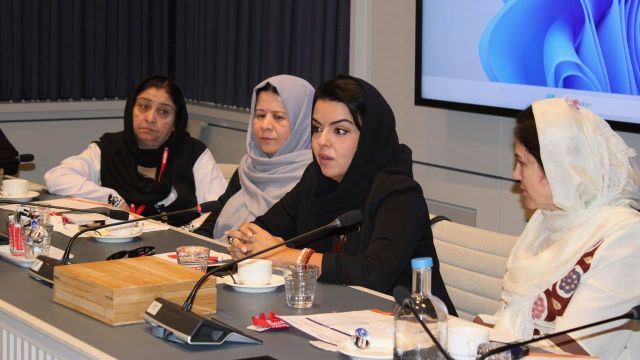
The examples below illustrate how parliamentarians in our network are defending the rights of women and girls at national and international levels, from calling for an end to gender apartheid in Afghanistan to tackling technology-enabled abuse in Costa Rica and seeking justice for conflict-related sexual violence in Myanmar.
Calling for recognition of gender apartheid
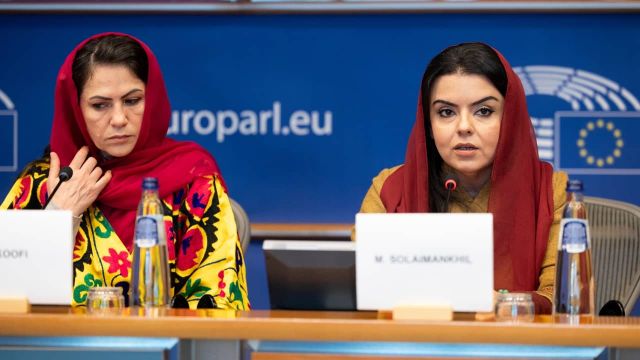
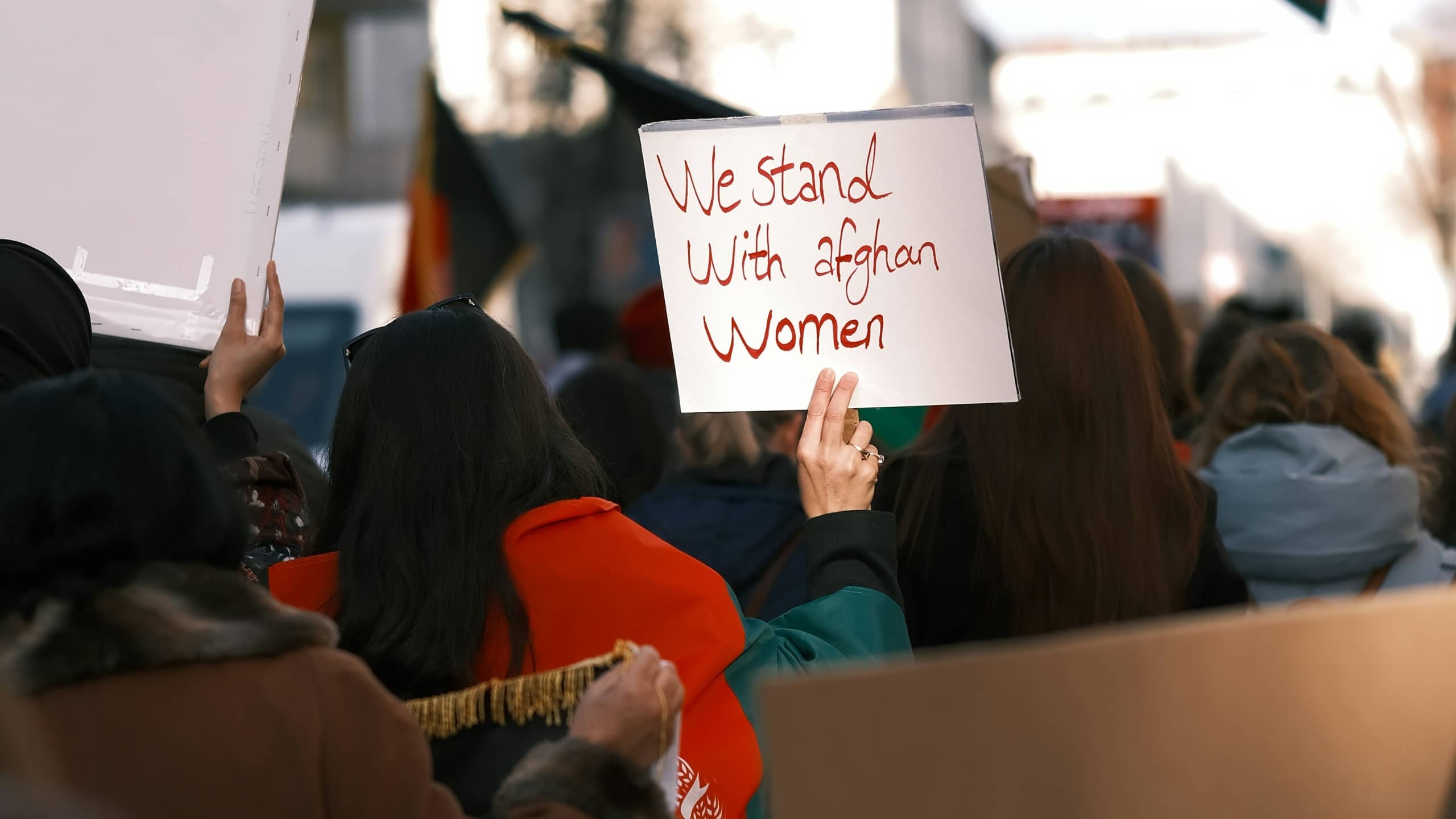
In Afghanistan, the Taliban's laws, policies, and practices systematically exclude women and girls from education, employment, health care, and participation in public life. Afghan women parliamentarians in exile, including Hon. Fawzia Koofi and Hon. Mariam Solaimankhail, continue to advocate for the rights of women and girls and to demand accountability for these violations. In March 2026, they addressed the European Parliament's Subcommittee on Human Rights. In a June 2026 op-ed in The Guardian, Hon. Koofi urged the European Union to enact laws to stop gender apartheid and end impunity, and in August 2026, Hon. Solaimankhail, in her op-ed, called for the Taliban to be held accountable for their institutionalized system of gender apartheid.
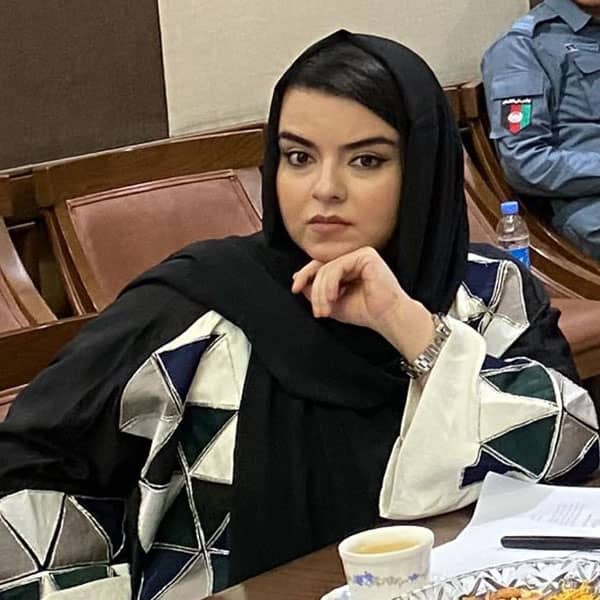
“This is why democracy and women's rights in Afghanistan matter beyond Afghanistan. When the rights of half a nation can be erased overnight, we see how fragile freedom can become. The Taliban must be held accountable for their system of gender apartheid.”
Hon. Mariam Solaimankhail, MP in exile (Afghanistan), member of Parliamentarians for Global Action
Parliamentarians for Global Action continues to call for the recognition and formal codification of gender apartheid as a crime against humanity, including within the ongoing negotiations toward a future Crimes against Humanity Convention.
Addressing digital gender-based violence
In Costa Rica, parliamentarians have undertaken legislative measures to address impunity for digital gender-based violence. In May 2026, Dip. Claudia Dobles Camargo (Costa Rica) introduced a bill to criminalize digital sexual violence, including the non-consensual creation or sharing of intimate content, sextortion, and AI-generated sexual material. During PGA’s October 2026 dialogue on addressing digital gender-based violence, she shared with peer legislators around the world how her experience of online abuse informed her legislative efforts.
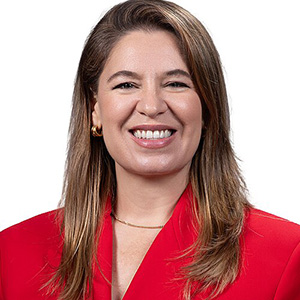
“Digital sexual violence is a serious threat to the safety, dignity, and privacy of women and girls and to their right to participate in public life. AI-generated sexualized images are a clear example of the deliberate misuse of technology to silence and marginalize women. Any legislative response must be grounded in privacy, dignity, and accountability to protect women and girls online and offline.”
Dip. Claudia Dobles Camargo (Costa Rica), member of Parliamentarians for Global Action
Justice for survivors of sexual and gender-based crimes
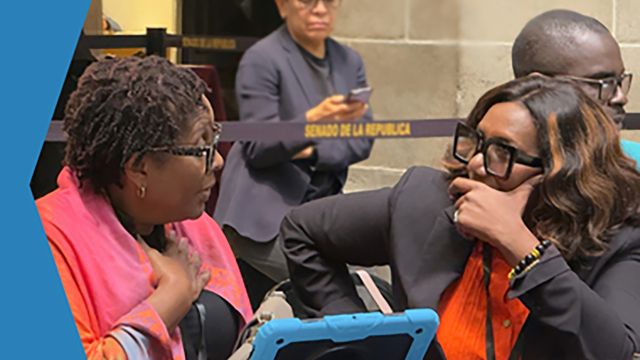
On 19 November 2026, the International Court of Justice determined that Myanmar committed genocide against the Rohingya, including acts of rape and sexual violence. Following the Court's judgment, PGA members Hon. Fatoumatta Njai, MP (The Gambia), and Hon. Abdoulie Ceesay, MP (The Gambia), detailed The Gambia's initiation of the case in 2019 under the Genocide Convention and called upon the international community to support Rohingya survivors, in an op-ed published by Al Jazeera.
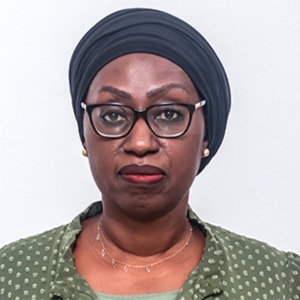
“The judgment of the International Court of Justice is a long-awaited recognition for the Rohingya, particularly the women and girls who have survived rape and sexual violence. That is why The Gambia brought the case in the first place. We understand what it is to long for justice. As parliamentarians, we now have to make sure that the Court's findings are translated into accountability, reparations, and protection for survivors.”
Hon. Fatoumatta Njai, MP (The Gambia), member of Parliamentarians for Global Action
Recommended Actions for Parliamentarians
Gender-based violence, as well as impunity for such acts, must be addressed through effective legislative and oversight measures. By strengthening domestic legal frameworks, reinforcing international justice standards, defending victims’ rights and supporting survivors, parliamentarians can make justice attainable. We encourage parliamentarians to take the following actions.
- Strengthen domestic legal frameworks. Enact or amend comprehensive legislation to criminalize all forms of gender-based violence, including online and technology-facilitated violence, and ensure the effective implementation of such laws.
- Uphold victims’ rights. Ensure accountability of police and justice institutions, promote victim-centered processes, and engage the relevant ministers on measures to guarantee survivors' access to justice.
- Through parliamentary oversight, ensure your government complies with binding decisions of international courts and tribunals, and uses its diplomatic and multilateral engagement to support compliance with landmark gender justice rulings, such as the International Court of Justice's judgment in The Gambia v. Myanmar, whose findings included widespread sexual violence against the Rohingya.
- Fund survivor services and women's rights organizations. Allocate sustained and flexible funding for shelters, legal assistance, psychosocial support, and protection measures, including in crisis and humanitarian contexts.
- Address digital violence. Ensure that laws, institutions, and technology platforms provide for accessible reporting and effective redress. Sign the Global Parliamentary Declaration for the adoption of a United Nations Framework Convention on AI Safeguards.
- Reinforce international justice norms. Support accountability and reparations for conflict-related sexual violence and gender persecution, and advocate for the recognition and codification of gender apartheid as a crime against humanity.