


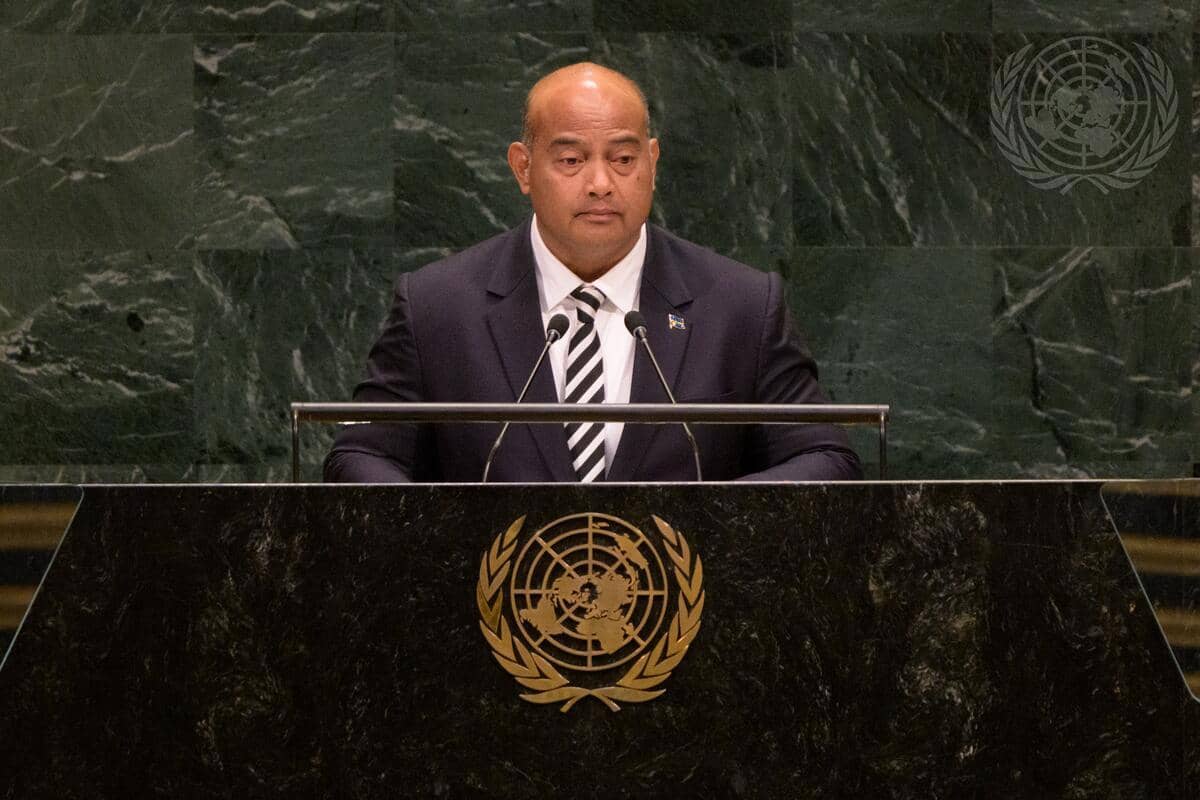
Parliamentarians around the world are alarmed about the accelerating rate of withdrawals from the Rome Statute in 2026, with the formal withdrawal of Naoero increasing the threat to the Statute's universality, especially in the Pacific region.
Naoero was among the first Pacific Island states to ratify the Rome Statute on 12 November 2001, becoming the 45th State Party worldwide. On 22 September 2026, His Excellency David Ranibok Adeang, President of Naoero, announced at the 81st session of the United Nations General Assembly that he would deposit an instrument of withdrawal from the Rome Statute, citing the International Criminal Court's "increasing irrelevance" to his country. The UN Secretary-General confirmed the receipt of the notification on 23 September 2026.
While President Adeang did not elaborate on the reason for Naoero's withdrawal, his announcement came hours after the United States, addressing the UN General Assembly earlier that day, urged all States Parties to withdraw. The call forms part of a broader US campaign launched in July to "dismantle" the Court. On 28 September 2026, the United States publicly congratulated Naoero on its decision.
Risks to Universality of the Rome Statute
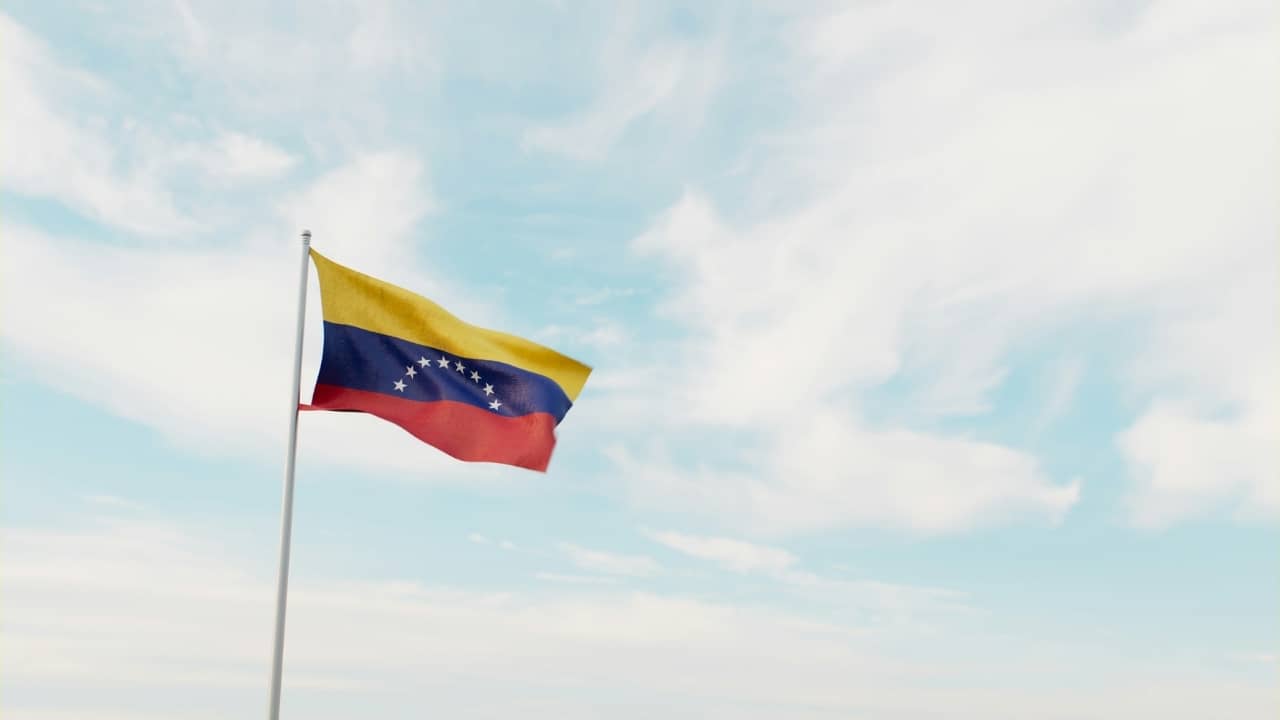
Naoero is the sixth state this year to deposit its instrument of withdrawal, marking a concerning trend that undermines the universality of the Rome Statute system and the credibility and integrity of the ICC. Recent withdrawals by Niger, Burkina Faso, and Mali in June 2026, and Venezuela and Chad in July 2026, will take effect one year after their respective deposit dates.
Once effective, these withdrawals could narrow the ICC's jurisdiction over future crimes and decrease the number of states obligated to cooperate with the Court. Such gaps in the Court's reach will make it increasingly challenging to pursue accountability, deter perpetrators, and deliver justice for victims. Sustained engagement by States Parties and wider membership in the Rome Statute system is essential to advancing universality and strengthening international justice.
The Pacific's Role in International Justice and the Environment
Naoero's withdrawal risks weakening the Pacific region's collective voice on international justice and the protection of human rights for its people and future generations. By leaving the ICC, Naoero will limit its participation in the Assembly of States Parties' deliberations on key issues affecting the Pacific, including climate justice, environmental protection, and the criminalization of ecocide.
Notably, neighboring island states, Vanuatu, Fiji, and Samoa, have led a proposal to amend the Rome Statute to recognize ecocide as an international crime. Given Naoero's vulnerability to sea-level rise, water insecurity, and climate-related risks, continued engagement with the Rome Statute system could strengthen the role of Pacific Island states in discussions on global environmental accountability.
Until its withdrawal takes effect on 23 September 2027, Naoero remains bound by all its obligations under the Rome Statute. Once the withdrawal enters into force, however, Naoero will forfeit its opportunity to shape the Pacific region's efforts on the proposed ecocide amendment, to engage with other States Parties on issues of shared concern, and to contribute to the protection of victims and survivors of the most serious international crimes, including genocide, crimes against humanity, war crimes, and the crime of aggression.
Support for the International Criminal Court
Naoero's withdrawal is a setback for the Rome Statute system, but it stands in contrast to the statements of several States Parties who used the UN General Assembly to affirm the International Criminal Court's essential role in accountability and the rule of law. This includes His Excellency António Costa, President of the European Council, who said: "Upholding international law is not optional. It is our responsibility. That means safeguarding the institutions that give full meaning to these principles. Especially the International Court of Justice and the International Criminal Court. We stand firmly behind them and will uphold their independence, their integrity and their ability to fully exercise their mandate."
Countries such as Fiji, Vanuatu, and Samoa likewise reaffirmed the importance of international law and multilateral cooperation for small island states, including in addressing common challenges such as climate change, ocean protection, and sustainable development.
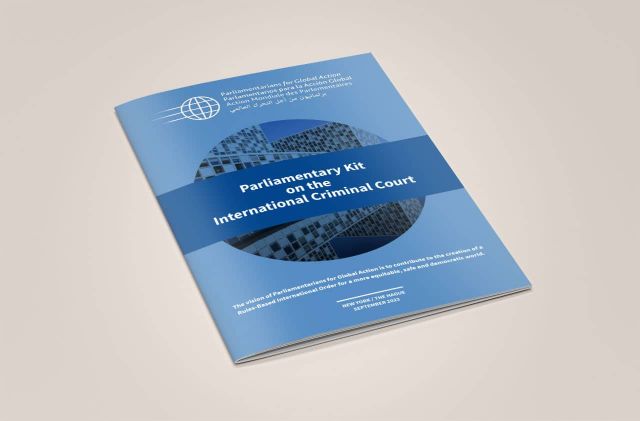
Parliamentarians are encouraged to demonstrate their commitment by signing the Global Parliamentary Declaration in Support of the International Criminal Court.
Action Needed to Strengthen Universality
The effectiveness of the Rome Statute system, and the International Criminal Court itself, depends on broad participation of States Parties, full implementation of the Rome Statute, and cooperation with the Court. Parliamentarians for Global Action continues to champion universality by urging:
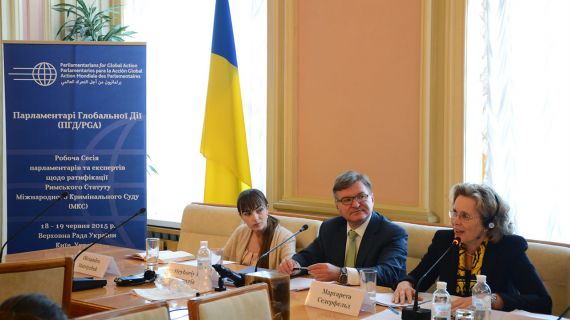
- Members of the Parliament of Naoero to clarify whether Parliament was informed of or consulted on the decision to withdraw from the Rome Statute, and to initiate a national dialogue to reassess the decision and reaffirm Naoero's commitment to international justice.
- States Parties to the Rome Statute, especially those in the Pacific region, to engage with Naoero about the importance of universality and encourage the reversal of its withdrawal before it takes effect.
- Parliamentarians worldwide to demonstrate unwavering support for the International Criminal Court, and leverage bilateral, regional and multilateral channels to advance universality of the Rome Statute and adopt protective measures to shield international accountability mechanisms.