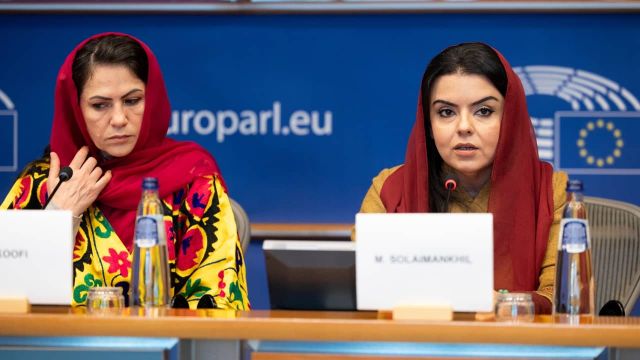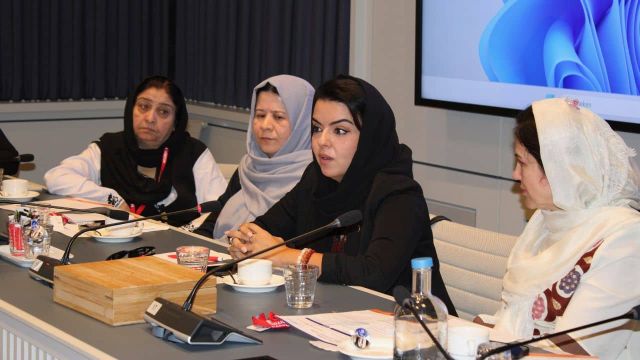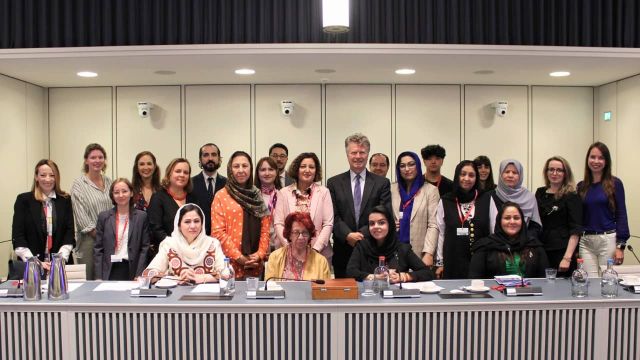



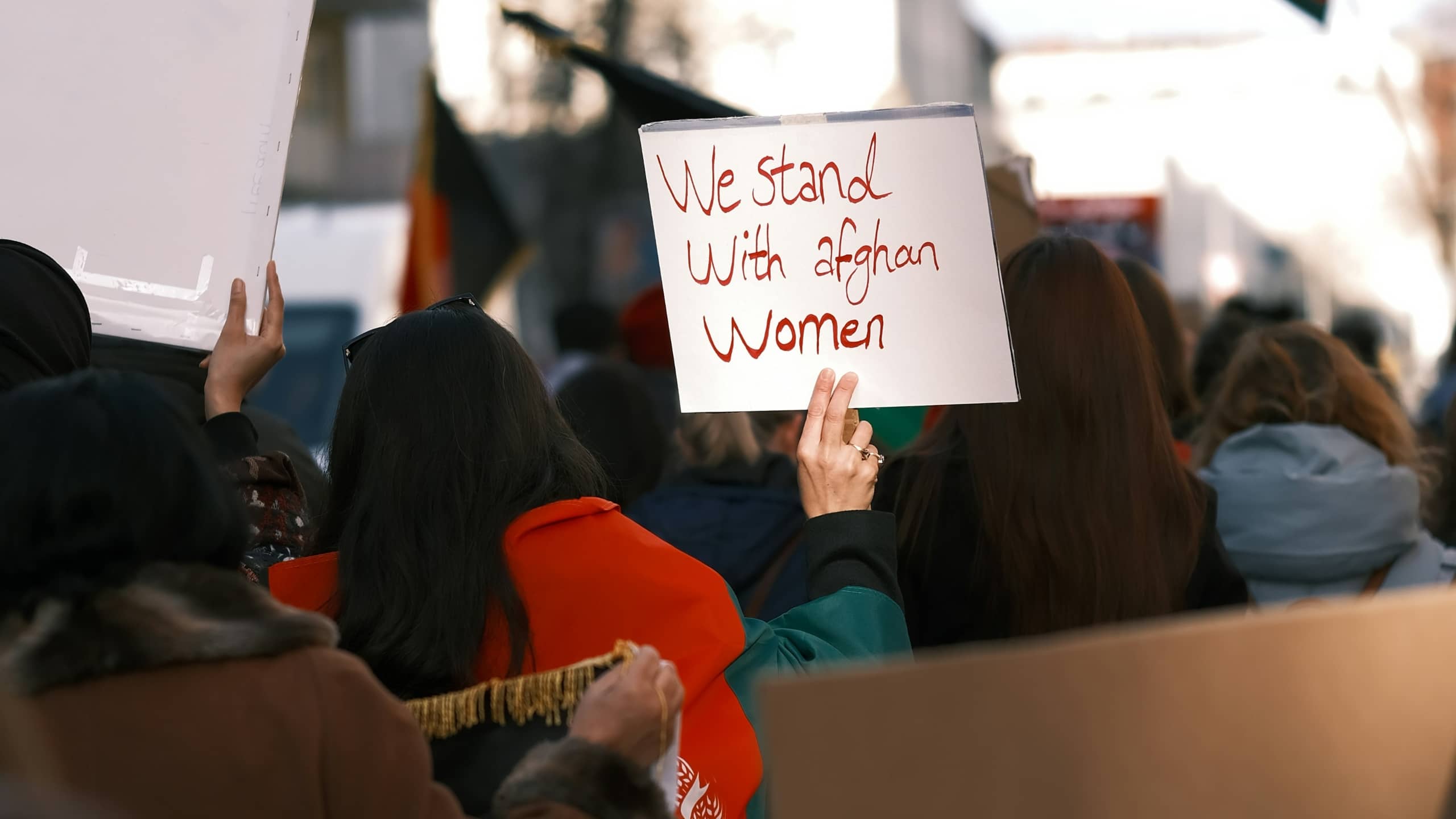
Opinion article by Hon. Mariam Solaimankhail, a Member of Parliament of Afghanistan in exile and a Member of Parliamentarians for Global Action.
There is a girl in Logar Province who has completed sixth grade three times. Her father is a doctor, and she dreams of becoming one too. She is thirsty for education and loves everything about school — her books, her classmates, the routine of preparing for class, and the feeling of learning something she did not know the day before.
However, under Taliban rule, she cannot continue to secondary school. Her father cannot bring himself to tell his daughter that her education is over, so he keeps sending her back to the last grade she is allowed to attend: sixth grade, again and again. She is becoming increasingly depressed. Her father can treat his patients, but he cannot provide his own daughter with the continued education she needs most.
In 2017, as a member of Afghanistan's parliament, I was involved in the fight to pass legislation protecting children, defining when a child legally becomes an adult, and affirming a child's rights to an identity, education, and health care. A small group of men fought us fiercely. They invoked Sharia law and feared that recognizing these protections could restrict practices such as child marriage. They even threatened male parliamentarians who stood with us women supporting the law.
We lobbied, we counted votes, alliances shifted, people argued passionately, and ultimately, the law passed. That was democracy. I remember other parliamentary sessions when two members strongly disagreed and would grow furious with each other. Hours later, I would see those same men drinking tea and laughing together. That was democracy.
On 15 August 2021, when the Taliban returned to power, we lost the political space in which we were allowed to disagree. Today, we are left with an uncomfortable question: can there be true peace without freedom?
If a girl cannot attend school, is that peace? If a woman cannot participate equally in her country, is that peace?
If an Afghan fundamentally rejects Taliban rule but has no ballot through which to change it, no parliament through which to challenge it, and no meaningful political opposition through which to organize, what peaceful avenue remains?
Peace cannot mean that one side was permitted to take power through the gun and everyone else must accept permanent political silence. We need meaningful participation, freedom of expression, rights for women, genuine political competition, and a peaceful mechanism by which Afghans themselves determine who governs them.
Twenty years ago, girls had a path to meaningful participation in their country's future. They became doctors, judges, prosecutors, journalists, entrepreneurs, police officers, and parliamentarians. I was one of those women. We heard the many commitments made by the international community on democratic principles, women's rights, and gender equality. This included the Bonn Agreement in 2001, Afghanistan's ratification of the Convention on the Elimination of All Forms of Discrimination Against Women in 2003, the Enduring Strategic Partnership Agreement with the U.S. in 2012, and the US-Afghanistan Bilateral Security Agreement in 2014.
When democracy collapsed five years ago, the Taliban stripped away our rights and all commitments, systematically excluding Afghan women and girls. Female judges and prosecutors feared the people they helped convict. Journalists feared their reporting histories. Former soldiers feared retaliation. Women activists feared repercussions. Families fled, Afghans became refugees, and a generation of women and girls in Afghanistan is suffering.
The girl in Logar is just one story of a girl waiting for peace. Her father fundamentally disagrees with the policy determining his daughter's future, but which representative can he lobby? Which candidate can he support? Which election can he use to say, "I want my daughter in school"?
This is why democracy and women's rights in Afghanistan matter beyond Afghanistan. When the rights of half a nation can be erased overnight, we see how fragile freedom can become.
The Taliban must be held accountable for their system of gender apartheid. Afghan political leaders must confront their mistakes, regional powers must answer for their interference, and the United States and its allies must take responsibility for their decisions and the commitments they left behind. Nobody should mistake the Taliban's monopoly on political power for the consent of the Afghan people.
I remember another Afghanistan. It was loud with raucous shouting across the floor of parliament and bitter fights over legislation. Then came the vote, and sometimes, tea. The next morning, we could disagree again without returning to the battlefield. That was peace. That was democracy.
Now, somewhere in Logar, a girl is still waiting for seventh grade.