



Loading...

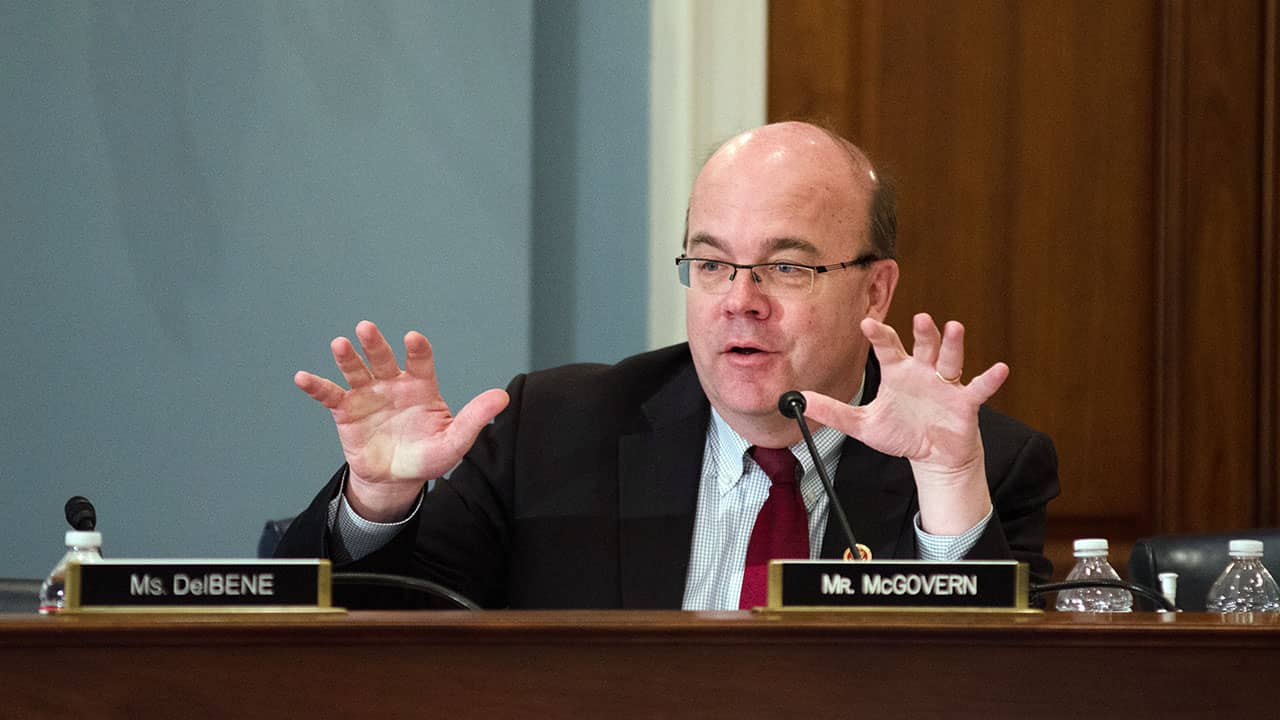
PGA member, Rep. Jim McGovern, requests information on the Trump Administration’s decision to restrict visas of International Criminal Court staff

PGA Member Rep. Jim McGovern, Co-chair of the bi-partisan Tom Lantos Human Rights Commission of the U.S. Congress
The International Criminal Court exists because far too often, countries are unable or unwilling to punish authorities responsible for terrible crimes like massacres, torture and forced disappearance. This ideologically-driven attack on the ICC is a gift to perpetrators while robbing victims – like the people of Sudan – of their hopes for justice.

The United States should assert its global leadership in promoting the rule of law and collaborate and cooperate with the ICC, not attempt to subvert it. The Administration’s policy should be reversed. Rep. Jim McGovern, Congressman (United States) & PGA Member

PGA Member Rep. Jim McGovern, Co-chair of the bi-partisan Tom Lantos Human Rights Commission of the U.S. Congress, has co-led a group of U.S. House Democrats in requesting information on the Administration’s decision to restrict visas of International Criminal Court staff.


Latest News: ROME STATUTE CAMPAIGN

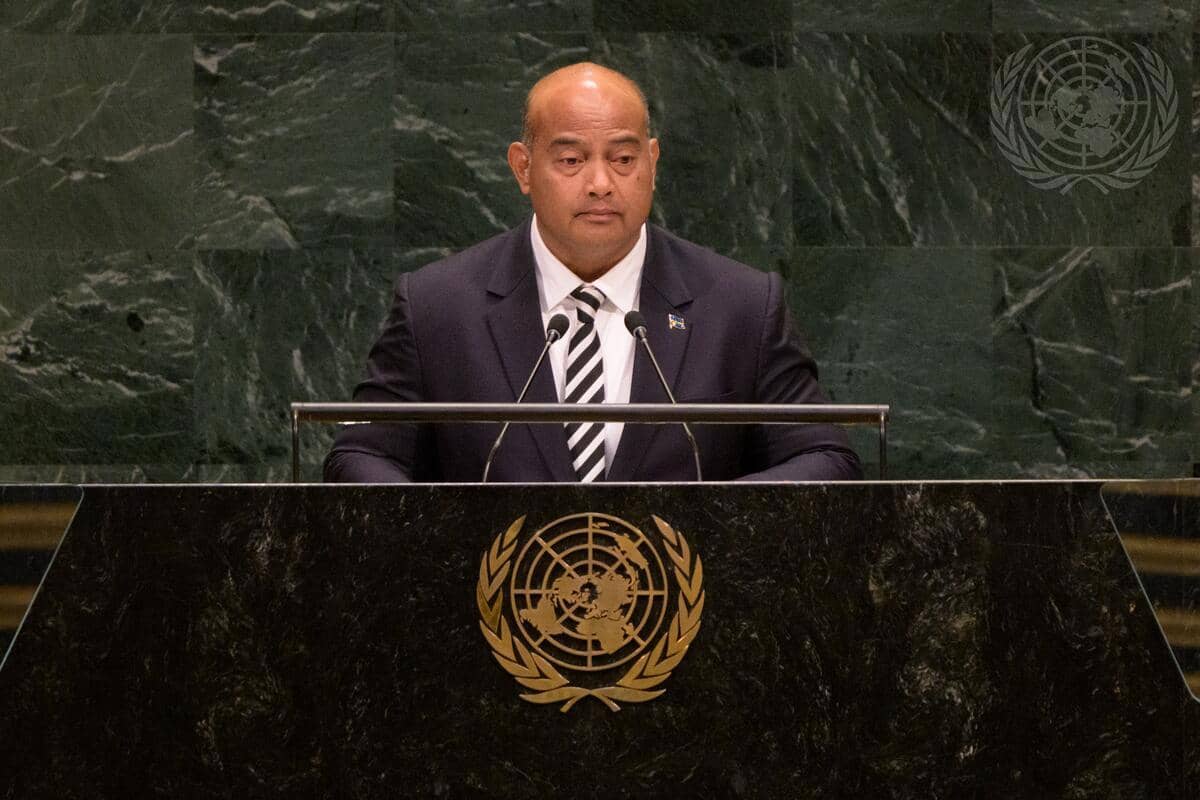
Photo credit: Parliamentarians for Global Action.

From July 7 to 9, 2025, Parliamentarians for Global Action’s executive committee participated in the special session on the review of the amendments on the crime of aggression of the Assembly of States Parties to the Rome Statute of the ICC.

Photo: The Syria Campaign

On the 27th anniversary of the adoption of the Rome Statute of the International Criminal Court, the Global Initiative Against Impunity reaffirms the essential role of international justice in upholding the international rules-based order.

Photo credit: Parliamentarians for Global Action.

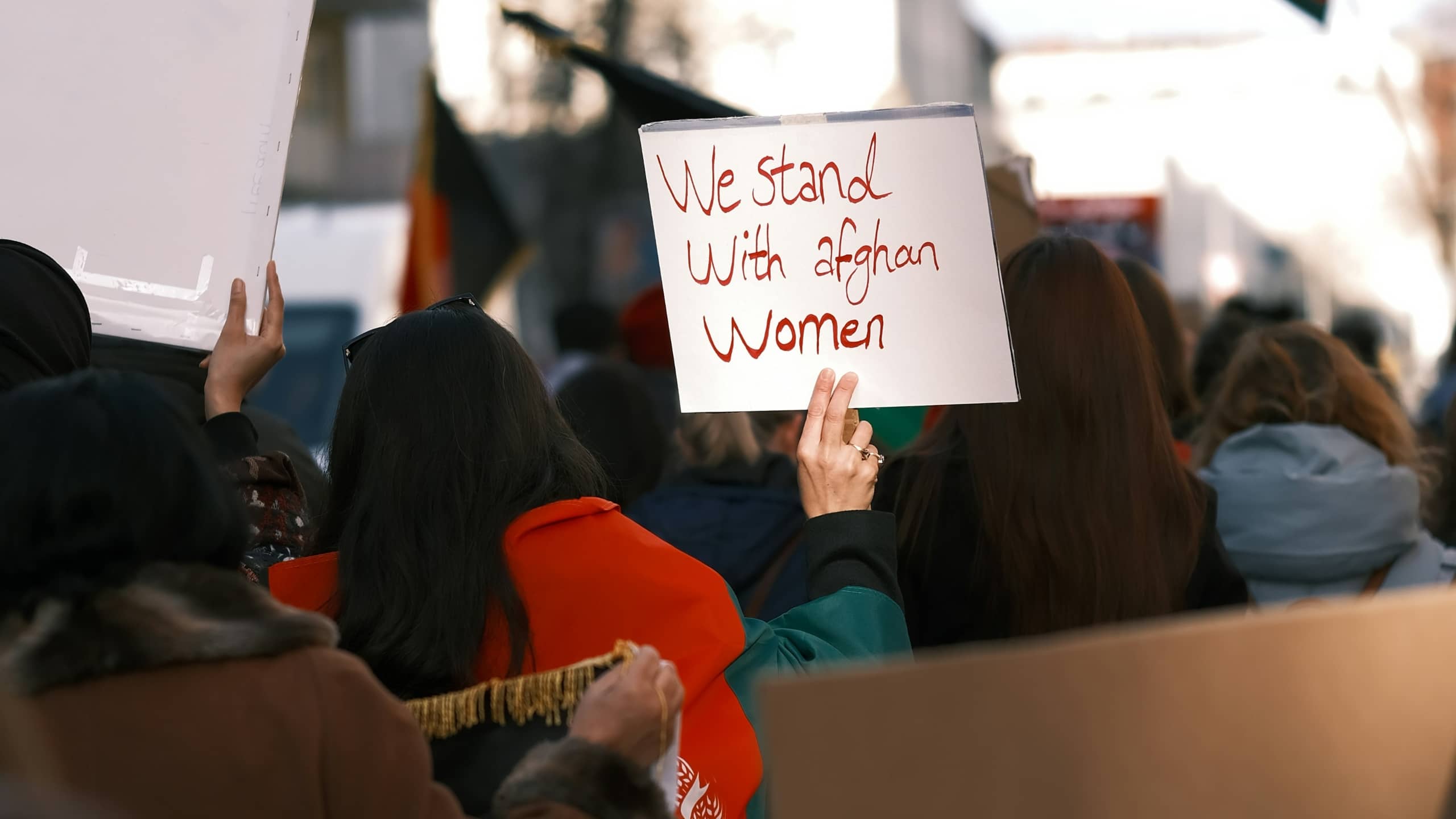
On June 19, 2025, Parliamentarians for Global Action (PGA) organized a high-level roundtable under the Global Initiative Against Impunity to foster dialogue on the need for stronger gender justice accountability in Afghanistan.

Status of the Rome Statute System as of October 2025

 
States that have ratified the Rome Statute [125]
 
States that have signed the Rome Statute but have not ratified it yet [29]
 
States that have withdrawn from the Rome Statute [2]
 
States that have neither signed nor ratified the Rome Statute
 

125 countries are States Parties to the Rome Statute of the International Criminal Court. Of these, 33 are African States, 19 are Asia-Pacific States, 20 are from Eastern Europe, 28 are from Latin American and Caribbean States, and 25 are from Western European and other States.

States that have ratified the Kampala Amendment to Article 8 of the Rome Statute on war crimes [poison and expanding bullets in NIAC] (2010) [49]
States that have ratified the Kampala Amendment to the Rome Statute on the crime of aggression reflected in Article 8 bis (entered into force on 17 July 2018) [49]
States that have ratified the Amendment to Article 124 of the Rome Statute (2015) - not yet in force [27]
States that have ratified the Amendment to Article 8 of the Rome Statute on war crimes prohibiting employing weapons the primary effect of which is to injure by fragments undetectable by x-rays in the human body (entered into force on 2 April 2020) [24]
States that have ratified the Amendment to Article 8 of the Rome Statute on war crimes [Weapons which use microbial or other biological agents, or toxins] (2017) [26]
States that have ratified the Amendment to Article 8 of the Rome Statute on war crimes [Blinding laser weapons] (entered into force on 2 April 2020) [24]
States that have ratified the Amendment to Article 8 of the Rome Statute on war crimes [Intentionally using starvation of civilians in NIAC] (adopted on 6 December 2019) - not yet in force [22]
States that have ratified the APIC [80]
States that have signed bilateral agreements with the ICC on relocation of witnesses and victim’s protection* [40]
States that have signed bilateral agreements with the ICC on enforcement of sentences* [19]
States that have signed bilateral agreements on interim release* [2]
States that have signed bilateral agreements on final release* [1]
States that have adopted at least partially domestic implementing legislations on complementarity** [71]
States that have adopted domestic implementing legislations on cooperation** [58]

*As agreements may be confidential, this data may be partial.
**By domestic implementing legislation PGA means national laws that give effect to the obligations under the Rome Statute of the ICC in the domestic legal order. States can implement the Rome Statute by adopting stand-alone legislation or by amending existing legislation (e.g. Penal Code, Code of Criminal Procedure). A few States had to amend their Constitution to align their system with the Rome Statute requirements. PGA developed expertise in all these areas of legal reform since 1999.