



Displaying 847 to 864 of 1856 items

Highlight: UN Security Council Needs A3’s Leadership on African Crises

On March 24, 2021, PGA co-organized a side event to the UN’s 65th Commission on the Status of Women (CSW) titled Women Leaders as Advocates for Equality and Inclusion of LGBTI+ Persons.
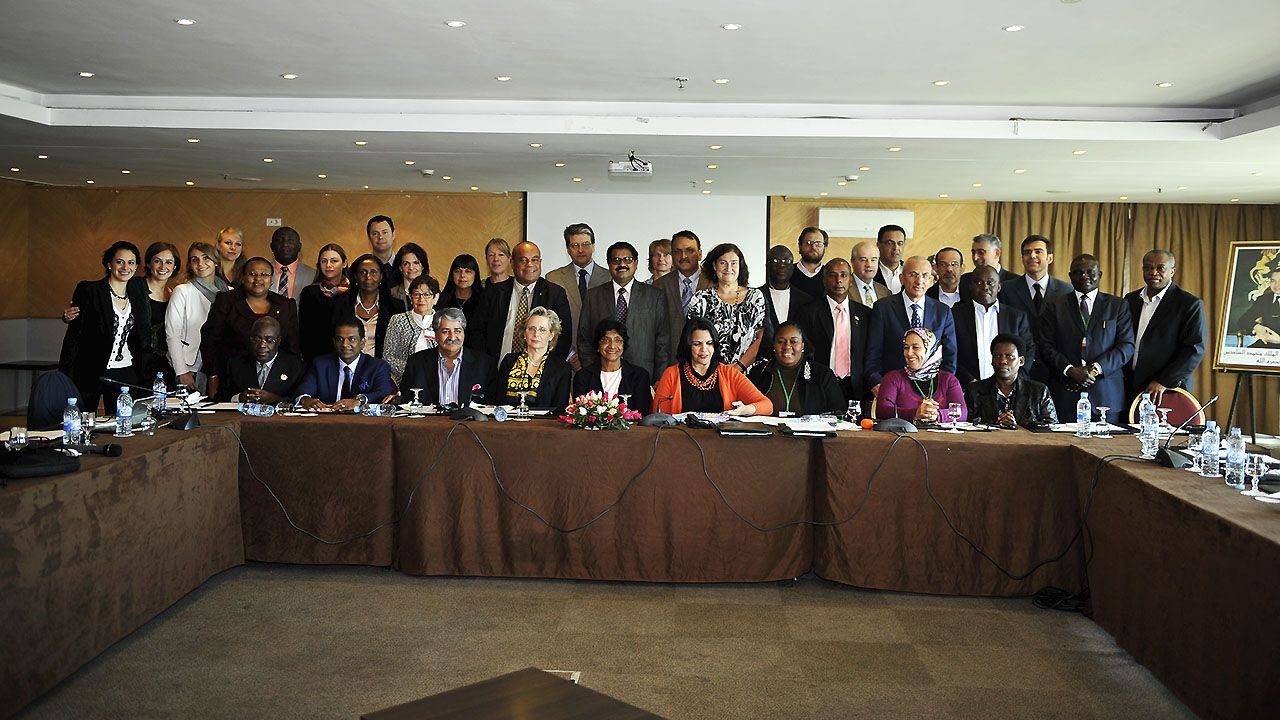
On 19 March 2021, PGA organized its International Council meeting on the Zoom platform to discuss major threats to democracy and human rights and to elect its 2021-22 Board.

The year 2020 was defined by tremendous obstacles, and many achievements! The current global health crisis requires a multilateral response.
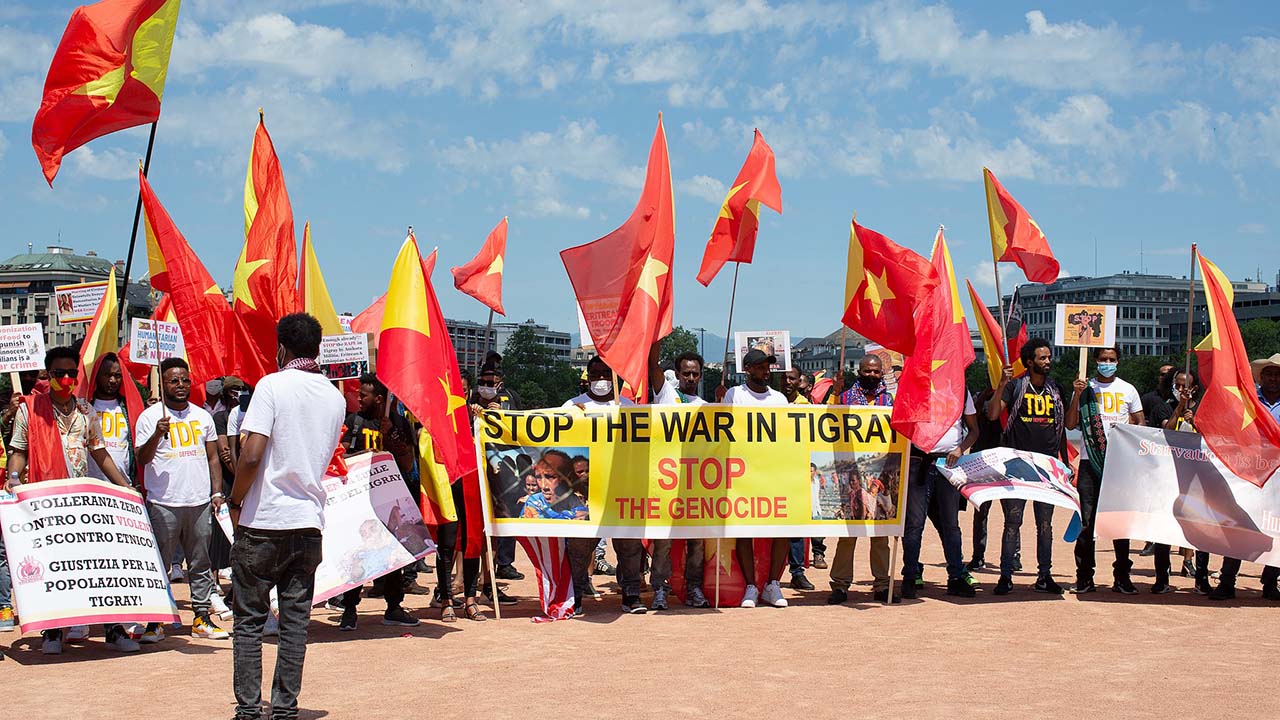
Authorities In Ethiopia Must Halt Arbitrary Arrests, Political Persecution, And Mass Killings
Hightlight: UN Security Council must act urgently, hold military in Myanmar accountable

Anita Vandenbeld addresses Canadian Parliament to mark 4 years of Senator Leila De Lima Imprisonment.
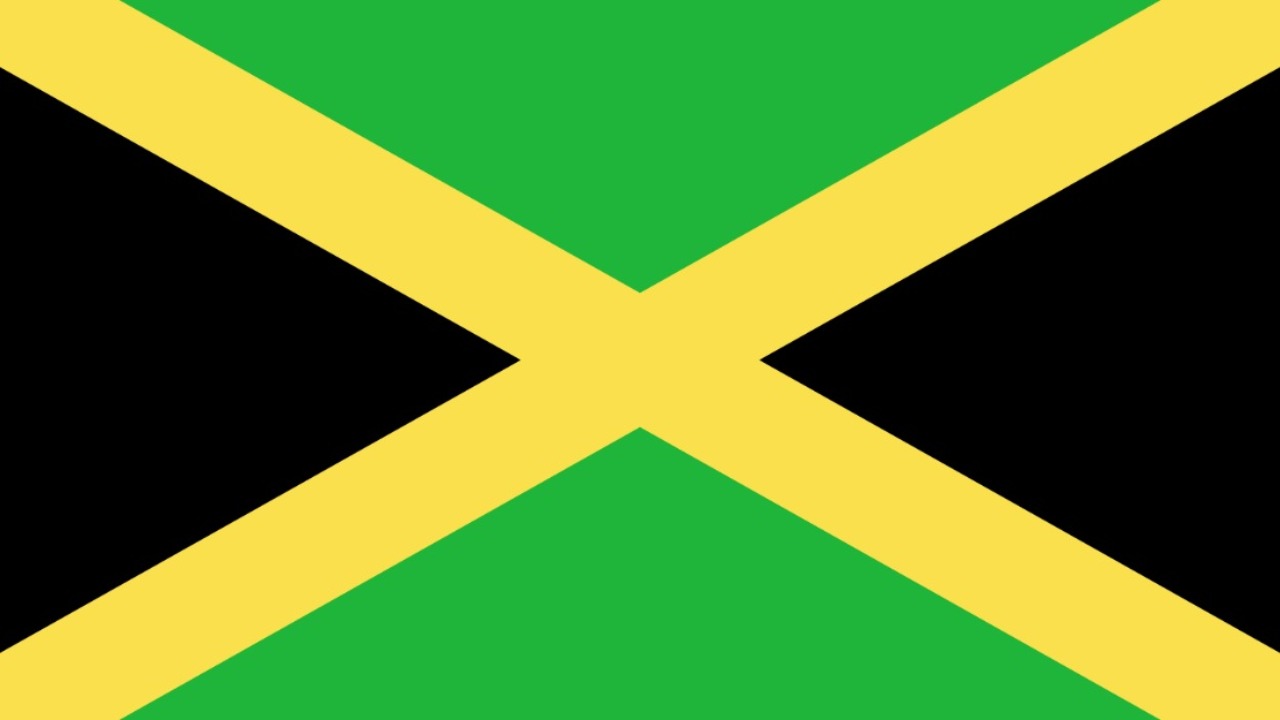
The Inter-American Commission on Human Rights has found the Jamaican government responsible for violating multiple rights of a gay man and a lesbian woman and urges an immediate repeal of the country’s homophobic laws.

Parliamentarians for Global Action and the Raoul Wallenberg Centre for Human Rights co-hosted a panel discussion on the documentary film NASRIN and how legislators can support at-risk human rights defenders.
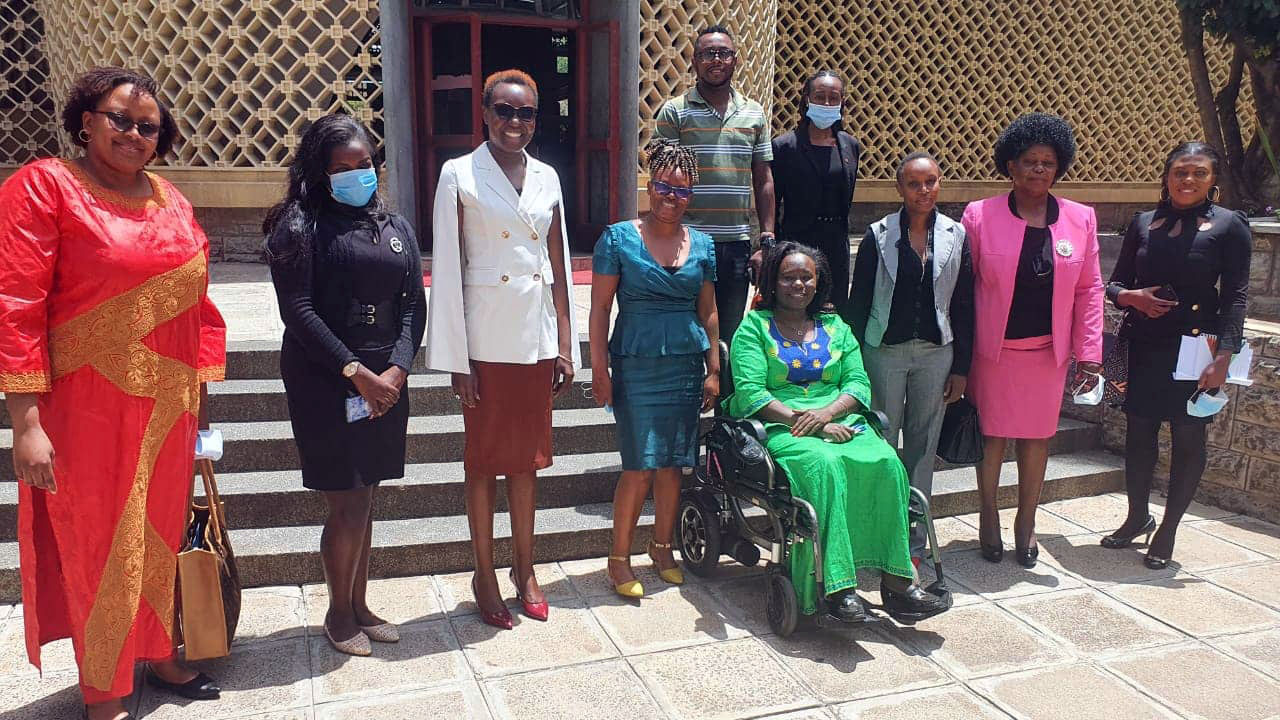
PGA facilitated a meeting between Members of Parliament of Kenya and members of Girls Not Brides’ National Partnership in Kenya
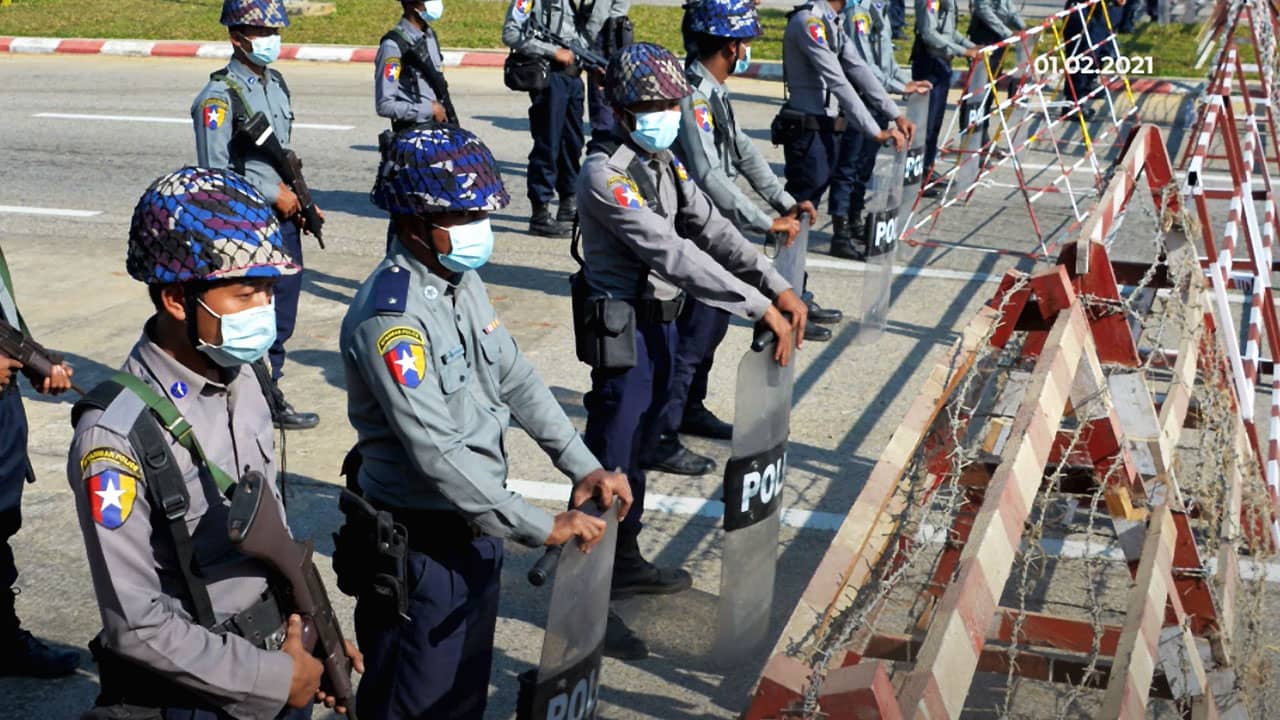
As organizations of current and former lawmakers from across the world, we stand in solidarity with the elected representatives of Myanmar's Parliament and call on the military to respect democracy...

It is with great sadness that we mark the passing of Honorable Meherzia Labidi, on 22 January 2021, at the age of 57 years old
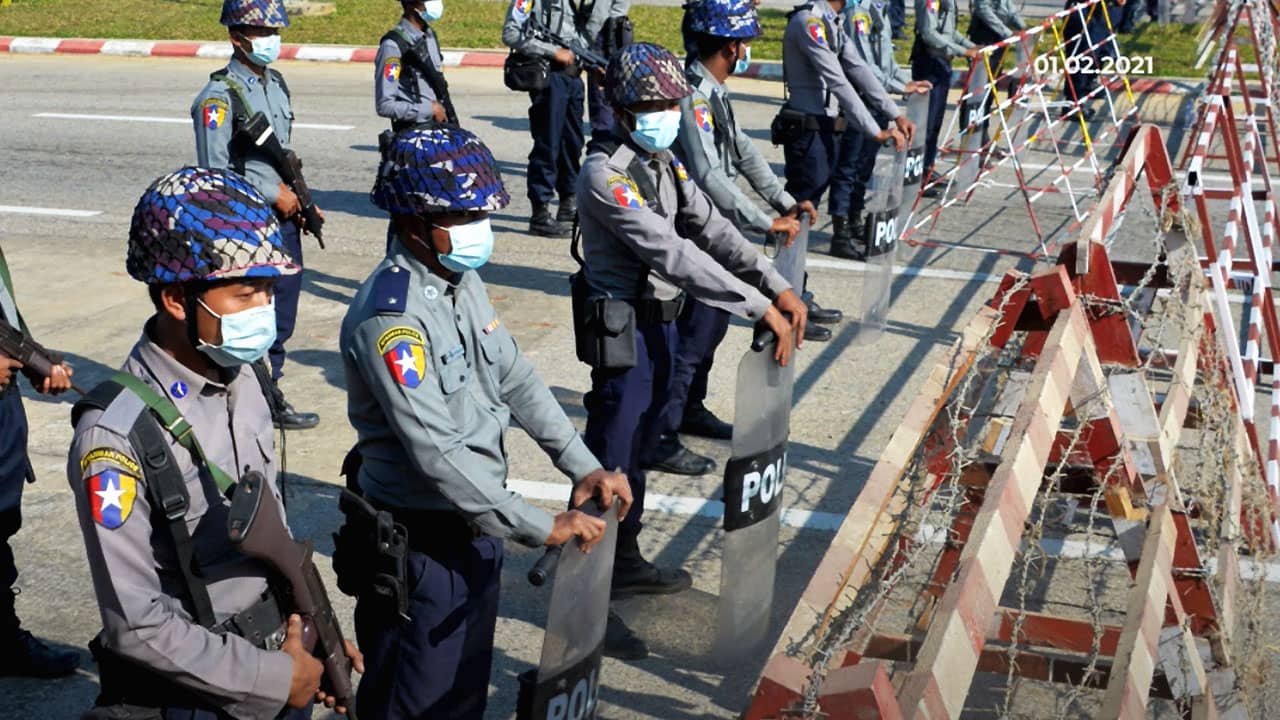
PGA strongly condemns the coup d’état that took place today in Myanmar and urges the Myanmar military "to respect the rule of law" and "release immediately all civilian leaders and others who have been detained unlawfully.”
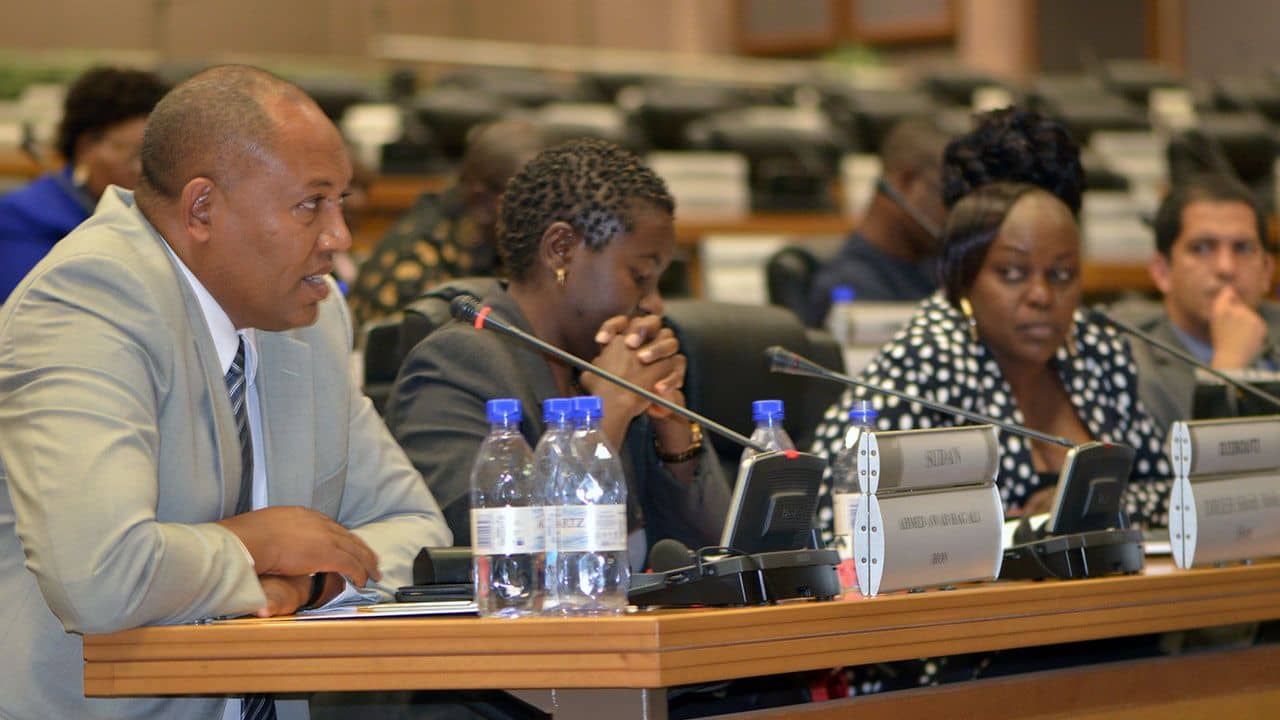
The Pan-African Parliament (PAP), also known as the African Parliament, was established in 2004. It is the legislative body of the African Union.
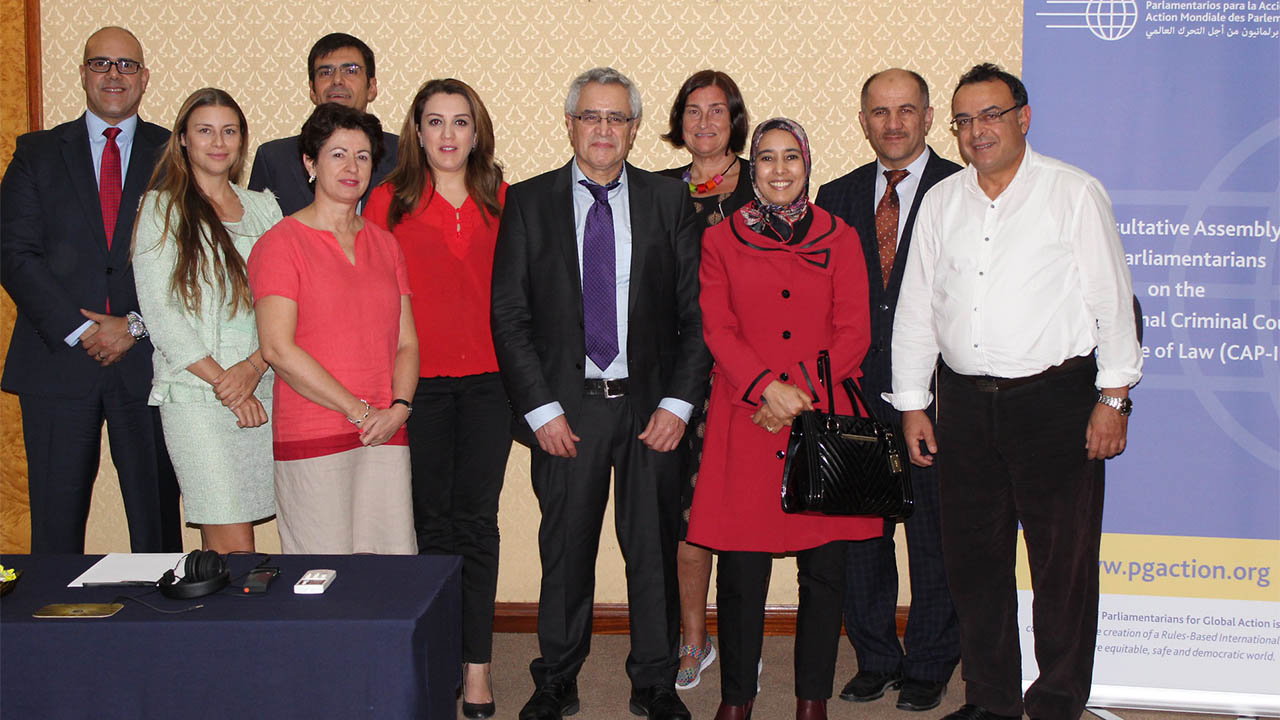
While most Governments in the Middle East and North Africa have expressed support for the ICC, few have taken the necessary steps to ratify or accede to the Rome Statute.
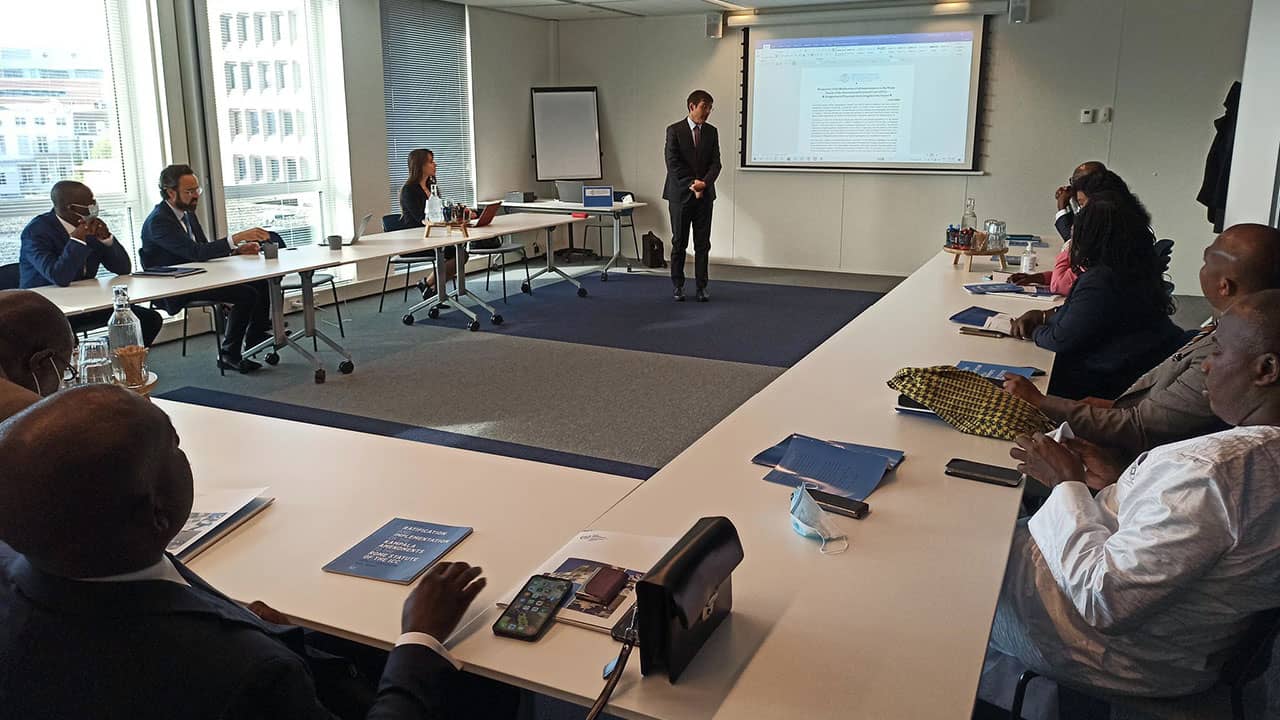
Implementation is the adoption of domestic legislation by a State to comply with the overall objective of putting “an end to impunity (…) for the most serious crimes of concern to the International Community as a whole” (cf. Preamble of the Rome Statute).
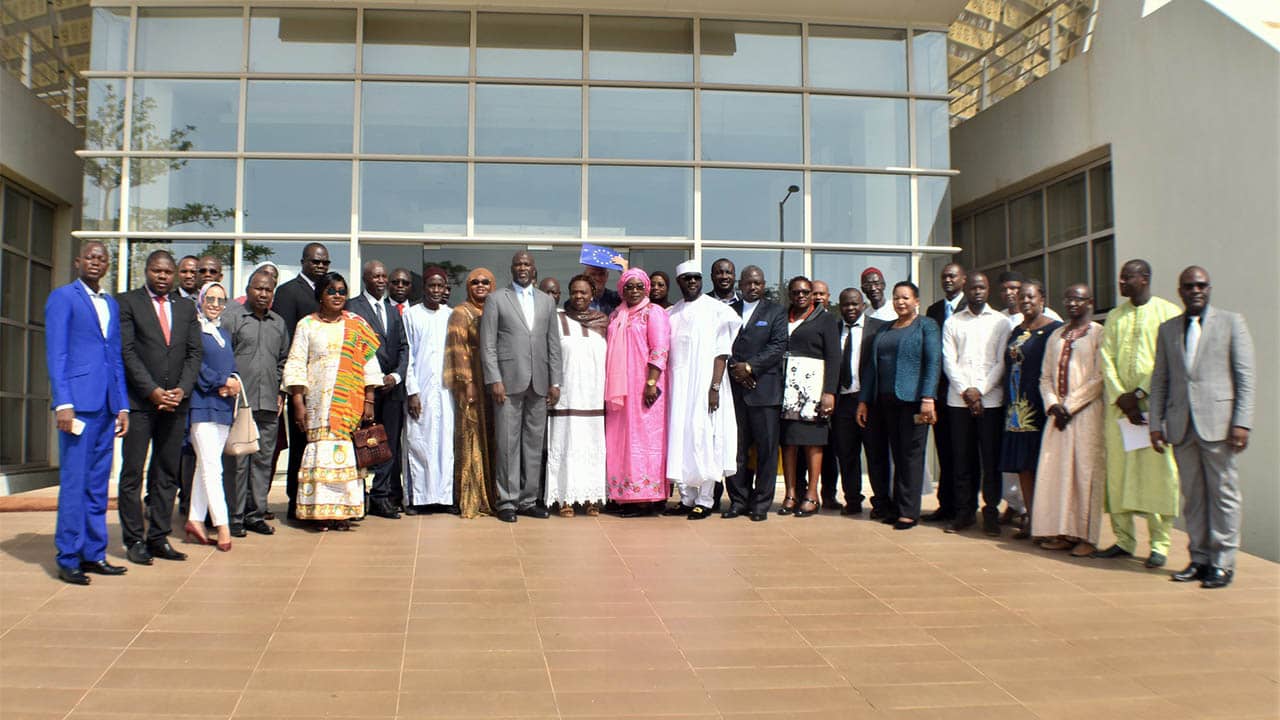
PGA members across the African continent constitute the largest segment of the PGA global membership and played a fundamental role in the national decision-making processes that led most of their countries to join the Rome Statute system.
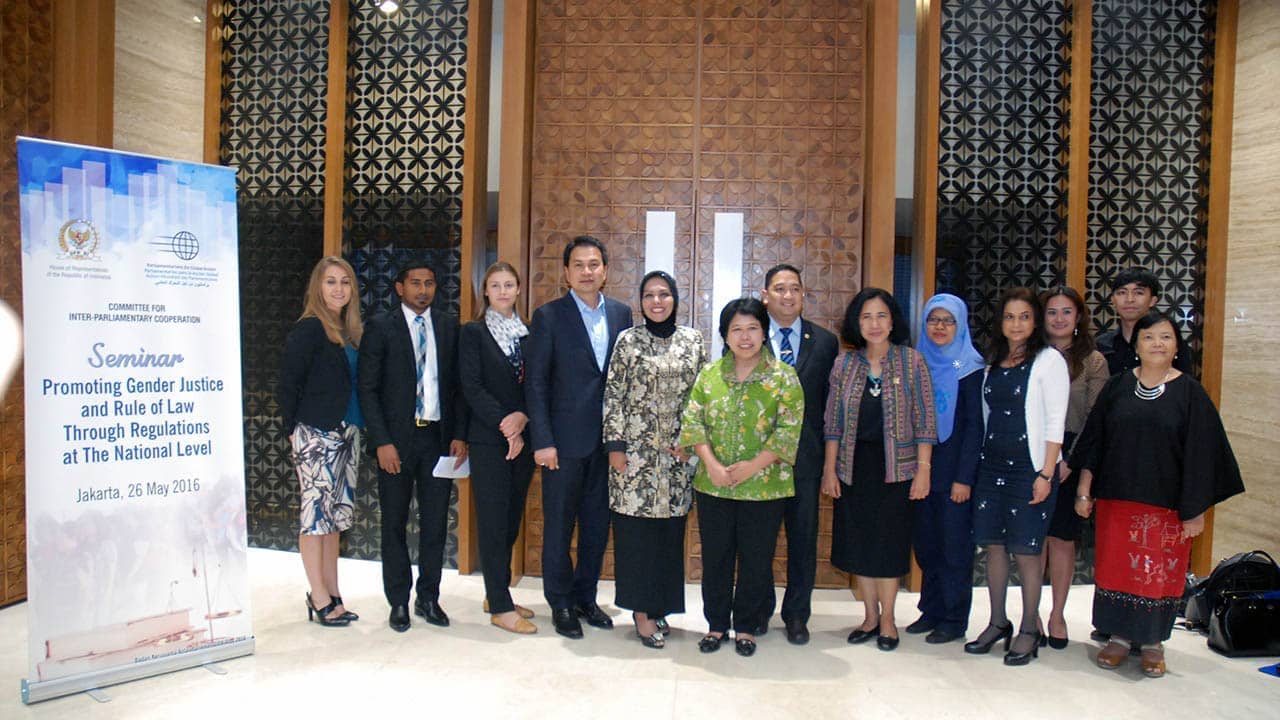
The Asia-Pacific region remains the most unrepresented one in the Rome Statute system. Even though the region is home to approximately 60% of the world’s population, only 19 out of 55 Asia-Pacific countries are represented in this membership.