



Displaying 1135 to 1152 of 1856 items
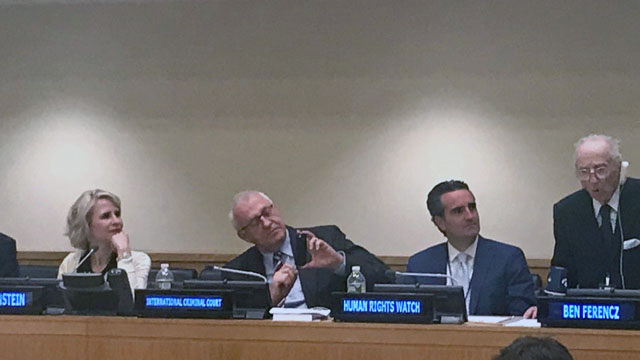
PGA co-sponsored a high-level ministerial event at the UN to celebrate the 20th anniversary of the Rome Statute, International Justice Day, and the entry into force of the Court’s jurisdiction over the crime of aggression.
On 19 June 2018, the House of Deputies of the Dominican Republic approved in first reading the Draft Bill Number 05835-2016-2020-CD on Cooperation and Relations with the ICC.
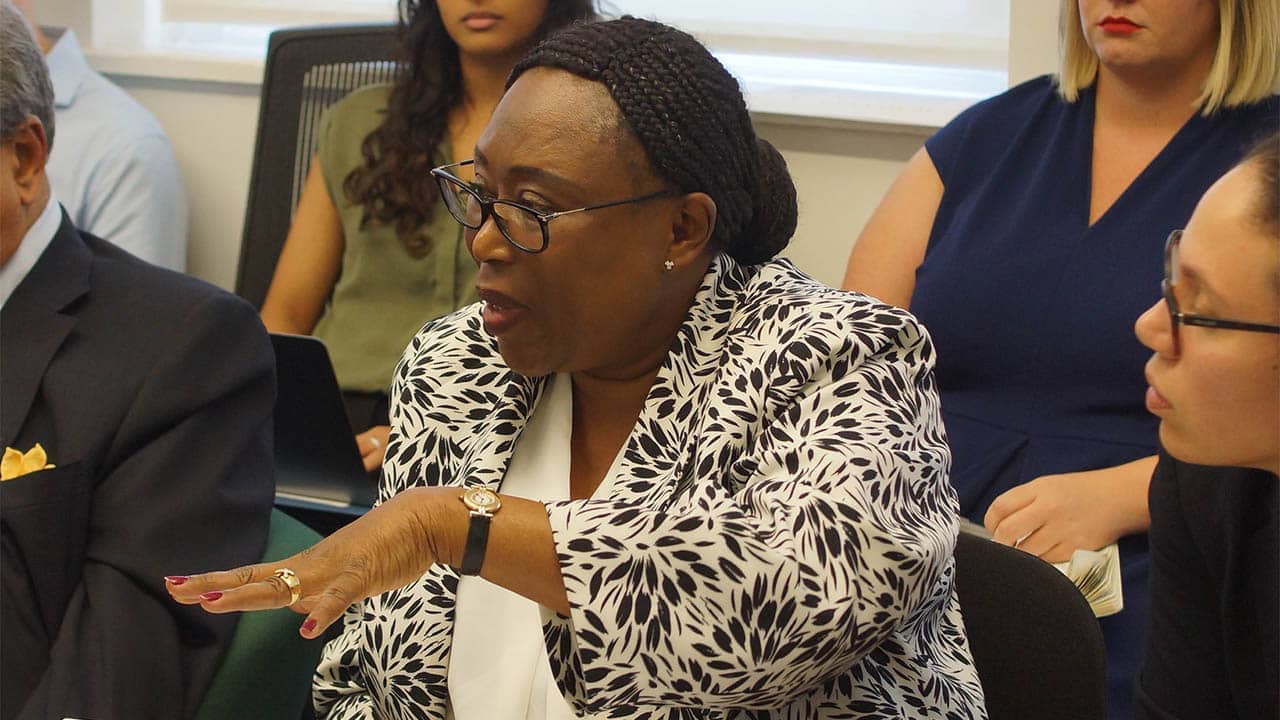
PGA Congratulates National Assembly of Central African Republic on Ratification of Biological Weapons Convention on 3rd July 2018.
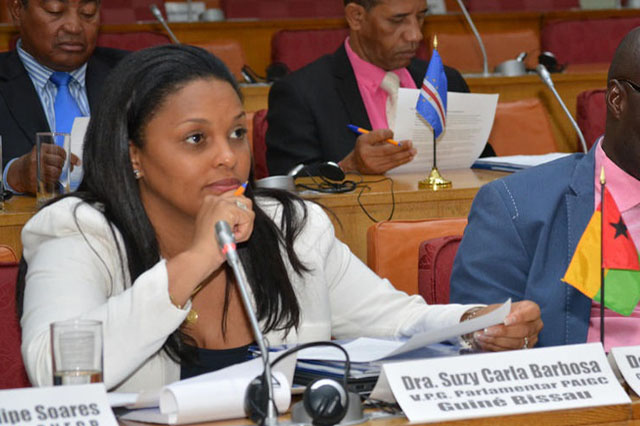
PGA wishes to congratulate the National Assembly of The Republic of Guinea Bissau, following its ratification of the Arms Trade Treaty on July 2nd, 2018.

Several groups have called for the Government to implement law reforms to end the practice of child marriage in Malaysia.
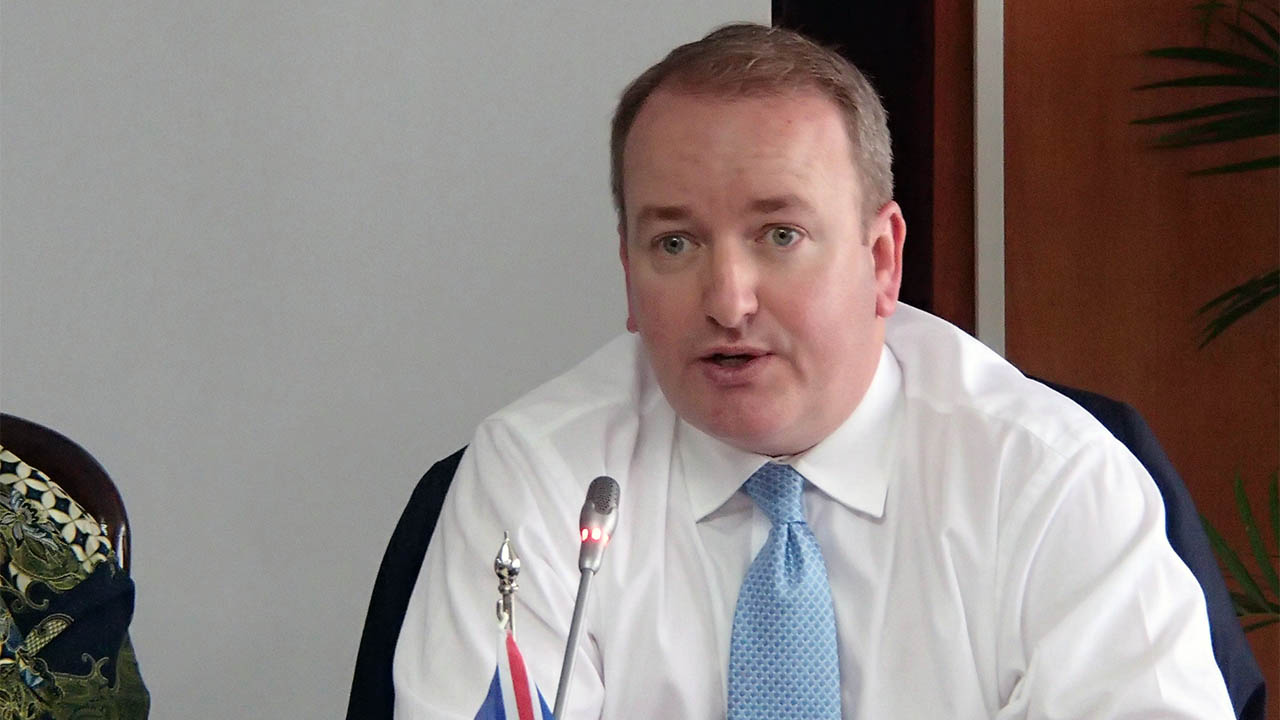
The United Kingdom is an abolitionist country, having carried out its last executions in 1964.
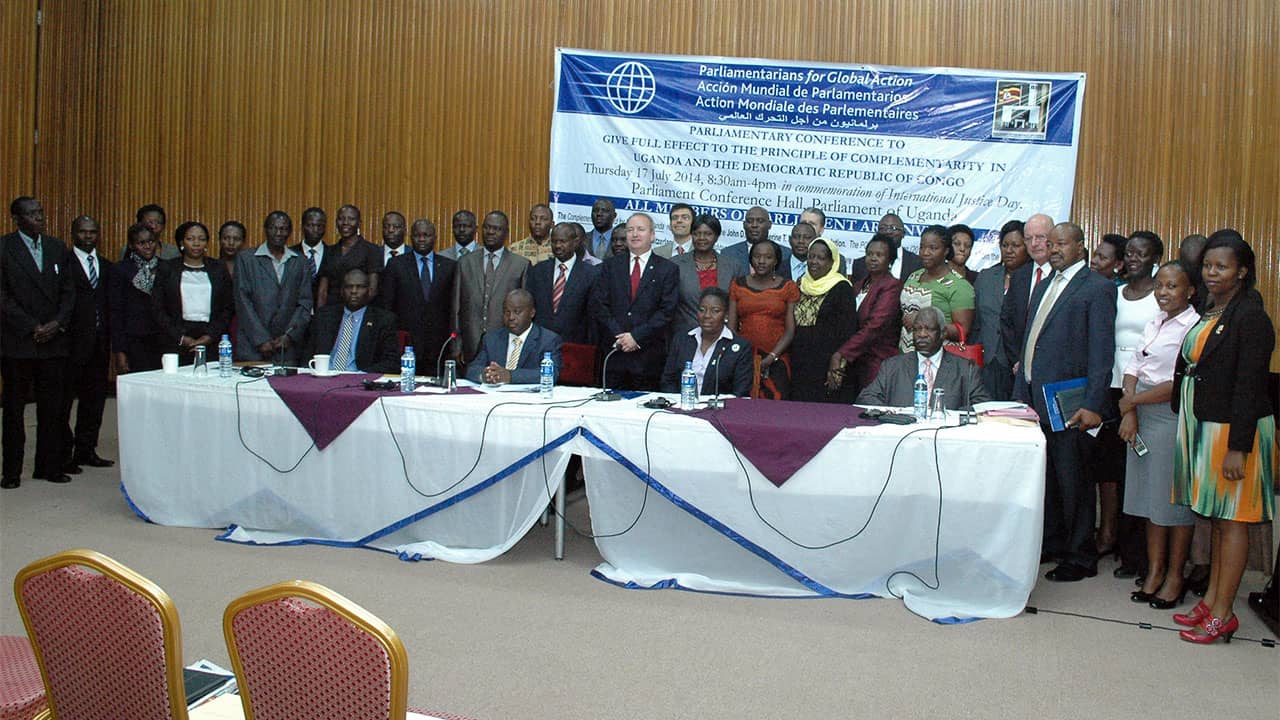
Uganda is de facto abolitionist, as the last execution took place in 2005. However, in 2017, more than 250 people remained on death row.
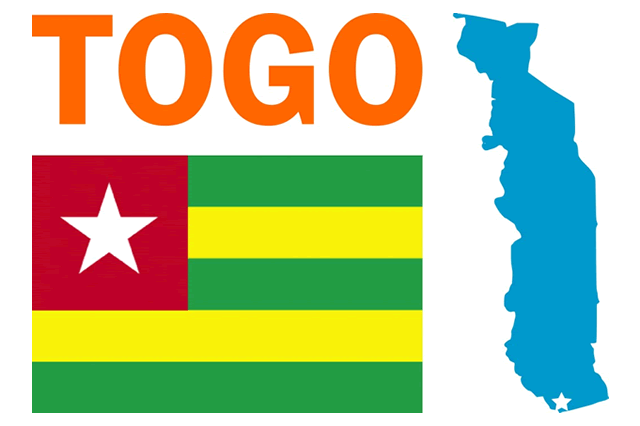
Togo is an abolitionist country since 2009, when the capital punishment was removed from the country’s Criminal Code.
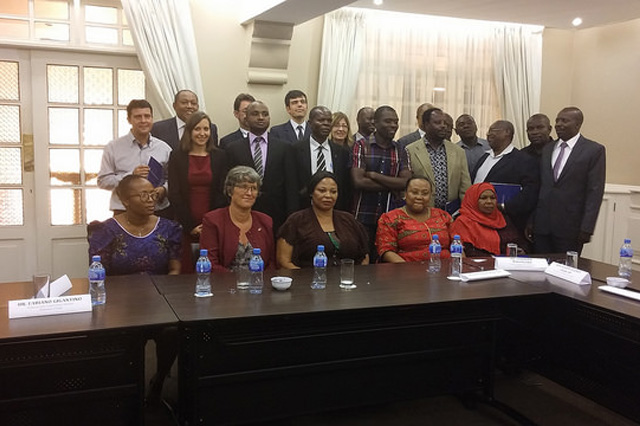
Tanzania is de facto abolitionist, having carried out its last execution in 1994. However, at least 4 individuals were still sentenced to death in 2018 in the country, while more than 500 people remained on death row.
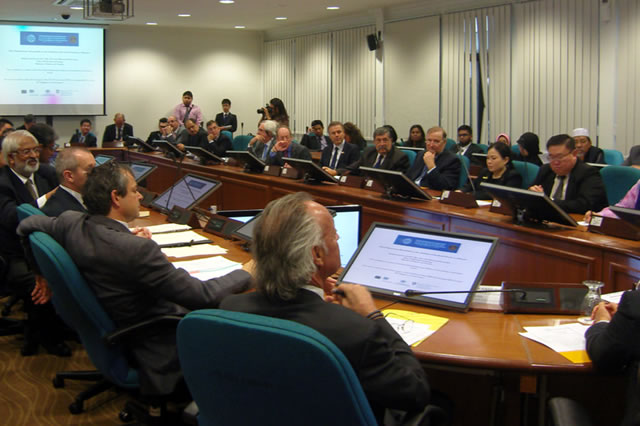
The Swiss Constitution forbids the use of the death penalty. Capital punishment was abolished in civil courts in 1942, and in military courts in 1992.

Since March 2015, Suriname is an abolitionist country. No executions had not been carried out in Suriname since 1927.
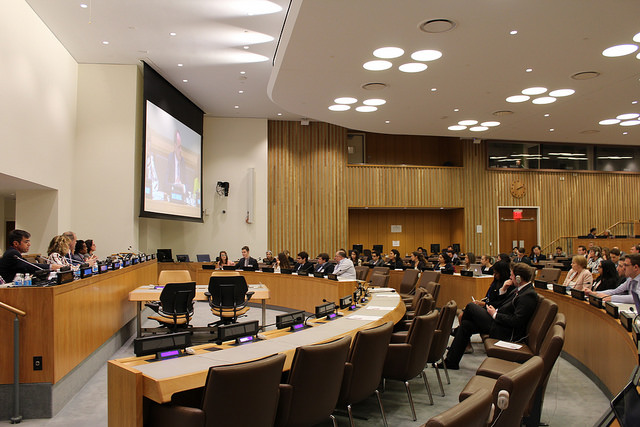
South Korea is a de facto abolitionist state, having carried out its last execution in 1997.
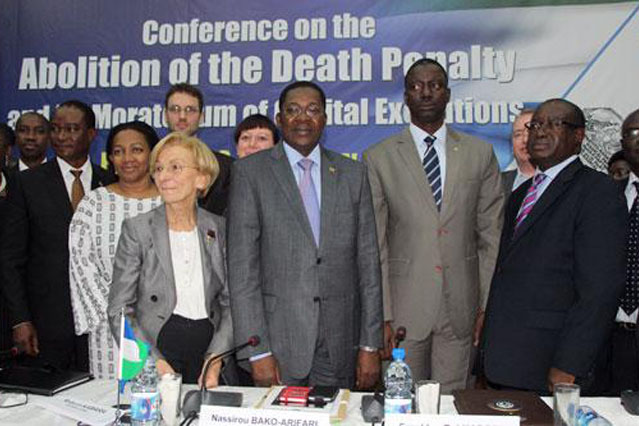
Sierra Leone is a de facto abolitionist country, having carried out its last execution in 1998.
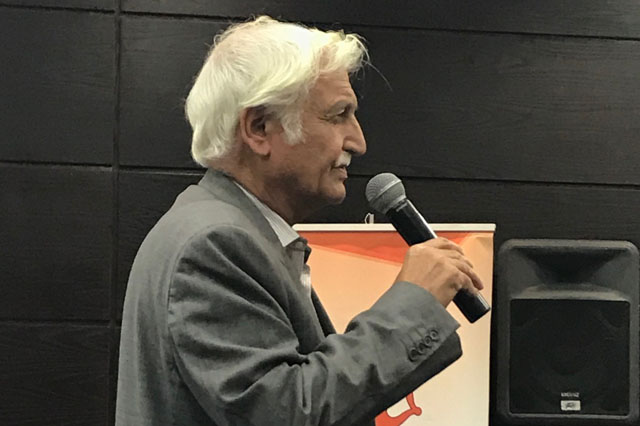
Pakistan remains a retentionist country, after it lifted its moratorium on executions in December 2014. Since then, the country has become one of the biggest executioners, with at least 14 executions carried out...
The capital punishment was fully abolished in Norway in 1979 and its abolitionist status was enshrined in the Constitution in 2014.
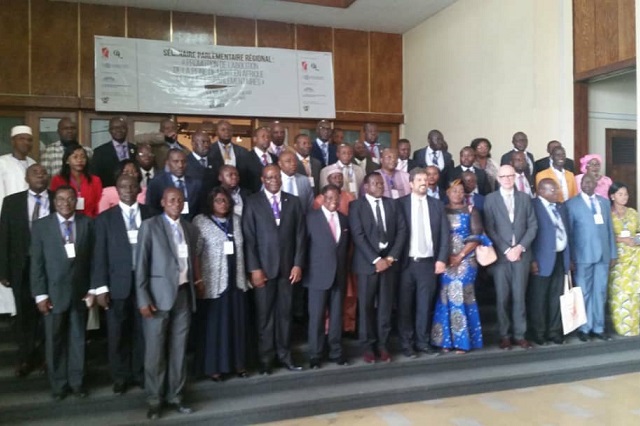
Niger is formally retentionist but has applied a moratorium since 1976. In 2018, no death sentence was handed out and it is unknown how many people remain on death row.
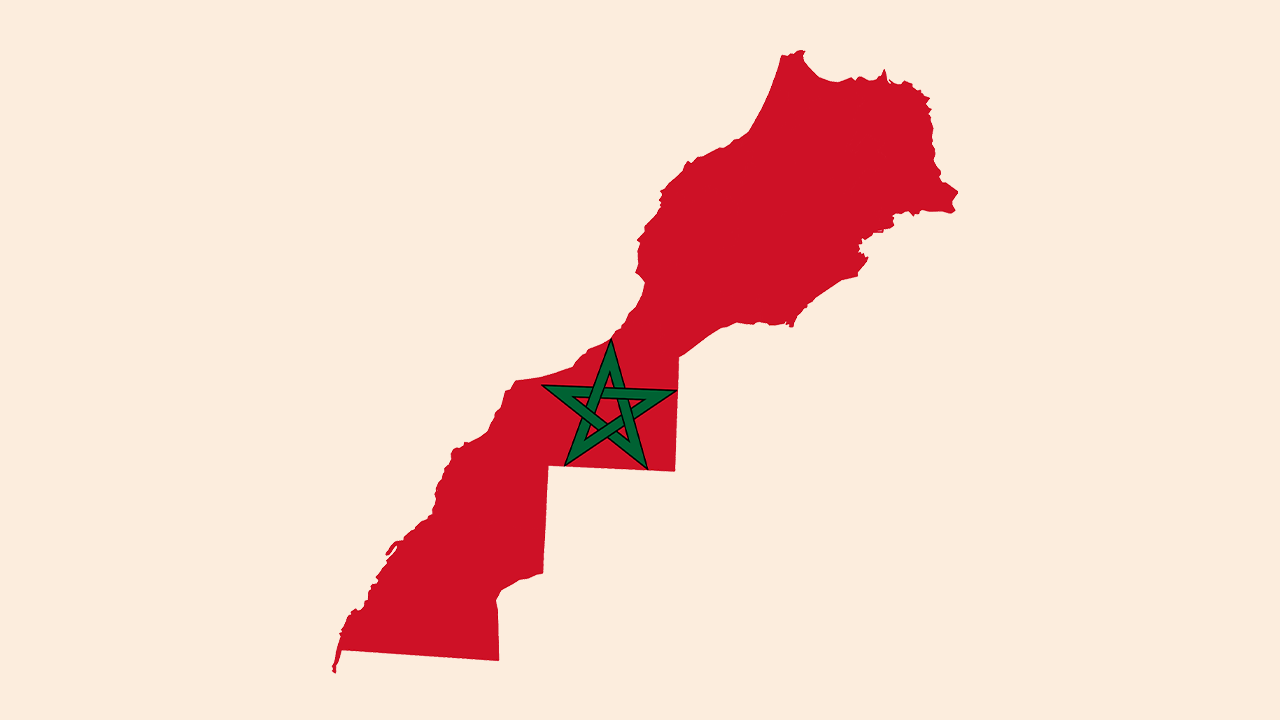
Morocco is a de facto abolitionist country, having not carried out any execution since 1993. However, the country did give out death sentences against at least 10 individuals in 2018 and more than 93 were still on death row.
Mali is formally retentionist but has applied a moratorium since 1980, although executions are reported to have occurred in territories controlled by armed groups during the 2012 crisis.