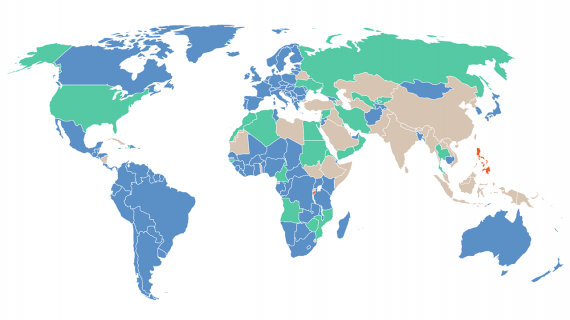




Parliamentarians in Africa and from around the world express profound concern following Niger’s notification of withdrawal from the Rome Statute of the International Criminal Court submitted to the Secretary General of the United Nations.
This decision follows the joint announcement on 22 September 2025 by Sahel countries – Niger, Mali and Burkina Faso – of their intention to leave the Rome Statute system. Niger's withdrawal process was formally set in motion on 18 June 2026, when Niger officially deposited its written instrument of withdrawal to the Secretary-General of the United Nations. In accordance with the Rome Statute, the withdrawal will take effect one year from that date. Until then, Niger remains fully bound by all its obligations in the treaty, including to fully cooperate with the Court in its investigations and prosecutions.
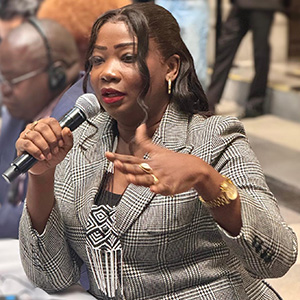
Niger’s decision inflicts a serious wound on millions of victims and survivors. Should the withdrawal proceed, victims and survivors in Niger will be left without recourse from 18 June 2027. Niger and other African States played a pivotal role in establishing the International Criminal Court. The Court represents for many their only hope for justice and reparations. We must not destroy the very shield on which victims and survivors rely to obtain justice when national systems fail.
Hon. Christelle Vuanga, MP (Democratic Republic of the Congo), Convenor of the PGA International Law and Human Rights Program
Niger has only partially incorporated the Rome Statute into its domestic law. Consequently, the country may lack the legal framework necessary to prosecute perpetrators of genocide, crimes against humanity, war crimes or the crime of aggression. Withdrawal from the Rome Statute, therefore, severely jeopardizes access to justice for potential victims and undermines the legal framework through which accountability can be pursued, representing a significant departure from the country's obligations and commitments under international criminal law and the rule of law. The risk is particularly high, as the Sahel region continues to face armed conflicts and where serious alleged crimes against civilians have been reported.
The efficiency of the Rome Statute relies on universal ratification: any withdrawal undermines global progress in the fight against impunity. Investigating and prosecuting international crimes is essential to upholding the rule of law, protecting human rights, and fostering peace and democracy. It also hinders progress in international justice, for which African countries have been instrumental, exemplified by Sierra Leone’s leadership in proposing to amend the Rome Statute to close the impunity gap by including slavery and slave trade as a crime against humanity and war crimes.
Parliamentarians for Global Action urges:
- Members of the Consultative Council for Refoundation (CCR), the transitional parliamentary organ, to call on their government to revoke the notification of withdrawal.
- Parliamentarians worldwide to call on Niger to retract its decision to withdraw from the Rome Statute.
- ICC States Parties to intensify diplomatic efforts to urge Niger to remain within the Rome Statute system.