


Loading...

Campaign for Democratic Renewal and Human Rights

The Challenge: Democracy in Decline

Increasing consensus holds that democracy is in decline globally. Elements of backsliding include progressive erosion of democratic principles, such as separation of powers, checks and balances, independence of the judiciary and equality before the law; rising perpetuation of disinformation; incremental dismantling of protections for press freedoms and weaponization of the media; and repression of vulnerable populations and minorities, including opposition members, journalists, human rights defenders and legal professionals.

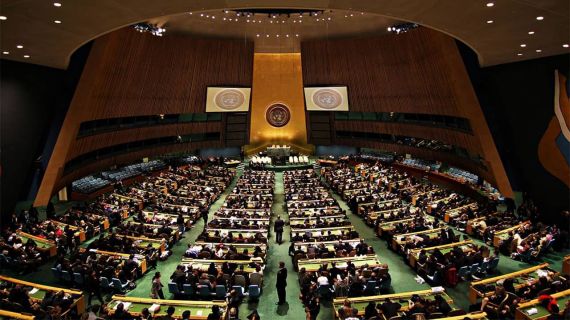
As human rights abuses amass, democratic practices are abandoned, and justice retreats, parliamentarians are on the frontlines. Members of parliament (MPs) have the mandate and responsibility to stand against these dangerous trends. As representatives of the democratic branch closest to citizens, legislators can resist attacks on democracy, shape national agendas, resist executive incursions, and work with civil society to preserve civic and political space.

However, parliamentarians themselves are increasingly at risk in contexts of democratic backsliding. A recent surge of assaults to democracy and civic space often entails attacks on MPs’ physical integrity and psychological wellbeing.

The Response: The Campaign for Democratic Renewal and Human Rights

The annual Freedom House “Freedom in the World” report found 2018 to be the thirteenth consecutive year of deteriorating freedoms across the globe. The crisis has “touched all parts of the world.” Similar reports from a variety of sources reinforce “a drumbeat coming from commentators across the globe: democracy as a global phenomenon is under threat.” Recognizing the urgent menace, PGA inaugurated its Campaign for Democratic Renewal and Human Rights in November 2018.

The campaign underpins work in all of PGA’s programmatic areas and is central to the realization of Sustainable Development Goal (SDG) 16, which commits governments to providing access to justice for all and building effective, accountable and inclusive institutions at all levels. PGA maintains that democratic governance is both a means to this end and an end in itself. Through their representative, legislative, and oversight functions, parliamentarians are critical to achieving this objective. As the UN notes, “SDG 16 is critical for parliaments and parliaments are critical for SDG 16.”

PGA’s Democratic Renewal Campaign comprises three pillars:


  Pillar I: The Parliamentary Rapid Response Team (PARRT)

In the face of the scale, complexity, and ever-evolving nature of the threats against them, MPs must now act to support democracy and one another. PGA has assembled the Parliamentary Rapid Response Team (PARRT) as “first responders” in cases of urgent action. This unique cohort can respond nimbly, intervening when parliamentarians and human rights defenders are at risk.

On 22 May 2020, PGA launched the PARRT. Please contact the PGA Secretariat to nominate MPs for the PARRT or sign up for urgent action alerts.

  Pillar II: The Global Parliamentary Code of Democratic Conduct

Recent years have seen a progressive deterioration in the integrity of political discourse, including a decline in the trustworthiness of information and a rise in “dangerous speech” that increases the risk of violence. PGA has developed a credible mechanism to hold parliamentarians accountable for their speech, commit themselves to demand dialogue respectful of all, and refrain from disinformation.

On 19 March 2021, during its International Council Meeting, Parliamentarians for Global Action launched the Second Pillar of the Democratic Renewal and Human Rights Campaign - the “Global Parliamentary Code of Democratic Conduct”

  Pillar III: The Parliamentary Toolbox for Democracy Defense
Threats to democracy are not new, but contemporary challenges are more nuanced and complex than in previous phases of backsliding. To empower MPs in this fight, PGA is compiling existing resources and creating new tools to help parliamentarians to detect and combat the early warning signs of democratic decline and propose pro-rights alternatives.

Publication

DRHR Campaign One-Pager

DRHR Campaign One-Pager

Democratic Renewal and Human Rights Campaign

Description

Increasing consensus holds that democracy is in decline globally. Elements of backsliding include progressive erosion of democratic principles, such as the separation of powers, checks and balances, independence of the judiciary and equality before the law; rising perpetuation of disinformation; incremental dismantling of protections for press freedoms and weaponization of the media; and repression of vulnerable populations and minorities, including opposition members, journalists, human rights defenders and legal professionals.

PDF(s)

Additional Details

  • Publication Type: One-Pager
  • Publication Date: 2023
  • Author(s): PGA

DRHR campaign achievements

Democracy in Action: The Vital Role of Parliaments

Democracy in Action: The Vital Role of Parliaments

We reaffirm our unwavering commitment to strengthening democratic institutions, defending human rights, and promoting inclusive governance

On this International Day of Parliamentarism, celebrated every year on June 30, Parliamentarians for Global Action reaffirms our unwavering commitment to strengthening democratic institutions, defending human rights, and promoting inclusive governance.  As a global, cross-party network of committed legislators, we believe that democracy is not only a goal but an ongoing process that must be continually renewed, protected, and deepened. It is through active, transparent, and accountable parliaments that the will of the people is translated into laws, oversight, and meaningful public policy. At our last Annual Forum in Pakistan, parliamentarians from every region reaffirmed that democracy must be safeguarded through action, not just aspiration. On this International Day of Parliamentarism, we renew our collective resolve to build inclusive, accountable, and rights-based institutions that truly serve the people." Hon. Naveed Qamar, MP (Pakistan), President, Parliamentarians for Global Action Parliamentarians for Global Action remains dedicated to equipping parliamentarians with the tools, knowledge, and global solidarity needed to uphold democratic values and advance justice, equality, and peace. As a network that champions inclusive leadership, we actively support efforts to ensure that women and gender-diverse voices are fully represented and empowered at every level of decision-making. Achieving gender equality in parliaments is not only a matter of representation, it is essential to building laws and policies that reflect the realities of all people. Societies thrive when people are empowered to contribute, engage, and hold power to account, regardless of background, identity, or belief. Today’s observance underscores that the legitimacy of democratic systems depends on the full and equal participation of all members of society. Together with civil society organizations and partners around the world, we will continue working to ensure that parliaments remain strongholds of democracy and engines of positive change for all.  

Parliamentarians: Drivers of Equality for Women and Girls

Parliamentarians: Drivers of Equality for Women and Girls

International Women’s Day (IWD), under the theme “For ALL women and girls: Rights. Equality. Empowerment”, is an opportunity to assess progress towards fulfilling women and girls’ rights and the challenges many of them still face worldwide.

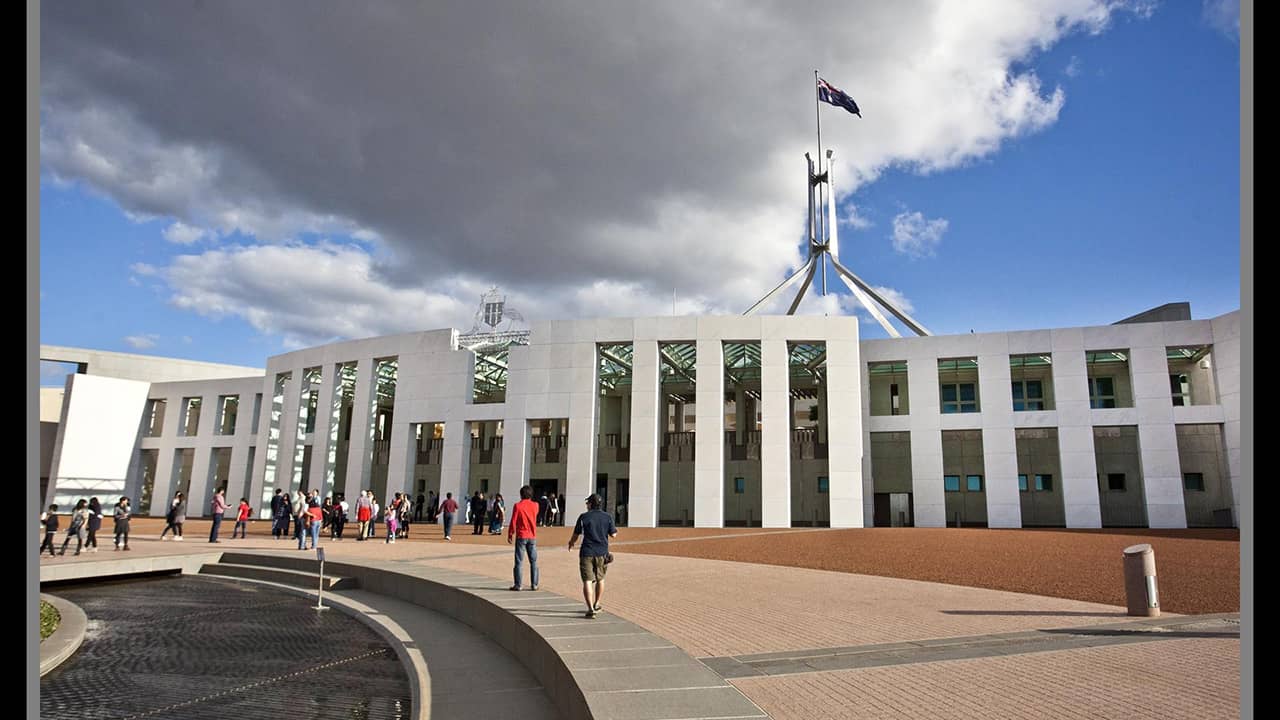
International Women’s Day (IWD), under the theme “For ALL women and girls: Rights. Equality. Empowerment”, is an opportunity to assess progress towards fulfilling women and girls’ rights and the challenges many of them still face worldwide. This year, we celebrate the 30th anniversary of the adoption of the Beijing Declaration and Platform for Action, which includes as one of its goals the removal of “[…] all obstacles to women’s active participation in all spheres of public and private life through a full and equal share in economic, social, cultural and political decision-making. […].” Today, achieving gender equality remains critical to achieving peaceful, just, inclusive, and sustainable societies. Although the gender gap in education is narrowing, currently, “no country has all relevant laws to prohibit discrimination, prevent gender-based violence, uphold equal rights in marriage and divorce, guarantee equal pay, and provide full access to sexual and reproductive health.” Therefore, with just five years left to achieve the UN Sustainable Development Goals, executing the theme is tantamount to “leaving no one behind.” This year’s theme resonates deeply with the plight of Afghan women and girls who, for more than three years since the Taliban’s return to power, have been courageously fighting to reclaim their dignity and fundamental freedoms. The Taliban has systemically institutionalized gender discrimination through a series of edicts aimed at controlling every aspect of women’s lives, bodies, and voices while dictating women’s behavior according to their rules, including barring them from secondary and higher-level education, employment, political participation, and equal access to healthcare. All of these actions are done in blatant violation of Afghanistan’s obligations as a party to international human rights treaties. This reality is causing profound and lasting distress for Afghan women and girls, who, unable to exercise their most fundamental rights, feel that the international community has left them behind. Survivor-centered and gender-responsive approaches to justice are critical to ending impunity. Efforts to prosecute the crimes before the International Criminal Court (ICC) and hold Afghanistan accountable for such human rights violations by the International Court of Justice (ICJ) represent a crucial avenue for justice and reparation for millions of Afghan victims. Furthermore, the ongoing initiative to adopt an international convention to prevent and punish crimes against humanity and to include the recognition of the crime of gender apartheid presents a key opportunity to strengthen global mechanisms. We must end the systematic and structural war against women in Afghanistan, and recognize the crime of gender apartheid under international and national laws. Afghan women are not just fighting for themselves; we are fighting for justice and lasting peace for women everywhere. For all women and girls to be able to exercise their rights, we demand gender justice, equal rights, and empowerment. Hon. Fawzia Koofi, Member of Afghanistan’s Parliament in Exile and Recipient of PGA’s 2024 Defender of Democracy Award The Taliban’s policies are not just designed to erase women from society—they are a systematic attempt to eliminate women’s existence as free and equal human beings. By criminalizing their voices, stripping them of their rights, and enforcing brutal oppression, the Taliban have institutionalized gender apartheid. Yet, Afghan women refuse to be silenced. They resist, they fight, and they bear unimaginable risks—arrest, torture, and execution—because their freedom is non-negotiable. The international community must do more than condemn; it must take decisive action to hold the Taliban accountable and ensure Afghan women are at the forefront of political and justice processes. Hon. Mariam Solaimankhil, Member of Afghanistan’s Parliament in Exile and PGA Member “For ALL women and girls” demands action in three areas: (1) advancing women’s and girls’ human rights and challenging violence and discrimination; (2) promoting gender equality by addressing systemic barriers, dismantling patriarchy, and transforming entrenched inequities; and (3) fostering empowerment by ensuring inclusive access to education, employment, leadership, and decision-making spaces. Parliamentarians are fundamental to making strides in these action areas. As citizens’ representatives, they have opportunities to shape national agendas, work with civil society to preserve the civic space, and ensure that their legal systems respect equality, inclusion, and justice. Member-parliamentarians of PGA are championing the rights, equality, and empowerment of women and girls globally. In Belize, parliamentarians succeeded in raising the legal age for marriage, strengthening the protections for children. Raising the minimum age of marriage to 18 is a critical step toward ensuring gender equality in Belize. By ending child marriage, we are protecting the rights of girls, empowering them to pursue education and opportunities, and breaking cycles of poverty and inequality. This decision reaffirms our commitment to building a future where every girl has the chance to reach her full potential, free from coercion and discrimination. Hon. Valerie Woods, Speaker of the House of Representatives of Belize and PGA Executive Board Member In Argentina, parliamentarians took steps to increase the political participation of women in public institutions. Ensuring equal representation in politics is fundamental to establishing a strong democracy. In Argentina, we have made significant progress with gender parity laws, but true equality requires ongoing commitment. We must continue strengthening policies that empower women to run for office, participate in decision-making, and shape the future of our country. A Congress that reflects the voices of its entire people is a Congress that delivers better outcomes for everyone. Dip. Margarita Stolbizer, Member of Parliament of Argentina and PGA Executive Board Member In Uganda, parliamentarians are challenging rising homophobia, recognizing that gender inclusion also means lesbian, bisexual, transgender, and intersex women’s inclusion. Rising homophobia threatens the fundamental principles of human rights, dignity, and equality for all Ugandans. No one should live in fear because of who they are or whom they love. As leaders, we have a duty to uphold justice and protect every citizen from discrimination and violence. A society that respects diversity is stronger. We must stand against hate and work towards a country where everyone is treated with fairness, respect, and humanity. Hon. Fox Odoi, Chairperson of the Human Rights Committee of Uganda and PGA Executive Board Member

Parliamentary Rapid Response Team raises alarm on violations of Human Rights of Members of Parliament in Bangladesh

Parliamentary Rapid Response Team raises alarm on violations of Human Rights of Members of Parliament in Bangladesh

Government representatives and relevant authorities must respect their human rights and rights to a fair trial and due process.

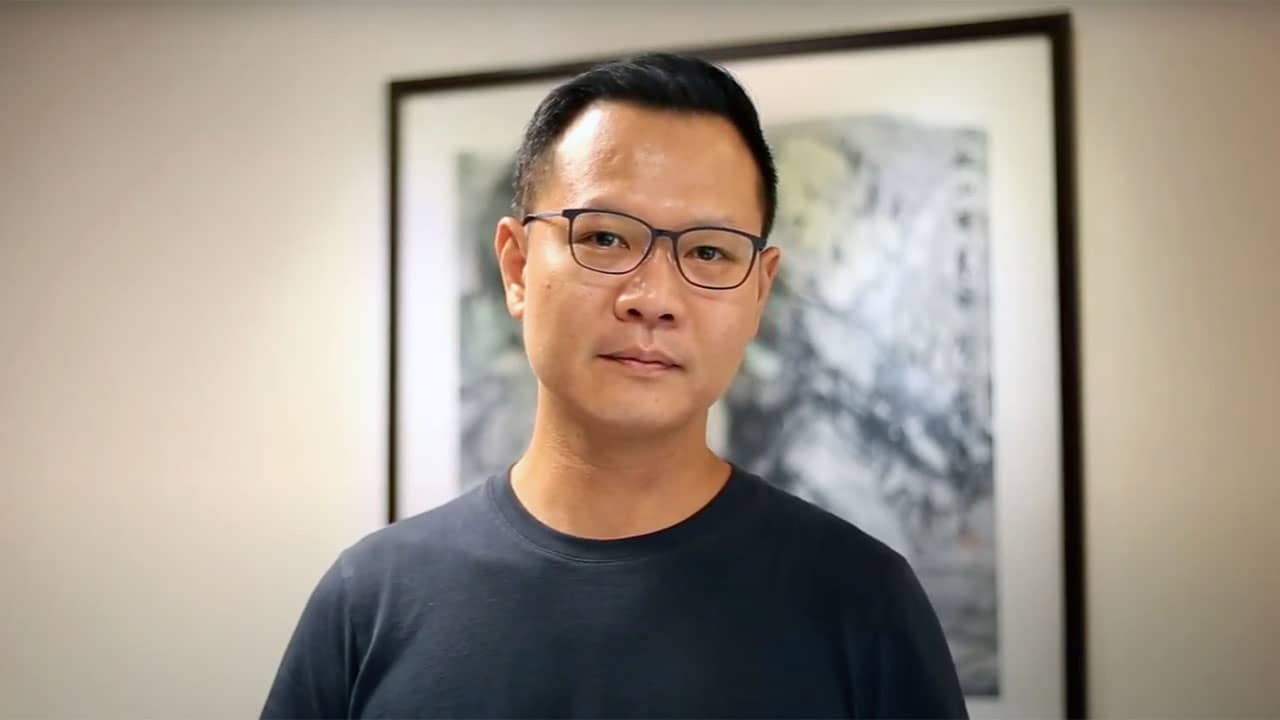
Types of Threat: Attacks on Legislature Due Process/Fair Trial Right Violations Hate or "Dangerous" Speech Closing Civic Space Marginalised Groups Targeted Persecution of MPs/HRDs Disinformation Campaign Limitations on Speech/Press Judiciary Undermined PGA calls on Bangladeshi authorities to release former ruling Awami League Party Members of Parliament Mr. A.B.M. Fazle Karim Chowdhury, Dr. Dipu Moni, Mr. Asaduzzaman Noor, Mr. Mosharraf Hossain, and Mr. Muhammad Faruk Khan who were imprisoned shortly after former Prime Minister Hasina’s resignation and dissolution of Parliament. Government representatives and relevant authorities must respect their human rights and rights to a fair trial and due process. In January 2024, former Prime Minister Hasina took power for a fourth consecutive term in a contested vote considered fraudulent by countries like the US and UK. On 6 August 2024, President Mohammed Shahabuddin dissolved the 12th Parliament of Bangladesh a day after Prime Minister Sheikh Hasina resigned and fled the country amid weeks of demonstrations and civil unrest.Law-enforcement agencies and paramilitary forces used brutal force against protesters before and after the Prime Minister’s resignation. According to media reports, this violence has led to the death of 109 persons, including 14 police officers, and injured hundreds of persons. Amid the political instability, Bangladesh’s interim leader Muhammad Yunus announced general elections for late 2025 or early 2026. We call on Bangladeshi authorities to provide information about the following five cases and ensure their physical and mental health is taken into consideration. Moreover, we urge the authorities to respect the human rights of all imprisoned individuals and follow due process. The cases below are only a few of which we have knowledge about and have received pertinent information and do not, in any way, represent an exhaustive list of detainees of parliamentary and government officials wrongfully accused during the weeks after former Prime Minister Hasina’s resignation. Fazle Karim Chowdhury, former Chair of the Standing Committee on Ministry of Railways and member on the Standing Committee on Ministry of Public Administration, also served as a member and President of the Inter-Parliamentary Union (IPU) Committee on the Human Rights of Parliamentarians. On 12 September 2024, Mr. F. K. Chowdhury was accused and arrested for the alleged charges of murder, extortion and bribery. Given the circumstances of the arrest and details of the case, charges appear to be politically motivated and are unsubstantiated. Detained under harsh conditions, authorities have denied Mr. F. K. Chowdhury treatment for his heart disease, diabetes and kidney issues. Consequently, his family has reported a severe deterioration of his health, including his mental health, due to abuse and humiliating media broadcasts. During Mr. F. K. Chowdhury’s court appearances, orchestrated violent mobs called for his execution and attempted to physically harm him. There are concerns that future court appearances would result in similar harassment. The prosecution has strategically filed cases in many jurisdictions. Constant court appearances have led to his physical and mental exhaustion. Authorities are also adding new charges, continuing the cycle of harassment designed to incapacitate his defense. Authorities have repeatedly violated his rights to due process and a fair trial. On 19 August 2024, Dipu Moni was arrested in Dhaka, accused and charged in the murder case of an BNP leader brought forth by the prosecutors of the current Interim Government. In an attempt to keep her and her colleagues in jail, Dr. Dipu Moni has also been named in additional murder cases. She has consistently denied her involvement in all cases. Since her arrest, Dr. Dipu Moni has faced physical pain and abuse as well as mental distress. She has not been granted visitation from her husband who is extremely unwell due to a medical issue that arose in 2019. Dr. Moni has served in various capacities, including as Minister in the Ministries of Foreign Affairs, Education and Social Welfare. Violations have also occurred against Asaduzzaman Noor, who was imprisoned on 15 September 2024, without a warrant. The subsequent day, he appeared before the Chief Metropolitan Magistrate Court in a murder case. Authorities have imprisoned Mr. Noor in Keraniganj Central Jail without any formal charges against him.Mr. Noor’s case is allegedly about three murder cases linked to deaths that occurred during the student‑led anti‑government protests in July and August 2024. There are over 100 co-accused. The cases fail to establish any link between Mr. Noor and the murders. Additionally, he has not had the opportunity to consult with his legal representatives, who were not given notice of court appearances. On court premises, Mr. Noor was subjected to degrading treatment through verbal assaults by court lawyers belonging to political parties opposed to the Awami League calling for his hanging as a murderer. The available evidence has significant discrepancies. In one case, the death certificate shows that the victim died in a different city (Rangpur) than the case file suggests. In another one, the accused himself submitted evidence of a media report stating that the death occurred in another town (Bogura) and not in the town included in the case file. Mr. Noor suffers from poor health at 78 years old – heart disease, spinal degeneration, diabetes and asthma. The lack of evidence, denial of any bail petition, and arbitrary additional charges by police without any formal charges being brought against him point to a politically motivated arrest. On 27 October 2024, police arrested Mosharraf Hossain at his residence in Bashundhara, Dhaka. He is being prosecuted for an alleged incident dating back to 2022. Without evidence, Mr. Hossain was charged despite being elsewhere at the time of the alleged crime. Authorities rejected a plea for bail and he was sent to Keraniganj Central Jail. On 28 October, another petition was denied. This one included a request for medical care. Mr. Hossain is 82 years old and suffers from Parkinson’s disease, diabetes, heart and lung disease, and dementia. He has partially lost his mobility following a major surgery in October 2021. The prison lacks the healthcare infrastructure necessary to provide adequate medical care, putting his life in jeopardy. On 15 October 2024, 73 years old Muhammad Faruk Khan was arrested without a warrant at the Combined Military Hospital in Dhaka Cantonment, while undergoing physiotherapy sessions for residual pain in his hip and left leg after a surgery in April 2024. In February 2023, Mr. Khan suffered a stroke. He was then diagnosed with Parkinson’s disease, hypertension and other ailments.  Without explanation, authorities did not grant his request to collect his medication from his residence. The police told the media that Mr. Khan had been arrested at his residence, which was false. The police first took Mr. Khan to the Detective Branch of the Dhaka Metropolitan Police, where he was not given the opportunity to speak to his lawyers. For three nights, he slept on a mattress on the floor, causing him pain and discomfort. Initially, the police arrested Mr. Khan for an incident in December 2022 involving the death of a member of the Bangladesh Nationalist Party. The case was filed in September 2024. At the time of the incident, Mr. Khan was out of the country. In addition, Mr. Khan is also arrested for two other alleged murder cases linked to deaths during the July and August 2024 student-led protests. He was charged along with over 100 co-accused. The documents provided by authorities fail to establish any link between Mr. Khan and the alleged murders. Furthermore, along with other 44 cabinet members and advisers of former Prime Minister Hasina, Mr. Khan is included in a case before the International Crimes Tribunal (ICT) in Bangladesh. On 18 November 2024, Mr. Khan and 13 other co-accused former government officials appeared before the ICT for a hearing. Defense lawyers reported that, despite several attempts to obtain clarification on the case, no details on the charges against Mr. Khan had been provided, preventing them from preparing his defense in advance. In September 2024, the interim government of Bangladesh announced the creation of a ministerial committee to identify and recommend the withdrawal of politically motivated legal proceedings. However, the accused is responsible for demonstrating their innocence, contrary to the principle of the presumption of innocence. There seems to be no conclusive evidence in any of the cases brought against the former Members of Parliament aforementioned. There is however a pattern of violations of human rights and serious infringements to the rights of effective remedy, torture or cruel, inhuman or degrading treatment or punishment, arbitrary arrest or detention, and to a fair trial and due process. These legal principles are codified in the International Covenant on Civil and Political Rights (ICCPR), particularly within Articles 2, 7,9 and14. We urge Bangladesh, as a State Party to the ICCPR, to respect its international obligations ensuring the rights of all persons, including Mr. A.B.M. Fazle Karim Chowdhury, Dr. Dipu Moni, Mr. Asaduzzaman Noor, Mr. Mosharraf Hossain, and Mr. Muhammad Faruk Khan are protected.

Latest News for the DRHR Campaign:

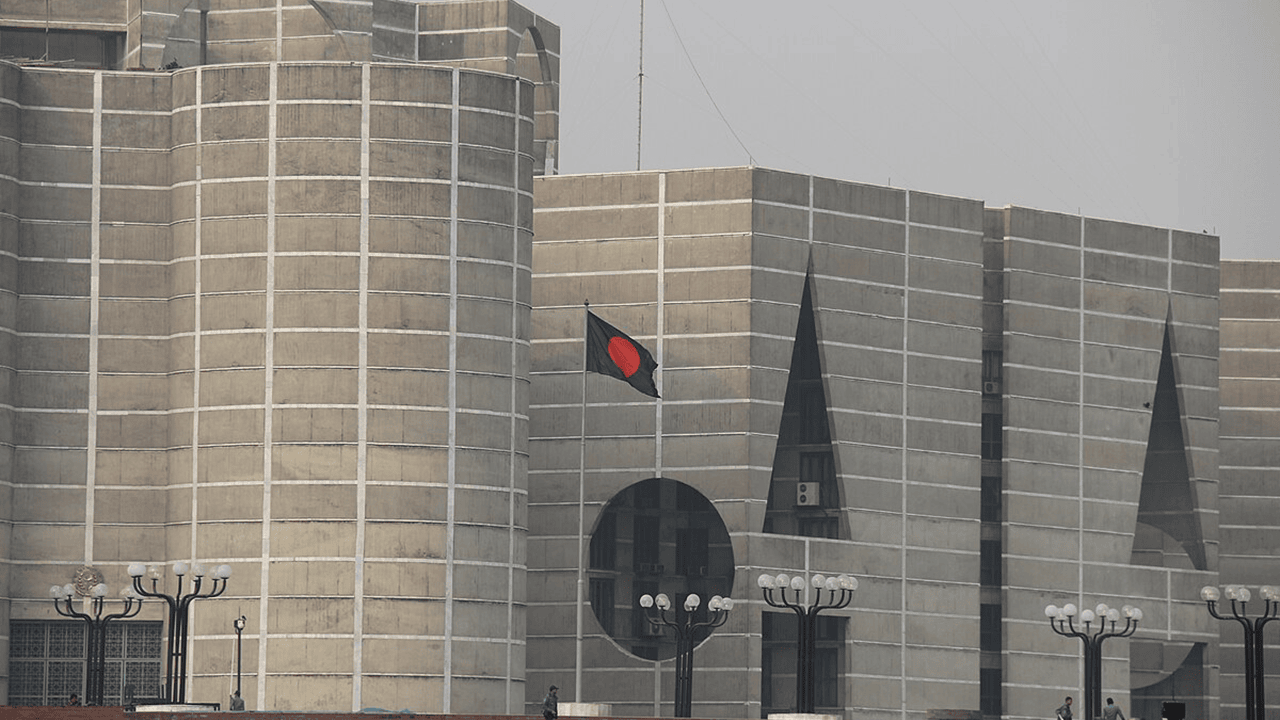
Photo Courtesy Sheba, CC BY-SA 2.0, via Wikimedia Commons

We reaffirm our unwavering commitment to strengthening democratic institutions, defending human rights, and promoting inclusive governance

Photo by Gayatri Malhotra on Unsplash

International Women’s Day (IWD), under the theme “For ALL women and girls: Rights. Equality. Empowerment”, is an opportunity to assess progress towards fulfilling women and girls’ rights and the challenges many of them still face worldwide.

Gary Todd, CC0, via Wikimedia Commons

Government representatives and relevant authorities must respect their human rights and rights to a fair trial and due process.

  •  Urgent Action Alert
  •  Statement
  •  Call to Action
 

How We Work

Supported by an expert Secretariat, PGA members work together to educate, sensitize, build technical capacity, and strengthen the political will of parliamentarians to achieve campaign objectives through concrete legislative and policy initiatives. PGA works with individual parliamentarians in their national contexts through country-specific strategies, leveraging that capacity with international networking to facilitate connections among parliamentarians and build bridges with civil society, domestic and international policy-makers, and other stakeholders.

Read more on our Theory of Change