



40 Articles with this tag
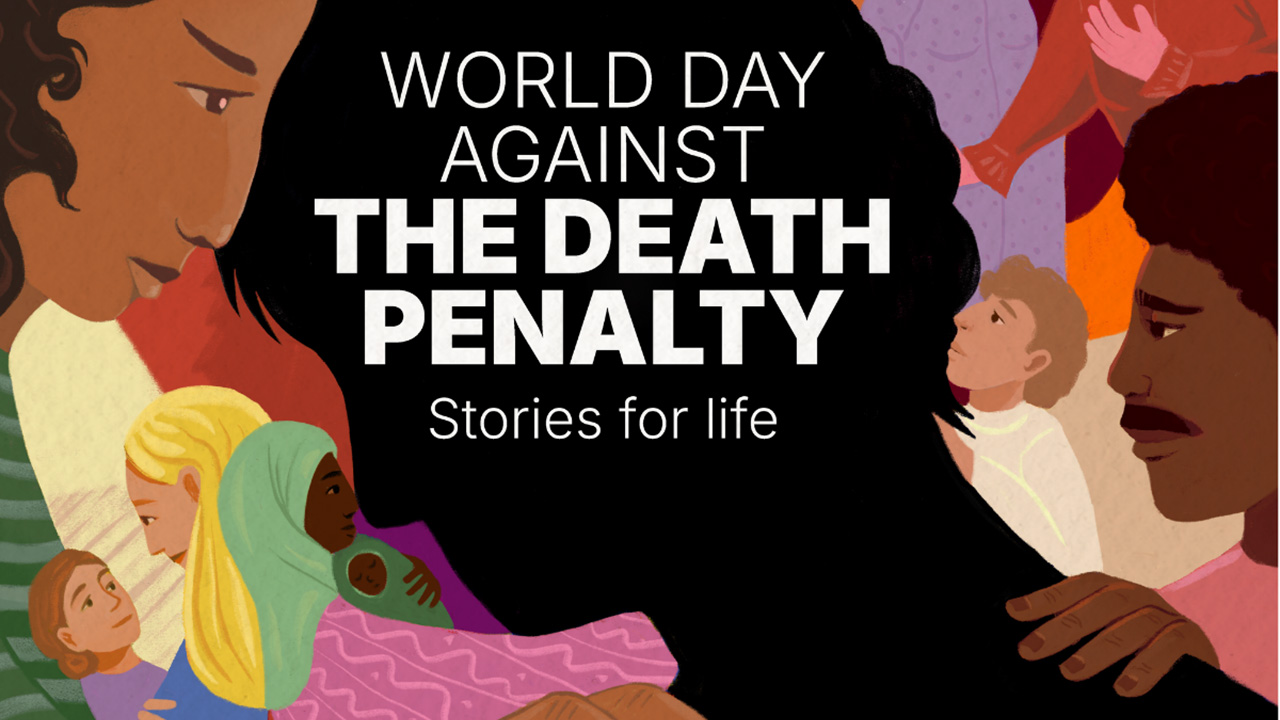
Under the theme “Stories for Life,” this event offered an opportunity for legislators to directly hear from practitioners and experts, to reflect together promoting human rights for current and future generations.
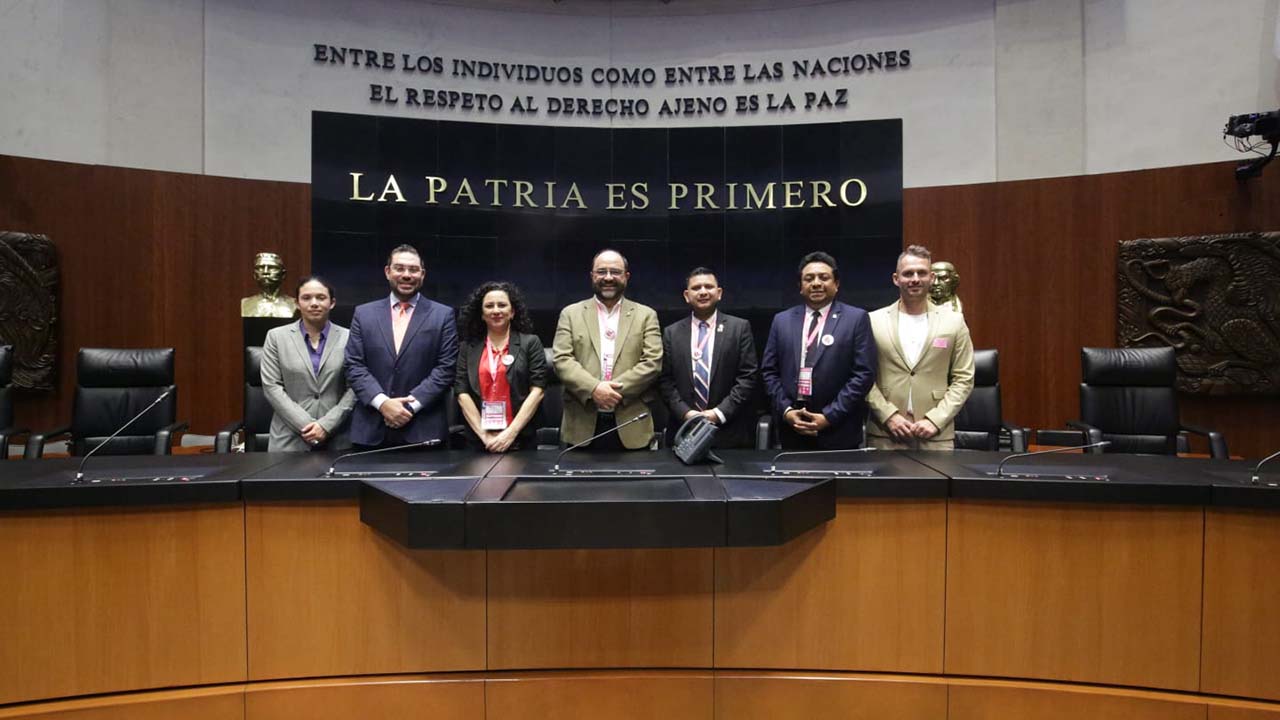
Democracy requires equality. Political leaders have a great responsibility in ensuring that all communities are represented, including LGBTQI+ persons, and adopt policies and legislation increasing their representation in parliament.

Parliamentarians for Global Action Joint event with ParlAmericas: “Towards effective environmental governance: Access to information, participation, and justice”
Antigua and Barbuda and the ICC: Antigua and Barbuda signed the Rome Statute on 23 October 1998 and deposited its instrument of ratification of the Rome Statute on 18 June 2001.
As a member of the Organization of American States, Argentina has supported the promotion of the International Criminal Court by adopting an annual resolution by the General Assembly of the OAS and by holding an annual working meeting of high-level within the Political and Juridical Affairs Committee of the OAS.
Barbados signed the Rome Statute on 8 September 2000, and ratified on 10 December 2002.
On 11 June 2012, the Ministers of Foreign Affairs of the Union of South American Nations (UNASUR) called upon all States Parties to ratify the amendments adopted in Kampala.
Brazil signed the Rome Statute on 7 February 2000 and deposited its instrument of ratification of the Rome Statute on 20 June 2002.
On December 18, 1998, Canada was the 14th country to sign the Rome Statute of the ICC.
On 11 June 2012, the Ministers of Foreign Affairs of the Union of South American Nations (UNASUR) called upon all States Parties to ratify the amendments adopted in Kampala.
Costa Rica deposited its instrument of ratification of the Rome Statute on 7 June 2001.
Dominica acceded to the Rome Statute on 12 February 2001, becoming the 29th State Party.
PGA has a long and solid partnership history with the Dominican Republic, a state party to the Rome Statute, of promoting the fight against impunity for the most serious crimes of international concern.
Since ratification, PGA’s priority in Ecuador has been the adoption of complete domestic legislation containing the crimes and core principles included in the Rome Statute as well as provisions to set a national mechanism to fulfill the cooperation obligation with the ICC.
Since 2002, Parliamentarians for Global Action has been working on El Salvador’s accession to the Rome Statute. El Salvador became the 124 State Party to the International Criminal Court on 3 March 2016..
The government of Grenada deposited its instrument of accession to the Rome Statute on 19 May 2011.
Guatemala after 36 years of civil war, from 1960 to 1996, became the 121st State Party of Rome Statue.
On 11 June 2012, the Ministers of Foreign Affairs of the Union of South American Nations (UNASUR) called upon all States Parties to ratify the amendments adopted in Kampala.
PGA has worked with Parliamentarians from Haiti since 2007 promoting the fight against impunity for the most serious crimes, and currently promoting ratification and domestic implementation of the Rome Statute.
Honduras signed the Rome Statute on 7 October 1998, and ratified it on 1st July 2002, becoming the 76th State Party
Jamaica is one of the few Caribbean countries that has yet to become a State Party of the International Criminal Court.
Mexico signed the Rome Statute on 7 September 2000 and ratified on 28 October 2005, becoming the 100th State Party.
Panama signed the Rome Statute on 18 July 1998, and ratified on 21 March 2002, becoming the 56th State Party.
Paraguay signed the Rome Statute on 7 October 1998 and deposited its instrument of ratification on 14 May 2001.
On 22 August 2006, Saint Kitts and Nevis deposited its instrument of accession to the Rome Statute.
Saint Vincent and the Grenadines deposited its instrument of acceptance of the Rome Statute on 3 December 2002.
On 11 June 2012, the Ministers of Foreign Affairs of the Union of South American Nations (UNASUR) called upon all States Parties to ratify the amendments adopted in Kampala.
Trinidad and Tobago signed the Rome Statute on 23 March 1999 and ratified on 6 April 1999, becoming the 2nd State Party.
The United States signed the Rome Statute on 31 December 2000, but has not yet ratified it.
On 11 June 2012, the Ministers of Foreign Affairs of the Union of South American Nations (UNASUR) called upon all States Parties to ratify the amendments adopted in Kampala.
On 11 June 2012, the Ministers of Foreign Affairs of the Union of South American Nations (UNASUR) called upon all States Parties to ratify the amendments adopted in Kampala.

To commemorate the 18th International Day Against the Death Penalty, the PGA National Group, together with the Parliamentary Group on Human Rights of the National Assembly of Ecuador, organized a virtual seminar.
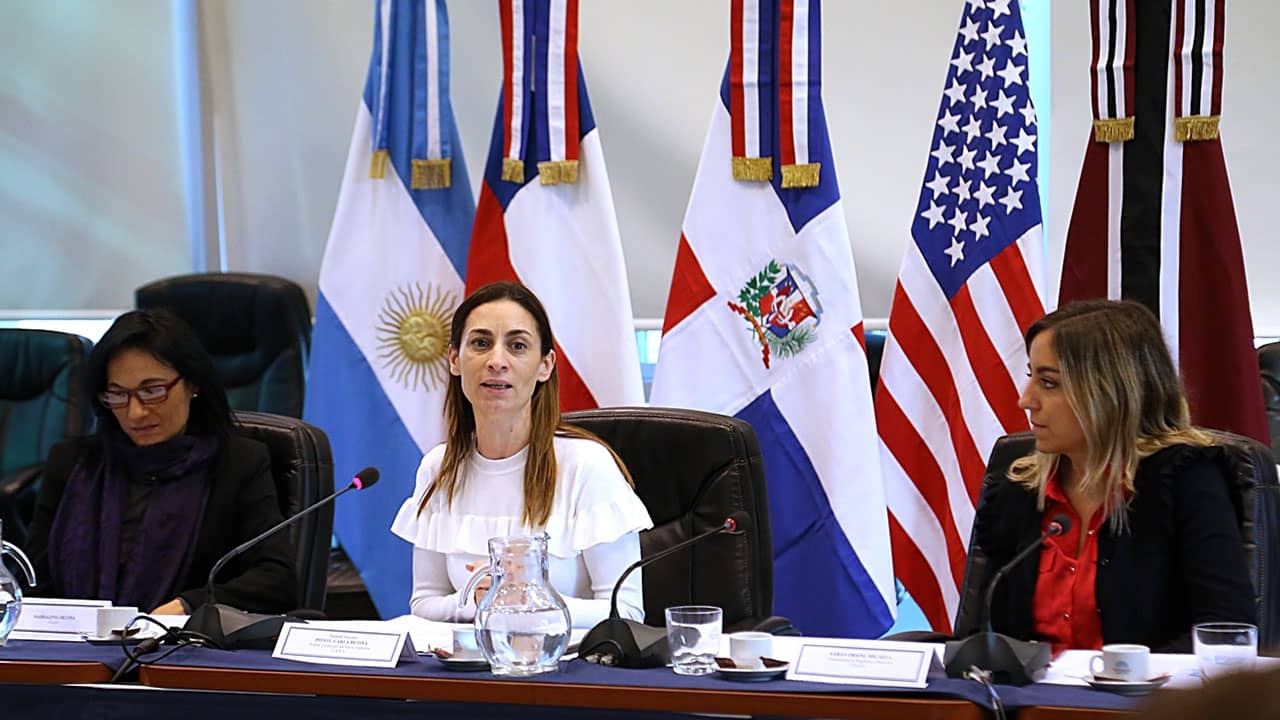
Por Carla Pitiot, Diputada en el Congreso de la Nación Argentina, Presidenta del Grupo Nacional de PGA en Argentina y miembro de la Junta Directiva de PGA
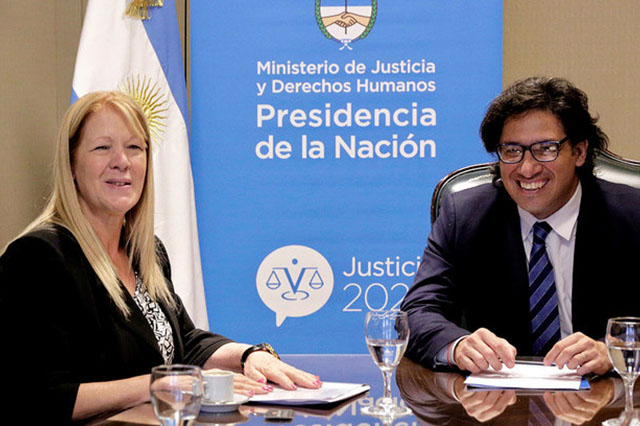
Today, the Republic of Argentina signed its third and fourth cooperation agreements with the International Criminal Court (ICC), on interim release and the release of persons.
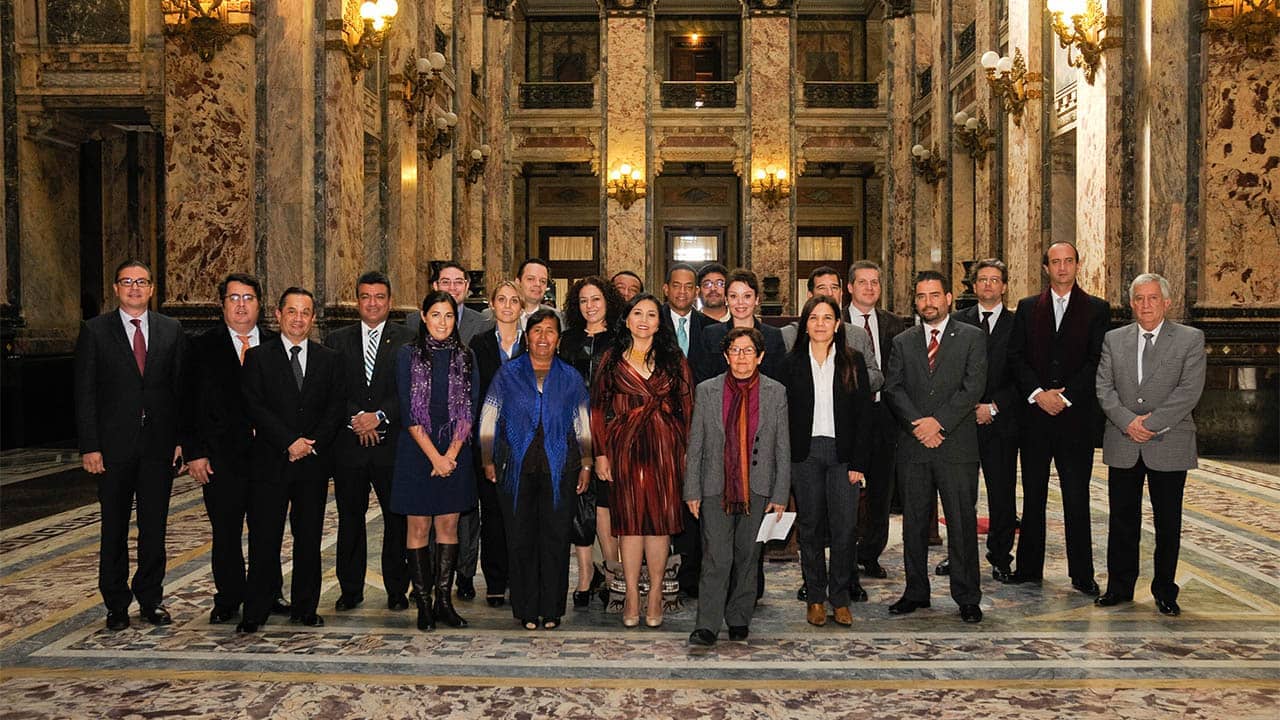
The intense activities and discussions brought together over 25 Parliamentarians from 12 different Latin American States.
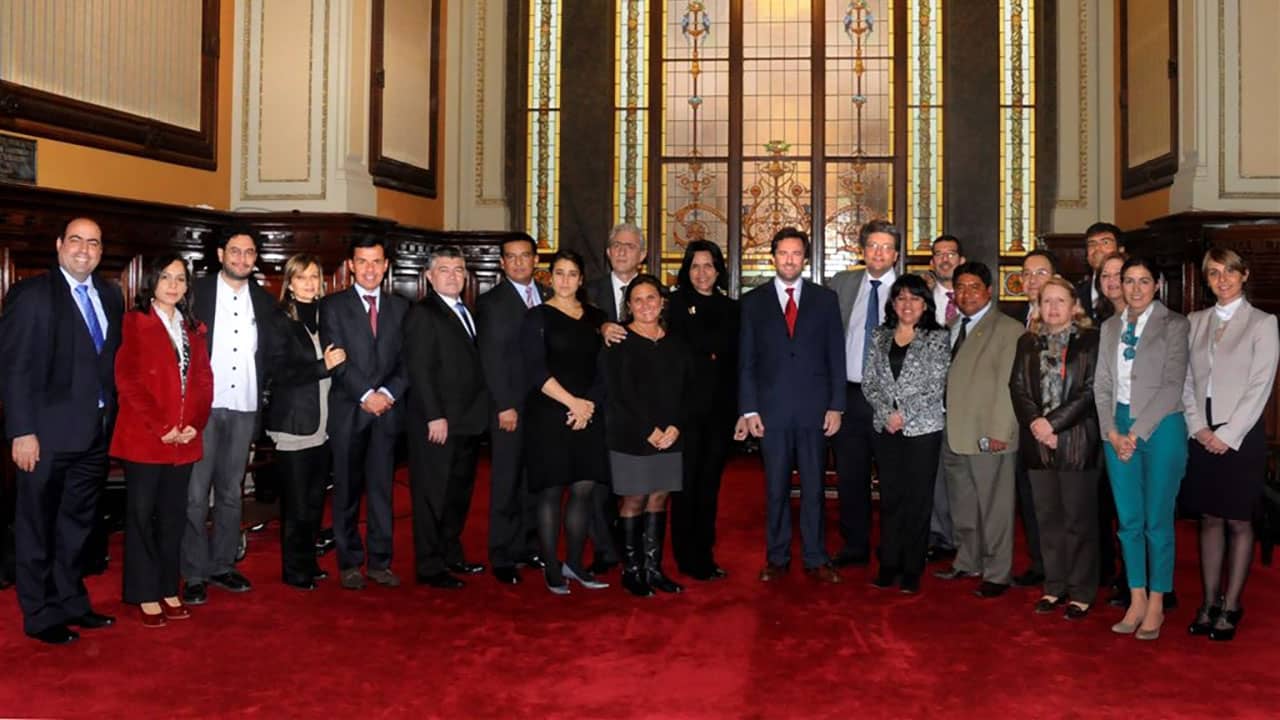
In September 2013, PGA organized a Parliamentary Seminar and a technical Roundtable in the framework of a Sub-Regional Working Group on Challenges for the Effectiveness of the Rome Statute system in the Americas.
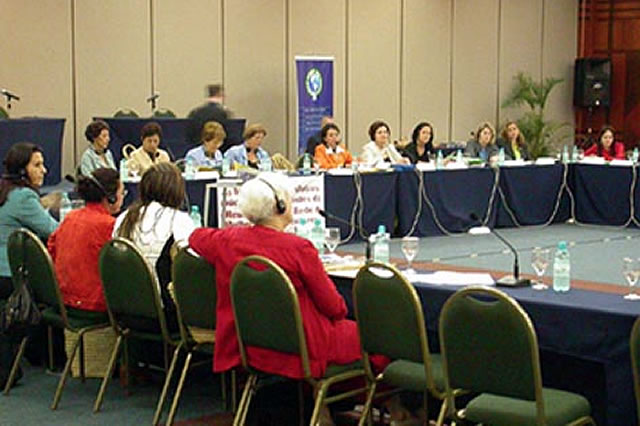
The Convenor of PGA’s International Law and International Human Rights Program, Senator Alain Destexhe (Belgium), addressing a panel discussion on Migration at the 6th General Assembly of the Parliamentary Confederation of the Americas in Foz do Iguaçu.