


Loading...

Campaign for a Human Rights-based Approach to Climate Action

The Challenge: Protecting the planet against climate change

Trees in a forest in New York State after a rain storm.
Photo: “Trees in a forest in New York State after a rain storm.” UN Photo/Mark Garten

Climate change threatens a range of human rights: life, water and sanitation, food security, health, housing, self-determination, culture, and development. Climate change is also a threat multiplier, disproportionately accentuating its impacts on countries and those segments of the population that are already at a disadvantage.

Already marginalized groups and those living in vulnerable situations, as a result of pre-existing inequalities and inequities, are even more affected and have less favorable conditions or reduced capacities to adapt to and to mitigate the consequences of climate change. Factors such as geography, poverty, gender, sexual orientation/gender identity, age, ethnicity or race, nationality of birth or social status, and disability may further aggravate those consequences.

States have an obligation to prevent the foreseeable adverse effects of climate change on human rights and to ensure those effected by it, particularly those most vulnerable, have access to effective remedies and means of adaption to enjoy lives of human dignity.

The international community adopted Development Agenda 2030 to spur action around 17 inter-connected Sustainable Development Goals (SDGs), recognizing that peace and prosperity for all can only be achieved with respect for people and our planet. The Decade of Action, which began in 2020 in the midst of the COVID-19 pandemic, provides a renewed sense of urgency to tackle growing poverty and inequality, empower women and girls, and address the climate emergency.

The Response: The Climate Action Campaign

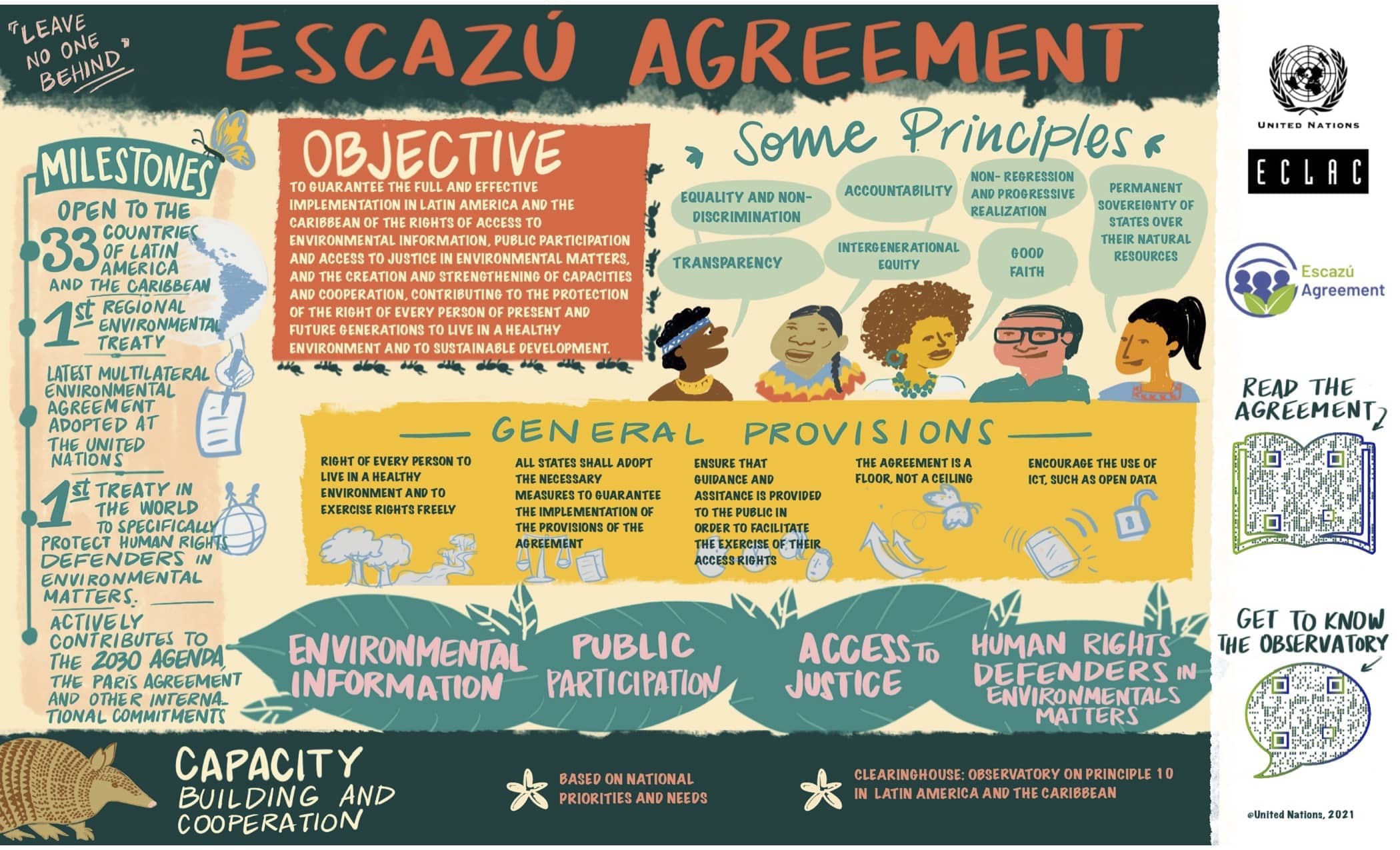
The Campaign for a Human Rights-based Approach to Climate Action (Climate Action Campaign) was launched in 2021, with a regional focus in the Caribbean. The Campaign seeks to raise awareness and implement the Escazú Agreement as a tool for climate governance and to ensure the three rights of access to: information, participation, and justice in environmental matters.

The Escazú Agreement is the only binding agreement stemming from the United Nations Conference on Sustainable Development (Rio+20), the first regional environmental agreement of Latin America and the Caribbean, and the first in the world containing specific provisions on environmental human rights defenders. The Agreement also aims for the creation and strengthening of capacities and cooperation, contributing to the protection of the right of every person, in the present and of future generations, to live in a healthy environment and to sustainable development. (Source: ECLAC)

The Escazú Agreement offers a path to advance implementation of the Development Agenda 2030 by strengthening the rule of law, bolstering participatory democracy, protecting human rights, and preventing social conflicts amid changes to economies’ production structures. The Agreement particularly contributes to SDG 16: Peace, Justice, and Strong Institutions, as well as SDG 10: Reduced Inequalities, SDG 12: Responsible Consumption and Production, SDG 13: Climate Action, SDG 14: Life Below Water, and SDG 15: Life on Land.

To achieve its goal of improving climate governance, the Climate Action Campaign pursues the following outcomes:

  • Sensitize parliamentarians about their role in guaranteeing equality and non-discrimination for all individuals, particularly vulnerable communities that bear the harshest effects of climate change as a consequence of structural inequalities and discriminatory provisions;
  • Raise awareness among targeted parliamentarians about the Escazú Agreement on Access to Information, Public Participation, and Justice in Environmental Matters in Latin America and the Caribbean as a tool to catalyze climate action from a human rights-based approach in the region;
  • Promote the ratification of the Escazú Agreement and provide technical assistance for its effective domestication in legal frameworks of targeted Caribbean countries;
  • Improve engagement between parliamentarians and civil society representatives, including people and groups in vulnerable situations, to strengthen their “access rights” and mechanisms for climate justice.

Climate Action Campaign Achievements

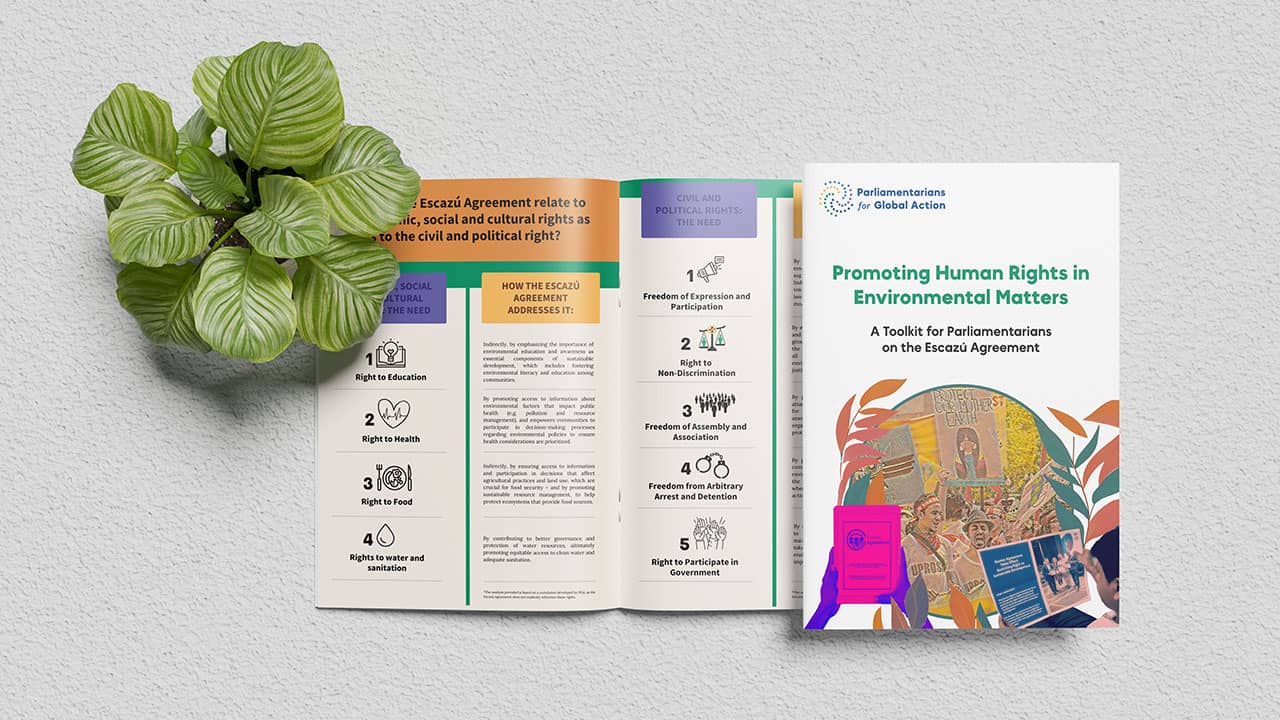
Promoting Human Rights in Environmental Matters

Promoting Human Rights in Environmental Matters

A toolkit on the Escazú Agreement designed to equip legislators with resources to advance climate governance and environmental democracy in Latin America and the Carribbean.
Parliamentarians in Trinidad and Tobago Develop Recommendations to Strengthen Environmental Governance and Secure the Human Rights of Environmental Defenders

Parliamentarians in Trinidad and Tobago Develop Recommendations to Strengthen Environmental Governance and Secure the Human Rights of Environmental Defenders

The hybrid, non-partisan Caucus brought together parliamentarians, experts, and civil society to explore the Escazú Agreement.

On November 13th, 2024, Parliamentarians for Global Action (PGA), the United Nations Economic Commission for Latin America and the Caribbean (ECLAC), the Caribbean Natural Resources Institute (CANARI), and the University of the West Indies (UWI), jointly hosted the Parliamentary Caucus: The Escazú Agreement as a Tool for Climate Governance and Environmental Democracy in Trinidad and Tobago. The hybrid, non-partisan Caucus brought together parliamentarians, experts, and civil society to explore the Escazú Agreement as a tool for  ensuring the rights to access information, participation and justice in environmental matters, while reinforcing the human right to a healthy environment. Participants engaged in an interactive discussion on the crucial role of parliamentarians and explored innovative strategies to strengthen  access rights and protect human rights defenders in environmental matters. Opening the event, Senator Wade Mark (Trinidad and Tobago), Chair of  PGA’s National Group in Trinidad and Tobago, welcomed participants, stressing the importance of parliamentary action and the Escazú Agreement as a vital tool for environmental democracy. Ms. Diane Quarless, Director of  ECLAC’s Subregional Headquarters for the Caribbean, and Dr. Bheshem Ramlal, Professor of Geospatial Information Engineering and Dean of the Faculty of Engineering at UWI delivered opening remarks highlighting the significance of multi-stakeholder collaboration to address the escalating environmental crisis and the importance of the Escazú Agreement in this context. Mr.David Persaud, Director of the Environmental Policy and Planning Division in the Ministry of Planning and Development delivered the keynote address, underscoring the importance of transparency, inclusivity, and accountability in environmental governance, in line with with strong multilateral environmental agreements like Escazú. Mr. Hayden Romano, Managing Director of the Environmental Management Authority (EMA), outlined the Escazú Agreement’s relevance to Trinidad and Tobago’s existing environmental policies. Ms. Francisca Aguilar, Legal Research Assistant at  ECLAC Escazú Agreement Secretariat, and Mr. David Barrio Lamarche, Legal Officer at  ECLAC Escazú Agreement Secretariat, elaborated on the Agreement’s capacity to empower civil society, improve transparency, and enable more inclusive environmental decision-making processes. Senator Anthony Vieira (Trinidad and Tobago) and Ms. Dylis McDonald, Senior Technical Officer at CANARI, moderated a fruiful interactive discussion among all participants on the role of parliamentarians to develop a list of key recommendations for parliamentarians, by parliamentarians. Experts Ms. Danielle Andrade-Goffe, Attorney at Law, Ms. Nicole Leotaud, Elected Representative of the Public for the Escazú Agreement, and Ms. Kate Wilson, Legal Officer in the Department of Sustainable Development of the Government of Saint Lucia, shared strategies for strengthening legal frameworks and ensuring the participation of civil society in environmental decision-making processes. Senator Sophia Frazer-Binns (Jamaica), Shadow Minister of Environment and Ecological Heritage, shared her perspective on Jamaica’s journey with the Escazú Agreement and the importance of sustained cross-party cooperation to prioritize environmental justice. Ms. Leotaud highlighted the vital role of civil society in the implementation of the Escazú Agreement and emphasized the need for strengthening public participation in environmental decision-making processes, as well as the importance of ensuring that marginalized communities are included in these discussions. Ms. Wilson shared insights on the development of a national roadmap for implementing the Escazú Agreement in Saint Lucia and described the critical role of parliamentarians in shaping this roadmap, ensuring that it reflected the needs of local communities. Ms. Andrade-Goffe reflected on the importance of drafting and reviewing legislation to ensure effective access to information, participation, and justice in environmental matters, emphasizing the need for inclusive and accessible legislative frameworks that protect the rights of environmental defenders. The interactive discussion concluded with a summary by Sen. Vieira of key recommendations developed during the Caucus, which include actions to strengthen environmental governance and protect human rights defenders, prioritize legal and institutional reforms to enhance accountability and public participation, and urge the government to explore regional instruments such as the Escazú Agreement. Ms. Anna Cadiz-Hadeed, Acting Executive Director of CANARI, Ms. Artie Dubrie, Coordinator of the Sustainable Development and Disaster Unit at ECLAC Subregional Headquarters for the Caribbean, Dr. Bheshem Ramlal, and Ms. Saarah Monawvil, Director of the Human Rights & Environment Program at PGA, offered closing remarks thanking participants and highlighting the importance of cooperation towards the common goal of a better, more sustainable and inclusive future for the region, where human rights of all people are respected, and nature thrives for present and future generations.

Latest News for the Climate Action Campaign:

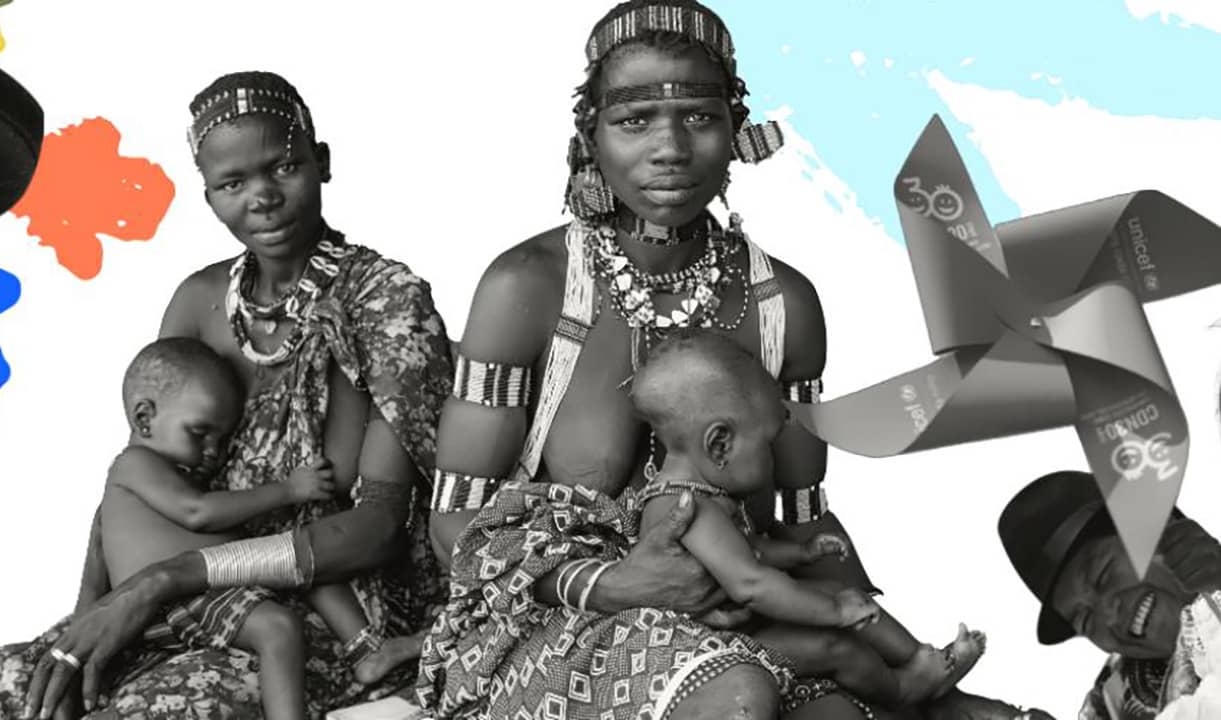
UN Composition with photographs by PAHO (left), Martine Perret (center) and UNICEF Ecuador-Arcos (right)

This year’s theme, “Indigenous Peoples and AI: Defending Rights, Shaping Futures,” highlights the opportunities and challenges that artificial intelligence presents for Indigenous communities.

Photo by Colin Watts on Unsplash

The hybrid, non-partisan Caucus brought together parliamentarians, experts, and civil society to explore the Escazú Agreement.

Photo by Pixabay: https://www.pexels.com/photo/body-of-water-355328/

This session, jointly hosted by Parliamentarians for Global Action (PGA) and ParlAmericas, will bring together parliamentarians and civil society representatives from the Caribbean SIDS for a dialogue on the Escazú Agreement

How We Work

Supported by an expert Secretariat, PGA members work together to educate, sensitize, build technical capacity, and strengthen the political will of parliamentarians to achieve campaign objectives through concrete legislative and policy initiatives. PGA works with individual parliamentarians in their national contexts through country-specific strategies, leveraging that capacity with international networking to facilitate connections among parliamentarians and build bridges with civil society, domestic and international policy-makers, and other stakeholders.

Read more on our Theory of Change